Last updated: April 22, 2026
Key Takeaways: Why Whey Isolate Drinks Matter
- Whey protein isolate drinks supply about 2.5–3 g leucine and 5.5 g BCAAs per 25 g serving, which supports muscle protein synthesis through the mTOR pathway.1
- They contain all nine essential amino acids, which supports full muscle repair and recovery more effectively than incomplete proteins like collagen.1
- Fast liquid absorption makes them useful after workouts and convenient for busy lifestyles, GLP-1 users, and seniors managing muscle loss.1
- High purity, typically 90–95% protein with very low lactose, can reduce gut discomfort while supplying cysteine for antioxidant and glutathione support.1
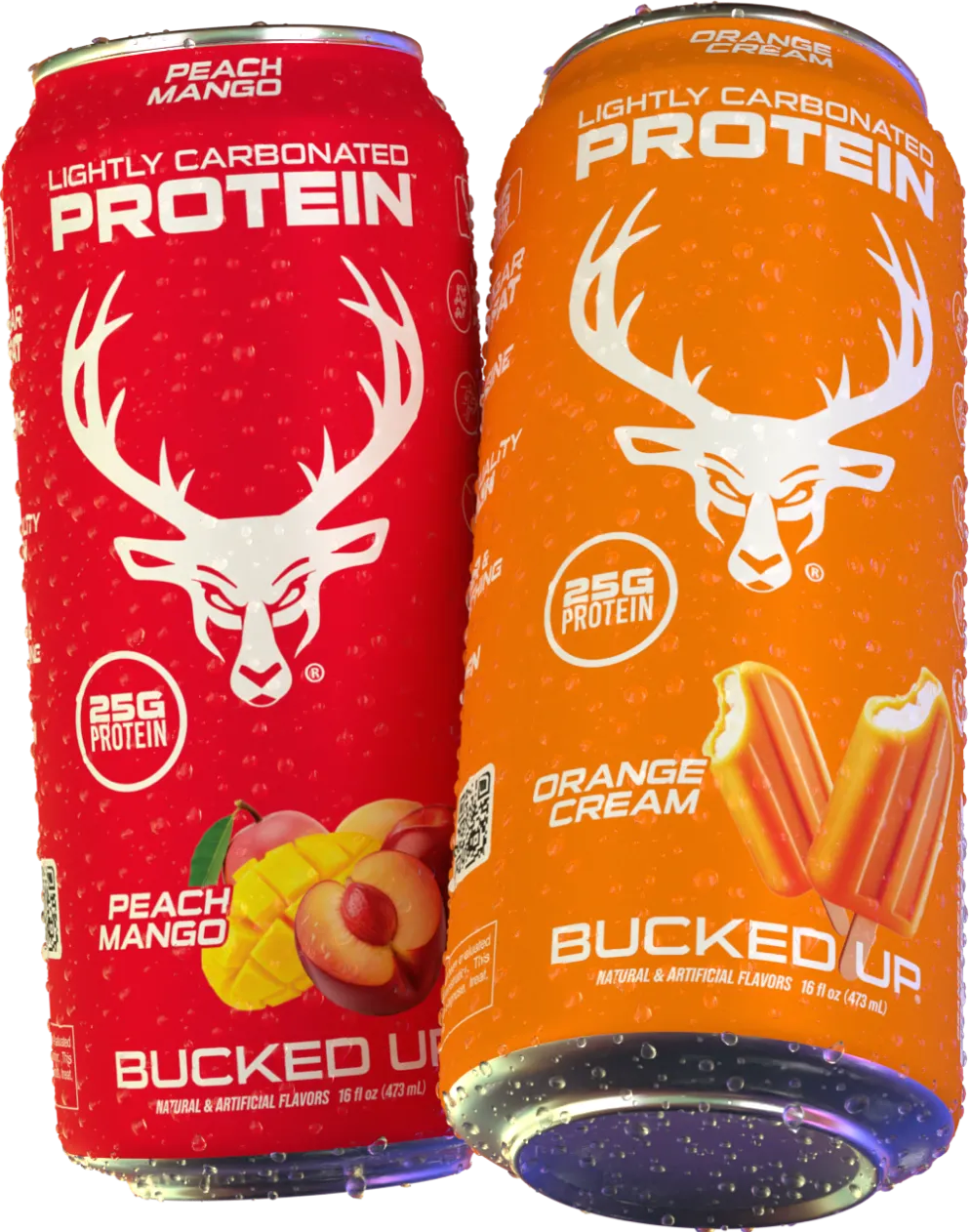
- These benefits are available in Bucked Up Protein Soda with 25 g whey isolate per can, making daily recovery easier to maintain.1
How Ready-to-Drink Whey Isolate Fits Modern Recovery and Weight Goals
Ready-to-drink whey protein isolate has grown as more people want fast, light protein options instead of thick shakes and messy powders. These drinks serve busy professionals who need grab-and-go nutrition, athletes who want rapid post-workout recovery, and anyone focused on weight management or muscle preservation.1
This format can be especially helpful for GLP-1 medication users and older adults at risk of sarcopenia who often have lower appetite or trouble finishing solid meals. Whey protein isolate supplies essential amino acids that help preserve muscle during chronic illness by providing about 2.7 g of leucine per 25 g protein serving, which supports muscle protein synthesis.1 The liquid format removes prep time and supports consistent amino acid intake when it is most needed.
To understand why whey isolate drinks deliver these benefits so effectively, it helps to look at the specific amino acid profile that separates them from other protein sources.
Amino Acid Profile of Whey Protein Isolate Drinks
The amino acid makeup of each protein source affects muscle building, recovery, and digestion. The table below compares typical amino acid and protein values per 25 g protein serving.
| Amino Acid Component | Whey Protein Isolate | Whey Protein Concentrate | Collagen Protein |
|---|---|---|---|
| Leucine | 2.5–3 g | 2–2.5 g | Low |
| Total BCAAs | 5.5 g | ~5.3 g | Low |
| Essential Amino Acids | All 9 present | All 9 present | Incomplete profile |
| Protein Content | 90–95% | At least 25% (often 34% or 80%) | High |
7 Targeted Benefits of Whey Isolate Amino Acids in Drinks
1. Leucine and mTOR Support Muscle Protein Synthesis
Whey protein isolate contains a high proportion of branched-chain amino acids, with leucine at roughly 10–11% of total amino acids. This level matters because leucine supports muscle protein synthesis through the mTORC1 pathway once intake reaches about 2.5–3.0 g per meal.1 A 25 g serving of whey isolate typically reaches this leucine threshold and supports the body’s muscle-building signals.1
2. BCAAs May Ease Soreness and Fatigue
Whey protein supplies BCAAs in a 2:1:1 ratio of leucine, isoleucine, and valine. These amino acids are often studied for their potential to support exercise recovery, including reduced delayed onset muscle soreness and perceived fatigue.1 When delivered in a ready-to-drink liquid, these BCAAs reach the bloodstream quickly after training.1
3. Essential Amino Acids Support Complete Recovery
Whey protein is a complete protein that includes all nine essential amino acids. This full spectrum gives muscles the raw materials required for repair, growth, and adaptation after training.1 In contrast, incomplete proteins such as collagen lack several essentials and cannot support muscle recovery on their own.
4. Cysteine Supports Glutathione and Antioxidant Defense
Whey protein isolate provides cysteine, which is the rate-limiting amino acid for glutathione production, and research shows supplementation can increase cellular glutathione.1 Higher glutathione levels support antioxidant defenses and immune function.1 This benefit can matter for people under heavy training stress or managing chronic health concerns.
5. Fast Liquid Absorption Fits the Post-Workout Window
Whey protein isolate digests slightly faster than concentrate because it contains fewer fats, carbohydrates, and lactose. This faster digestion makes whey isolate drinks a strong fit for post-workout use when muscle protein synthesis is elevated.1 The liquid format further speeds gastric emptying compared with thick shakes.
6. Satiety and Muscle Support for GLP-1 Users and Older Adults
Older adults experience anabolic resistance and often need around 40 g of high-quality protein per meal, compared with about 20 g for younger adults, to achieve similar muscle protein synthesis. As noted earlier, the leucine threshold in each whey isolate serving aligns with what older adults typically need to support this response.1 This pattern can help address age-related muscle loss and support satiety for people using GLP-1 medications.1
7. Low-Lactose Purity Can Ease Digestive Discomfort
Whey protein isolate usually contains under 1% lactose with very little fat or carbohydrate. This profile makes it a practical option for many people with mild lactose sensitivity. The high purity allows more users to access the amino acid benefits of whey without the digestive issues that sometimes occur with other protein sources.1
Explore Bucked Up Protein Soda’s whey isolate formula to see how this profile fits your routine.

Who Gets the Most from Bucked Up Protein Soda
Different groups can use whey isolate drinks to support specific goals. Gym-goers and athletes often rely on the rapid post-workout amino acid delivery and high leucine content to support muscle repair during the early recovery period.1
Busy professionals and parents value the convenience of a canned drink with no mixing or cleanup while still getting complete amino acid support for energy and fullness.1 The caffeine-free formula also works well at night for those who train later in the day.
People using GLP-1 medications often struggle with appetite and risk losing muscle while losing weight. Clinical nutrition guidance often suggests 1.2–2.0 g of protein per 2.2 lbs of body weight per day to reduce muscle loss.1 The light, carbonated texture of protein sodas can feel easier to finish than dense meals when appetite is low.
Seniors focused on sarcopenia prevention can also benefit from whey isolate’s amino acid pattern. The high leucine concentration discussed earlier supports strategies that address age-related anabolic resistance and helps maintain functional muscle.1
How Whey Isolate Compares to Concentrate and Collagen
Processing methods create clear differences between whey isolate, whey concentrate, and collagen. Whey isolate uses advanced filtration to reach about 90–95% protein by removing most non-protein components. Concentrate uses simpler filtration and typically provides at least 25% protein, with common products at 34% or 80%.
This difference changes how much protein you get per scoop. In a 30 g serving, whey isolate usually provides about 27–28 g protein, while concentrate often provides 21–24 g. People who track protein closely may prefer isolate for this efficiency.
Collagen supports joints and skin but lacks several essential amino acids needed for muscle protein synthesis. Whey isolate drinks therefore play a stronger role in muscle building, recovery, and metabolic support.
Bucked Up Protein Soda uses 100% whey protein isolate for high amino acid density and clarity about what you are drinking. The product is manufactured in the USA and offers label transparency so users can review the exact protein source.
How to Use Whey Isolate Drinks: Dose, Timing, and Fit
Effective use of whey isolate drinks starts with daily protein targets and timing. For muscle building and recovery, many people use 1–2 servings per day, which equals 25–50 g of protein.1 This intake becomes more effective when spread across meals so each one delivers enough leucine to support muscle protein synthesis over 24 hours.
The zero-carb, zero-sugar profile of many whey isolate drinks fits ketogenic, low-carb, and paleo-style approaches without disrupting blood sugar goals. The carbonated format offers a lighter, soda-like experience while still delivering complete protein.
Compared with casein, which digests slowly, whey isolate absorbs quickly and suits post-workout or any time you want fast amino acid delivery. The caffeine-free formula supports flexible timing, including evening use, without affecting sleep for most users.
Conclusion: Where Bucked Up Fits in Your Protein Routine
Whey protein isolate drinks combine high leucine content, a full essential amino acid spectrum, and rapid absorption in a convenient format. This combination supports muscle preservation, recovery, and metabolic health for lifters, athletes, GLP-1 users, and older adults.1
Bucked Up Protein Soda pairs this amino acid profile with a carbonated, 100-calorie drink that supplies 25 g of whey protein isolate per can. This format can make it easier to hit daily protein goals without heavy shakes or extra meal prep.
Start your recovery routine with Bucked Up
FAQ: Whey Protein Isolate Drinks and Amino Acids
Is whey protein helpful for preventing sarcopenia in older adults?
Whey protein isolate can support sarcopenia prevention because it combines high leucine content with a complete essential amino acid spectrum.1 Older adults face anabolic resistance and often need more protein per meal to stimulate muscle protein synthesis. The leucine density in whey isolate servings helps support this higher requirement and can aid muscle preservation when paired with resistance training.1
What makes whey protein isolate’s amino acid profile stand out?
Whey protein isolate delivers all nine essential amino acids in well-studied ratios, including a relatively high leucine content among common proteins. Along with about 5.5 g BCAAs per 25 g serving, this pattern supports muscle protein synthesis, recovery, and metabolic health.1 In contrast, incomplete proteins such as collagen lack several essentials and cannot fully support muscle repair on their own.
Should seniors drink whey protein isolate regularly?
Seniors often benefit from regular whey isolate intake because aging changes how the body responds to protein. As discussed earlier, older adults typically need much more protein per meal than younger adults to achieve similar muscle protein synthesis. Whey isolate’s rapid absorption and leucine content help support these higher needs and can assist with maintaining muscle mass and function.1
How does whey isolate compare with concentrate and collagen for amino acids?
Whey protein isolate usually provides 90–95% protein, while concentrate starts at about 25% protein, with common options at 34% and 80%. Both whey forms contain complete amino acid profiles, but isolate offers higher protein density and faster digestion because it has fewer non-protein components. Collagen supports joint health but has an incomplete amino acid pattern for muscle building, so whey isolate is generally better suited for muscle recovery goals.
Can whey protein isolate drinks help preserve muscle during weight loss?
Whey protein isolate drinks can support muscle preservation during calorie deficits. The high-quality amino acid pattern, especially leucine, helps maintain muscle protein synthesis even when total calories drop. Fast absorption and a complete essential amino acid spectrum support muscle maintenance, while the low-calorie, zero-carb profile fits many weight management plans, including those used alongside GLP-1 medications.1
1 The content provided in this article is for informational purposes only and is not medical advice. Consult with a medical professional before implementing any changes to your diet, health, or exercise routines.
Individual results will vary and are based on a combination of each individual’s diet, exercise, age, and health circumstances.
These statements have not been evaluated by the Food and Drug Administration. This product is not intended to diagnose, treat, cure or prevent any disease.
This article was written by Ryan Gardner, CEO of Bucked Up. As the maker of Bucked Up Protein Soda, we have a financial interest in this information. The views expressed are our own and should be read with that context in mind.