Last updated: April 22, 2026
Key Takeaways
- Roughly 30–50 million Americans are lactose intolerant, so many traditional dairy-based protein shakes can cause discomfort.
- GLP-1 users like those on Ozempic often need 1.2–2.0 g protein per 2.2 lbs of body weight daily to help prevent muscle loss.1
- Whey protein isolate typically contains under 1 g lactose per serving compared with 3–5 g in concentrate, which supports sensitive digestion.1
- Lactose-free options span plant-based shakes (Koia, OWYN), lower-calorie dairy-based choices (Premier), and newer carbonated formats.
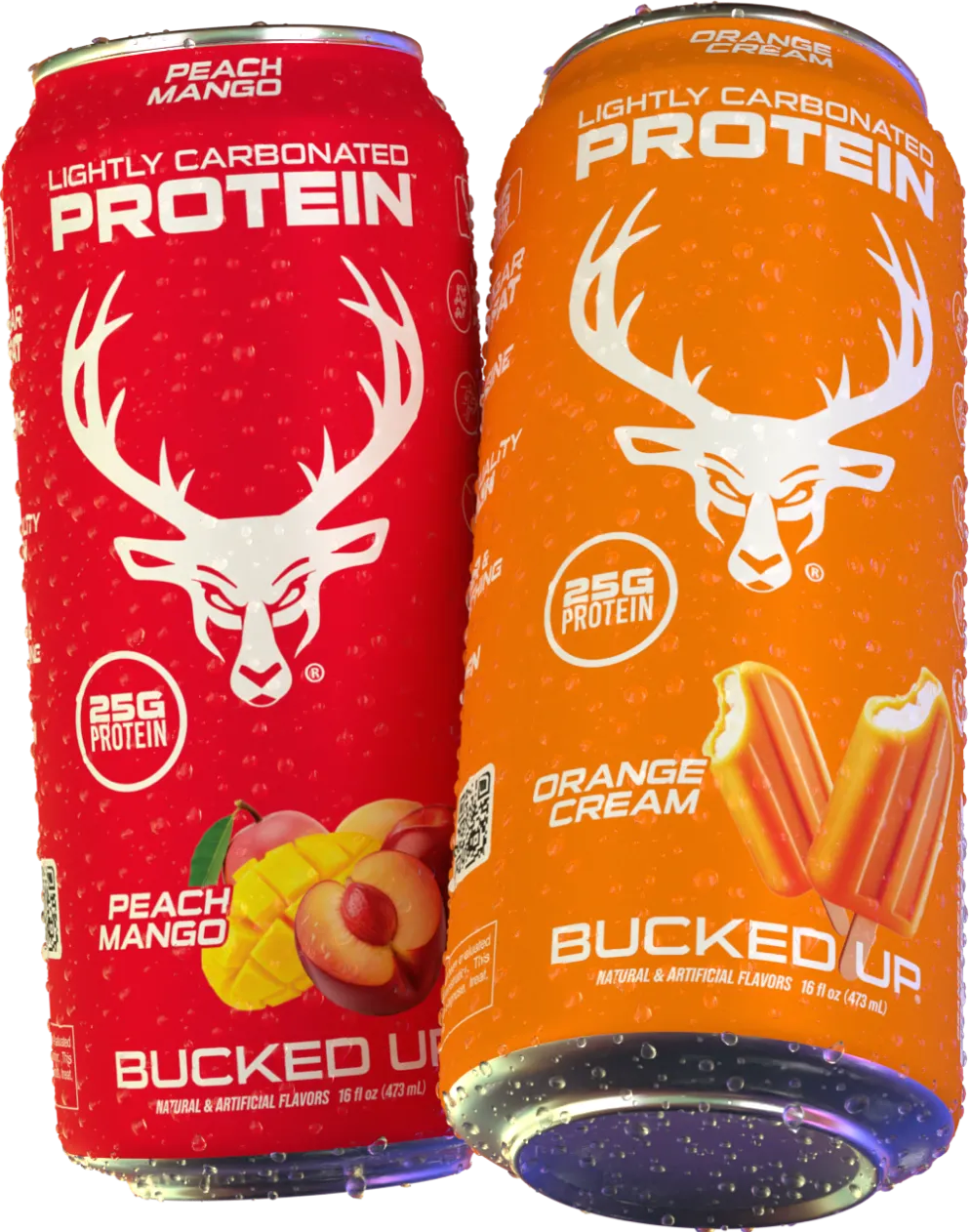
- Consider Bucked Up Protein Soda for 25 g whey isolate in a refreshing, 100-calorie carbonated drink.
Bucked Up Protein Soda: Clear, Carbonated Whey Isolate
Bucked Up Protein Soda delivers a lightly carbonated, clear protein drink with 25 g of whey protein isolate in just 100 calories. The caffeine-free formula tastes similar to an energy drink while providing zero sugar and zero carbs. Whey protein isolate undergoes additional filtration to reach over 90% protein by weight with very low lactose content.
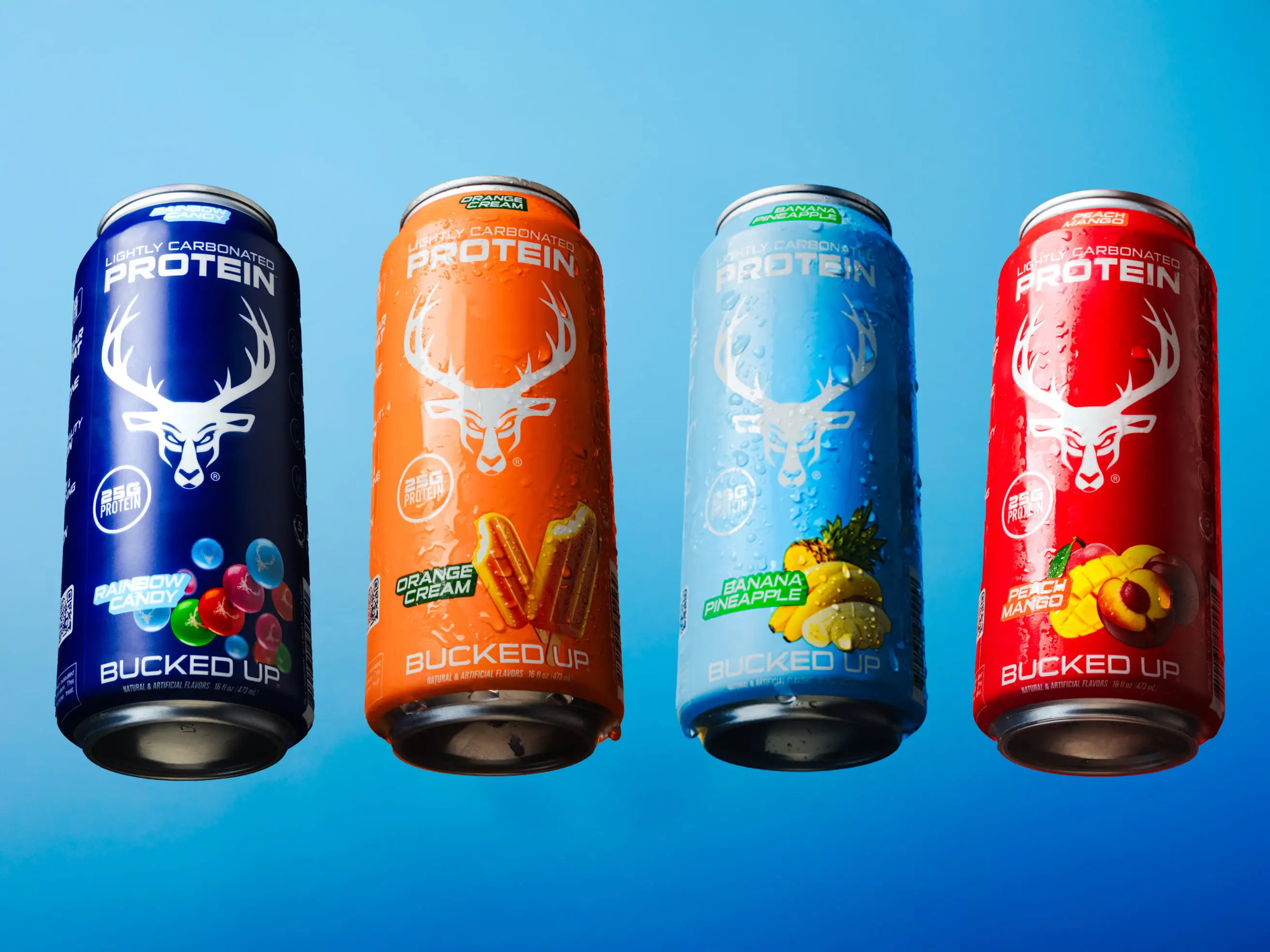
The advanced filtration process removes nearly all lactose, fat, and many unnecessary additives while preserving a complete amino acid profile. For GLP-1 users who need to hit the higher protein targets mentioned earlier, this light, refreshing format helps during appetite suppression and supports easier digestion.1
Shoppers can find Bucked Up Protein Soda on Amazon, and it is manufactured in GMP-certified facilities with keto and paleo compatibility. Try Bucked Up Protein Soda today.
Plant-Based Lactose-Free Shakes: Koia, OWYN, Evolve
Koia Dairy-Free Protein Shakes use plant-based protein blends to provide smooth, convenient nutrition without dairy-related bloating. Koia’s Elite line relies on pea protein for concentrated plant-based nutrition. The Elite Chocolate flavor offers 32 g protein, about 210 calories per 12 fl oz bottle, and 13 g total carbohydrates with 4 g added sugars per 12 oz serving.
OWYN (Only What You Need) focuses on allergen-friendly formulas that use pea protein, pumpkin seed protein, and flaxseed. Their ready-to-drink shakes usually provide 20 g protein per serving with minimal processing and short, recognizable ingredient lists.
Evolve Plant-Based Protein Shakes combine pea protein with natural flavors and deliver about 20 g protein per serving. Each shake contains 17 g total carbohydrates and 4 g total sugars per serving. These plant-based choices suit people avoiding all animal products while still staying lactose-free.
| Brand | Protein (g) | Calories | Carbs/Sugar (g) |
|---|---|---|---|
| Koia Elite | 32 | 210 | 13/4 |
| OWYN | 20 | 180 | 8/4 |
| Evolve | 20 | 140 | 17/4 |
If your main goal is avoiding animal products, these plant-based shakes offer lactose-free protein with varied calorie and carb profiles.
Lactose-Free Shakes for Weight Loss and GLP-1 Users: Slate, Rebbl
Slate Milk provides lactose-free chocolate milk with 20 g protein and 1 g sugar per serving through ultra-filtered milk processing. The calorie count is higher than many isolate-based drinks, yet the familiar chocolate milk taste can help users who are transitioning from regular dairy.
Rebbl Protein Shakes introduced 26 g protein ready-to-drink shakes using upcycled barley protein in October 2024. These shakes highlight plant-based innovation and come in chocolate, vanilla, and cookies & crème flavors.
GLP-1 users can experience 25–40% muscle loss during weight reduction, so these lower-calorie options help support protein intake without adding many extra calories. Bucked Up’s 100-calorie profile with 25 g protein can stand out for appetite-suppressed individuals who want a lighter-feeling drink.
Low-Calorie Lactose-Free Staples: Premier Protein, Muscle Milk
Premier Protein offers 30 g protein in 160 calories using a blend of milk protein concentrate and calcium caseinate. The brand markets these shakes as lactose-free, although processing can leave trace amounts that may still bother people with very high sensitivity.
Muscle Milk Pro Series provides 40 g protein in 230 calories. The higher calorie content may not align with strict weight management plans, yet it can work for users who need more total energy. The formula combines milk proteins with added lactase enzyme to reduce lactose content.
These mainstream options appear in many grocery stores, warehouse clubs, and convenience outlets, which makes them easy to find for most shoppers.
Carbonated Protein Innovation: Bucked Up
Carbonated protein drinks create a lighter experience for people who dislike thick shakes, especially when appetite is low. Bucked Up fills this gap with a carbonated protein option that aligns with NielsenIQ’s Expo West 2026 findings on protein moving into clear, high-clarity beverages. The lightly carbonated format offers a crisp, refreshing feel instead of a heavy, creamy texture.
Whey protein isolate absorbs more quickly than concentrate because it contains less fat and lactose. This faster absorption can help after workouts or during calorie restriction when every gram of protein matters.1
This type of drink supports the growing demand for convenient ready-to-drink protein, and RTD protein supplement segments are projected to grow at a 7.70% CAGR from 2026 to 2031. Experience carbonated protein for yourself.
Fairlife Protein Shakes and Lactose Content
Fairlife Core Power uses ultra-filtration to lower lactose content significantly, and most varieties contain less than 1 g lactose per serving. The ultra-filtration process concentrates protein while removing much of the naturally occurring lactose in milk.
Whey protein isolate achieves the minimal lactose content noted earlier through its additional filtration steps. People with severe lactose sensitivity may find that pure isolate formulations like Bucked Up provide more consistent tolerance than standard dairy-based shakes.
Whey Isolate vs Concentrate for Lactose Sensitivity
The lactose difference between concentrate and isolate mentioned earlier comes from extra filtration processes such as ion exchange or cross-flow microfiltration. These steps remove more lactose and fat from isolate.
Concentrate contains more lactose than isolate and can cause bloating or discomfort for lactose-sensitive users, while isolate is often better tolerated. The 90%+ protein density in isolates also supports precise macro tracking for people who monitor calories closely.1
How to Choose a Lactose-Free RTD Protein Shake
Start by prioritizing whey protein isolate over concentrate when you want maximum lactose reduction and faster absorption, which can reduce digestive discomfort.1 After confirming the protein source, narrow your list to products with under 150 calories and zero added sugars if weight management is a priority. Within that filtered group, factor in taste and texture, since carbonated options like Bucked Up feel lighter than thick, creamy shakes.
Once you have a shortlist that fits your nutrition and taste needs, check availability at your usual retailers such as Walmart or Amazon so you can restock easily. Kate Farms expanded to Walmart stores in November 2025, targeting GLP-1 users and everyday health shoppers, which shows how specialized protein products are moving into mainstream channels.
For post-workout use, drink your shake within about 90 minutes of exercise to support muscle protein synthesis during a calorie deficit.1 To prevent the significant muscle loss discussed earlier, spread your daily protein across three to four meals or snacks instead of relying on a single large serving.1
Frequently Asked Questions
Which premade protein shakes are lactose-free?
Most plant-based shakes such as Koia, OWYN, and Evolve are naturally lactose-free. Among dairy-based options, Bucked Up Protein Soda uses whey protein isolate with very low lactose content, and Fairlife relies on ultra-filtration to reduce lactose. Premier Protein and Core Power also offer lactose-free or low-lactose formulations, although the exact processing methods differ by brand.
What is a good protein shake if you are lactose-intolerant?
Bucked Up Protein Soda provides 25 g whey protein isolate in a clear, carbonated drink that contains minimal lactose. The light texture avoids the heavy mouthfeel of many traditional shakes while still delivering a complete amino acid profile. Plant-based options like Koia offer fully dairy-free choices, though their amino acid patterns differ from whey.
Can you take protein shakes while on tirzepatide?
Protein shakes can help tirzepatide users protect muscle while losing weight.1 Research often recommends 1.2–2.0 g protein per 2.2 lbs of body weight daily, split across several meals or snacks. Light, easy-to-drink options such as carbonated protein sodas suit appetite-suppressed users by supplying essential amino acids without feeling overly filling.
Are Fairlife protein shakes actually lactose-free?
Fairlife uses ultra-filtration to cut lactose to under 1 g per serving in most flavors, which makes these shakes low in lactose. They are not completely lactose-free like plant-based products, yet many lactose-sensitive people tolerate them well. Those with very severe intolerance may still prefer pure isolate drinks or fully plant-based alternatives.
Best lactose-free ready-to-drink protein shakes at Walmart?
Walmart typically stocks Premier Protein, Fairlife Core Power, Muscle Milk, and several plant-based lines such as Koia. Selection varies by store, and many locations now include products designed with GLP-1 users in mind. Ordering through Walmart.com can expand access to lactose-free options, including newer choices like carbonated protein sodas.
Conclusion: Matching Lactose-Free Shakes to Your Goals
Lactose-free ready-to-drink protein shakes now cover a wide range of tastes, ingredients, and calorie levels. Bucked Up Protein Soda adds a distinct option with its carbonated, clear format that delivers 25 g whey protein isolate in just 100 calories. This lighter, refreshing drink can ease digestive concerns while supporting muscle preservation for GLP-1 users and active individuals.1 Get Bucked Up Protein Soda and discover a different way to hit your protein goals.
1 The content provided in this article is for informational purposes only and is not medical advice. Consult with a medical professional before implementing any changes to your diet, health, or exercise routines.
Individual results will vary and are based on a combination of each individual’s diet, exercise, age, and health circumstances.
These statements have not been evaluated by the Food and Drug Administration. This product is not intended to diagnose, treat, cure or prevent any disease.
This article was written by Ryan Gardner, CEO of Bucked Up. As the maker of Bucked Up Protein Soda, we have a financial interest in this information. The views expressed are our own and should be read with that context in mind.