Last updated: April 22, 2026
Key Takeaways
- Most lactose-intolerant individuals can safely use clear whey drinks made with whey protein isolate, which contains only 0.1-2.6% lactose.1
- People on GLP-1 medications often need 1.2-2.0g of protein per kg of body weight daily to help protect muscle during weight loss.1
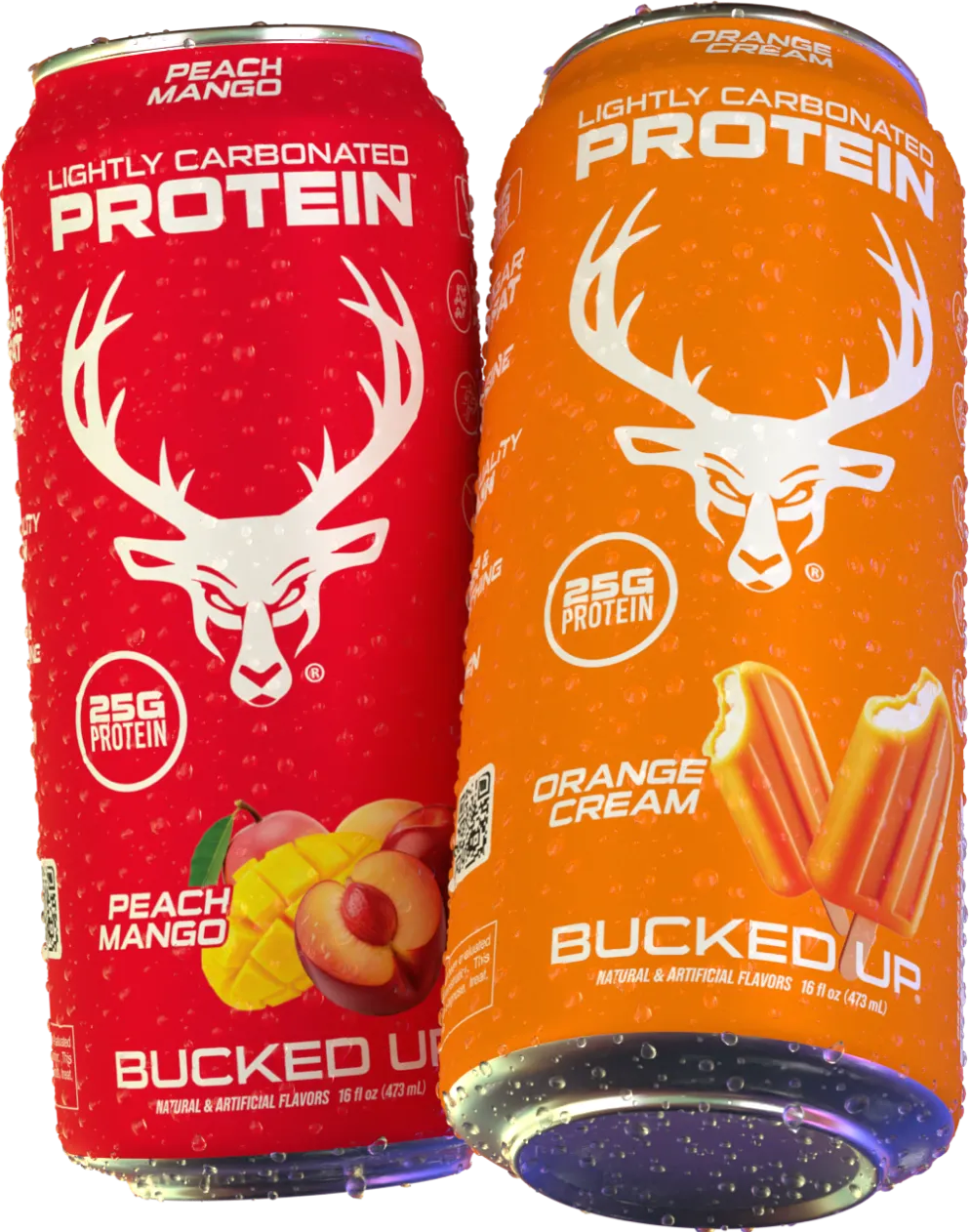
- Bucked Up Protein Soda offers a ready-to-drink option with 25g whey isolate, 100 calories, zero sugar or carbs, and a carbonated format.
- Clear whey isolate absorbs faster than concentrates and often feels lighter on the stomach, which can support daily use without bloating.1
- Consider this refreshing protein soda if you want a lactose-free, clear whey option that fits GLP-1 users and active lifestyles.
Clear Whey Protein and Lactose Intolerance
Most lactose-intolerant individuals can usually tolerate clear whey protein drinks made with whey protein isolate.1 Whey protein isolate powders contain lactose levels ranging from 0.1% to 2.6% w/w, which is much lower than typical whey protein concentrates. This low lactose content makes isolate a practical choice for many people with lactose intolerance and often results in fewer digestive issues than regular whey protein.1 Always confirm that the label lists “whey protein isolate” rather than concentrate or proprietary blends.
Protein Support for GLP-1 and Tirzepatide Users
Light, easy-to-drink protein options can help GLP-1 users protect muscle while losing weight.1 During rapid weight loss, up to 25–40% of total weight lost can come from lean mass, including muscle. Patients taking GLP-1 receptor agonists are often advised to aim for 1.2-2.0 grams of protein per kilogram of body weight daily to support muscle preservation.1 Bucked Up Protein Soda provides 25g of whey isolate in 100 calories in a soda-style drink that can feel appealing when appetite is reduced.
With these needs in mind, low-lactose, high-protein, and easy-to-digest options become especially useful for both GLP-1 users and people with lactose intolerance.1
The 7 Lactose-Friendly Clear Whey Protein Options for 2026
1. Bucked Up Protein Soda: Carbonated Ready-to-Drink Isolate
Bucked Up Protein Soda is a carbonated clear whey drink that uses 100% whey protein isolate with no lactose, sugar, or carbs listed on the label. Each can provides 25g of protein and 100 calories in a refreshing, caffeine-free soda format. This structure can work well for people who dislike thick shakes or have a lower appetite.
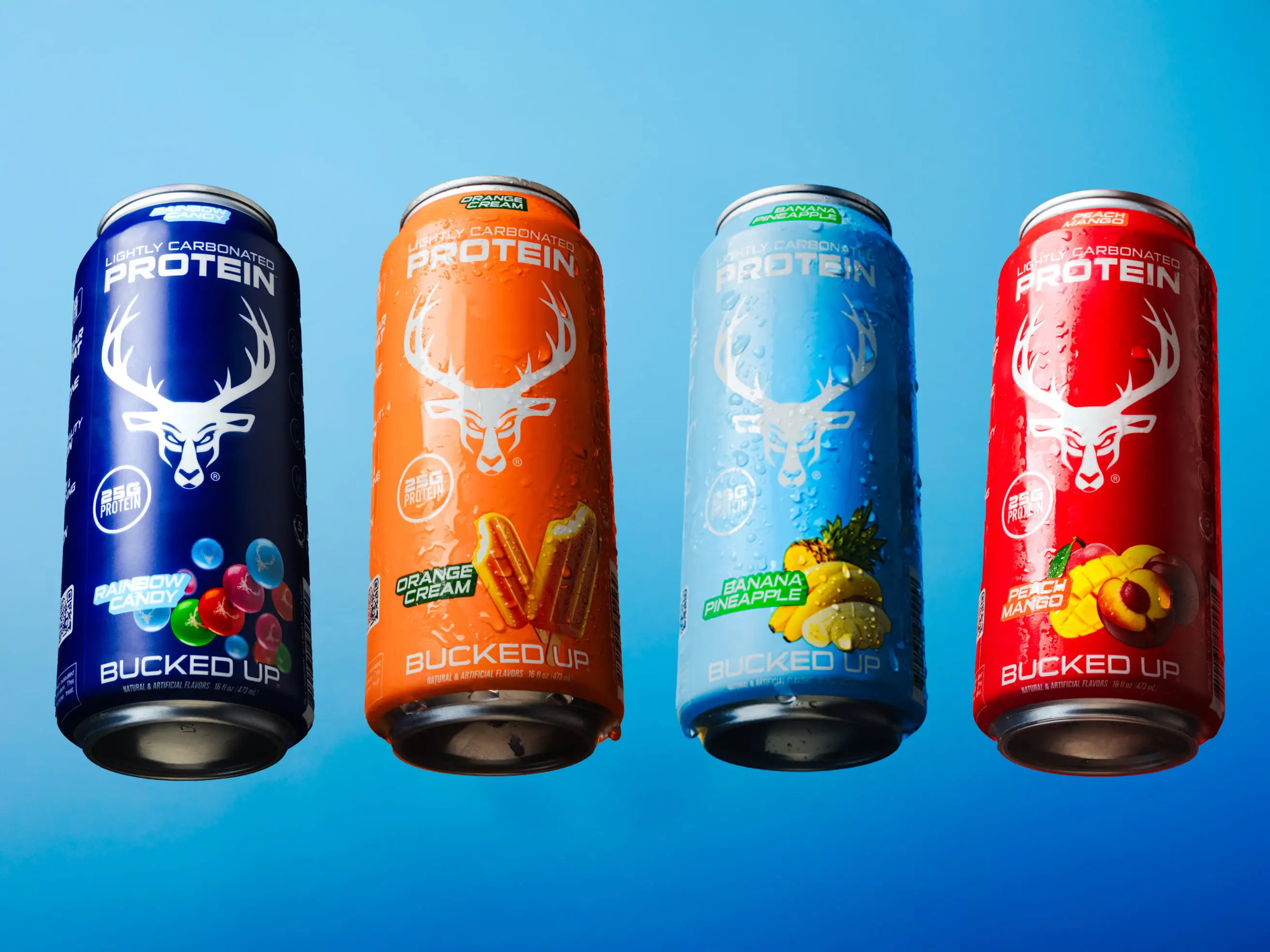
The table below highlights the main nutrition and format details that matter for lactose-sensitive and GLP-1 users:
| Ingredient | Amount | Notes |
|---|---|---|
| Whey Protein Isolate | 25g | Clear whey isolate, formulated without lactose |
| Calories | 100 | Zero sugar and zero carbs listed |
| Carbonation | Light | Caffeine-free, soda-like experience |
Pros: Tastes similar to an energy drink without a chalky finish, suitable for GLP-1 users, carbonated ready-to-drink format, and clear ingredient labeling. Cons: Newer product line with a smaller flavor range than long-standing brands.
Try this carbonated protein option if you want a lactose-free clear whey drink in a grab-and-go can.
2. Isopure Clear Whey: Isolate-Based Drink
Isopure offers clear whey protein drinks that use whey protein isolate, which supports lactose-sensitive users.1 These products are designed as ready-to-drink or mixable options with transparent labeling around protein content. Quality isolate products from established brands can contain around 0.1g of lactose per serving, which many lactose-intolerant individuals tolerate well.
Typical specs (check label for exact values): about 20–25g protein per serving, low calories, and a clear, juice-like texture rather than a creamy shake.
3. Ryse Clear Protein: Isolate Powder to Mix
Ryse produces clear whey protein products that rely on isolate-based formulas. These products usually come as powders that you mix with water, which gives flexibility in serving size and flavor strength. The ingredient lists highlight whey isolate and flavoring, and the drinks mix into a light, translucent beverage.
Typical specs (per serving, label-dependent): roughly 20–25g protein, low sugar, and a non-creamy, flavored-water style texture. The tradeoff is the need for a shaker or bottle instead of a ready-to-drink can.
4. Myprotein Clear Whey “Splash Of”: Juice-Style Isolate
In July 2025, The Hut Group launched Myprotein Clear Whey “Splash Of,” a juice-style clear whey protein isolate product that delivers 20g of protein per serving with under 90 calories. This option mixes into a light, fruit-style drink rather than a thick shake.
Key points: 20g protein, under 90 calories per serving, and a powder format that requires mixing. It does not offer carbonation, so it suits people who prefer still drinks.
5. Optimum Nutrition Gold Standard Isolate: Low-Fat Powder
Optimum Nutrition’s Gold Standard 100% Isolate uses ultra-filtration to remove excess fat, cholesterol, and sugars, resulting in 25g protein with 0.5g total fat and 1g carbohydrates per serving. This product is a traditional powder that you mix with water or other liquids.
Key points: 25g protein per serving, very low fat and carbs, and a non-carbonated format. It offers a familiar shake-style experience rather than a clear soda or juice.
6. Naked Whey Isolate: Minimal-Ingredient Powder
Naked Nutrition’s Grass Fed Whey Isolate contains about 0.1g of lactose per serving while delivering 30g of protein. The formula focuses on minimal ingredients and avoids added sugars and fillers.
Key points: 30g protein per serving, very low lactose, and a powder format that needs mixing. It works well for people who prioritize simple ingredient lists and do not need a ready-to-drink can.
7. Hilmar Clear Protein Solutions: Ingredient Supplier for RTDs
Hilmar 9020, a 92.7% whey protein isolate, offers high clarity, good dispersibility with low foam, clean flavor, and stability in low-pH ready-to-drink clear protein beverages. Manufacturers use this ingredient to create their own clear protein drinks.
Key points: 92.7% whey protein isolate as an ingredient, designed for clear RTD formulations, but not sold directly as a consumer-ready drink. It matters mainly if you are evaluating how certain clear protein beverages are formulated.
Isolate vs. Concentrate: Choosing for Sensitive Digestion
Lactose-sensitive individuals usually benefit from knowing the difference between whey protein isolate and concentrate. The main distinction lies in processing: isolate goes through extra filtration that removes more fats, carbohydrates, and most lactose. These removed components often cause digestive discomfort in people with lactose intolerance.
Clear whey protein isolate absorbs faster than regular whey protein, delivering amino acids quickly to muscles while reducing the chance of gastrointestinal discomfort.1 This faster absorption and lower lactose content make isolate a strong fit for clear protein drinks and for users who want a lighter-feeling option.1 When comparing products, look for “whey protein isolate” on the label if you prioritize digestibility and quick absorption.
Market Growth and Innovation in Clear Whey Drinks
Rising interest in clear whey isolate is reshaping the protein supplement market. The global clear whey isolate market grew from $6.3 billion in 2025 to $6.7 billion in 2026 at a compound annual growth rate of 6.3%, with projections reaching $8.5 billion by 2030. Mintel reports that high-protein claims have increased in US drink launches in recent years, which reflects this shift toward higher-protein beverages.
Demand for whey protein has surged due to higher protein diets, ready-to-drink shakes, protein-fortified foods, and GLP-1 receptor agonists. These trends together place pressure on whey supply and encourage brands to create convenient, high-quality options. In this environment, innovative ready-to-drink choices such as Bucked Up’s carbonated protein soda can give consumers another way to meet protein goals without relying only on traditional shakes.
Conclusion: Finding a Lactose-Friendly Clear Whey Drink
Lactose-friendly clear whey protein drinks give GLP-1 users and lactose-sensitive individuals a practical way to reach daily protein targets. Bucked Up Protein Soda combines 100% whey protein isolate, a carbonated soda-style format, and clear labeling to offer one such option. Explore Bucked Up’s lactose-free clear whey soda if you want a ready-to-drink can instead of a mixable powder.
Frequently Asked Questions
Is Isopure clear protein lactose free?
Isopure clear protein products that use whey protein isolate are formulated to be lactose-free for most users. These products fall within the minimal lactose range discussed earlier, which makes isolate suitable for many lactose-intolerant individuals. Always check the specific product label to confirm that it uses whey protein isolate and does not include concentrate-based blends.
What protein type works well for people on tirzepatide?
Easily digestible whey protein isolate in a ready-to-drink format often works well for people using tirzepatide. Bucked Up Protein Soda offers 25g of whey isolate in a light, carbonated beverage that can feel easier to finish when appetite is low. This serving size helps users move toward the 1.2-2.0 grams of protein per kilogram of body weight daily guideline that supports muscle preservation.
How much protein should I consume daily on GLP-1 medications?
Individuals on GLP-1 medications are often advised to follow the 1.2-2.0 grams of protein per kilogram of body weight daily guideline to help prevent muscle loss.1 For a 154-pound person, this equals approximately 84-140 grams of protein per day. Spreading this intake across meals, with about 20-30 grams per serving, can support muscle protein synthesis more effectively than one large dose.
Are clear whey protein drinks better than traditional protein shakes?
Clear whey protein drinks offer a different experience than traditional shakes rather than a universal upgrade. They often provide faster absorption, lighter mouthfeel, and better tolerance for many lactose-sensitive individuals.1 The hydrolyzed or highly filtered isolate in clear proteins supports rapid amino acid delivery to muscles, which can be useful after workouts and for convenient daily protein intake.1 Traditional shakes may feel more filling, while clear drinks tend to feel lighter and more refreshing.
Can I drink clear whey protein every day?
Most people can drink clear whey protein made with isolate every day as part of a balanced eating pattern. These drinks supply high-quality complete protein with very little lactose, which supports regular use for many lactose-intolerant individuals. Whole food protein sources such as meat, eggs, dairy alternatives, and legumes should still form the base of your diet, while clear whey drinks can fill gaps and help you reach your daily protein target.
1 The content provided in this article is for informational purposes only and is not medical advice. Consult with a medical professional before implementing any changes to your diet, health, or exercise routines.
Individual results will vary and are based on a combination of each individual’s diet, exercise, age, and health circumstances.
These statements have not been evaluated by the Food and Drug Administration. This product is not intended to diagnose, treat, cure or prevent any disease.
This article was written by Ryan Gardner, CEO of Bucked Up. As the maker of Bucked Up Protein Soda, we have a financial interest in this information. The views expressed are our own and should be read with that context in mind.