Last updated: April 22, 2026
Key Takeaways for GLP-1 Protein Support
- GLP-1 medications like Ozempic can cause 20–40% of total weight loss to come from lean muscle, so many adults benefit from 90–120g of daily protein to support preservation.1
- Whey protein isolate can work well for GLP-1 users because it has more than 90% protein, less than 1% lactose, and absorbs at about 8–10g per hour with less bloating for many people.1
- Liquid protein drinks often bypass appetite suppression and slow gastric emptying, so they can outperform solid foods for consistent protein intake.1
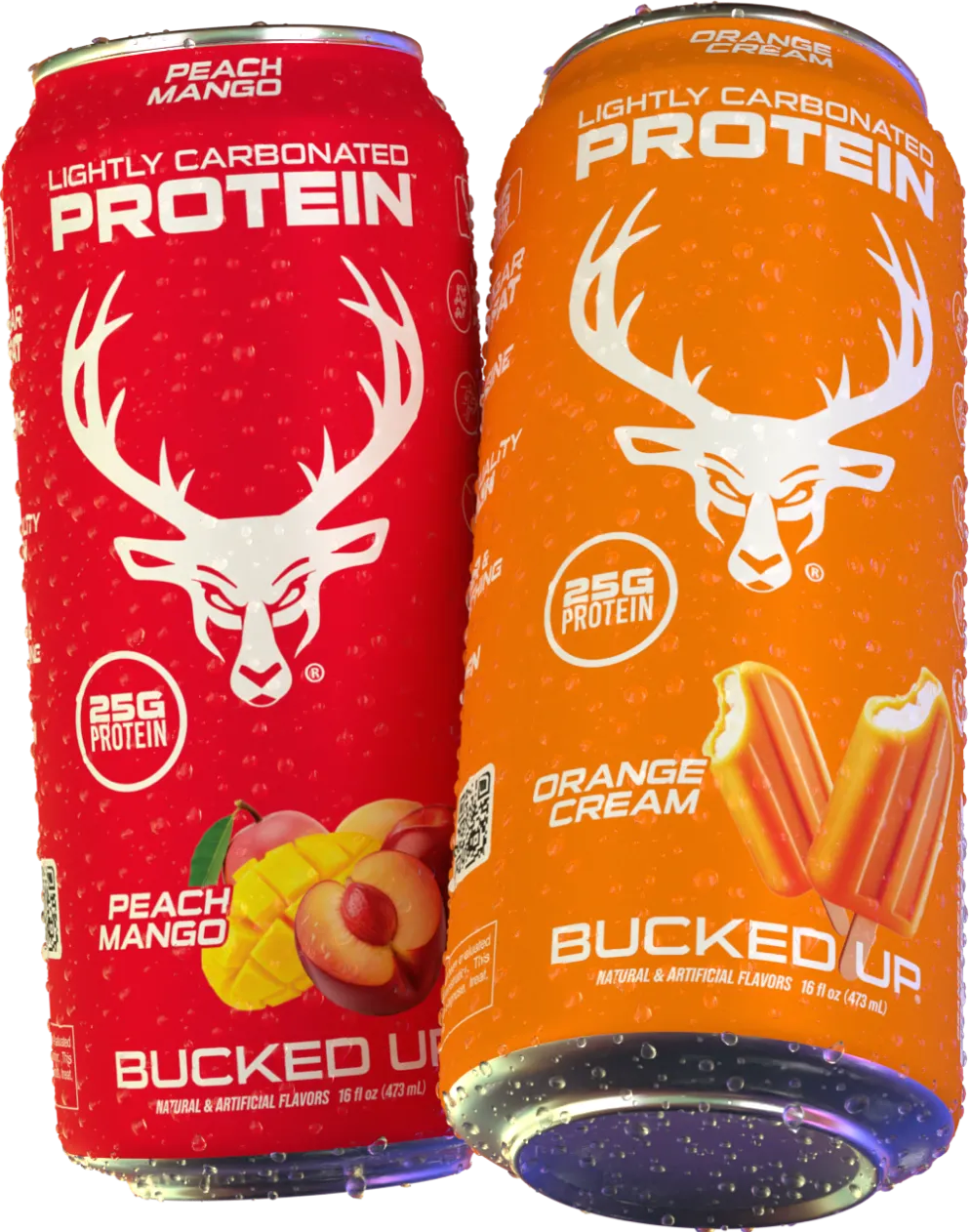
- Among the options in this guide, Bucked Up Protein Soda stands out with 25g whey isolate, 100 calories, and 0g sugar or carbs in a refreshing carbonated format.
- Shop Bucked Up Protein Soda today as an easy-digest option that can support muscle retention during GLP-1 therapy.1
Why GLP-1 Users Benefit from Easy-Digest Liquid Protein
GLP-1 receptor agonists reduce appetite and slow gastric emptying, which creates specific nutritional challenges. Studies show that 20–40% of weight lost on these therapies can come from lean mass, especially with low protein intake. A significant share of weight loss can therefore come from muscle rather than fat when protein intake stays low.
This muscle loss happens because the body cannot store protein like it stores fat. Smaller meals, stronger fullness signals, and protein aversion make it harder to eat enough protein from regular food.
Patients on GLP-1 medications often tolerate liquid protein sources better than solid foods due to reduced appetite, slower gastric emptying, and quicker fullness. Ready-to-drink protein beverages therefore become a practical tool for hitting daily protein goals when large meals feel uncomfortable.
Among liquid protein options, whey protein isolate offers specific advantages for many GLP-1 users. Whey protein isolate contains at least 90% protein on a dry matter basis with less than 1% lactose, which supports easier digestion for people with sensitive stomachs or gut motility issues.1 This purity matters because, unlike whey concentrate that contains 10–20% fats and carbohydrates that require more digestion, isolate needs less stomach breakdown. As a result, it is assimilated into the bloodstream at approximately 8 to 10 grams per hour, which can feel more comfortable for GLP-1 users with slowed gastric emptying.1
Top 7 Liquid Protein Drinks for Easier GLP-1 Digestion
1. Bucked Up Protein Soda: Clear Whey Isolate in a Carbonated Format
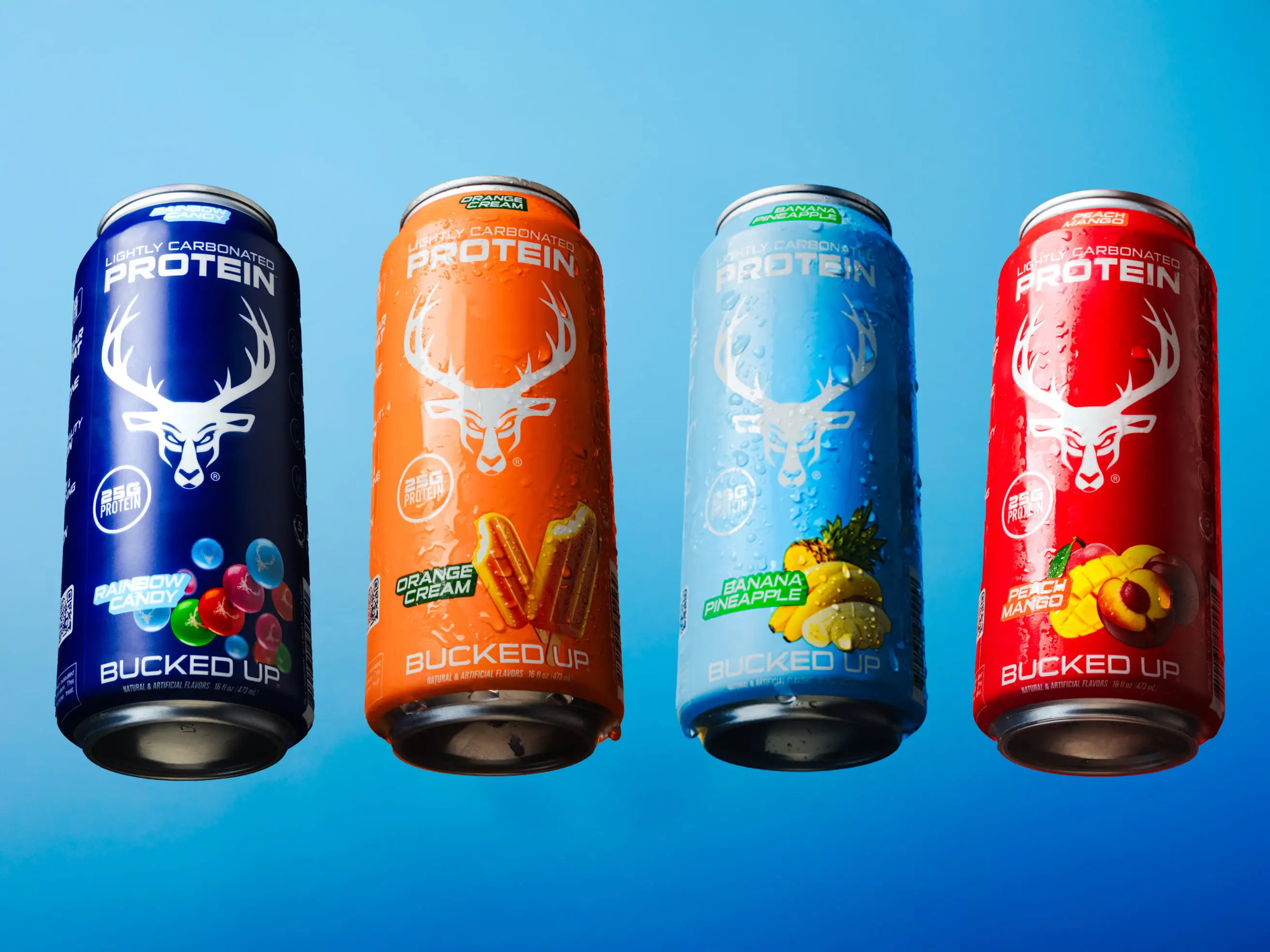
Bucked Up Protein Soda can stand out for GLP-1 users who want easy digestion without a heavy shake. This lightly carbonated beverage delivers 25g of 100% whey protein isolate in just 100 calories with zero sugar and zero carbs. The carbonated, clear format removes the thick, milky texture that often causes digestive discomfort, and the caffeine-free formulation makes it suitable at any time of day.
| Protein | Calories | Sugar/Carbs | Type |
|---|---|---|---|
| 25g | 100 | 0g/0g | Whey Isolate |
The clear, crisp taste feels closer to an energy drink than a traditional shake. The pure isolate formulation supports rapid absorption while avoiding the lactose and higher fat content that can trigger bloating in sensitive individuals.1
2. Premier Protein: High Protein Blend with Thicker Texture
Premier Protein provides 30g of protein in 160 calories with 1g sugar. It uses a blend that contains a mix of milk protein concentrate, calcium caseinate, and whey protein concentrate. This blend can feel heavier and may be harder to digest for some GLP-1 users who already experience gastroparesis or prolonged fullness.
| Protein | Calories | Sugar/Carbs | Type |
|---|---|---|---|
| 30g | 160 | 1g/4g | Milk Protein Blend |
3. Fairlife Core Power: Lactose-Free Milk Protein
Core Power offers 26g of protein from ultrafiltered milk in 170 calories. Core Power has 4g sugar and 4.6g total carbohydrates per 236.6g serving. The lactose-free formulation can support digestibility for people sensitive to lactose, although the thicker, creamy consistency may still feel challenging for some GLP-1 users.
| Protein | Calories | Sugar/Carbs | Type |
|---|---|---|---|
| 26g | 170 | 4g/4.6g | Milk Protein |
4. Orgain Organic Protein: Plant-Based Option with Higher Carbs
Orgain Organic Protein™ Protein Powder has 150 calories per 2 scoops (46g) serving and offers 21g of plant-based protein. Plant proteins can support those avoiding dairy, although they often do not absorb as quickly as whey isolate for muscle preservation during GLP-1 therapy. The organic protein nutritional shake has 1g sugar and 8g carbs, which may matter for users watching carbohydrate intake.
| Protein | Calories | Sugar/Carbs | Type |
|---|---|---|---|
| 21g | 150 | 1g/8g | Plant Blend |
5. Muscle Milk: Higher Fat Milk Protein Blend
CytoSport’s Muscle Milk Protein Chocolate provides 25g of protein per 54g serving and includes a higher fat content that can slow digestion for GLP-1 users with delayed gastric emptying. Genuine Muscle Milk Protein Shake Chocolate has 3g sugar and 8g total carbs per 330 ml serving. Users who already feel full for long periods may want to consider how this richer profile affects comfort.
| Protein | Calories | Sugar/Carbs | Type |
|---|---|---|---|
| 25g | Varies | 3g/8g | Milk Protein Blend |
6. OWYN: Allergen-Friendly Plant Protein
OWYN delivers 20g of plant-based protein in a dairy-free format. The OWYN Vanilla High Protein Complete Nutrition Shake has 180 calories per serving. The allergen-free formula can appeal to those with multiple sensitivities, although the 20g protein content may fall below the ideal range for many GLP-1 users aiming for higher per-serving protein to support muscle.
| Protein | Calories | Sugar/Carbs | Type |
|---|---|---|---|
| 20g | 180 | 4g/8g | Plant Blend |
7. Core Nutrition: Whey Isolate with Lower Sugar
Core Nutrition provides 26g of protein with low sugar and carbohydrate content. The whey isolate base supports good digestibility for many users who want a more traditional shake texture while still limiting lactose and fats.
| Protein | Calories | Sugar/Carbs | Type |
|---|---|---|---|
| 26g | Low | Minimal | Whey Isolate |
Protein Shakes That Help Reduce Bloating on GLP-1
Bloating often affects GLP-1 users because gastric emptying slows and food stays in the stomach longer. Whey protein isolate-based products cause less bloating because they contain virtually no fat and less than 1% lactose.1 Choosing products with simple ingredient lists and sipping them slowly can better match reduced gastric motility and support comfort.
Practical Tips for Protein Intake on Tirzepatide and Ozempic
Experts recommend targeting 25–40 grams of protein at every meal to help preserve muscle.1 Since GLP-1 medications often reduce both meal size and meal frequency, liquid protein drinks become a convenient way to reach these per-meal targets.
Caffeine-free options like Bucked Up Protein Soda can fit into mornings, afternoons, or evenings without affecting sleep or adding extra stomach irritation. Users can pair these drinks with smaller meals or snacks to raise total daily protein without relying on large portions of solid food.
Hydration also plays a key role when increasing protein intake on GLP-1 medications. The carbonated format of protein sodas can support fluid intake while delivering essential amino acids. Distributing protein evenly throughout the day improves tolerance and absorption, so ready-to-drink options work well for spacing protein across several smaller servings.1
Frequently Asked Questions About GLP-1 and Protein Drinks
What is the difference between whey isolate and whey concentrate?
Whey protein isolate goes through more rigorous filtration, which removes most of the fat and lactose while concentrating the protein. This process creates a powder with very high protein content and fewer components that commonly cause digestive issues. Dry whey protein concentrate contains 25% to 89.9% protein, and the remaining portion includes 10–20% fats and carbohydrates. For GLP-1 users with digestive sensitivity, isolate often offers better tolerability and faster absorption with less bloating potential than concentrate.1
Does Bucked Up Protein Soda taste like a traditional protein shake?
Bucked Up Protein Soda does not taste like a traditional thick protein shake. It tastes more like a crisp, refreshing energy drink without a milky mouthfeel or chalky residue. The light carbonation helps remove the heavy texture that many people dislike in standard shakes.
Is it safe to drink protein sodas daily while on GLP-1 medications?
Protein sodas like Bucked Up can be safe for daily use for many people and can serve as a helpful tool for meeting protein goals on GLP-1 medications. The caffeine-free, zero-sugar formulation does not typically interfere with medication effectiveness or add extra digestive stress. Each person’s situation is different, so consult your healthcare provider about your specific nutritional needs and any diet changes during GLP-1 therapy.
How much protein do I need daily on GLP-1 medications?
Many experts suggest 1.2–1.6 grams of protein per kilogram of body weight daily for GLP-1 users, which often equals roughly 90–120 grams per day for many adults. This higher intake supports muscle preservation during rapid weight loss.1 Liquid protein drinks usually provide 25–30 grams per serving, which makes it easier to reach daily targets when solid food intake drops.
Can protein sodas help with GLP-1 side effects like nausea?
The light, carbonated format of protein sodas can feel more tolerable than heavy shakes during periods of nausea or low appetite. The clear, non-milky texture and refreshing taste can make it easier to drink enough protein when solid foods seem unappealing. Faster absorption of whey isolate also means the drink spends less time in the stomach, which may reduce discomfort for some users.1
1 The content provided in this article is for informational purposes only and is not medical advice. Consult with a medical professional before implementing any changes to your diet, health, or exercise routines.
Individual results will vary and are based on a combination of each individual’s diet, exercise, age, and health circumstances.
These statements have not been evaluated by the Food and Drug Administration. This product is not intended to diagnose, treat, cure or prevent any disease.
This article was written by Ryan Gardner, CEO of Bucked Up. As the maker of Bucked Up Protein Soda, we have a financial interest in this information. The views expressed are our own and should be read with that context in mind.