Last updated: April 22, 2026
Key Takeaways
- GLP-1 medications like Ozempic can lead to 25–40% lean mass loss, so higher daily protein intake helps preserve muscle.1
- Low-calorie liquid proteins (under 120 calories with 20 grams or more of protein) work well when nausea and low appetite limit solid food.1
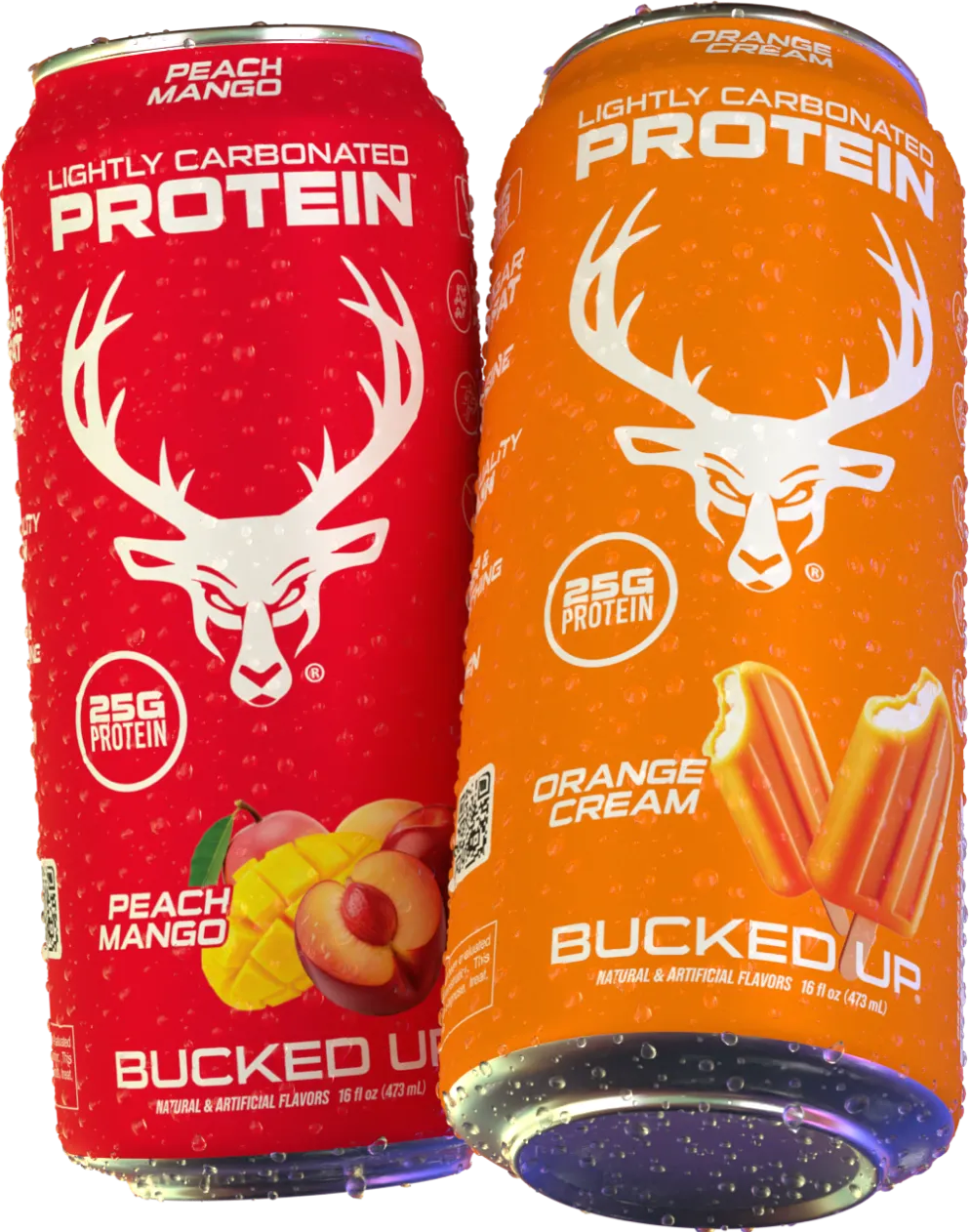
- Bucked Up Protein Soda delivers the highest protein-to-calorie ratio in this comparison, providing 32% more protein per calorie than the next option.
- Whey isolate typically digests faster than concentrates, contains less lactose, and often feels gentler on the stomach for many GLP-1 users.1
- Bucked Up Protein Soda offers carbonated, nausea-friendly protein support that can help maintain muscle during weight loss.1
Why Protein Matters on GLP-1 Therapy
Researchers propose higher protein intake during active weight reduction with GLP-1 therapy, though they still debate whether to base goals on actual body weight, adjusted body weight, or fat-free mass. Meeting these higher protein targets becomes difficult when GLP-1 medications suppress appetite and trigger nausea, so liquid proteins often feel easier to tolerate than solid foods during early satiety episodes.1 The key criteria for GLP-1-friendly liquid protein include at least 0.20 grams of protein per calorie, whey isolate for quicker digestion, and lighter textures that are less likely to cause stomach discomfort.1
The table below highlights the four most efficient products by protein-to-calorie ratio. It shows how Bucked Up Protein Soda delivers 32% more protein per calorie than the next closest competitor, which can make daily protein goals more realistic when every sip counts.1
Top Options by Efficiency
| Rank | Product | Protein (g)/Calories/Ratio | Best For |
|---|---|---|---|
| 1 | Bucked Up Protein Soda | 25g/100cal/0.25 | GLP-1 nausea relief |
| 2 | Premier Protein | 30g/160cal/0.19 | High protein volume |
| 3 | Isopure Clear | 20g/~110cal/~0.18 | Clear liquid preference |
| 4 | Fairlife Core Power | 26g/170cal/0.15 | Lactose-free milk base |
Ranked List: 8 Low-Calorie Liquid Protein Options for GLP-1 Users in 2026
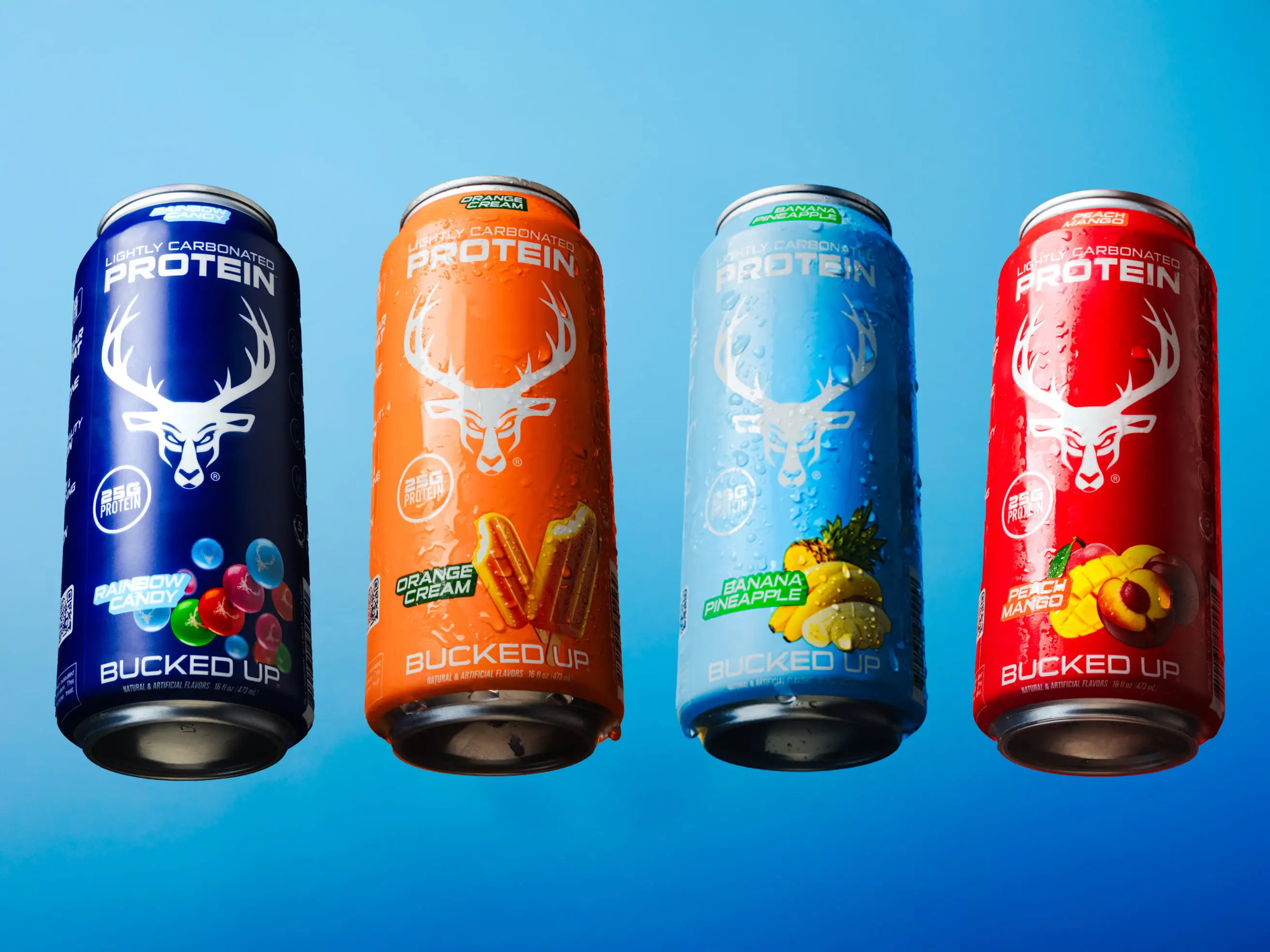
1. Bucked Up Protein Soda
Protein: 25g | Calories: 100 | Ratio: 0.25 | Type: Clear whey isolate | Sugar/Carbs: 0g/0g
Bucked Up Protein Soda uses lightly carbonated clear whey isolate technology. This filtration process removes virtually all lactose, which can support comfort for GLP-1 users with digestive sensitivity.1 The carbonated format adds a refreshing feel that many people find soothing when nausea or fullness make thicker shakes difficult.1
Pros: High protein-per-calorie ratio (0.25), carbonated support for nausea, zero sugar and carbs, energy drink style taste without caffeine, manufactured in USA GMP facilities1
Cons: Limited flavor variety, newer product with more limited shelf presence in some regions
GLP-1 Hack: Four cans provide 100 grams of protein for 400 calories, which can help you reach daily targets with less volume. Chill thoroughly and sip slowly to support nausea relief.1 Order direct from Bucked Up for the freshest product and consistent access to flavors.
2. Premier Protein
Protein: 30g | Calories: 160 | Ratio: 0.19 | Type: Milk protein | Sugar/Carbs: 1g/4g
Premier Protein provides a high protein dose in a ready-to-drink carton with broad retail availability. The milk protein blend offers complete amino acids but can feel heavier than isolate-based options for some GLP-1 users with sensitive stomachs.
Pros: High protein per serving, easy to find in stores, multiple flavors, lactose-free
Cons: Lower protein efficiency than top options, thicker texture, includes concentrate instead of pure isolate
GLP-1 Hack: Pour over ice and add cold water to thin the texture, then sip over about 30 minutes to reduce fullness.
3. Isopure Clear
Protein: 20g | Calories: ~110 | Ratio: ~0.18 | Type: Whey protein isolate | Sugar/Carbs: 0g/1g
Isopure Clear delivers whey isolate in a juice-like drink that suits GLP-1 users who dislike creamy shakes. The transparent appearance and lighter mouthfeel can reduce visual and texture triggers that sometimes worsen nausea.1
Pros: Clear liquid format, whey isolate base, fruit-style flavors
Cons: Lower protein per bottle, some find the taste artificial, higher cost per gram of protein
GLP-1 Hack: Serve over ice and add citrus or berry slices to improve flavor and encourage slow sipping.
4. Fairlife Core Power
Protein: 26g | Calories: 170 per 14 fl. oz. (414 mL) serving | Ratio: 0.15 | Type: Ultra-filtered milk | Sugar/Carbs: Varies
Fairlife Core Power uses ultra-filtered milk to concentrate protein and reduce lactose content. The familiar milk taste can feel comforting, although some GLP-1 users with dairy sensitivity may still notice digestive symptoms.
Pros: Natural milk protein, good retail availability, familiar flavor profile
Cons: Contains natural sugars, dairy-based, thicker consistency that may feel heavy
GLP-1 Hack: Choose vanilla and blend with ice and fruit for a thinner smoothie that spreads protein across a longer sipping window.
5. Muscle Milk Pro Series
Protein: 50g per serving | Calories: 170 per container (330 ml) | Ratio: 0.16 | Type: Milk protein blend | Sugar/Carbs: 2g/6g
Muscle Milk Pro Series combines several protein sources to extend amino acid release over time. This blend can slow digestion compared with pure isolate, which may feel less comfortable for GLP-1 users who already experience delayed gastric emptying.
Pros: Sustained protein release, widely recognized brand, moderate calorie count
Cons: Protein blend instead of isolate, thicker shake texture, moderate efficiency compared with top-ranked options
6. Orgain Clean Protein
Protein: 20g | Calories: 130 | Ratio: 0.15 | Type: Grass Fed Dairy | Sugar/Carbs: 3g total sugars and 9g total carbohydrates per serving
Orgain uses grass-fed dairy protein with a complete amino acid profile, which supports overall protein quality. Its concentrate-based formulation and higher carbohydrate content make it less efficient than isolate options for GLP-1 users who prioritize protein density over calories.
Pros: Grass-fed dairy source, organic-focused ingredient list
Cons: Lower protein efficiency, moderate thickness, higher carbs per serving
7. Protein2o
Protein: 20g per 16.9 fl. oz. serving | Calories: 70 | Ratio: ~0.21 | Type: Whey protein isolate | Sugar/Carbs: 0g sugar and 7g carbs per bottle
Protein2o delivers whey isolate in a flavored water format with a strong protein-to-calorie ratio but moderate protein per bottle. The very light texture often appeals to GLP-1 users, although reaching daily goals usually requires several bottles.
Pros: Water-like mouthfeel, solid protein ratio, zero sugar
Cons: Only 20 grams of protein per serving, multiple bottles needed per day, more limited availability in some areas
8. Boost High Protein
Protein: 20g | Calories: 240 per 8 fl oz serving | Ratio: 0.08 | Type: milk protein concentrate, soy protein isolate, calcium caseinate (milk), and sodium caseinate (milk) | Sugar/Carbs: 11g added sugars and 28g total carbohydrates per bottle (237 ml)
Boost High Protein focuses on medical nutrition support but offers lower protein efficiency for GLP-1 users who want to maximize protein while limiting calories. The higher sugar and carbohydrate content can also feel less aligned with aggressive weight loss goals.
Pros: Medical nutrition positioning, vitamin and mineral fortification, familiar brand name
Cons: Lowest protein efficiency in this list, higher carbohydrate load, thicker shake consistency
After reviewing all eight options, try the #1-ranked option with the highest protein efficiency to experience light carbonation and a texture that can make daily protein targets more manageable on GLP-1 therapy.
Why Whey Isolate Matters for GLP-1 Users
Not all whey proteins behave the same way for people managing GLP-1 side effects. The table below compares isolate and concentrate so you can see how protein percentage, lactose, and digestion differ for each type.
| Type | Protein % | Lactose/Fat | Digestion for GLP-1 |
|---|---|---|---|
| Whey Isolate | 90%+ | Minimal/Very Low | Faster, gentler |
| Whey Concentrate | The most common forms contain protein levels of 34% or 80% | Low/Low | Slower, heavier |
The table shows why isolate often matters for GLP-1 users. With 90% or more protein by weight and very little lactose or fat, whey isolate tends to digest faster than concentrate and usually causes less digestive stress, which can help when gastric emptying already feels slow.1
GLP-1 Sipping Hacks for Better Tolerance
Understanding protein types only solves part of the challenge. How you drink liquid protein on GLP-1 therapy strongly affects whether you can tolerate it day after day. These five strategies support absorption while reducing the nausea and fullness that often derail protein goals.
1. Chill thoroughly: Cold drinks can reduce nausea triggers and improve taste when GLP-1 therapy blunts appetite.
2. Sip slowly over 30 minutes: Gradual intake helps avoid overwhelming slowed gastric emptying and reduces the risk of discomfort.
3. Time with medication: Many people feel the most nausea 2–3 hours after a GLP-1 injection, so placing a protein serving in that window can keep intake steady despite symptoms.
4. Stack 2–3 servings daily: Spreading servings across the day makes 80–100 grams of protein more realistic than forcing a large amount at once.
5. Choose carbonated options: Light carbonation in products like Bucked Up can feel more refreshing when stacking multiple servings, which may help you keep drinking enough protein without taste fatigue.1
FAQ
What protein shakes are good for GLP-1 weight loss?
High-ratio whey isolate options such as Bucked Up Protein Soda (0.25 ratio) provide substantial protein per calorie while limiting digestive load.1 Look for products that deliver at least 20 grams of protein under 120 calories with minimal lactose and fat.
Best protein shake for tirzepatide?
Bucked Up Protein Soda offers a 0.25 protein-to-calorie ratio, a carbonated format that many users find soothing when nauseated, and clear whey isolate for quicker digestion. Its zero sugar and zero carb profile supports weight loss and blood sugar control goals.1
Protein shakes while on tirzepatide?
Liquid protein often becomes essential on tirzepatide because appetite drops and nausea can limit solid food. Many people aim for 25–30 gram servings consumed 3–4 times per day to reach roughly 100–120 grams of total protein and help preserve muscle during weight loss.1
Is Bucked Up keto-friendly?
Bucked Up Protein Soda contains zero carbohydrates and zero sugar, so it fits ketogenic diets while providing 25 grams of protein in a 100-calorie serving.1
Can I drink Bucked Up daily?
Bucked Up Protein Soda can fit into a daily nutrition plan when total protein and calories align with your goals. The product page at BuckedUp.com lists full nutrition details so you can see how it fits your routine. Always consult your healthcare provider for personalized protein targets based on your GLP-1 therapy and overall health.
Conclusion: Making Protein Work with GLP-1 Therapy
Bucked Up Protein Soda can stand out for GLP-1 users who need efficient, easy-to-tolerate liquid protein.1 Its 0.25 protein-to-calorie ratio, carbonated delivery, and whey isolate formulation address common challenges such as nausea, early fullness, and muscle preservation during weight loss.1 Get Bucked Up Protein Soda delivered and start supporting lean mass while you progress through GLP-1 treatment.
1 The content provided in this article is for informational purposes only and is not medical advice. Consult with a medical professional before implementing any changes to your diet, health, or exercise routines.
Individual results will vary and are based on a combination of each individual’s diet, exercise, age, and health circumstances.
These statements have not been evaluated by the Food and Drug Administration. This product is not intended to diagnose, treat, cure or prevent any disease.
This article was written by Ryan Gardner, CEO of Bucked Up. As the maker of Bucked Up Protein Soda, we have a financial interest in this information. The views expressed are our own and should be read with that context in mind.