Last updated: April 22, 2026
Key Takeaways
- The liquid protein market is projected to exceed $35B in 2025, with 9.36% CAGR growth through 2032 as many consumers shift from heavy shakes to convenient, lighter options like protein sodas.
- Whey isolate in liquid protein supports rapid absorption within about 15 to 30 minutes, delivers complete amino acids, and supplies high leucine for muscle protein synthesis compared to incomplete collagen.1
- GLP-1 users often need higher protein intake, and light formats such as protein sodas can help them hit daily targets without adding to nausea or fullness.1
- Carbonated protein sodas typically provide around 25 grams of whey isolate with about 100 calories and 0 grams of carbs, which suits post-workout recovery and weight loss plans focused on satiety.1
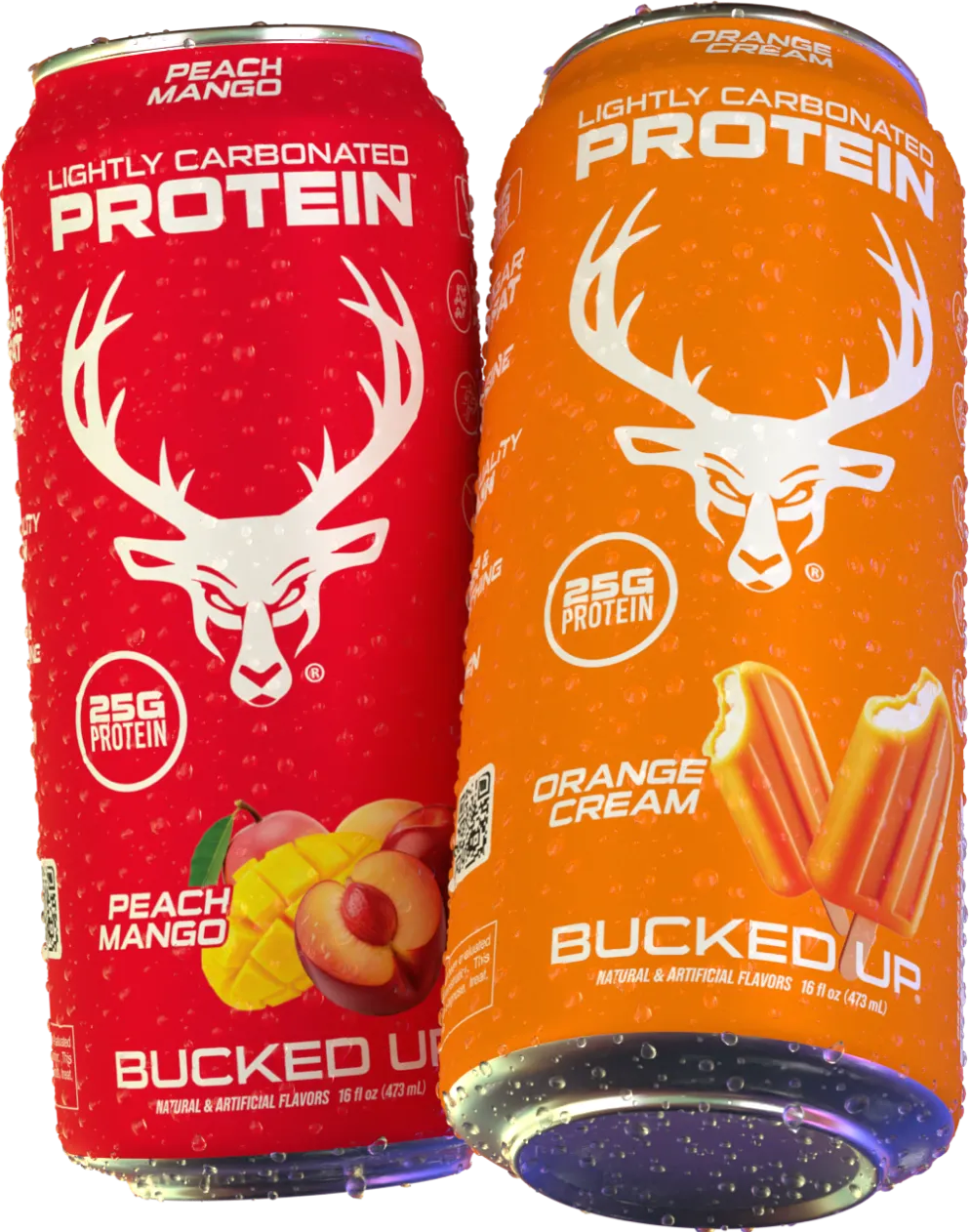
- Bucked Up’s innovative protein soda offers a refreshing, zero-sugar way to support muscle maintenance and recovery throughout the day.1
How Liquid Protein Works and Why People Use It
Liquid protein usually appears as concentrated shots, ready-to-drink shakes, or carbonated sodas. Each format fits different routines, taste preferences, and digestive needs.
People choose liquid protein for convenience, faster digestion compared to many solid foods, and help with staying full during weight management.1 Whey protein often reaches peak blood amino acid levels within 60 to 90 minutes, while collagen peptides tend to absorb more gradually.1
Whey isolate offers a complete amino acid profile and high leucine content. Whey protein delivers approximately 2.5 grams of leucine per 25-gram serving, which directly supports muscle protein synthesis.1 Collagen protein lacks sufficient leucine and is considered an incomplete protein, missing essential amino acids such as tryptophan.
Comparing Liquid Protein Types: Shots, Shakes, and Sodas
Different liquid protein formats vary in protein density, calories, carbs, and how heavy or light they feel. The table below highlights how shots, shakes, and sodas compare on protein content, calorie load, and absorption style.
| Product Type | Protein Content | Calories/Carbs | Format & Absorption |
|---|---|---|---|
| Medical Collagen Shots | 18g collagen | Low calorie/low carb | Concentrated shot, gradual absorption |
| Traditional RTD Shakes | 20-25g protein | 221 cal/32g carb | Milky shake, moderate absorption |
| Bucked Up Protein Soda | 25g whey isolate | 100 cal/0g carb | Clear, carbonated, rapid absorption |
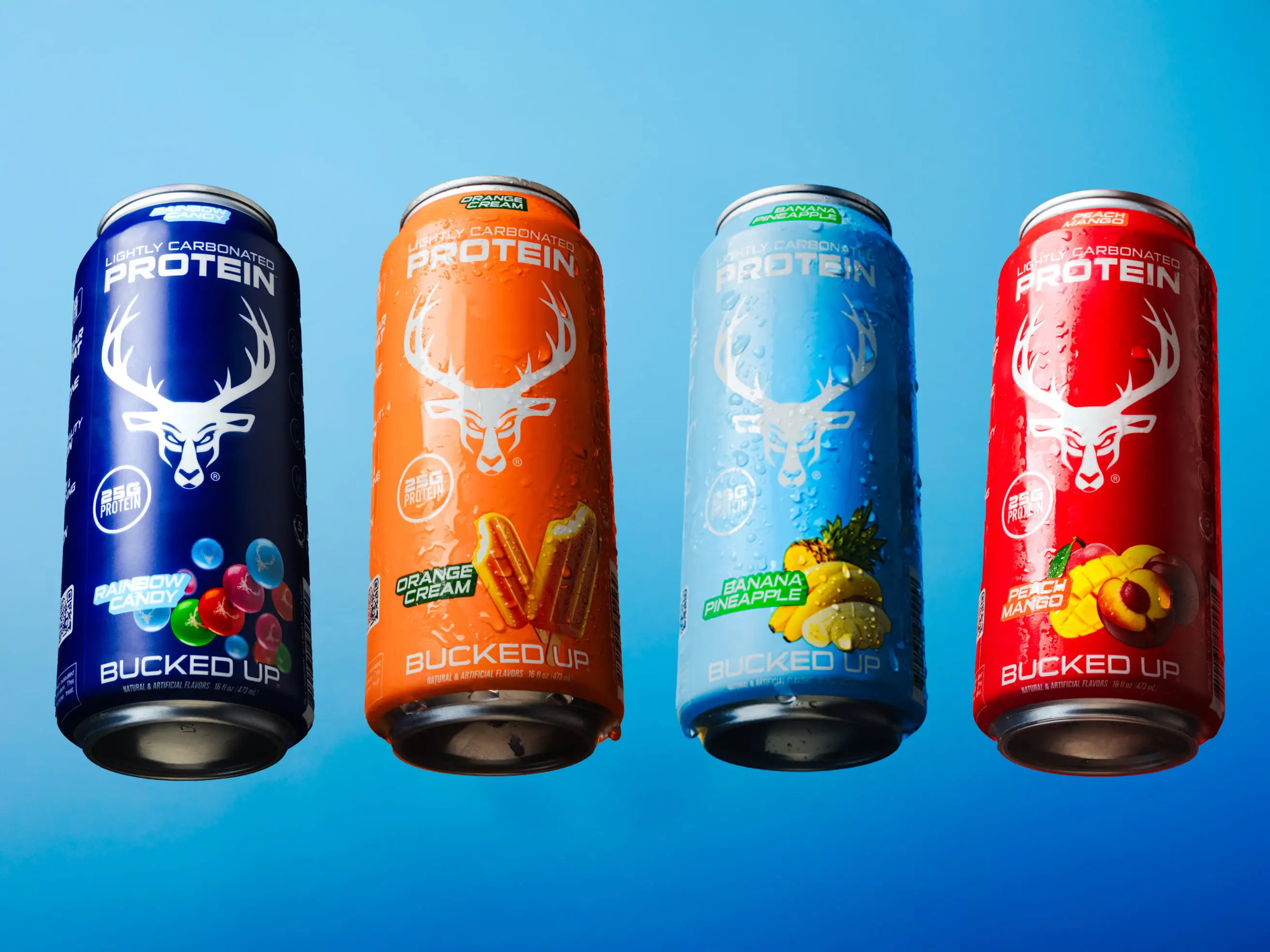
Bucked Up Protein Soda can stand out with zero sugar and zero carbohydrates while delivering a refreshing, energy drink-like taste experience. The carbonated format gives people who dislike thick shakes a lighter option that may feel easier on digestion.1
Liquid Protein for GLP-1 Users and Muscle Preservation
People using GLP-1 receptor agonists often lose both fat and lean mass, so protein intake becomes crucial. In the STEP 1 clinical trial substudy for semaglutide, about 35% of total weight lost was lean mass, which shows how easily muscle can drop without a plan.
Obesity medicine experts frequently recommend higher protein intake for GLP-1 users. Adults on GLP-1 therapy are often advised to aim for at least 1.2 grams of protein per kilogram of body weight daily, which exceeds the standard RDA of 0.8 grams per kilogram.
People on GLP-1 medications benefit from spreading protein across several meals to support absorption and muscle maintenance.1 Reduced appetite can make solid meals difficult, so lighter liquid options such as Bucked Up Protein Soda help with compliance by delivering the same high-quality whey isolate in a crisp, refreshing format that feels less heavy.1
Research supports this higher-protein approach. A 2025 study presented at the European Congress on Obesity reported that GLP-1 users who combined medication with high protein intake and supervision lost minimal muscle mass: women lost about 0.63 kg of muscle versus over 10 kg of fat, and men lost about 1 kg of muscle versus 12 kg of fat.
Liquid Protein Around Workouts and Recovery
The period after a workout offers a prime window for muscle repair and growth. Consuming around 20 to 25 grams of whey protein after training can significantly increase muscle protein synthesis compared to placebo, so timing and protein quality both matter.1
Whey isolate absorbs quickly, which suits post-exercise needs.1 Its complete amino acid profile and high leucine content stimulate muscle protein synthesis more effectively than incomplete proteins such as collagen.1 Bucked Up Protein Soda provides this whey isolate in a clear, carbonated drink that many people find more appealing than a thick shake when they want something light and cold after intense exercise.
The zero-carb formulation also fits ketogenic and other low-carb approaches without disrupting blood sugar goals or adding unnecessary carbohydrates.1
Side Effects and Safety Considerations for Liquid Protein
Most healthy people tolerate liquid protein well, yet some situations call for extra care. Higher-fat protein shakes that exceed about 5 grams of fat per serving may worsen nausea and further slow gastric emptying in tirzepatide users1, so lower-fat options often work better.
Sugar alcohols such as sorbitol or xylitol in protein shakes can cause bloating and diarrhea in some people on GLP-1 therapy.1 Clean formulations that avoid these ingredients may reduce digestive issues.
Anyone with kidney disease should speak with a healthcare provider before raising protein intake, since individual protein needs can change based on kidney function and overall health.
Liquid Protein Options Compared in Everyday Use
Several factors separate more advanced liquid protein products from basic options, including protein type, calorie density, texture, and sugar content. The comparison below shows how Bucked Up’s carbonated format delivers similar protein with fewer calories and zero carbs compared to common milk-based shakes.
| Product | Protein Type & Amount | Calories/Format | Key Features |
|---|---|---|---|
| Bucked Up Protein Soda | 25g whey isolate | 100 cal/carbonated | Zero sugar, zero carb, energy drink taste |
| Premier Protein | 30g whey concentrate | 160 cal/milky shake | Higher calories, traditional format |
| Core Power | 26g of protein per 14 fl. oz. serving | 170 cal/milk-based | Higher fat content, dairy-heavy |
| Fairlife Protein | 30g whey concentrate | 150 cal/milk-based | Lactose-free but still milky texture |
The unique carbonated format and whey isolate formulation differentiate Bucked Up from traditional options. The clear, refreshing taste feels closer to an energy drink than a shake, which can encourage more consistent daily use for people who dislike creamy textures.
Ready to upgrade your liquid protein experience? Try Bucked Up Protein Soda and taste the difference.
Using Liquid Protein for Weight Loss Goals
Liquid protein can support weight management by increasing fullness, which may help reduce overall calorie intake.1 Ready-to-drink protein beverages continue to grow as more people seek protein-rich options, prioritize healthier lifestyles, and look for on-the-go choices that fit busy work schedules.
People managing weight, especially those on GLP-1 medications, often rely on liquid protein to cover nutrition needs without adding many calories. Bucked Up Protein Soda supplies substantial protein with a low-calorie profile, which supports muscle preservation during calorie restriction and helps maintain metabolic rate.1
How Bucked Up Protein Soda Differentiates Itself
Bucked Up Protein Soda brings several innovations to the liquid protein category. The 100% whey isolate formulation supports efficient amino acid absorption compared to the incomplete collagen profile discussed earlier.1
The caffeine-free formula fits any time of day, including evenings, without raising concerns about sleep disruption. This flexibility works well for professionals, parents, and anyone who needs a convenient protein option that fits unpredictable schedules.
Experience the protein soda revolution for yourself. Get your first case of Bucked Up Protein Soda today.
Conclusion: Choosing the Right Liquid Protein for Your Routine
The liquid protein market continues to move beyond traditional shakes and medical shots toward newer formats such as carbonated protein sodas. People who want convenient, effective protein without the heaviness of many shakes may find that options like Bucked Up Protein Soda offer appealing taste, ingredient quality, and flexible use cases.
Whether the goal is post-workout recovery, weight management, or maintaining protein intake during GLP-1 therapy, liquid protein can provide a practical tool. The key is choosing products with complete amino acid profiles, clean labels, and textures that make daily use realistic.
Frequently Asked Questions
Is liquid protein good for daily consumption?
Liquid protein can work well for daily use when it relies on high-quality ingredients. Whey isolate-based options provide complete amino acid profiles that support muscle maintenance, recovery, and overall health.1 The grab-and-go format makes it easier to reach daily protein goals for busy people or anyone with reduced appetite. Look for products with minimal additives and straightforward ingredient lists.
What is the difference between whey isolate and whey concentrate in liquid proteins?
Whey isolate goes through more filtration, which raises protein content to over 90% while lowering lactose, fat, and carbohydrates. This cleaner profile often absorbs faster and may cause less digestive discomfort.1 Whey concentrate contains less protein and more lactose and fat. For liquid protein drinks, isolate usually delivers a cleaner taste, smoother mixability, and faster absorption, which suits carbonated formats and sensitive stomachs.
How does Bucked Up Protein Soda compare to other liquid protein drinks?
Bucked Up Protein Soda sets itself apart through its carbonated format, 100% whey isolate base, and zero sugar, zero carb profile. Unlike traditional milky shakes, it offers a clear, refreshing taste similar to many energy drinks but without caffeine. The combination of about 25 grams of protein and a relatively low calorie count creates a dense nutrition option, while the light, fizzy texture appeals to people who find standard protein drinks too heavy or chalky.
Is liquid protein suitable for people on GLP-1 medications?
Liquid protein often works well for GLP-1 users who struggle with reduced appetite and large solid meals. The light, easy-to-digest format helps them reach higher protein targets, often in the range of 1.0 to 1.5 grams per kilogram of body weight, which supports muscle preservation during weight loss.1 Clear, low-fat options such as protein sodas are frequently better tolerated than thick, creamy shakes that may aggravate nausea.1 Healthcare providers can give personalized guidance based on individual needs.
Are there any side effects from liquid protein consumption?
Most healthy adults tolerate liquid protein without major issues. Mild side effects can include digestive discomfort if large amounts are consumed quickly or if someone is sensitive to ingredients such as lactose in concentrate-based products.1 People with kidney conditions should consult a healthcare professional before increasing protein intake. Choosing high-quality isolate-based products with simple, clean formulations can reduce the chance of problems while still delivering strong nutritional support.
1 The content provided in this article is for informational purposes only and is not medical advice. Consult with a medical professional before implementing any changes to your diet, health, or exercise routines.
Individual results will vary and are based on a combination of each individual’s diet, exercise, age, and health circumstances.
These statements have not been evaluated by the Food and Drug Administration. This product is not intended to diagnose, treat, cure or prevent any disease.
This article was written by Ryan Gardner, CEO of Bucked Up. As the maker of Bucked Up Protein Soda, we have a financial interest in this information. The views expressed are our own and should be read with that context in mind.