Key Takeaways
- Low-calorie post-workout nutrition can support muscle recovery and weight management goals for many people*
- Protein intake near your daily target, spaced across meals and snacks, can help support muscle repair and growth after training*
- Balanced carbohydrates, protein, and hydration can work together to support glycogen restoration, performance, and overall recovery*
- Clear whey protein isolate in ready-to-drink formats can offer a lighter alternative to thick shakes while still supporting muscle protein synthesis*
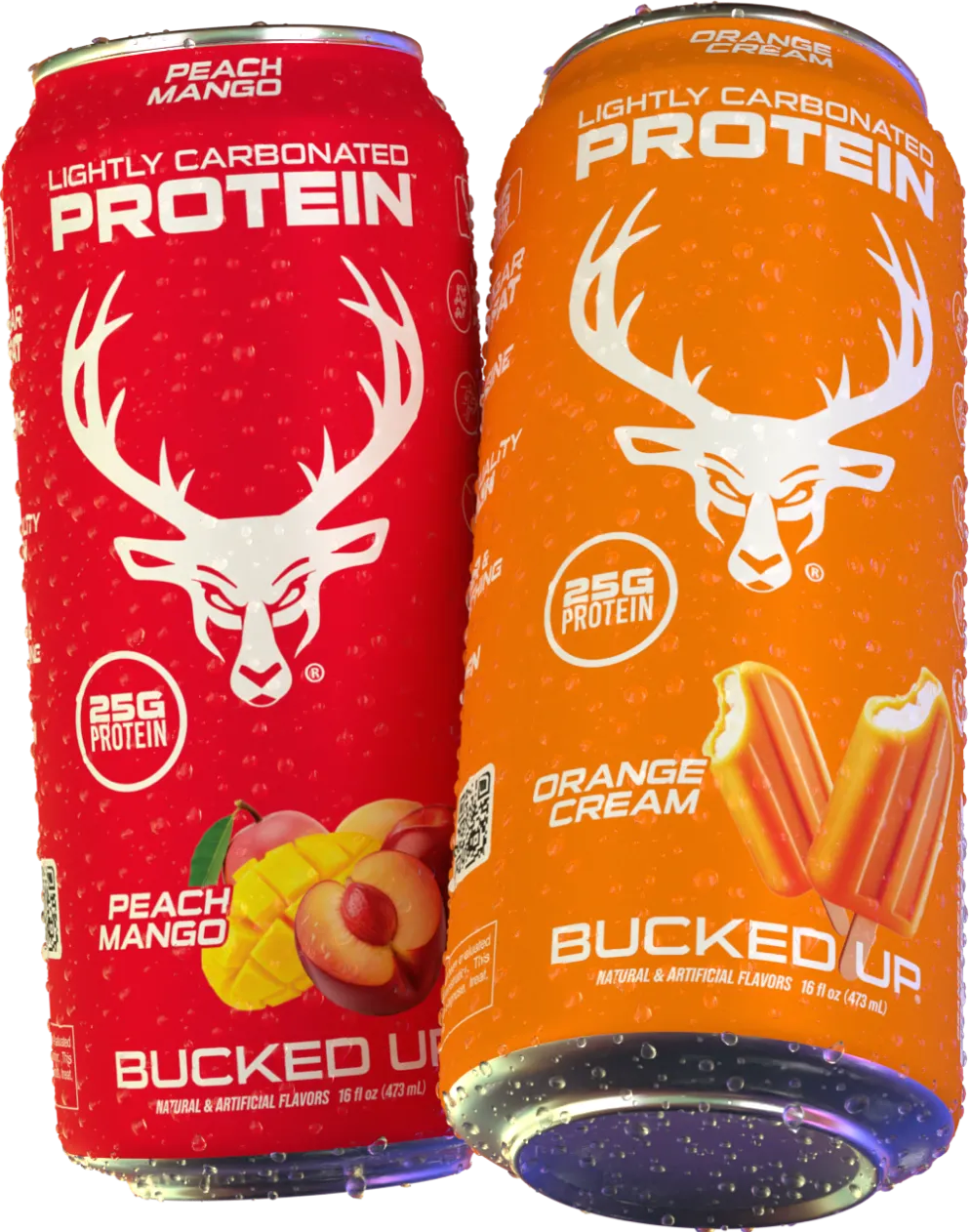
- Bucked Up Protein Soda provides 25 g of protein with about 100 calories, which can fit into many low-calorie post-workout routines*
Why Low-Calorie Recovery Is Essential for Your Fitness Goals
The Science Behind Muscle Recovery and Growth
Muscle recovery starts as soon as your workout ends. Exercise creates small tears in muscle fibers that trigger repair processes. This repair, often described as muscle protein synthesis (MPS), uses amino acids to rebuild muscle tissue so it adapts to training stress over time*. Effective recovery can support strength gains, muscle maintenance, and reduced soreness from session to session*.
The Calorie Challenge During Recovery
Post-workout nutrition sometimes leads to excess calories. Large meals, sugary drinks, and high-fat snacks can push daily intake beyond your target, even when training is consistent. A more targeted approach uses lower-calorie, higher-protein options that support muscle repair while still aligning with fat loss or weight maintenance goals*.
Bucked Up Protein Soda As a Low-Calorie Option
Bucked Up Protein Soda gives you 25 g of clear whey protein isolate in about 100 calories per can. This format helps you support post-workout protein needs without relying on heavy shakes or large meals*, which can be helpful if you are managing appetite, tracking calories, or using GLP-1 medications.
The Power of Protein: Building Blocks for Efficient Muscle Repair
Protein and Muscle Protein Synthesis (MPS)
Dietary protein supplies amino acids that your body uses to repair and build muscle tissue after training*. Some amino acids, such as leucine, play a key role in signaling MPS, so high-quality protein sources can be especially helpful after workouts*. Consistent daily protein intake matters more than any single shake, but post-workout servings can complement the rest of your plan.
Why Whey Protein Isolate Works Well After Workouts
Whey protein isolate contains a high percentage of protein with minimal fat and lactose. Extra filtration creates a lighter product that typically digests quickly and delivers amino acids to the bloodstream at a faster rate than many other protein sources, which can be useful during the post-exercise period when muscle protein synthesis rates tend to be elevated*.
Helpful Protein Timing and Daily Targets
Total daily intake near 0.73–0.91 g of protein per lb of body weight, with about 0.11–0.23 g per lb per meal, can support muscle protein synthesis*. For many adults, this range aligns with common fitness recommendations. For a single post-workout serving, about 20–25 g of protein within 30–90 minutes after training can support recovery and glycogen replenishment*, and a window of roughly 1–2 hours remains practical for most people*.
Balancing Macronutrients: Ratios That Support Recovery
Carbohydrates for Glycogen Replenishment
Carbohydrates help restore glycogen, which your muscles use for fuel during training. Faster-digesting carbs such as bananas, white rice, or low-fiber cereal often work well right after intense sessions*. Over the rest of the day, balanced carb intake can support energy levels and readiness for your next workout*.
Adjusting Carb-to-Protein Ratios to Your Training
The best carb-to-protein ratio depends on your workout style and goals:
- Endurance-focused sessions can benefit from around a 4:1 carb-to-protein ratio to refill glycogen more quickly*
- Strength and hypertrophy training often align with ratios closer to 2:1, which can emphasize muscle repair while still restoring glycogen*
- People focused on body fat reduction may prefer moderate carbs and higher protein, such as 3:1, paired with medium to high training intensity*
Smart, Low-Calorie Carbohydrate Ideas
Combining Bucked Up Protein Soda with modest carb portions can help you build a complete recovery snack without many calories*. Helpful examples include:
- Mixed berries, about 15 g of carbs
- A small banana, about 20 g of carbs
- Two plain rice cakes, about 16 g of carbs
The Role of Hydration in Recovery
Hydration supports blood flow, nutrient transport, and temperature control during recovery*. Replacing roughly 3 cups (about 1.5 L) of fluid for each lb of body weight lost in sweat can help restore normal fluid balance after strenuous exercise*. Including electrolytes can be useful during longer or hotter sessions.
Bucked Up Protein Soda in a Low-Calorie Recovery Plan
What Sets This Protein Soda Apart
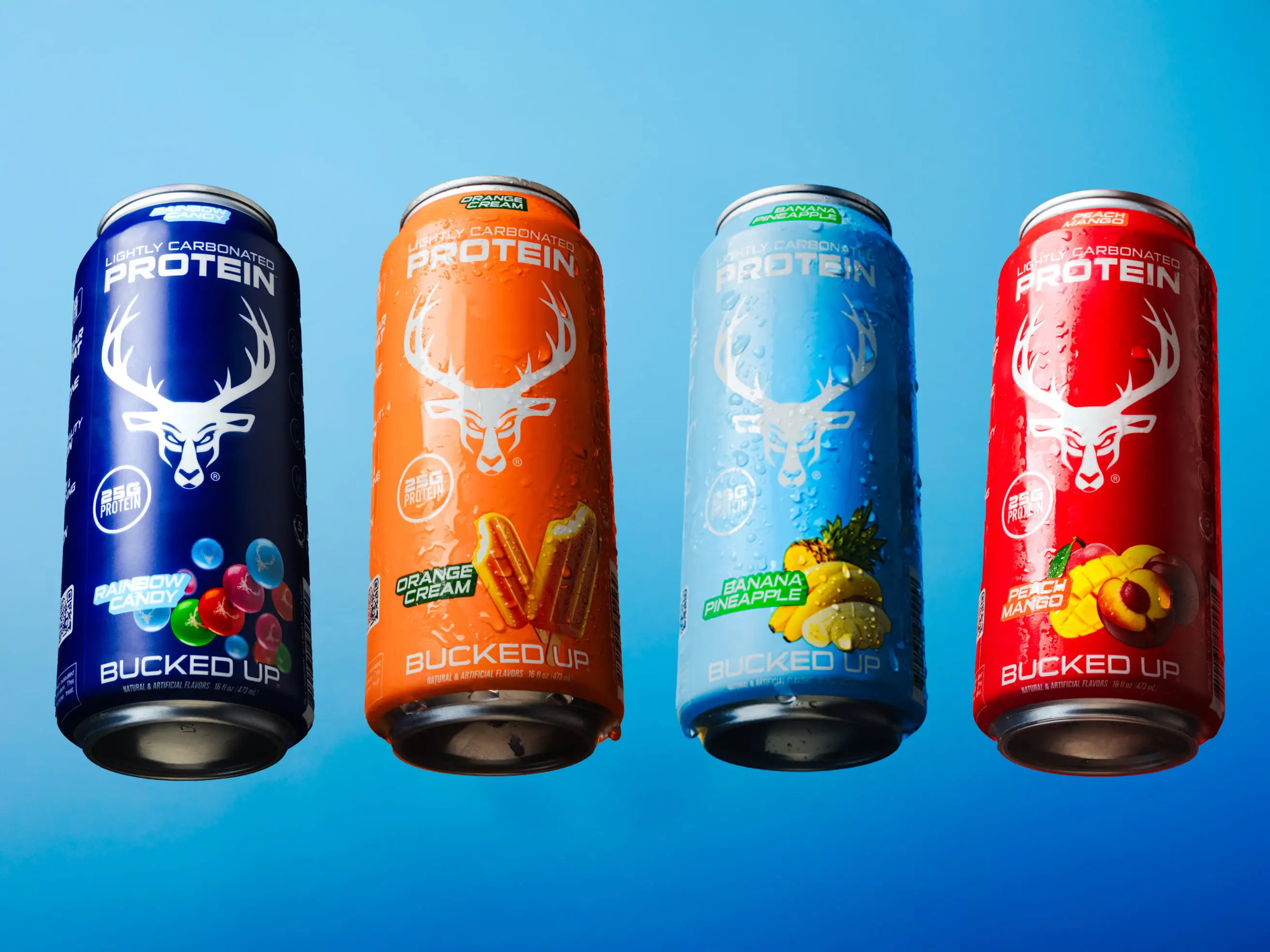
Bucked Up Protein Soda combines clear, lightly carbonated texture with 25 g of whey protein isolate per can. The product has zero sugar and zero carbs, with about 100 calories, so it can fit into many calorie-conscious plans while still contributing meaningful protein for recovery and daily intake*. The clear, non-milky format offers an option for people who do not enjoy thick shakes or who prefer a lighter drink after training.
Key Features for Post-Workout Use
- 25 g of whey protein isolate to support muscle repair and maintenance*
- About 100 calories per can to help keep total intake in check
- Zero sugar and zero carbs for flexible macro planning
- Ready-to-drink format that does not require mixing or refrigeration before use
- Light carbonation and clear texture that feel similar to many flavored beverages
Bucked Up Protein Soda Compared With Common Recovery Drinks
| Feature | Bucked Up Protein Soda | Traditional Protein Shakes | Other RTD Protein Drinks |
|---|---|---|---|
| Protein Type | Whey protein isolate | Often whey concentrate | Varies (isolate, concentrate, collagen) |
| Form and Texture | Lightly carbonated, clear | Thick, milky, sometimes foamy | Usually thick and milky |
| Calories per 25 g protein | About 100 | About 150–300 | About 150–250 |
| Sugar and Carbs | Zero sugar, zero carbs | Often includes sugar and carbs | Varies, some higher in sugar |
Integrating Bucked Up Protein Soda Into Your Routine
Helpful Times to Drink Your Protein Soda
Many people prefer Bucked Up Protein Soda immediately after workouts to take advantage of the post-exercise period when muscles are especially responsive to amino acids*. The drink can also work between meals to help you reach daily protein goals without large snacks or extra cooking*. The caffeine-free formula fits both morning and evening training sessions.
Low-Calorie Pairing Ideas for Balanced Recovery
Simple pairings can turn a can of Bucked Up Protein Soda into a more complete recovery snack*:
- Endurance days: Bucked Up Protein Soda plus a medium banana (about 27 g carbs) for a ratio close to 4:1
- Strength days: Bucked Up Protein Soda plus a small handful of berries (about 12 g carbs) for a ratio near 2:1
- Weight-management focus: Bucked Up Protein Soda plus a small apple (about 15 g carbs) for extra fiber and fullness at a modest calorie level
Frequently Asked Questions (FAQ) About Low-Calorie Post-Workout Recovery
What makes Bucked Up Protein Soda different from typical protein drinks?
Bucked Up Protein Soda uses 100 percent clear whey protein isolate in a lightly carbonated, non-milky drink. Each can has 25 g of protein, about 100 calories, and zero sugar or carbs, which can support muscle recovery and daily protein targets without a heavy shake texture*. The flavor profile is closer to an energy drink than a traditional dairy-based shake.
Does carbonation interfere with protein absorption?
Carbonation does not appear to reduce the body’s ability to digest and absorb protein*. The bubbles in Bucked Up Protein Soda are included for taste and mouthfeel, while the whey protein isolate continues to provide rapidly absorbed amino acids that can support recovery after training*.
Can Bucked Up Protein Soda fit into a weight-loss or GLP-1 plan?
Bucked Up Protein Soda contains about 100 calories per can with 25 g of protein and no sugar, which can make it a practical option for many weight-management approaches*. People using GLP-1 medications who prefer lighter foods or drinks may find the clear, low-volume format easier to tolerate than large meals, while still supporting lean muscle during weight loss*.
How does whey protein isolate compare with whey concentrate for recovery?
Whey protein isolate is filtered to remove more fat and lactose, so it tends to digest faster and provide a higher percentage of protein by weight than concentrate*. This profile can be helpful after workouts when many people prefer quick, easy-to-digest protein sources that support muscle protein synthesis and limit total calories*.
Is protein soda useful for different workout styles and fitness levels?
Clear whey protein drinks can support recovery after strength training, interval workouts, endurance sessions, or general fitness routines by contributing to overall daily protein intake*. Bucked Up Protein Soda offers a consistent 25 g of protein per can, which can help beginners and advanced lifters alike align intake with their goals while keeping calories relatively low*.
Conclusion: Support Recovery While Managing Calories
Post-workout recovery in 2026 emphasizes smarter choices rather than larger portions. Thoughtful protein intake, balanced carbohydrates, and adequate hydration can support muscle repair, performance, and body composition over time*. Light, low-calorie options such as Bucked Up Protein Soda give you another tool to meet your protein goals in a convenient format that fits into busy schedules and structured nutrition plans*.
*Disclaimer: These statements have not been evaluated by the Food and Drug Administration. This product is not intended to diagnose, treat, cure, or prevent any disease.