Last updated: April 22, 2026
Key Takeaways
- Low-calorie ready-to-drink protein options with at least 25g of protein support muscle recovery in the 30–60 minute post-workout window while keeping calories in check.1
- Whey protein isolate absorbs faster and contains fewer extras than concentrate, which supports quick muscle repair and can work better for people with mild dairy sensitivities.1
- Bucked Up Protein Soda combines a high protein-to-calorie ratio with a clear, carbonated format that feels lighter than traditional shakes and can reduce digestive discomfort for some users.1
- High protein-to-calorie ratios, around 20:1 or higher, help preserve or build muscle during calorie deficits, which matters for people focused on fat loss or using GLP-1 medications.1
- Bucked Up Protein Soda offers a convenient, keto-friendly post-workout option that can fit weight loss, maintenance, or muscle-building plans.
7 Low-Calorie Recovery Drinks Compared
This comparison highlights low-calorie post-workout recovery drinks available in 2026, focusing on protein content, calorie efficiency, and key features for muscle recovery. Notice how Bucked Up pairs a high protein-to-calorie ratio with a carbonated format, while other options lean on creamier shake styles or powder-based mixes.
| Product | Calories/Protein (g) | Key Features |
|---|---|---|
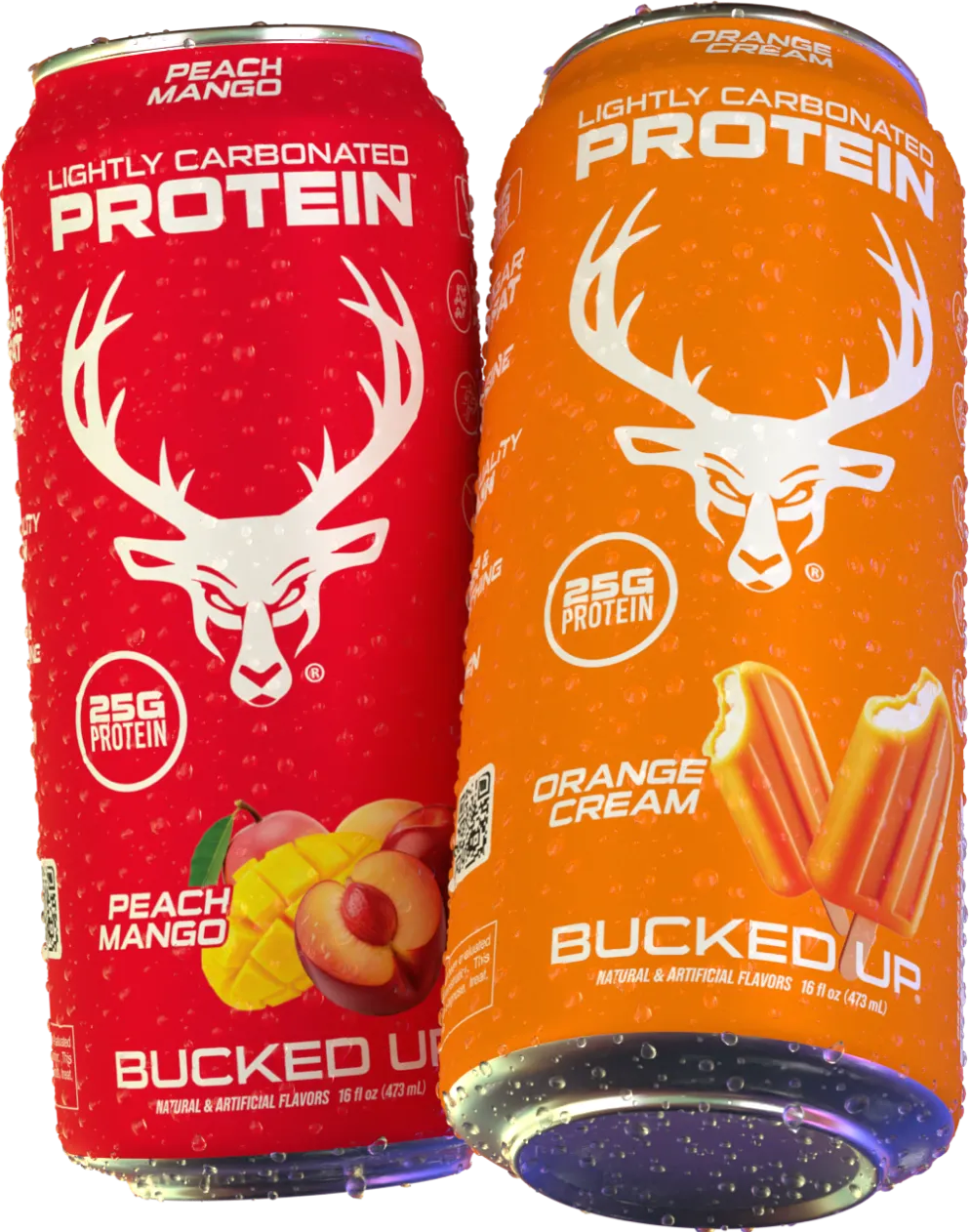
| Bucked Up Protein Soda | 100/25 See full nutrition facts | Carbonated RTD isolate, zero sugar, zero carbs |
| Isopure Low-Carb Product details | 110/25 | Pure whey isolate powder, lactose-free |
| Core Power Product details | 170/26 | Ultra-filtered milk protein, creamy shake |
| Quest Protein Shake Product details | 170/30 | Multiple flavors, low sugar |
| Premier Protein | 160/30 | Widely available RTD shake, budget-friendly |
| Amino Energy RTD | Low calorie / lower total protein | Essential amino acids, lighter recovery option |
| Electrolyte Water + Protein Powder | Varies by scoop size | DIY mix, customizable protein and hydration |
7 Low Calorie Post-Workout Muscle Recovery Drinks
1. Bucked Up Protein Soda
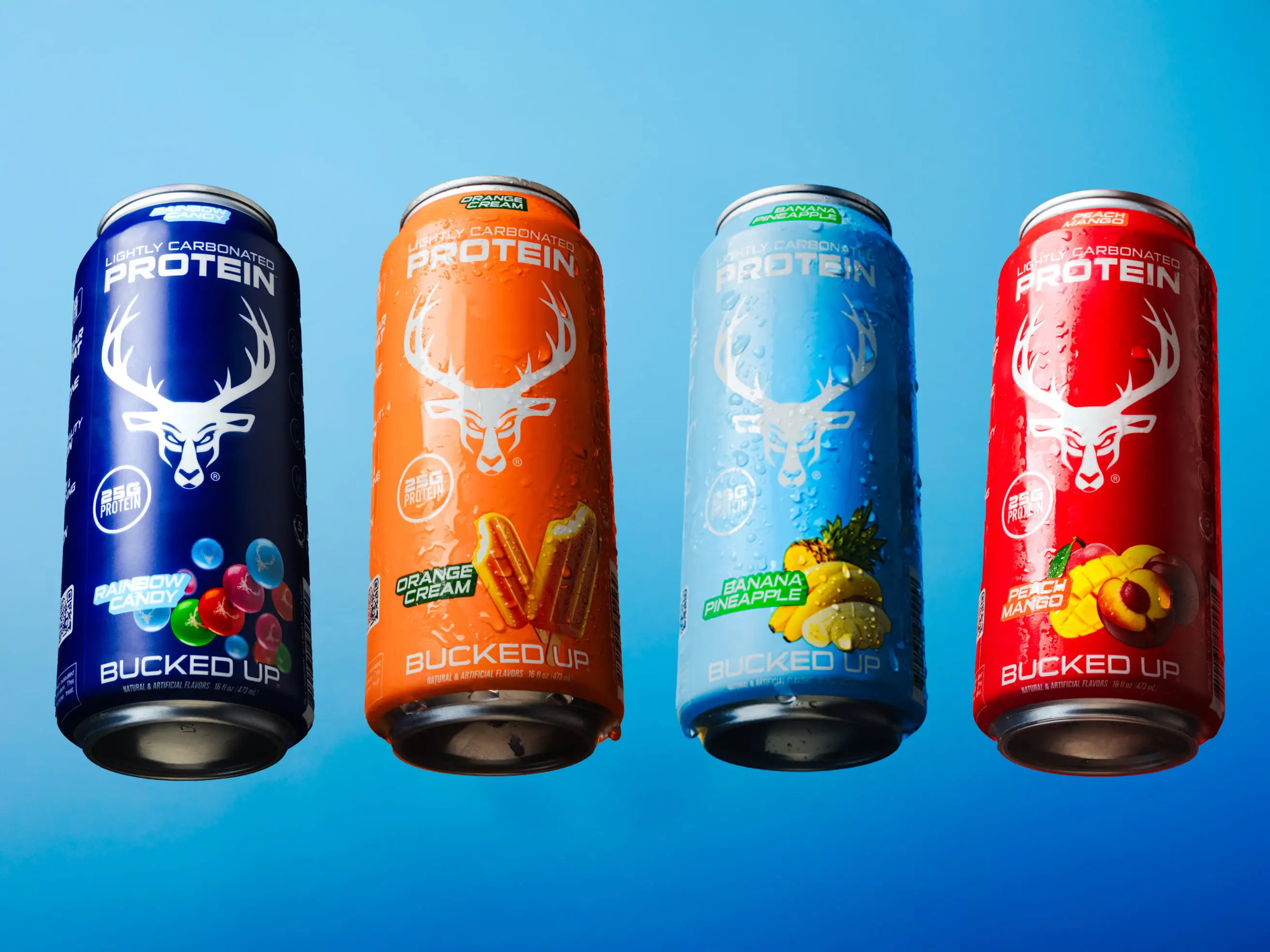
Bucked Up Protein Soda uses a clear, carbonated format with whey protein isolate to support recovery in a light, drinkable way.1 Research supports consuming at least 15 to 25 grams of protein within 2 hours after exercise to stimulate muscle growth and repair. Review the full nutrition profile to see how it lines up with that range. The isolate-based formula supports faster absorption than concentrate, which can help you take advantage of the post-workout window.1
The lighter, sparkling texture addresses common complaints about thick, milky shakes that can feel heavy or uncomfortable.1 This format also pairs with a zero sugar, zero carb formula, so calories come from protein instead of added sugars. Because the drink is caffeine-free, you can use it after late workouts without worrying about sleep disruption.1
The product aligns with ketogenic and paleo-style eating patterns and offers a different experience from standard shakes, which can appeal to people who want recovery support without a dessert-like texture.
2. Isopure Low-Carb RTD
Isopure Low Carb Protein Powder provides 25g of whey protein isolate in about 100 calories per 1 scoop (34g) serving for the vanilla flavor, which creates a similar protein-to-calorie ratio to Bucked Up when mixed with water. The lactose-free formula can work for people who struggle with standard dairy-based shakes while still delivering a complete amino acid profile for muscle repair.1
3. Core Power High Protein Shake
Core Power delivers 26g of protein in 170 calories using Fairlife ultra-filtered milk protein. The higher calorie count reflects its creamier, milkshake-style texture and added carbohydrates. Many shoppers choose it for its familiar taste and strong retail presence in grocery and convenience stores.
4. Quest Protein Shake
Quest Protein Shake offers 30g of protein in 170 calories per serving and comes in several flavors. The brand keeps sugar low, which appeals to people tracking carbs closely. The higher protein density contributes to a thicker mouthfeel, which some users enjoy and others may find heavy after intense training.
5. Premier Protein
Premier Protein provides 30g of protein in 160 calories, which sits slightly above a strict 150-calorie cutoff but still within a moderate range for many plans. Its broad retail distribution and frequent promotions make it a common choice for shoppers who want convenient protein at a lower price point.
6. Amino Energy RTD
Optimum Nutrition’s Amino Energy focuses on essential amino acids in a lower-calorie drink, with less total protein than a full shake. This profile suits lighter training days or people who want some amino support without committing to a full meal replacement–style beverage.
7. Electrolyte Water with Protein Powder
Mixing electrolyte water with unflavored protein powder lets you adjust protein amount, flavor strength, and sodium level while staying hydrated. This do-it-yourself approach takes a bit of prep time but gives you control over macros and can work well if you already keep protein powder on hand.
After looking at these options, it helps to match your recovery drink to your specific goal, such as weight loss, soreness relief, or muscle gain.
Best Recovery Drink After Workout for Weight Loss
Weight loss plans benefit from protein isolates that help preserve muscle while calories stay low. People using GLP-1 medications are often advised to aim for 1.2 to 1.6 grams of protein per pound-equivalent of body weight when converted from kilogram-based guidance, which supports muscle retention during fat loss.1 Options like Bucked Up Protein Soda, with its lean macro profile mentioned earlier, can help you reach those targets without adding many extra calories.1 Check the macros to see how it fits your daily plan.
What to Drink After Workout for Sore Muscles
Post-workout soreness comes from tiny amounts of muscle damage that need amino acids and fluids to recover. Sports nutrition experts often recommend drinking a recovery beverage within 30–60 minutes after training, when blood flow to muscles is higher and nutrient delivery improves. A drink that combines quality protein with hydration supports both tissue repair and fluid replacement.1
Low Calorie Post Workout Drinks for Muscle Gain
Building muscle while keeping calories controlled requires careful attention to protein timing and quality. Drinks with strong protein-to-calorie ratios help stimulate muscle protein synthesis without pushing you far over your calorie target.1 Research suggests a leucine threshold of roughly 2.5–3g per meal to trigger muscle protein synthesis, even during a calorie deficit, so choosing complete proteins that meet that threshold can support growth.
Low Calorie Protein Shake Ready to Drink
Ready-to-drink protein beverages continue to grow in popularity as people look for grab-and-go options. Analysts project the global protein drink market to grow at a CAGR of 9.36% from 2025 to 2032, with RTD products holding the second largest share after powders. This trend reflects demand for convenient nutrition that still delivers meaningful protein per serving.
Post Workout Recovery Drink Homemade
Homemade recovery drinks give you full control over ingredients and can reduce cost per serving. A simple option uses one scoop of whey isolate mixed with sparkling water to create a basic carbonated protein drink. Ready-to-drink products still offer an advantage for busy days, since they remove prep time and provide consistent macros every time you open a can or bottle.
How to Choose a Low-Calorie Recovery Drink
Choosing a low-calorie recovery drink starts with protein type. Whey protein isolate usually brings higher purity and faster absorption than concentrate, which can improve how efficiently your body uses each serving.1 That efficiency becomes easier to compare when you look at protein-to-calorie ratios and aim for products around 20:1 or higher. Keeping sugar under about 5g per serving helps prevent extra calories that do not contribute much to recovery.
Format preferences matter as well. Carbonated options like Bucked Up feel more like a soda or energy drink, while traditional shakes feel thicker and creamier. Ready-to-drink cans and bottles remove mixing steps and give you the same nutrition every time, which helps with tracking. Because taste is personal, trying single cans or small packs first can help you find a flavor and texture you actually want to drink after training.
Certain groups have extra considerations. People using GLP-1 medications often do better with easy-to-digest liquids that do not increase nausea. Athletes who train hard or twice per day may want fast-absorbing isolates right after sessions to support quicker recovery. Shop now to see how a carbonated isolate drink could fit into your routine.
Frequently Asked Questions
What is the difference between whey protein isolate and concentrate?
Whey protein isolate goes through more filtration, which raises protein purity to around 90% or higher, compared with about 70–80% in many concentrates. This process removes more lactose and fat, so isolate often digests more easily for people who are sensitive to dairy.1 The extra refinement also tends to create a cleaner taste and smoother mix in drinks.
How does Bucked Up Protein Soda compare to traditional protein shakes?
Bucked Up Protein Soda provides a clear, carbonated alternative to thick, milk-based shakes. Its whey isolate content supports muscle-building needs while delivering a taste experience closer to a flavored soda or energy drink.1 The carb-free formulation can align with keto and other low-carb approaches for people who track macros closely.
Is it safe to drink protein recovery drinks daily?
Most healthy adults can use protein recovery drinks daily as part of an overall balanced diet. A caffeine-free option, such as Bucked Up Protein Soda, avoids extra stimulant intake, which some people prefer. Anyone with kidney issues, digestive conditions, or other medical concerns should speak with a healthcare professional before making large changes to protein intake.
Are low-calorie protein drinks suitable for ketogenic diets?
Zero-carb or very low-carb protein drinks, including Bucked Up Protein Soda, can fit well into ketogenic macronutrient ranges. High protein content supports muscle maintenance, while the lack of carbohydrates helps keep ketosis on track.1 A 100-calorie serving also makes it easier to stay within daily calorie goals while still covering recovery needs.
When should I consume my post-workout recovery drink?
Most guidance points to a 30–60 minute window after exercise, when blood flow to muscles stays elevated and nutrient uptake improves. Drinking your recovery beverage in that period helps deliver amino acids to working muscles while they are primed for repair.1 Many people find that drinking it sooner within that window feels more satisfying and supports their next training session.
Conclusion
Low-calorie post-workout recovery drinks keep evolving, and newer formats such as carbonated protein sodas give lifters and athletes more options than standard shakes. Bucked Up Protein Soda combines whey isolate, a lean calorie profile, and a sparkling texture that addresses common complaints about heavy, creamy drinks. Explore the full nutrition breakdown to see how it compares with your current go-to.
Matching your drink to your goals, whether that means weight loss, muscle preservation during a cut, or simple convenience after long days, can make recovery feel easier and more consistent. Shop Bucked Up Protein Soda now if you want a ready-to-drink option that fits into low-calorie, low-carb, and high-protein routines.
1 The content provided in this article is for informational purposes only and is not medical advice. Consult with a medical professional before implementing any changes to your diet, health, or exercise routines.
Individual results will vary and are based on a combination of each individual’s diet, exercise, age, and health circumstances.
These statements have not been evaluated by the Food and Drug Administration. This product is not intended to diagnose, treat, cure or prevent any disease.
This article was written by Ryan Gardner, CEO of Bucked Up. As the maker of Bucked Up Protein Soda, we have a financial interest in this information. The views expressed are our own and should be read with that context in mind.