Last updated: April 22, 2026
Key Takeaways
- Low-calorie protein drinks with 20–40g protein support muscle recovery and help preserve lean mass during calorie deficits from workouts or GLP-1 therapies.1
- Whey protein isolate offers 90%+ protein purity with fast absorption, which suits post-workout windows within 30–60 minutes.1
- Top picks include Bucked Up Protein Soda (25g/100 cal, carbonated), Premier Protein (30g/160 cal), and Core Power (26g/170 cal) for different goals and preferences.
- GLP-1 users on Ozempic or Zepbound often need 1.3–1.6g protein per kg of body weight daily to reduce a 15–25% muscle loss risk during rapid weight reduction.1
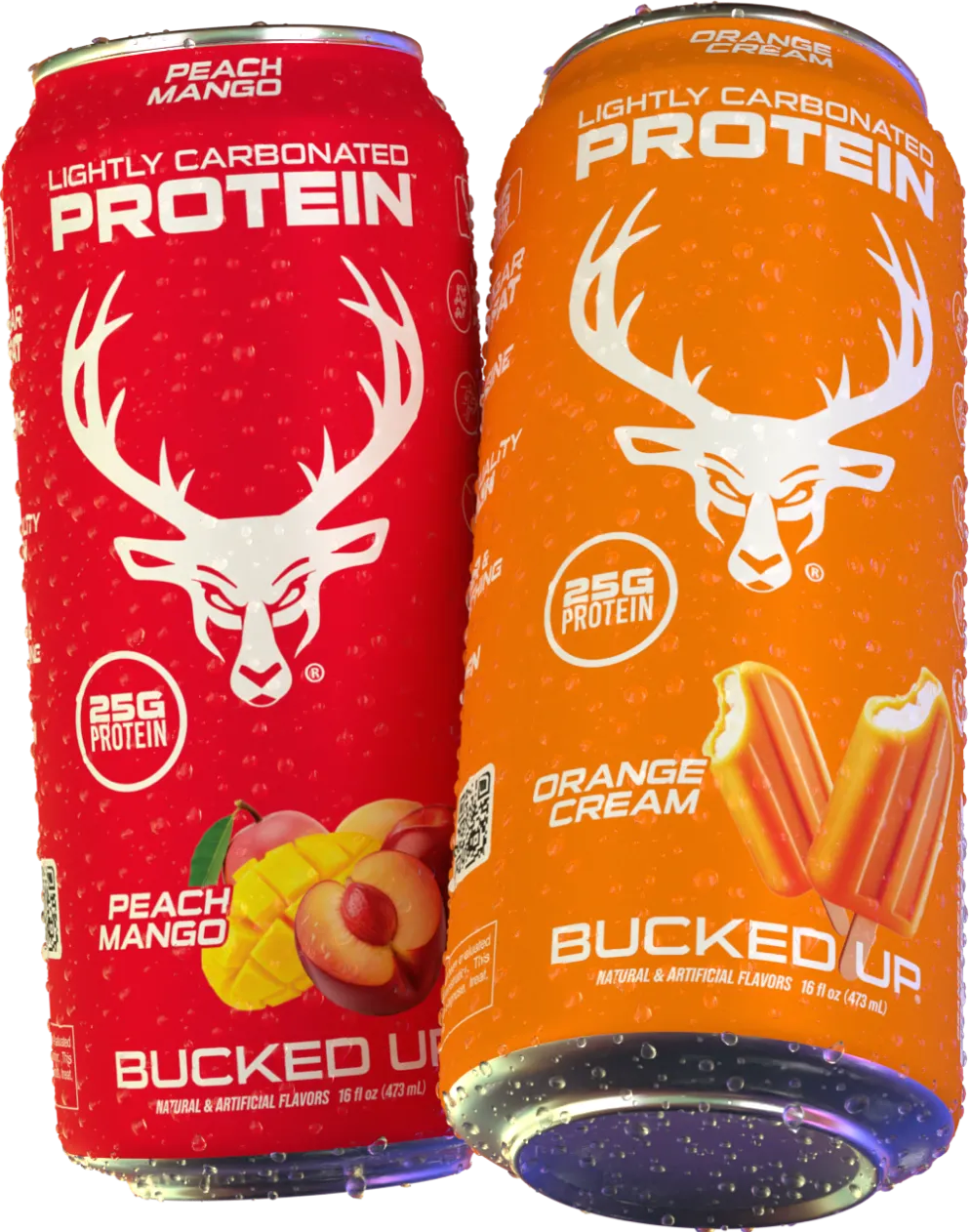
- Carbonated protein drinks like Bucked Up Protein Soda offer a refreshing alternative to traditional shakes, delivering 25g whey isolate in a zero-sugar fizzy format.
The following table compares four leading low-calorie protein drinks by protein content, calories, format, and price so you can quickly narrow your options.
Comparison Table: Top 4 Low-Calorie Protein Drinks at a Glance
| Product | Protein/Calories/Type | Key Features | Best For & Price |
|---|---|---|---|
| Bucked Up Protein Soda | 25g/100 cal/Whey Isolate | Carbonated, zero sugar, caffeine-free | GLP-1 users, gym recovery/~$3.33/bottle |
| Premier Protein | 30g/160 cal/blend of milk protein concentrate and calcium caseinate | Ready-to-drink, multiple flavors | Weight loss, convenience/~$2 |
| Core Power | 26g/170 cal/Milk Protein | High protein, post-workout formula | Athletes, muscle recovery/$4.79–$5.99 |
| Ready Clear | 20g/low cal/whey protein | Clear, light texture | Lactose-sensitive, low-cal/$3.08–3.33 |
The 9 Best Low-Calorie Protein Drinks for Different Goals
1. Bucked Up Protein Soda
Bucked Up Protein Soda delivers 25g of whey protein isolate in 100 calories through a carbonated format that tastes like an energy drink without caffeine or sugar. Whey protein isolate contains 90%+ protein content with faster absorption than concentrate forms, which supports rapid muscle recovery.1 Hydrolyzed whey protein delivers amino acids up to 30% faster than standard whey protein, which aligns with the fast-acting profile of isolate-based drinks.1
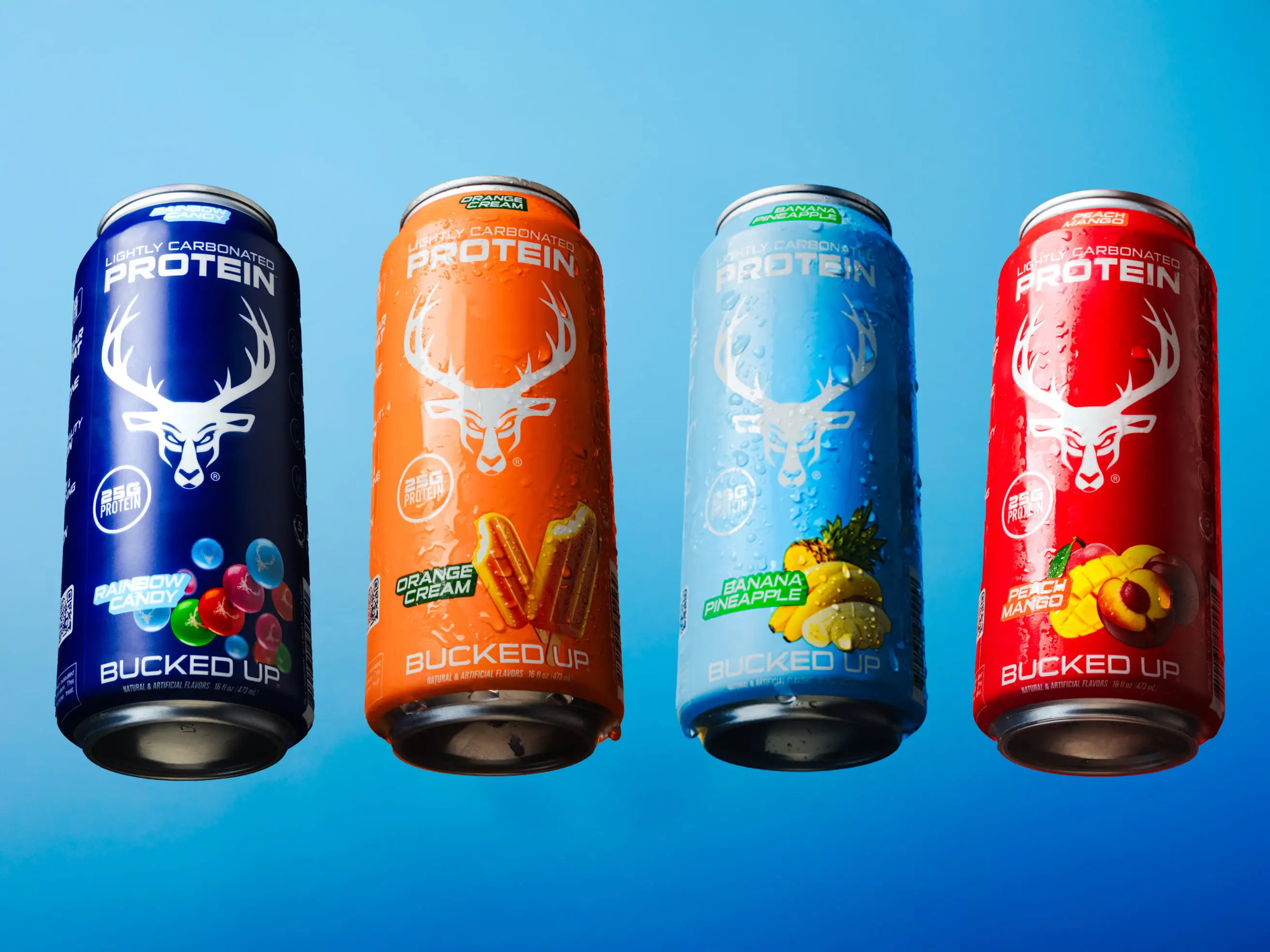
Pros: Refreshing carbonated texture, zero sugar and carbs, caffeine-free for any time use, GMP-certified USA manufacturing.
Cons: Higher price point than many traditional shakes, limited flavor variety.
Best For: GLP-1 users who need easy protein intake, gym-goers wanting post-workout refreshment, busy professionals seeking convenient protein.
Customer testimonial: “The protein sodas far exceeded my expectations. They taste similar to an energy drink and do not have any weird aftertaste like some other clear whey protein drinks do.”
Try Bucked Up Protein Soda to see how a fizzy format can make hitting your protein target feel simple.
2. Premier Protein Ready-to-Drink Shakes
Premier Protein delivers 30g from a blend of milk protein concentrate and calcium caseinate in 160 calories with multiple flavors and wide retail availability. This blend provides a complete amino acid profile at an accessible price, though absorption may run slower than whey isolate.
Best For: Budget-conscious shoppers, weight loss support, convenient grab-and-go nutrition.
3. Core Power High Protein Milk Shake
Core Power provides 26g of milk protein in 170 calories, combining casein and whey for sustained amino acid release. Checking the product label helps confirm that the protein blend includes both fast and slow-digesting components for extended muscle protein synthesis support.1
Best For: Athletes seeking longer protein release, post-workout recovery, muscle building goals.
4. Ready Clear Protein Water
Ready Clear offers a clear whey protein drink with low calories and a light, juice-like texture that avoids the heaviness of traditional shakes. The clear formulation suits people who want something that feels closer to flavored water than a creamy shake.
Best For: Lactose-sensitive individuals, low-calorie dieters, anyone who prefers light, refreshing textures.
5. Orgain Organic Protein Shake
Orgain delivers 21g of plant-based protein in 150 calories using organic pea, brown rice, and chia proteins. The plant-based blend supports vegan lifestyles while combining sources to provide a complete amino acid profile.
Best For: Vegan athletes, organic shoppers, plant-based nutrition goals.
6. OWYN Plant-Based Protein Shake
OWYN provides 20g of plant protein in 170 calories from pea, pumpkin seed, and flax proteins. The allergen-friendly formula avoids dairy, gluten, and soy while still delivering balanced nutrition for people with multiple sensitivities.
Best For: Multiple food allergies, plant-based athletes, clean ingredient preferences.
7. Fairlife Core Power Elite
Fairlife delivers 30g of milk protein in 150 calories through ultra-filtered milk processing. The lactose-free formula offers high protein density with a familiar milk-based taste.
Best For: Lactose-intolerant individuals, higher protein needs, natural-leaning ingredient preferences.
8. Muscle Milk Pro Series
Muscle Milk Pro Series ready-to-drink shakes offer 32–40g of protein in 170–220 calories per 11–14 oz bottle using a blend of milk proteins. The higher protein content supports intensive training demands with steady amino acid delivery.1
Best For: Serious athletes, intensive training blocks, higher daily protein targets.
9. Ryse Clear Whey Protein
Ryse Clear provides 22g of whey protein isolate in 100 calories with a transparent, juice-like consistency. The clear format avoids a milky feel while still offering the rapid absorption associated with isolate.1
Now that you have an overview of specific products, you can look at which protein types support muscle recovery and weight loss most effectively.
Best Protein Types for Muscle Recovery and Weight Loss
Whey protein isolate undergoes more rigorous filtration resulting in 90%+ protein content with lower fat, lower lactose, and faster absorption compared to concentrate forms that contain about 70–80% protein.1 Muscle protein synthesis requires a minimum leucine threshold of 2.5–3g per meal, typically from 30–50g of high-quality protein, so isolate can help you reach that range efficiently.1 Whey protein digests within 30–60 minutes, which suits post-workout recovery when muscles need amino acids quickly.1
As mentioned earlier, isolate’s 90%+ purity and rapid absorption make it a strong option for post-workout windows and for people watching calories closely.1
These rapid absorption characteristics become especially important for individuals on GLP-1 medications, who often struggle to meet protein needs while appetite stays low.
Best Low-Calorie Protein Drinks for GLP-1 Users on Ozempic and Zepbound
Physicians recommend adequate high-quality protein intake of 1.3 to 1.6 grams per kg of body weight to mitigate muscle breakdown during caloric deficit from GLP-1 receptor agonists.1 GLP-1 medications increase muscle loss risk by significantly reducing appetite, total calorie intake, and sometimes protein intake, which can drive muscle breakdown in calorie deficits.
As noted in the key takeaways, meeting the 1.3–1.6g per kg target becomes harder when GLP-1 therapy suppresses hunger and solid food feels unappealing. Bucked Up Protein Soda addresses these challenges by providing 25g of easily absorbed whey protein isolate in a light, carbonated format that many users find easier to drink than thick shakes.1 The liquid format works well when solid meals feel difficult, and the refreshing taste can encourage consistent protein intake that supports muscle preservation.
Explore Bucked Up Protein Soda if you want a GLP-1-friendly drink that feels more like a treat than a supplement.
Post-Workout Recovery Tips for Muscle Protein Synthesis
Muscle protein synthesis peaks at approximately 30–40g of high-quality protein per meal to meet the 2.5–3g leucine threshold, with timing within about 30 minutes after exercise offering extra benefit.1 Active individuals often require 1.2–1.5g protein per kg body weight daily, with higher intake of 1.8–2.4g per kg recommended during weight loss for muscle preservation.1
Pairing protein with moderate carbohydrates can enhance amino acid uptake, and staying hydrated supports nutrient transport to recovering muscles. Low-calorie protein drinks like Bucked Up Protein Soda provide convenient, fast-absorbing protein for this window without adding many extra calories.1
How to Choose the Right Low-Calorie Protein Drink
Start by checking the protein-to-calorie ratio and aim for more than 0.2g protein per calorie for solid efficiency. This approach helps you get meaningful protein without adding unnecessary calories that can slow fat loss. Next, consider whey protein isolate instead of concentrate when you want faster absorption and higher purity, which matters most right after workouts.1
Quality and experience also matter. Look for GMP certification and USA manufacturing for added quality assurance. Then factor in flavor and texture, because even the most dialed-in nutrition profile will not help if you dislike drinking it every day.
Bucked Up Protein Soda meets these criteria with a 0.25g protein per calorie ratio and a whey isolate base in a carbonated format that many people find easier to enjoy consistently.
Frequently Asked Questions
Is Bucked Up Protein Soda keto and paleo-friendly?
Yes. Bucked Up Protein Soda contains zero carbohydrates and zero sugar, which fits both ketogenic and paleo dietary approaches. The whey protein isolate supplies protein without added sugars or fillers that could disrupt ketosis or conflict with paleo guidelines.
Does carbonation affect protein absorption?
No. Current evidence does not show that carbonation harms protein absorption. The whey protein isolate in Bucked Up Protein Soda keeps its rapid absorption profile regardless of the carbonated delivery. The light carbonation can also improve taste and make regular use more appealing.
Is it safe to drink protein sodas daily while on GLP-1 medications?
Bucked Up Protein Soda can be used daily as part of a balanced nutrition plan, and the high-quality protein content supports muscle preservation during GLP-1 therapy.1 Always speak with your healthcare provider before major dietary changes while on prescription medications so your plan aligns with your treatment.
How does protein soda compare to traditional protein shakes?
Protein sodas offer a lighter, more refreshing option than thick, milky shakes while still delivering comparable protein per calorie. The carbonated format avoids the chalky texture many people dislike in traditional shakes, which can make long-term protein habits easier to maintain.
Should I drink protein shakes while taking Zepbound or similar medications?
Maintaining adequate protein intake becomes more important while taking GLP-1 medications like Zepbound because rapid weight loss can increase muscle loss risk. High-quality protein drinks help preserve lean muscle mass and support metabolic health during calorie restriction, which supports better long-term weight management.1
Conclusion: Choose a Low-Calorie Protein Drink You Enjoy
Low-calorie protein drinks under 200 calories with at least 20g protein can support muscle recovery without the heaviness and extra calories of many traditional shakes.1 The combination of rapid-absorbing isolate and refreshing carbonation makes Bucked Up Protein Soda a practical choice for people who want efficient muscle recovery in a lighter format.1 When you match your drink to your goals, whether GLP-1 support, post-workout recovery, or daily protein needs, you make it easier to stay consistent and move toward your fitness targets.
Make protein soda part of your routine and see how a fizzy option can replace heavy shakes in your day.
1 The content provided in this article is for informational purposes only and is not medical advice. Consult with a medical professional before implementing any changes to your diet, health, or exercise routines.
Individual results will vary and are based on a combination of each individual’s diet, exercise, age, and health circumstances.
These statements have not been evaluated by the Food and Drug Administration. This product is not intended to diagnose, treat, cure or prevent any disease.
This article was written by Ryan Gardner, CEO of Bucked Up. As the maker of Bucked Up Protein Soda, we have a financial interest in this information. The views expressed are our own and should be read with that context in mind.