Last updated: April 22, 2026
Why Whey Isolate Drinks Work for Lactose Intolerance
- Whey protein isolate drinks contain minimal lactose, making them more gut-friendly for many lactose-intolerant individuals than whey concentrate.
- They digest quickly, support muscle recovery with high leucine content, and deliver low-calorie protein that can support weight management.1
- Ready-to-drink carbonated options offer zero sugar, a refreshing taste without milky heaviness, and caffeine-free flexibility any time of day.
- They can help GLP-1 users on Ozempic maintain muscle mass with easy liquid protein when appetite drops.1
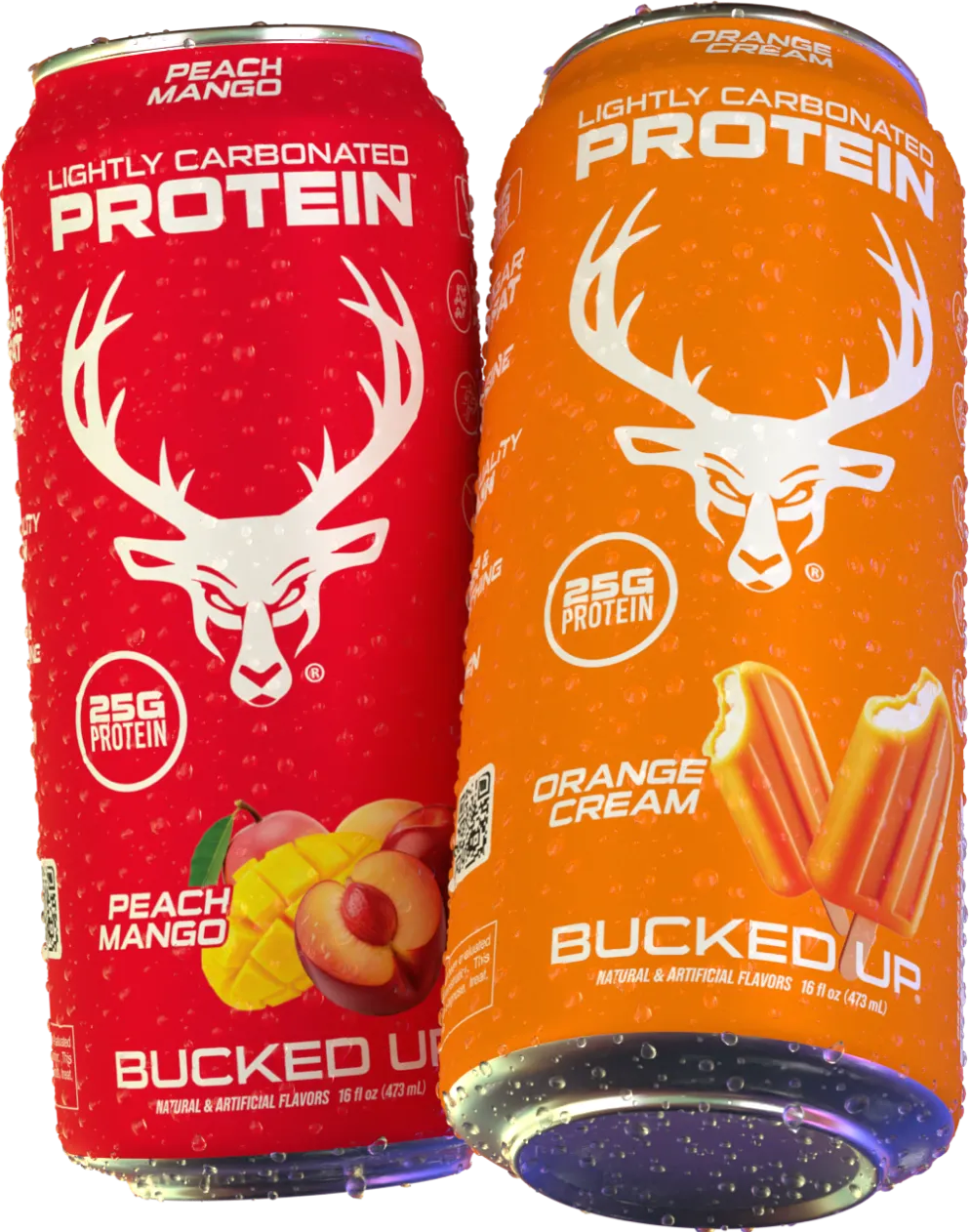
- You can experience these benefits with Bucked Up Protein Soda, which delivers 25g whey isolate in a 100-calorie, zero-sugar can.
9 Key Benefits of Whey Protein Isolate Drinks for Lactose Intolerant People
Whey protein isolate drinks give lactose-sensitive people a practical way to increase protein intake without the heaviness of traditional shakes.
1. Minimal Lactose Content: Whey protein isolate contains at least 90% protein by weight on a dry matter basis with very low fat and little to no lactose due to additional filtration steps. Many lactose-sensitive individuals who experience bloating with concentrate products tolerate isolate much more comfortably.
2. Faster Digestion and Absorption: Whey protein isolate digests and absorbs quickly because it contains very little fat and lactose. This rapid uptake supports faster nutrient delivery compared to concentrate forms.1
3. Enhanced Muscle Recovery: Whey protein isolate’s high leucine content activates the mTORC1 pathway by phosphorylating mTOR, stimulating skeletal muscle protein synthesis. This effect supports muscle recovery and growth, even on days without intense training.1
4. Low-Calorie Protein Delivery: Quality whey isolate drinks like Bucked Up provide 25g of protein in just 100 calories. This efficient protein-to-calorie ratio supports weight management goals by delivering muscle-building nutrients without the excess caloric load that can interfere with fat loss objectives.1

5. Ready-to-Drink Convenience: Carbonated protein sodas remove prep work, scoops, and cleanup. You get grab-and-go nutrition that fits busy schedules without needing blenders or shaker bottles.
6. Zero Sugar and Carbohydrates: Pure whey isolate formulations contain no added sugars or carbohydrates. This profile works well for ketogenic and low-carb eating patterns and avoids blood sugar spikes.1
7. Refreshing Non-Milky Taste: Clear, carbonated formats create a light, crisp drinking experience instead of a thick, creamy shake. This style can feel easier on the stomach and avoids the milky texture some people dislike.
8. GLP-1 Medication Support: People using medications like Ozempic or Wegovy often struggle to eat enough protein because of reduced appetite. Liquid protein can feel easier to consume and helps support muscle mass during weight loss phases.1
9. Caffeine-Free Versatility: Protein sodas without caffeine fit into morning, afternoon, or evening routines. You can drink them before bed without worrying about sleep disruption or stimulant side effects.
Customer feedback reflects these benefits: “The protein sodas far exceeded my expectations. They taste similar to an energy drink and don’t have any weird aftertaste like some other clear whey protein drinks do.”
Is Whey Protein Isolate Safe for Lactose Intolerance?
Many lactose-intolerant individuals tolerate whey protein isolate well because of its advanced processing. Whey protein isolate undergoes additional processing to remove most fats, lactose, and carbohydrates, creating a high-protein, low-lactose ingredient that often works for people with lactose intolerance.
The filtration process significantly reduces lactose content, leaving often under 1g per serving. This amount usually falls below the level that triggers digestive symptoms in many lactose-sensitive individuals.
Whey Protein Isolate vs. Concentrate for Lactose Intolerant People
The distinction between whey protein isolate and concentrate matters for lactose-intolerant consumers. Whey protein concentrate powders contain varying levels of protein by weight and more lactose per serving, while isolate offers a higher protein concentration with much less lactose.
This processing difference explains why many people experience bloating, gas, or stomach discomfort with concentrate products but tolerate isolate formulations more easily. Bucked Up Protein Soda uses 100% whey protein isolate without mixing in collagen or other proteins that could affect amino acid completeness or digestibility. The following comparison shows how Bucked Up’s isolate-based soda differs from other common ready-to-drink options:
| Product Type | Protein Content | Lactose Content | Format |
|---|---|---|---|
| Bucked Up Protein Soda | 25g Whey Isolate | <1g per serving | Carbonated RTD (100 cal) |
| Premier Protein | 30g Mixed Proteins | Variable (concentrate blend) | Creamy RTD (160 cal) |
| Fairlife Core Power | 26g Milk Protein | Reduced but present | Milk-based RTD (170 cal) |
Can Lactose Intolerant People Drink Whey Protein Drinks?
Lactose-intolerant individuals can often drink whey protein safely when they choose isolate-based formulations. The key difference is that whey protein isolate typically contains less than 1 gram of lactose per 25–30 gram serving, which many lactose-sensitive individuals tolerate much better than whey concentrate.
The advanced filtration used to create whey isolate removes most of the lactose that causes digestive distress. At the same time, it preserves the complete amino acid profile needed for muscle protein synthesis and recovery.
Why Clear Whey Protein Sodas Work Well for Lactose Intolerance
Clear, carbonated protein beverages offer a modern alternative to traditional milky protein shakes for lactose-sensitive consumers. Whey protein isolate is the preferred choice for clear beverages due to its high solubility, low fat and lactose content, and strong heat and acid stability, especially in low pH drinks.
The carbonated format feels more like a flavored soda than a dairy drink, which can reduce anticipatory digestive discomfort for some people. Bucked Up’s lightly carbonated approach delivers protein in a format that feels like a treat instead of a chore. Try Bucked Up’s carbonated protein soda to experience this style of protein supplementation.
Benefits for GLP-1 Users on Ozempic and Similar Medications
People using GLP-1 receptor agonists like Ozempic or Wegovy often face challenges meeting daily protein needs because of reduced appetite and slower gastric emptying. Ready-to-drink protein sodas deliver 10 to 30 grams of protein per can and have emerged as a convenient option for consumers, especially those on GLP-1 medications who struggle to meet protein needs from food.
The liquid format can feel easier to consume when solid meals seem unappealing, and carbonation may help some users manage mild nausea. The light, refreshing texture often feels more approachable than heavy, creamy shakes when appetite is low.
User Stories: How Bucked Up Fits Busy, Active Lives
Real-world experiences show how carbonated protein drinks fit into different routines. One user shared, “I need to consume 130g of protein daily, and honestly, I’ve never found a product that made that goal feel this easy. I could knock back multiple cans a day and actually enjoy doing it. I’ve probably just replaced all my sodas for good.”
Busy professionals and parents appreciate that the ready-to-drink format removes prep time while still delivering substantial protein. Gym-goers enjoy a refreshing post-workout option that does not feel heavy or interfere with movement. GLP-1 users often find the liquid format easier to handle when solid food intake drops.
The caffeine-free profile also supports flexible timing. You can use these drinks for evening protein goals or as a more nutritious swap for regular sodas throughout the day.
Choosing Protein Drinks for Lactose Intolerance: Practical Tips
When you evaluate protein drinks for lactose intolerance, look for products that list whey protein isolate as the primary protein source. Avoid options that rely on concentrates or mixed proteins if you know lactose triggers symptoms, and check labels for clear information on lactose or sugar content. The global reduced lactose whey market reached $17.52 billion in 2026, which reflects growing interest in these specialized products.
Bucked Up Protein Soda uses 100% whey protein isolate and transparent labeling. Many people drink it within 30 minutes after workouts for recovery, as a quick snack between meals, or in the evening without worrying about caffeine.
Always read ingredient lists carefully, because some products marketed as “whey protein” can contain concentrates or blended proteins that trigger lactose sensitivity symptoms. Get guaranteed 100% whey isolate with Bucked Up Protein Soda if you want a clearly isolate-based option.
Frequently Asked Questions
How much lactose is actually in whey protein isolate?
Whey protein isolate typically contains less than 1 gram of lactose per 25–30 gram serving because filtration removes most of the lactose found in regular whey. This minimal amount is often well tolerated by many lactose-sensitive individuals, while whey concentrate usually contains more lactose per serving.
Is whey protein isolate keto-friendly?
Yes. Pure whey protein isolate is keto-friendly because it contains zero carbohydrates and no added sugars. Bucked Up Protein Soda is formulated to maintain zero carbs and zero sugar while providing 25g of complete protein.
Can I drink whey protein isolate every day safely?
Many healthy individuals use whey protein isolate daily to help meet protein requirements. Its high biological value and complete amino acid profile make it suitable for regular use. People with medical conditions should check with a healthcare provider before making major changes to protein intake.
Why is whey protein isolate a strong option for lactose intolerant people?
Whey protein isolate goes through extra processing steps that remove most lactose, fat, and carbohydrates while concentrating the protein content. This process creates a dairy-derived protein that many lactose-sensitive individuals can use to get a complete amino acid profile with less digestive discomfort.
How does carbonated protein soda compare to regular protein shakes?
Carbonated protein sodas provide a lighter, more refreshing experience than thick, creamy shakes. They still deliver significant protein but avoid the heavy mouthfeel some people dislike. The carbonation can also make the drink feel easier to sip, especially for those who struggle with traditional shake textures.
Is whey protein isolate suitable for people taking GLP-1 medications?
Whey protein isolate in liquid form can help people on GLP-1 medications who experience reduced appetite and difficulty eating solid foods. The drinkable format is often easier to finish, and the high-quality protein supports muscle maintenance during weight loss.
Conclusion: A Gut-Friendly Way to Hit Your Protein Goals
Whey protein isolate drinks give lactose-intolerant individuals a way to increase protein intake with less digestive stress. They support absorption, muscle recovery, and daily convenience in formats that many people actually enjoy drinking.1
Bucked Up Protein Soda combines whey isolate with a crisp, carbonated experience that feels closer to a flavored soda than a shake. For lactose-sensitive individuals, GLP-1 users, and anyone who wants an easier way to reach daily protein targets, this style of drink can provide bloat-friendly, great-tasting support. Shop Bucked Up Protein Soda now to see how a carbonated protein drink can fit into your routine.
1 The content provided in this article is for informational purposes only and is not medical advice. Consult with a medical professional before implementing any changes to your diet, health, or exercise routines.
Individual results will vary and are based on a combination of each individual’s diet, exercise, age, and health circumstances.
These statements have not been evaluated by the Food and Drug Administration. This product is not intended to diagnose, treat, cure or prevent any disease.
This article was written by Ryan Gardner, CEO of Bucked Up. As the maker of Bucked Up Protein Soda, we have a financial interest in this information. The views expressed are our own and should be read with that context in mind.