Last updated: April 22, 2026
Key Takeaways for GLP-1 Muscle Protection
- GLP-1 meds like Ozempic and Wegovy can cause 25-40% of weight loss to come from muscle without a clear plan, which slows metabolism and reduces strength.
- Target 1.2-1.6g protein per kg body weight (about 90-150g daily for many adults) and spread it across 20-40g meals to support lean mass.
- Lift weights or do resistance training 2-4 times per week for 30-45 minutes, focusing on major muscle groups to tell your body to keep muscle.
- Lose weight at 1-2 lbs per week, time protein after workouts, stay hydrated, and track body composition and strength instead of relying only on the scale.
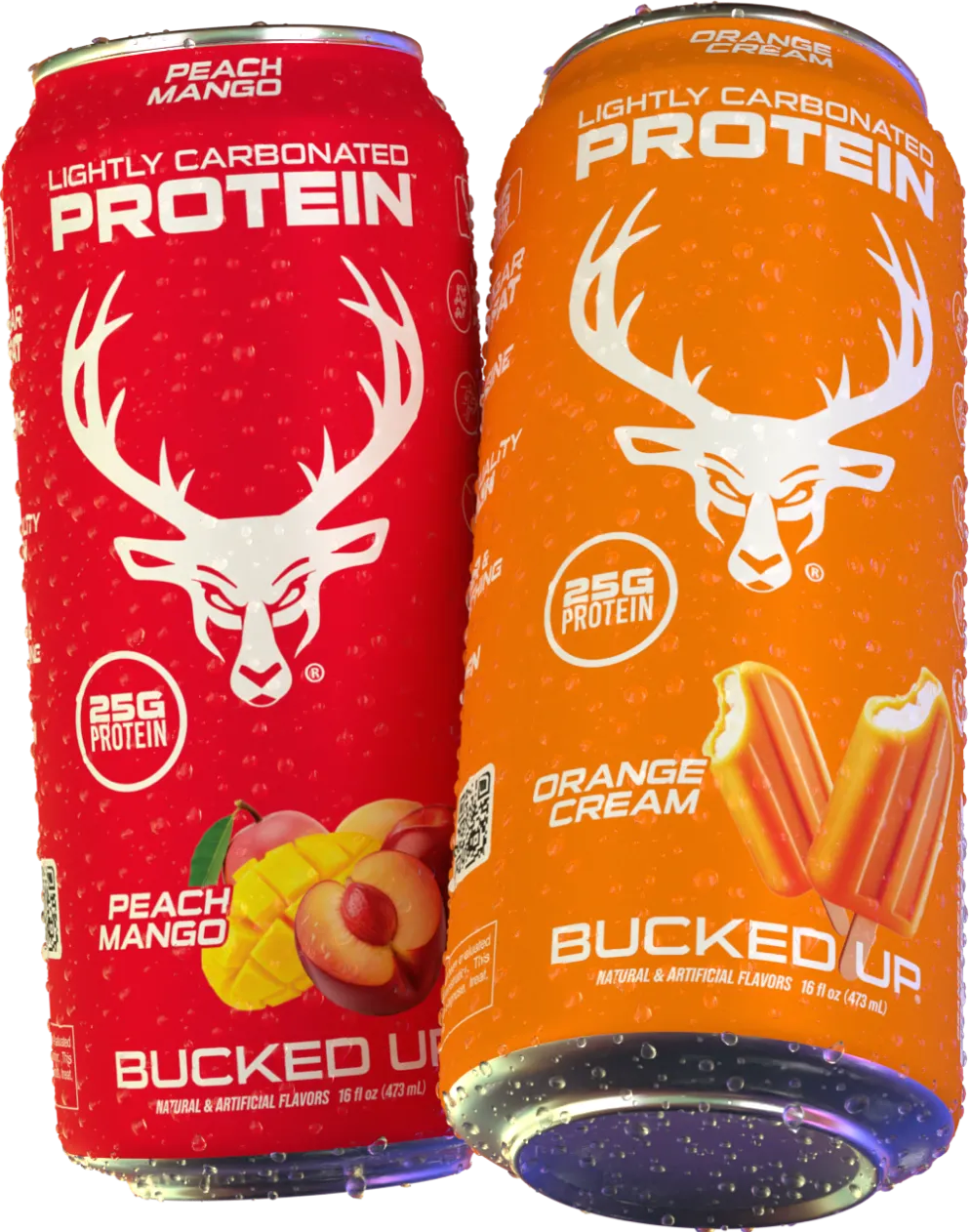
- Use Bucked Up’s Carbonated Protein Soda with 25g whey isolate and 100 calories to get protein down easily when GLP-1 meds reduce appetite or cause nausea.1
Why GLP-1 Medications Increase Muscle Loss Risk
GLP-1 receptor agonists reduce appetite and slow stomach emptying, which often creates rapid weight loss but also raises the risk of muscle loss. When you eat far fewer calories without enough protein or resistance training, your body starts breaking down muscle tissue for energy. Research shows that about 30% of weight loss on semaglutide can come from lean body mass, and UC Davis reports 15-25% lean mass loss with rapid GLP-1-related weight reduction. This muscle loss slows metabolism, reduces strength, and can contribute to long-term health problems.
Fortunately, you can protect muscle during GLP-1 therapy with higher protein intake, consistent resistance training, and a few targeted habits. The seven steps below give you a clear, practical framework.
7 Proven Steps to Prevent Muscle Loss on GLP-1
Step 1: Calculate Your Protein Target and Hit It Daily
Protein becomes even more critical when you are losing weight quickly on GLP-1 medications. Adults on GLP-1 medications should target 1.2-1.6 grams of protein per kilogram of body weight daily, which works out to roughly 90-150 grams per day for many people. To calculate your range, divide your weight in lbs by 2.2 to get kilograms, then multiply that number by 1.2 and 1.6. For a 150-pound person, this equals about 82-109 grams of protein per day. Divide your total into 20-40 gram portions across meals and snacks so your muscles receive steady building blocks throughout the day.
Step 2: Lift Weights 2–4 Times Per Week to Signal Muscle Retention
Resistance training tells your body to hold on to muscle while you lose fat. Strength training 2-4 times per week for 30-45 minutes per session, targeting major muscle groups, significantly reduces muscle loss during GLP-1 therapy. A practical starting point is 50-70% of your estimated 1-repetition maximum, with 2-3 sets of 10-15 repetitions across 8-10 major exercises. Beginners can start with bodyweight squats, pushups against a wall or counter, and simple pulling or rowing movements three times per week.
Step 3: Keep Weight Loss to 1–2 Pounds Per Week
Aim for steady weight loss of 0.5-1% of body weight per week and avoid extreme calorie restriction below 800-1,000 calories per day. This moderate pace matters because very rapid loss increases the share of weight that comes from muscle. When the calorie deficit is too severe, your body treats it like starvation and breaks down more lean tissue. If you are consistently losing more than 2 lbs per week, work with your healthcare provider to adjust your GLP-1 dose or nutrition plan to slow the pace and protect muscle.
Step 4: Time Protein After Workouts for Better Recovery
Eating protein soon after training supports muscle repair and growth. Aim for 25-40 grams of high-quality protein within about 30 minutes after resistance exercise to support muscle protein synthesis and recovery. This timing can be especially helpful when you are in a calorie deficit from GLP-1 therapy, because your muscles need clear signals and building blocks to rebuild.
Step 5: Use Easy, Liquid Protein When Appetite Is Low
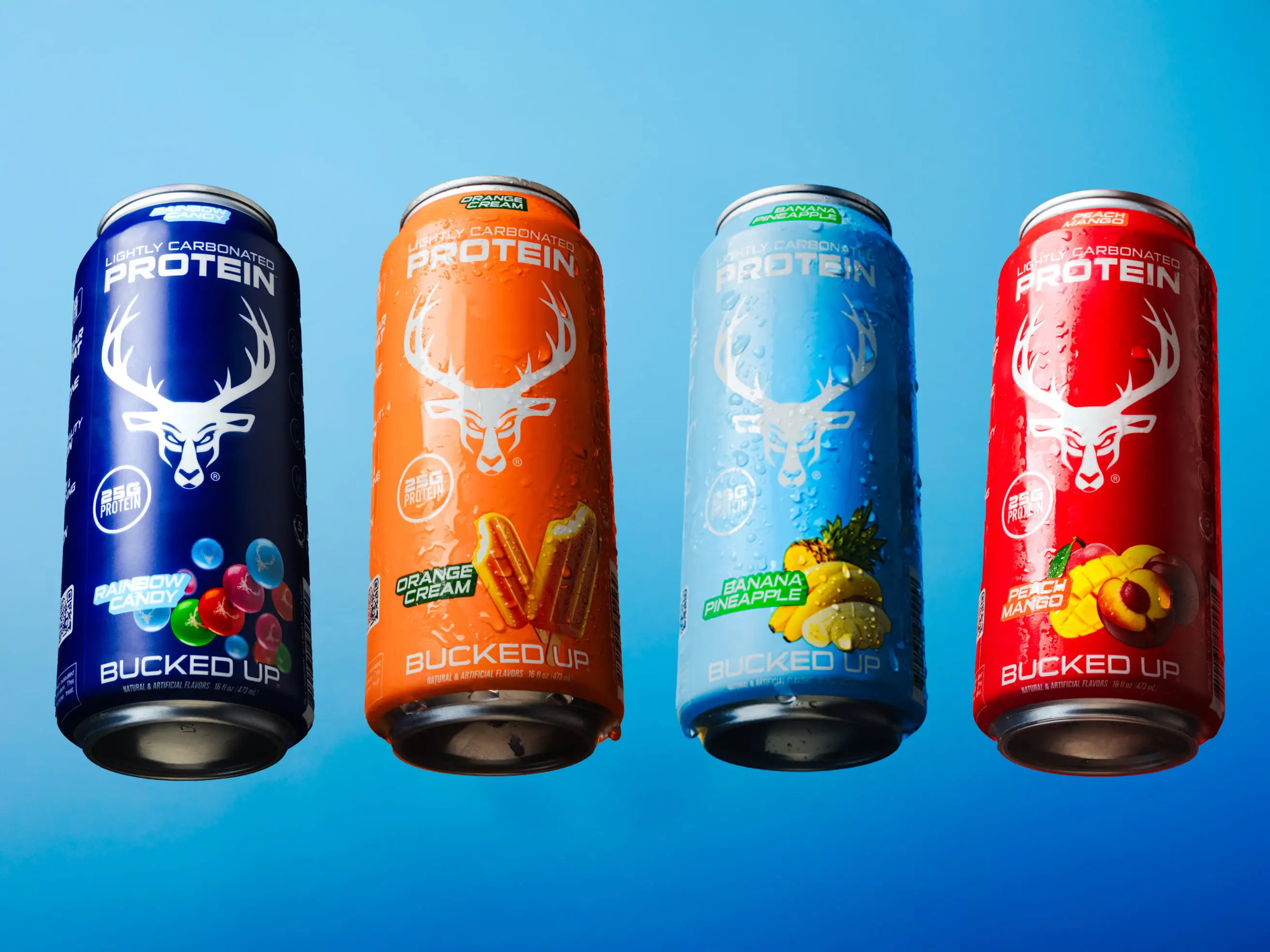
Liquid protein can help you hit your targets when solid food feels heavy or triggers nausea. Traditional protein shakes often feel thick and can worsen GLP-1 side effects, while lighter options such as Bucked Up Protein Soda can feel easier to drink. With 25 grams of easily absorbed whey protein isolate in just 100 calories, this lightly carbonated drink tastes closer to an energy drink than a dense shake.1 The sugar-free, carb-free formula supports blood sugar control, and the refreshing soda style can be easier to tolerate when appetite is low.1 Try Bucked Up Protein Soda to experience the difference of carbonated protein delivery.
Step 6: Stay Hydrated and Cover Key Micronutrients
Consistent hydration supports protein metabolism, recovery, and overall health during weight loss. Aim for 3-4 liters of water per day to help your body process higher protein intake and support performance in the gym. Ensure you are getting enough micronutrients like vitamin D and enough total calories to support muscle preservation during GLP-1 therapy. When appetite is low and food intake drops, a high-quality multivitamin can help fill nutritional gaps.
Step 7: Track Muscle, Strength, and Function Over Time
Monitoring more than just scale weight helps you catch muscle loss early. Track body composition with tools such as DEXA scans, smart scales, or tape measurements when available. Watch for signs of muscle loss including trouble standing from a chair, weaker grip strength, slower walking speed, and increased fatigue. Regular visits with your healthcare provider should include body composition checks and simple strength or function tests so you can adjust your plan if needed.
Sample 120-gram Protein Day for GLP-1 Users
This sample day shows how to reach about 120 grams of protein while working around common GLP-1 side effects. Start with 2 eggs and Greek yogurt at breakfast for around 30 grams of protein. Have a Bucked Up Protein Soda mid-morning for another 25 grams that goes down easily when solid food feels challenging.1 At lunch, choose a small chicken salad with about 25 grams of protein. After your workout, drink another Bucked Up Protein Soda for 25 grams more. Finish the day with 4 oz of fish and vegetables at dinner for about 25 grams of protein. This pattern spreads protein evenly, supports muscle, and respects reduced appetite and nausea. Get Bucked Up Protein Soda to make hitting your protein targets easier even when solid food feels tough.1
Helpful Supplements for GLP-1 Muscle Support
Protein forms the base of any muscle-preserving plan, but a few other supplements can add support. Creatine, leucine, and taurine are mentioned for supporting muscle maintenance during weight loss. Many people use 3-5 grams of creatine monohydrate daily to support strength and muscle volume. Whey protein isolate offers a complete amino acid profile for muscle repair. Collagen protein can support joints and skin, which may matter more as body weight drops.1
Conclusion: Protect Muscle While You Lose Weight on GLP-1
Preventing muscle loss on GLP-1 medications works best when you combine higher protein intake, resistance training, and smart supplementation. By following these seven steps and using practical tools like Bucked Up Protein Soda, you can support lean mass while still progressing toward your weight loss goals.1 The carbonated protein format provides an easier way to reach your daily protein target when appetite is low or nausea is present.1 Start your muscle preservation strategy with Bucked Up Protein Soda today.
FAQ
How much protein should I consume daily while on GLP-1 medications?
Adults on GLP-1 medications should target 1.2-1.6 grams of protein per kilogram of body weight daily, which equals roughly 90-150 grams per day for many people. This higher intake helps counteract the muscle loss that can occur with rapid weight reduction. Spread your protein across several meals and snacks, aiming for 20-40 grams per eating occasion to support muscle protein synthesis throughout the day.
Is it safe to drink Bucked Up Protein Soda daily while on GLP-1 medications?
Bucked Up Protein Soda can fit into a daily routine as part of a balanced nutrition plan. Each serving provides 25 grams of whey protein isolate with no sugar and no carbs, which makes it compatible with many eating styles.1 Always check with your healthcare provider about any dietary changes or supplements when taking GLP-1 medications, especially if you have medical conditions or take other prescriptions.
How does Bucked Up Protein Soda compare to other protein drinks for GLP-1 users?
Bucked Up Protein Soda can stand out for GLP-1 users because it uses whey isolate protein, while some other drinks use concentrated whey or collagen blends. The lightly carbonated, energy drink-style format can feel more refreshing and easier to sip when you are dealing with nausea or low appetite. The clear formula provides complete amino acids to support muscle repair.1
Is Bucked Up Protein Soda compatible with keto and paleo diets?
Bucked Up Protein Soda contains zero carbohydrates and zero sugar, which can support keto approaches. The whey protein isolate does not include artificial fillers. Review the product label and ingredients to confirm how it fits with your specific paleo guidelines. Many people use it as a convenient protein source while following low-carb patterns on GLP-1 therapy.
Does the carbonation in protein soda affect protein absorption?
Carbonation does not reduce protein absorption. The whey protein isolate in Bucked Up Protein Soda is rapidly absorbed regardless of the bubbles. The liquid format may even support faster absorption compared to many solid protein foods, which can be helpful for GLP-1 users who want efficient recovery.1 The carbonation simply adds a more enjoyable, soda-like drinking experience.
1 The content provided in this article is for informational purposes only and is not medical advice. Consult with a medical professional before implementing any changes to your diet, health, or exercise routines.
Individual results will vary and are based on a combination of each individual’s diet, exercise, age, and health circumstances.
These statements have not been evaluated by the Food and Drug Administration. This product is not intended to diagnose, treat, cure or prevent any disease.
This article was written by Ryan Gardner, CEO of Bucked Up. As the maker of Bucked Up Protein Soda, we have a financial interest in this information. The views expressed are our own and should be read with that context in mind.