Last updated: April 22, 2026
Key Takeaways
- Gain about 5-10lbs of lean muscle in 8-12 weeks by eating a 300-500 calorie surplus and 1.8-2.2g protein per kg bodyweight daily.
- Spread protein across 4-5 meals every 3-4 hours, and prioritize 20-40g whey isolate after training to support muscle growth.1
- Time carbohydrates with your training: 30-60g per hour during endurance work, and focused pre- and post-session carbs for strength athletes.
- Follow the sample daily meal structure (2800-3200 calories) and adjust carbs and portions based on your sport and training load.
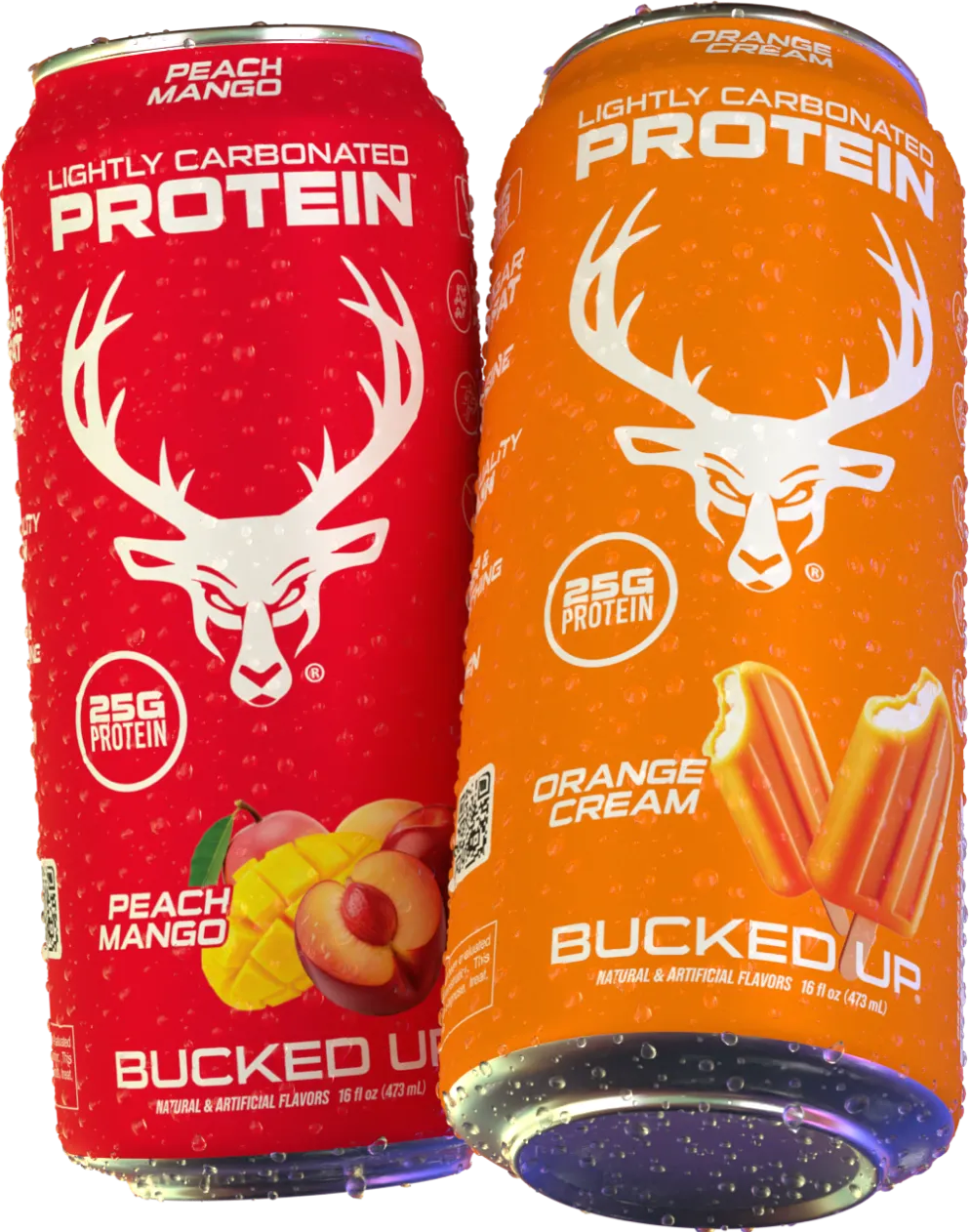
- Simplify post-workout nutrition with Bucked Up Protein Soda, which provides 25g whey isolate, zero sugar, and zero carbs in a carbonated drink.
7 Muscle-Building Nutrition Strategies for Competitive Athletes
These evidence-based strategies create a practical system for muscle building. They start with total energy intake, then dial in protein and carbohydrates, and finish with timing, food choices, and consistency.
1. Establish an Optimal Caloric Surplus (300-500 calories)
Create a moderate surplus of 300-500 calories above maintenance to support muscle growth while limiting excess fat gain. Strength athletes can emphasize 40-60% of calories from carbohydrates for glycogen replenishment. Endurance athletes benefit from moderate carbohydrate intake distributed throughout training sessions.
2. Set Protein Intake and Spread It Across the Day
Consume 1.8-2.2g of protein per kg of bodyweight daily, split into 4-5 meals spaced 3-4 hours apart. This pattern supports steady amino acid availability for muscle repair and growth. Whey isolate absorbs faster than concentrate, so a clear isolate drink can work well when you need rapid protein after training.1
3. Plan Carbohydrate Fueling and Timing Around Training
Time carbohydrate intake around your hardest sessions to support performance and recovery. Consume 30-60g of carbohydrates per hour during endurance sessions to maintain energy. For strength training, focus carbohydrates before and after workouts to refill glycogen and support muscle repair.
4. Use the Post-Workout Window Effectively
Consume 20-40g of high-quality protein within 30 minutes to 2 hours post-workout to support muscle protein synthesis.1 A carbonated whey isolate drink can provide this dose in a light, easy-to-digest format that many athletes find more comfortable than heavy shakes.
5. Choose Energy-Dense, Nutrient-Rich Whole Foods
Include calorie-dense whole foods like avocados, nuts, olive oil, and lean meats to meet higher energy needs. These foods also supply vitamins, minerals, and healthy fats that support recovery, hormone balance, and adaptation to training.
6. Adjust Nutrition for Strength and Endurance Demands
Endurance athletes who want to build muscle can increase carbohydrate intake to cover both long sessions and growth. Strength athletes can keep carbohydrates at moderate levels and place more of them around training to support heavy lifting and recovery.
7. Stay Consistent with Convenient Protein Options
Maintain consistent protein intake by using convenient solutions that fit your schedule, such as ready-to-drink whey isolate or portable high-protein snacks.
Optimal Protein Timing for Muscle Protein Synthesis in Athletes
After you cover the post-workout window described earlier, keep protein intake steady through the rest of the day. Consume 20-40g of leucine-rich protein every 3-4 hours to sustain elevated amino acid levels and support ongoing muscle repair.1 Spacing protein this way, instead of taking very large doses at once, helps maintain muscle protein synthesis while reducing the chance of digestive discomfort.
Daily timing examples include:
- Post-training: Bucked Up Protein Soda with a banana for a quick hit of protein and carbohydrates
- Mid-morning: Greek yogurt with berries
- Afternoon: Lean protein with complex carbohydrates
- Evening: Slow-digesting casein or Greek yogurt 30 minutes before sleep
Sample Daily Muscle-Building Meal Structure for Competitive Athletes
This sample daily structure provides 2800-3200 calories with 1.8-2.2g protein per kg bodyweight. It uses Bucked Up Protein Soda as a post-workout option and can be repeated through the week while you rotate specific foods.
| Day | Meal | Macros (kcal/P/C/F) | Notes |
|---|---|---|---|
| 1 | Breakfast: Oats + eggs + berries | 650/45g/75g/18g | High-fiber start |
| 1 | Post-workout: Bucked Up + banana | 300/25g/30g/0g | Rapid recovery |
| 1 | Lunch: Chicken + sweet potato + vegetables | 550/40g/45g/12g | Balanced macros |
| 1 | Snack: Greek yogurt + nuts | 280/20g/15g/15g | Sustained energy |
| 1 | Dinner: Salmon + quinoa + avocado | 620/35g/40g/25g | Omega-3 rich |
| Template | Days 2-7: Repeat structure with different proteins, carbs, and vegetables | 2800-3200 total | Rotate protein sources and produce |
Strength vs. Endurance Variations: Strength athletes can place more carbohydrates before and after lifting sessions. Endurance athletes can distribute carbohydrates more evenly throughout the day to support longer training blocks.
Reliable muscle-building foods include eggs, chicken breast, lean beef, oats, sweet potatoes, quinoa, and Greek yogurt. For added convenience, Bucked Up Protein Soda can stand out as a practical post-workout option within this structure.
Why Bucked Up Protein Soda Can Stand Out as a Post-Workout Choice for Athletes
Bucked Up Protein Soda offers several features that can appeal to competitive athletes looking for a lighter protein drink.
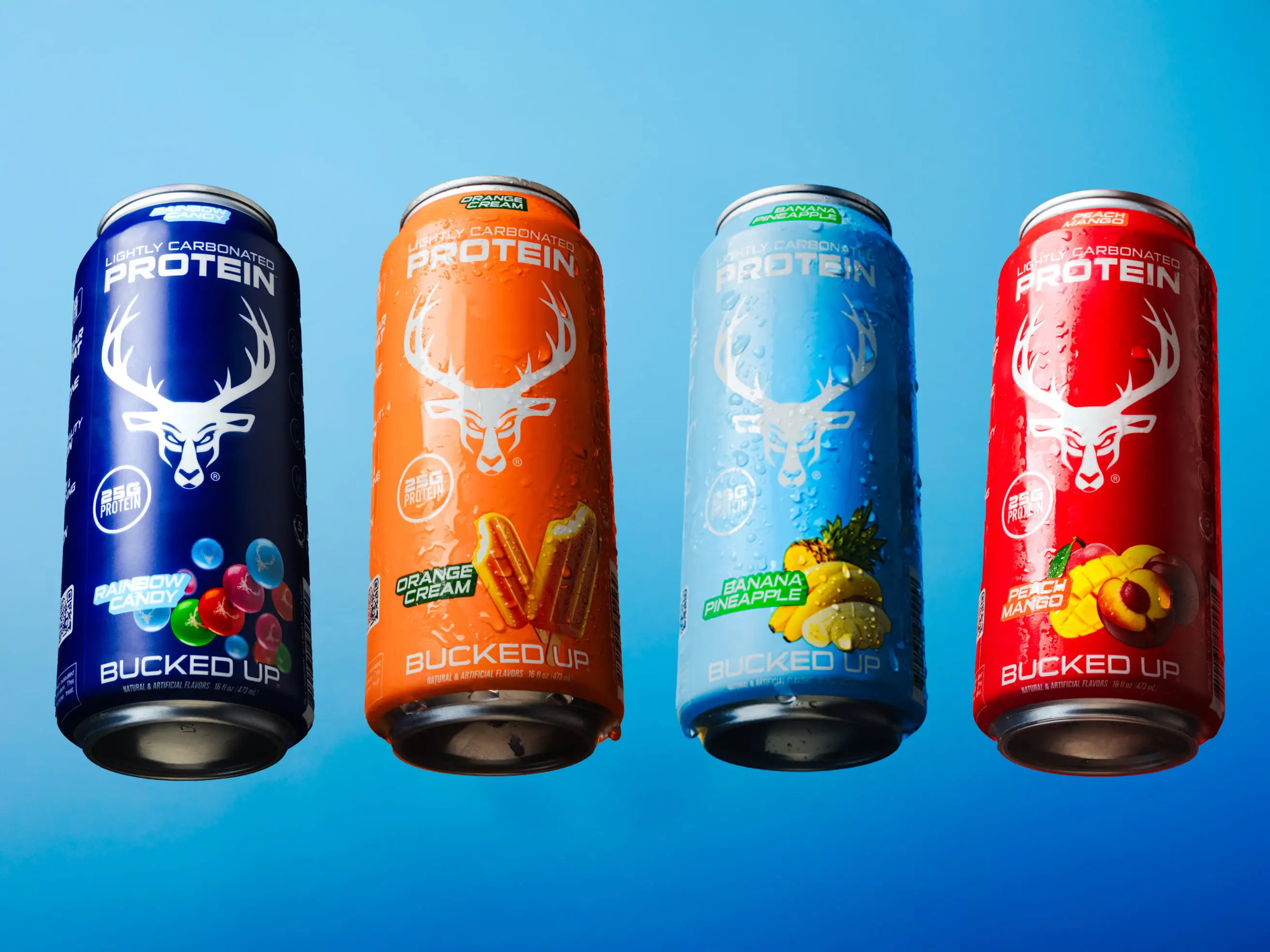
- 100% Whey Isolate: Provides rapid absorption with reduced lactose content, which can support post-workout recovery.1
- Carbonated Format: Creates a clear, fizzy drink that avoids the thick texture and heaviness some athletes experience with traditional shakes.
- Macro Profile: Supplies 25g protein in about 100 calories with zero sugar and carbs, which can support lean mass goals.1
- Compared to Some Competitors: Premier Protein uses milk protein concentrate or a mix of whey protein concentrate, whey protein isolate, and milk protein, while Muscle Milk uses calcium caseinate, milk protein isolate, and sodium caseinate. Bucked Up uses pure whey isolate, which can support faster digestion compared with blends that include slower proteins.1
Shop now to try a carbonated whey isolate option for your post-workout routine.
Frequently Asked Questions
What is the difference between whey isolate and concentrate for athletes?
Whey isolate undergoes more extensive processing to remove fat and lactose, which results in faster absorption and higher protein purity. This profile can work well after training when rapid amino acid delivery matters most.1 Bucked Up uses 100% whey isolate, while some competitors use concentrate or combine isolate with collagen or other proteins.
Can athletes use Bucked Up Protein Soda daily?
Yes, Bucked Up Protein Soda is caffeine-free and designed for regular use. Athletes can include it every 3-4 hours as part of their overall protein distribution plan without affecting stimulant intake or sleep. The zero sugar and zero carb profile fits both training days and rest days.
How does Bucked Up compare to traditional protein drinks?
Bucked Up offers a clear, carbonated alternative to creamy, milk-based protein shakes. While some traditional drinks use whey concentrate or add collagen, Bucked Up provides pure whey isolate in a lighter format that avoids the chalky textures and heaviness common with many powder-based products.
Is Bucked Up suitable for competition preparation?
Many athletes in cutting or competition prep phases look for protein sources with controlled calories and minimal sugar. With about 100 calories per serving and zero sugar or carbs, Bucked Up can support lean mass maintenance while you manage overall intake.1 The ready-to-drink format also makes it easier to keep protein consistent during busy competition schedules.
Is Bucked Up Protein Soda keto and paleo-friendly?
Yes, Bucked Up contains zero carbs and no sugar, so it aligns with ketogenic and many paleo-style approaches. The pure whey isolate supplies complete amino acids without added sugars or starches that could conflict with these eating patterns.1
Conclusion
Apply these seven evidence-based strategies and the sample daily meal structure to break through plateaus and aim for 5-10lbs of lean muscle gain in 8-12 weeks. Progress depends on consistent habits, including steady protein timing, smart carbohydrate placement, and a controlled caloric surplus. Fuel elite recovery with Bucked Up Protein Soda, a refreshing, science-informed option that supplies the protein your muscles need without the heaviness of many traditional shakes.1
1 The content provided in this article is for informational purposes only and is not medical advice. Consult with a medical professional before implementing any changes to your diet, health, or exercise routines.
Individual results will vary and are based on a combination of each individual’s diet, exercise, age, and health circumstances.
These statements have not been evaluated by the Food and Drug Administration. This product is not intended to diagnose, treat, cure or prevent any disease.
This article was written by Ryan Gardner, CEO of Bucked Up. As the maker of Bucked Up Protein Soda, we have a financial interest in this information. The views expressed are our own and should be read with that context in mind.