Last updated: April 22, 2026
Key Takeaways
- Protein absorption rates differ by source. Whey isolate absorbs fastest at 8-10 g per hour with a 15-30 minute peak, which supports post-workout muscle protein synthesis.1
- Casein releases amino acids slowly over 5-7 hours at about 6 g per hour, which supports overnight muscle preservation and helps reduce muscle breakdown during sleep.1
- Research does not support a strict protein limit per meal. Larger servings such as 100 g can extend the muscle building response for 12 hours or more.1
- Time your proteins with intent: fast whey after training, mixed sources every 3-4 hours, and slow casein before bed to support growth.1
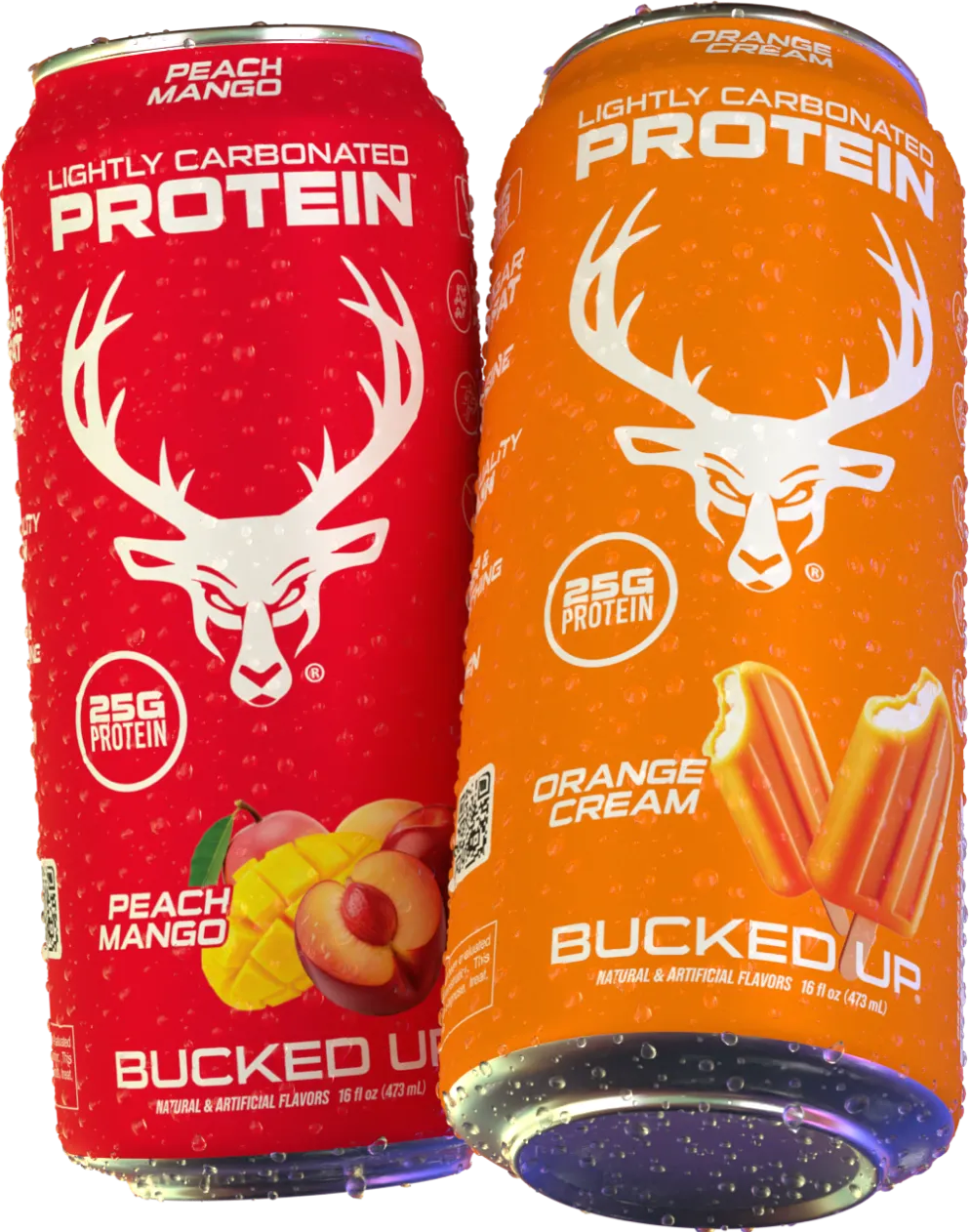
- Choose Bucked Up Protein Soda for 25 g fast-absorbing whey isolate in a refreshing, low-calorie carbonated drink that supports recovery.1
How Protein Absorption Drives Muscle Growth
Protein absorption rate describes how quickly your body breaks down and uses protein, usually measured in grams per hour or time to peak amino acid levels. This timing directly affects muscle protein synthesis (MPS), which repairs and builds muscle tissue after exercise.
Recent findings challenge older ideas about strict protein absorption caps. Research indicates the body handles protein similarly across a wide range of serving sizes. However, consuming 100 g of protein can create a larger and more prolonged (over 12 hours) anabolic response in muscle protein synthesis during recovery compared to 25 g.
Leucine content in a protein source strongly influences how effectively it triggers muscle building pathways. Whey protein isolate contains high leucine levels, which supports post-workout recovery when your muscles benefit from rapid amino acid delivery.1 To use this leucine advantage effectively, you need a clear picture of how fast different proteins deliver amino acids.
Protein Absorption Rates by Source for Muscle Building
Different proteins absorb at different speeds, and those differences shape your timing strategy. Use this chart to match each protein type to the moment when your body benefits most.
| Protein Type | Absorption Speed (g/hr) | Time to Peak | Best Use |
|---|---|---|---|
| Whey Isolate | 8-10 | 15-30 minutes | Post-workout |
| Whey Concentrate | 8-10 | 1-2 hours | General use |
| Hydrolyzed Whey | 10+ | 20 minutes | Rapid recovery |
| Casein | 6 | 5-7 hours | Overnight |
| Egg Protein | 3 (cooked) | 2-5 hours | Meals |
| Pea Protein | 5-7 | 3-4 hours | Vegan sustained |
| Soy Protein | 3-4 | 2-4 hours | Blends |
| Beef Protein | 3-5 | 2-3 hours | Whole food |
Whey protein can spike blood amino acid levels within 15-60 minutes, which supports its role as a fast-absorbing option for post-workout use.1
Fast Digesting Proteins for Post-Workout Muscle Building
Fast-digesting proteins such as whey isolate and hydrolyzed whey deliver amino acids quickly when your muscles are primed for repair.1 Whey protein isolate goes through extra filtration to remove most lactose and fat, which creates a higher purity protein that generally absorbs faster than concentrate.
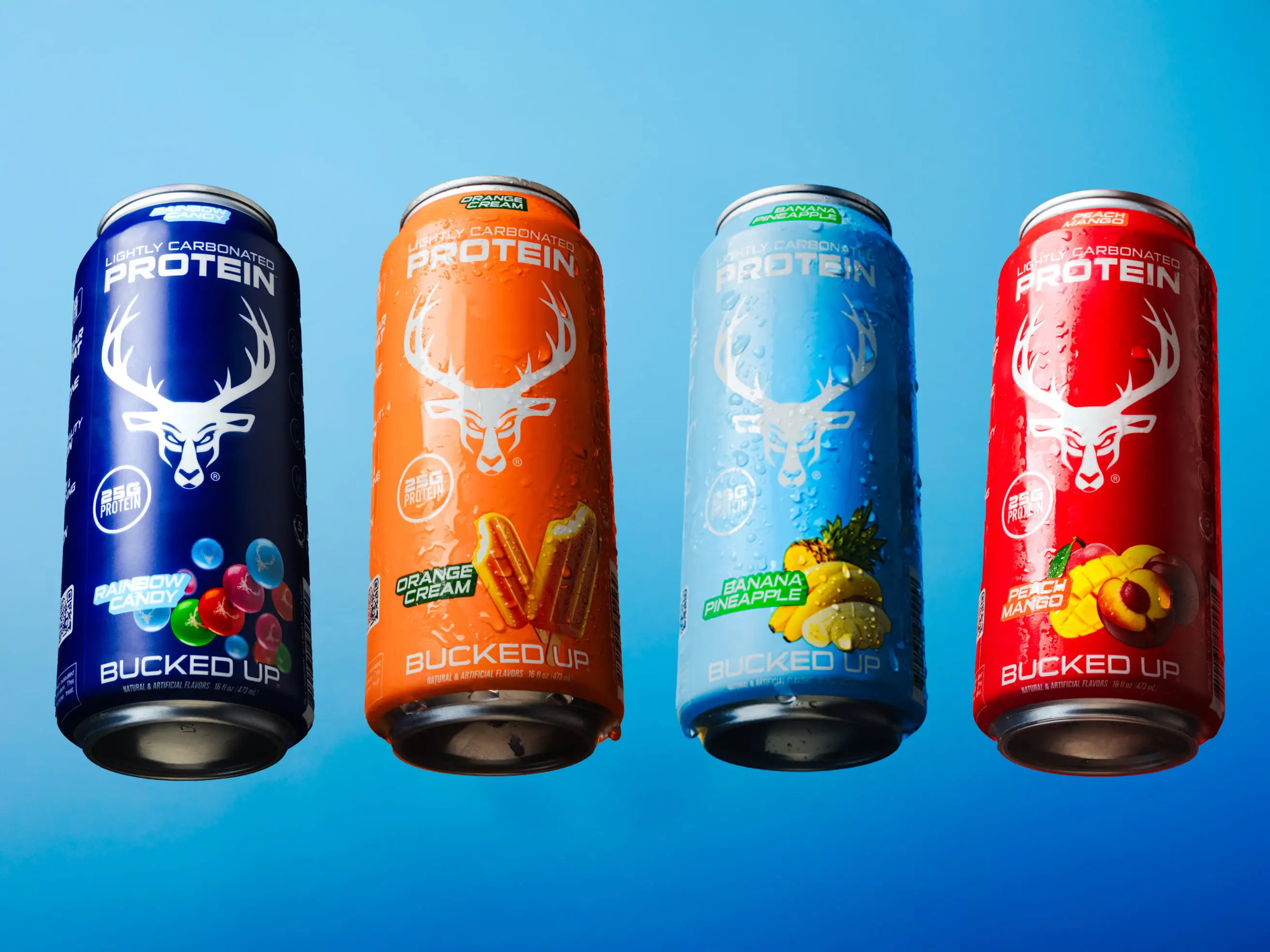
The post-workout recovery window lasts for roughly 24 hours. Consuming 20-30 g of fast-absorbing protein within the first 30 minutes supports the initial muscle protein synthesis response.1 Bucked Up Protein Soda provides 25 g of pure whey protein isolate in a carbonated, refreshing drink that many people find easier to finish than a heavy shake right after training.
Thick, creamy protein drinks can feel heavy after intense workouts and may sit in your stomach. The lighter carbonated format supports rapid protein delivery while helping reduce digestive discomfort.1 Try the carbonated protein format to experience fast-absorbing whey isolate in a soda-style drink.
Slow Digesting Proteins for Overnight Support
Casein protein forms a gel in the stomach and releases amino acids slowly for up to 7 hours, which makes it a strong option for overnight muscle support.1 This extended release pattern helps limit muscle breakdown during long stretches without food, such as while you sleep.1
Plant-based proteins like pea and soy also tend to digest more slowly and provide sustained amino acid release. Many lifters need larger servings of these plant proteins to match the leucine content and muscle building effect of animal-based options. Now that you have both fast and slow absorption profiles in mind, you can start pairing them with specific times of day.
Daily Protein Timing Plan for Muscle Growth
Consistent protein timing supports muscle building throughout the day. Use this simple structure as a starting point and adjust based on your schedule and appetite.
Step 1: Post-Workout (0-30 minutes)
Take 20-25 g of fast-absorbing whey isolate such as Bucked Up Protein Soda to raise amino acid levels quickly and support muscle protein synthesis.1
Step 2: Regular Meals (Every 3-4 hours)
Include around 20-25 g of high-quality protein with each main meal. Combine fast and moderate-absorbing sources such as eggs, lean meat, dairy, or plant-based blends.
Step 3: Pre-Sleep (30-60 minutes before bed)
Have 20-25 g of slow-digesting protein such as casein to support overnight recovery and reduce muscle breakdown.1
Step 4: Adjust for Weight Management Needs
If you follow this timing plan while on a weight loss program or GLP-1 medication, traditional shakes or large meals may feel too heavy. In that case, lighter protein options such as carbonated protein drinks can help you keep the same timing structure and support muscle mass without adding many calories or causing extra digestive stress.1
Special Considerations for Plant Proteins and GLP-1 Users
Plant proteins often show lower digestibility than animal proteins because of fiber and antinutrients that can interfere with absorption. Many people who rely on plant-based protein need larger servings or blended sources to reach similar muscle building effects.
People using GLP-1 receptor agonist medications face specific challenges, since these drugs can slow gastric emptying and reduce appetite. Light, easy-to-drink protein sources such as Bucked Up Protein Soda provide essential amino acids without a heavy feeling in the stomach, which supports muscle retention during weight management.1
The zero-carb, zero-sugar formula also fits keto and paleo approaches while still delivering a complete amino acid profile for muscle preservation.1
Why Bucked Up Protein Soda Can Stand Out for Fast Absorption
Bucked Up Protein Soda can stand out from many traditional ready-to-drink protein options by using whey protein isolate instead of concentrate blends or collagen-only formulas. This pure isolate approach supports faster absorption and complete amino acid delivery during key recovery windows.1
Customer feedback reflects this experience. One user shared, “The protein sodas far exceeded my expectations. They taste similar to an energy drink and don’t have any weird aftertaste like some other clear whey protein drinks do.” Another said, “I was shocked at how clean and refreshing it tasted while still packing a serious 25 g of protein.”
Many milky concentrate-based drinks from brands such as Premier Protein can feel thick and chalky, especially right after training. The clear carbonated format offers rapid protein delivery with a lighter texture that some people find easier to drink post-workout.1 Experience the refreshing difference of pure whey isolate in a carbonated format.
Advanced Tips to Support Protein Absorption
Simple habits can help you get more from every serving of protein. Staying well hydrated supports digestion and nutrient transport, which includes amino acids.
Carbohydrate timing can also play a role. While protein alone stimulates muscle protein synthesis, pairing protein with moderate carbohydrates around workouts can further support the anabolic response.
Try not to skip fast-absorbing protein after training. That early post-workout period gives you a strong chance to support muscle building when protein synthesis rates already run higher than normal.1
FAQ
What is the fastest absorbing protein for muscle building?
Whey protein isolate ranks among the fastest absorbing proteins, with amino acids appearing in the bloodstream within about 15-30 minutes. Hydrolyzed whey can absorb even faster, with a time to peak of roughly 20 minutes. Bucked Up Protein Soda uses pure whey isolate to support quick absorption in a more refreshing format than many traditional shakes.1
How do whey and casein absorption rates compare?
Whey protein usually peaks within 1-2 hours and absorbs at roughly 8-10 g per hour. Casein releases amino acids more slowly over 5-7 hours at about 6 g per hour. Many lifters use whey for post-workout recovery and rely on casein for overnight muscle support during sleep.1
Does carbonation affect protein absorption speed?
Carbonation does not appear to reduce whey protein isolate absorption speed. The protein keeps its fast-absorbing properties, while the carbonated format can make the drink feel lighter and easier to digest than very thick, creamy shakes.
Is protein soda safe for daily use with GLP-1 medications?
Many people using GLP-1 medications can include protein soda daily, but they should always follow their healthcare provider’s guidance. The light 100-calorie format with zero sugar and zero carbs can fit common weight management plans. The easily digestible whey isolate supplies essential amino acids for muscle support without a large calorie load.1
How much protein can the body absorb per meal?
Current research does not support a single strict absorption limit per meal. Larger servings can extend the muscle building response.1 One study showed that the 100 g dose mentioned earlier can sustain anabolic effects for over 12 hours compared with a shorter response from 25 g.
Conclusion
Clear protein absorption and timing strategies can make your training and nutrition work better together. Use the absorption chart and daily timing plan to structure your protein intake across the day and night.
Get your fast-absorbing whey isolate in a convenient, refreshing format that supports both muscle building and muscle preservation goals.1
1 The content provided in this article is for informational purposes only and is not medical advice. Consult with a medical professional before implementing any changes to your diet, health, or exercise routines.
Individual results will vary and are based on a combination of each individual’s diet, exercise, age, and health circumstances.
These statements have not been evaluated by the Food and Drug Administration. This product is not intended to diagnose, treat, cure or prevent any disease.
This article was written by Ryan Gardner, CEO of Bucked Up. As the maker of Bucked Up Protein Soda, we have a financial interest in this information. The views expressed are our own and should be read with that context in mind.