Last updated: April 22, 2026
Key Takeaways for Choosing Transparent Muscle-Building Supplements
- Full ingredient disclosure without proprietary blends lets you see exact dosing. Avoid vague “protein blend” labels that can hide lower-quality fillers.
- Third-party testing such as NSF certification and COAs from ISO 17025 labs confirms purity, heavy metals compliance, and label accuracy under FDA standards.1
- Effective muscle building typically uses 20–30g whey protein isolate per serving, which supports rapid absorption and higher bioavailability than many concentrates.1
- GMP-certified, USA-made products with documented heavy metals testing by ICP-MS help reduce exposure to fillers, artificial additives, and contaminants.
- Experience transparent muscle support with 25g whey isolate in a zero-sugar carbonated format that delivers exactly what the label promises.1
7-Step Checklist for Evaluating Transparent Muscle-Building Ingredients
Transparent supplements list every ingredient and dose so you can judge purity, safety, and effectiveness with confidence. This 7-step checklist helps you quickly separate trustworthy products from those that rely on marketing claims.
1. Full Ingredient Disclosure (No Proprietary Blends)
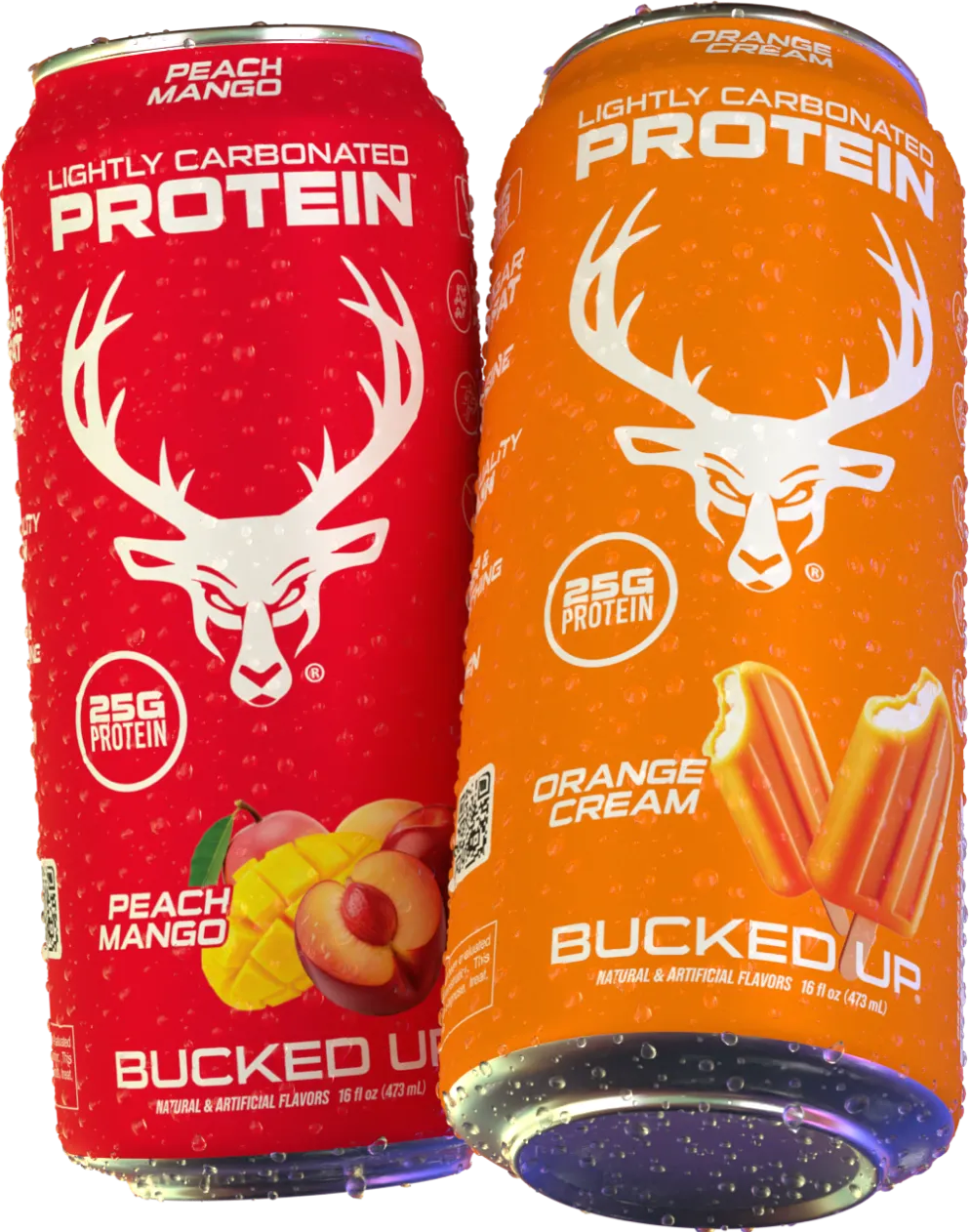
Transparent products list exact amounts for every ingredient. Bucked Up Protein Soda clearly states 25g of whey protein isolate per can, while some competitors use “protein blend” labels that may include lower-quality proteins like collagen to inflate total protein numbers.
2. Third-Party Testing Verification
Look for NSF, Informed Choice, or similar certifications that confirm products meet safety and quality standards. These certifications matter because FDA regulations (21 CFR Part 111 §111.75(a)(1)) require manufacturers to verify ingredient identity in every incoming lot, yet independent certifiers help confirm that brands follow these rules consistently.1 To verify this yourself, request Certificates of Analysis (COAs) from ISO 17025-accredited labs that document the specific tests performed on each batch.
3. Effective Protein Dosing
The International Society of Sports Nutrition (ISSN) recommends 1.4–2.0 grams of protein per kilogram of bodyweight daily for physically active individuals. For muscle protein synthesis at each feeding, many lifters aim for 20–30g protein per serving. Bucked Up’s 25g dose sits in this commonly used range.1
4. Whey Isolate Over Concentrate
Whey protein isolate undergoes additional filtration, resulting in 86% protein content with minimal lactose and fat. This higher purity supports faster absorption and better digestibility compared to whey protein concentrate that has protein levels ranging from 34% to 85%.1
5. Heavy Metals Testing
Heavy metals testing for lead, mercury, cadmium, and arsenic using methods like ICP-MS is considered best practice because these contaminants can accumulate in the body and create long-term health risks. California’s Proposition 65 sets specific safe harbor levels for these metals, and products that exceed those levels must carry warnings. To confirm that a supplement stays below these limits, ask for documentation showing test results compared against Proposition 65 standards.
6. Minimal Fillers and Additives
Transparent products limit unnecessary fillers, artificial colors, and excessive sweeteners. Clean formulations focus on active ingredients that support performance instead of relying on masking agents to cover poor taste or texture.1
7. GMP Certification and USA Manufacturing
FDA’s 21 CFR Part 111 requires manufacturers to follow Good Manufacturing Practice standards for personnel, facilities, equipment, and laboratory operations.1 USA-manufactured products in GMP facilities provide additional quality assurance for consistency and safety. The table below summarizes how to quickly spot transparent products versus red flags across three high-impact evaluation steps.
| Evaluation Step | Transparent Standard (Bucked Up Example) | Red Flag Warning |
|---|---|---|
| Ingredient Disclosure | 25g whey protein isolate clearly listed | “Protein blend” without individual amounts |
| Protein Dose | 25g per serving (within ISSN-informed range) | Less than 20g or inflated with collagen |
| Manufacturing | GMP-certified USA facility | Unknown or overseas manufacturing |
Whey Protein Isolate vs. Concentrate for Clean Muscle Building
The protein source you choose affects absorption speed, purity, and digestibility. Whey protein isolate provides high bioavailability for muscle protein synthesis, which makes it a strong option for focused muscle-building plans.1
Whey protein isolate goes through extra processing steps that remove most lactose, fat, and carbohydrates, creating a purer protein source. This process produces the clear, non-milky appearance seen in products like Bucked Up Protein Soda and contrasts with the cloudy texture of many concentrate-based drinks.
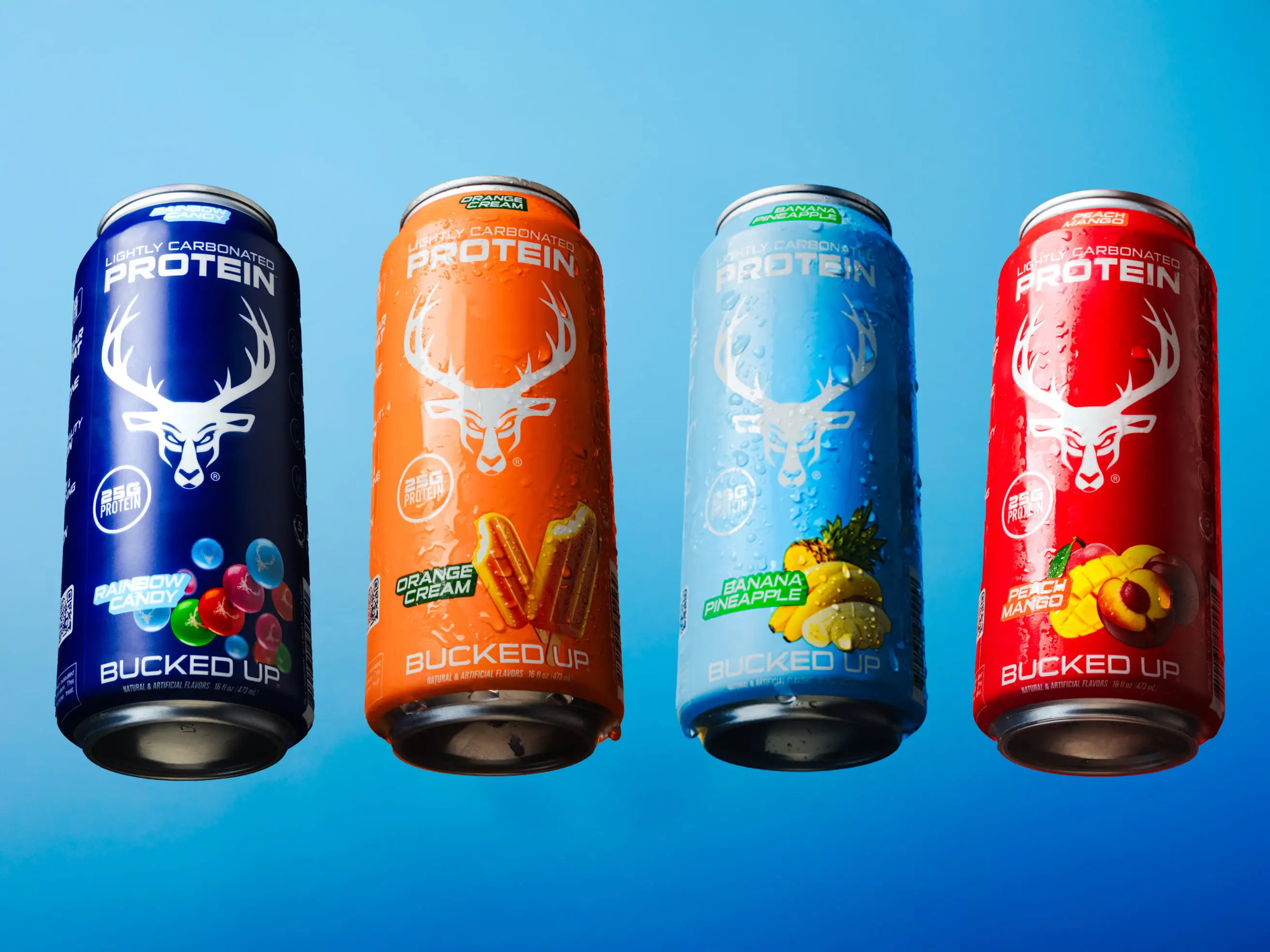
The carbonated format of clear whey isolate offers specific advantages for certain users. GLP-1 users managing reduced appetite often find the light, effervescent texture easier to finish than heavy shakes. Post-workout athletes appreciate the rapid absorption and lighter feel, which can reduce digestive heaviness after intense training.1
The following metrics show how isolate compares to concentrate across key factors that matter for muscle building and everyday use.
| Metric | Whey Isolate (Bucked Up) | Whey Concentrate (Typical RTD) | Advantage |
|---|---|---|---|
| Protein Purity | 86% protein content | protein levels ranging from 34% to 85% | Isolate |
| Calories per 25g Protein | 100 calories, zero carbs | 160+ calories with added carbs | Isolate |
| Absorption Speed | Rapid (clear liquid format)1 | Slower (thicker consistency) | Isolate |
Red Flags vs. Transparent Standards for Heavy Metals and Fillers
Contamination concerns move beyond marketing language and affect real safety. Purity testing screens for unwanted substances such as pesticides, solvents, allergens, and adulterants, which matters especially for protein supplements used daily.
Undisclosed sourcing creates a major red flag. Products that skip clear origin information for their protein sources cannot easily demonstrate consistent purity standards. Independent testing has found concerning levels of heavy metals in some protein products, which highlights the need for third-party verification.
Request Certificates of Analysis that list specific test methods, batch numbers, and results compared to established limits. Valid COAs include lab accreditation details, methods like ICP-MS for heavy metals, and authorized signatures, giving you a clear record of what was tested.
Proprietary blends can hide active ingredient amounts or include alternatives like collagen protein, which lacks the complete amino acid profile needed for muscle building.1 Transparent products like Bucked Up reduce this guesswork by listing exact amounts of each ingredient.
Head-to-Head Comparison: Bucked Up Protein Soda vs. Top Competitors
Traditional ready-to-drink protein options often differ in transparency, taste, and nutritional profile. Premier Protein uses protein blends rather than pure isolate and maintains a milky consistency that some consumers find heavy. The formula also includes added sugars and carbohydrates that raise total calories.
Muscle Milk uses a milk protein isolate and caseinate formulation without added caffeine. The thick, shake-like texture contrasts with Bucked Up’s carbonated, soda-like experience.
Applying the 7-step evaluation framework, Bucked Up Protein Soda stands out in ingredient disclosure (providing the exact isolate amount discussed in Step 1), effective dosing (aligning with ISSN guidance), and format (carbonated for improved palatability). The zero-sugar, zero-carb profile appeals to keto dieters and people closely tracking caloric intake.
Explore Bucked Up’s transparent, isolate-based protein soda and see how it fits the 7-step framework in practice.
Who Benefits Most from Clear, Carbonated Protein Soda
Post-workout recovery often works better with rapid-absorbing formats than with heavy shakes that can cause digestive discomfort.1 The carbonated delivery system supports quicker gastric emptying compared to thick, creamy alternatives, which can feel more comfortable after intense training.1
GLP-1 medication users managing reduced appetite may find traditional protein shakes difficult to finish. The light, effervescent texture of protein sodas offers a more approachable way to support muscle maintenance during weight management.
Busy professionals who need convenient protein sources benefit from ready-to-drink options that require no preparation or cleanup. The soda-like taste profile can make daily protein intake more enjoyable than many traditional supplement flavors.
FAQ
What’s the difference between whey protein isolate and concentrate?
Whey protein isolate undergoes additional filtration to remove lactose, fat, and carbohydrates, resulting in 86% protein content compared to whey protein concentrate that has protein levels ranging from 34% to 85%. As mentioned in the evaluation framework, isolate’s higher purity supports faster absorption and easier digestion, which suits post-workout recovery and many people with lactose sensitivity.1
Is Bucked Up Protein Soda safe for people on GLP-1 medications or keto diets?
Yes. The zero-carb, zero-sugar formulation aligns with GLP-1 weight management protocols and ketogenic lifestyles. The light, carbonated format can be easier to consume when appetite drops, which helps support muscle mass during weight loss.1
How can I verify a supplement is free from heavy metals?
Request a Certificate of Analysis from the manufacturer that shows testing results for lead, mercury, cadmium, and arsenic. Look for testing performed by ISO 17025-accredited laboratories using validated methods like ICP-MS. Avoid products that cannot provide this documentation.
Does Bucked Up Protein Soda taste like traditional protein shakes?
No. The carbonated format creates a soda-like experience without the chalky texture or milky mouthfeel of many traditional shakes. The clear whey isolate formulation removes the heavy consistency that some users notice in concentrate-based products.
What third-party testing should I look for in protein supplements?
Seek products with NSF or Informed Choice certification, which verify label accuracy and screen for banned substances. Also look for GMP manufacturing certification and COAs that show heavy metals testing, microbial testing, and identity verification of all ingredients.
Conclusion: Apply the 7-Step Framework with Bucked Up
The 7-step evaluation framework highlights clear differences between transparent and opaque supplement formulations. Products that provide full ingredient disclosure, effective dosing, and independent testing support more informed muscle-building decisions. Bucked Up Protein Soda aligns with these transparent standards through its fully disclosed formulation, zero-sugar profile, and carbonated delivery system.
Apply the 7-step framework yourself with Bucked Up’s fully disclosed formulation and experience how transparent supplementation can support your training goals.
1 The content provided in this article is for informational purposes only and is not medical advice. Consult with a medical professional before implementing any changes to your diet, health, or exercise routines.
Individual results will vary and are based on a combination of each individual’s diet, exercise, age, and health circumstances.
These statements have not been evaluated by the Food and Drug Administration. This product is not intended to diagnose, treat, cure or prevent any disease.
This article was written by Ryan Gardner, CEO of Bucked Up. As the maker of Bucked Up Protein Soda, we have a financial interest in this information. The views expressed are our own and should be read with that context in mind.