Key Takeaways
- Effective muscle building in 2026 depends on consistent protein intake that matches your training, not just hard workouts.
- Many active people benefit from higher daily protein targets, especially when intake is spread across several meals and snacks to support muscle repair and growth.
- Identifying your typical low-protein moments, such as post-workout or during busy workdays, can help you choose supplements that close those gaps.
- Clear whey drinks and protein sodas can offer fast digestion, a lighter texture, and better tolerance for many people compared with thick, milky shakes.
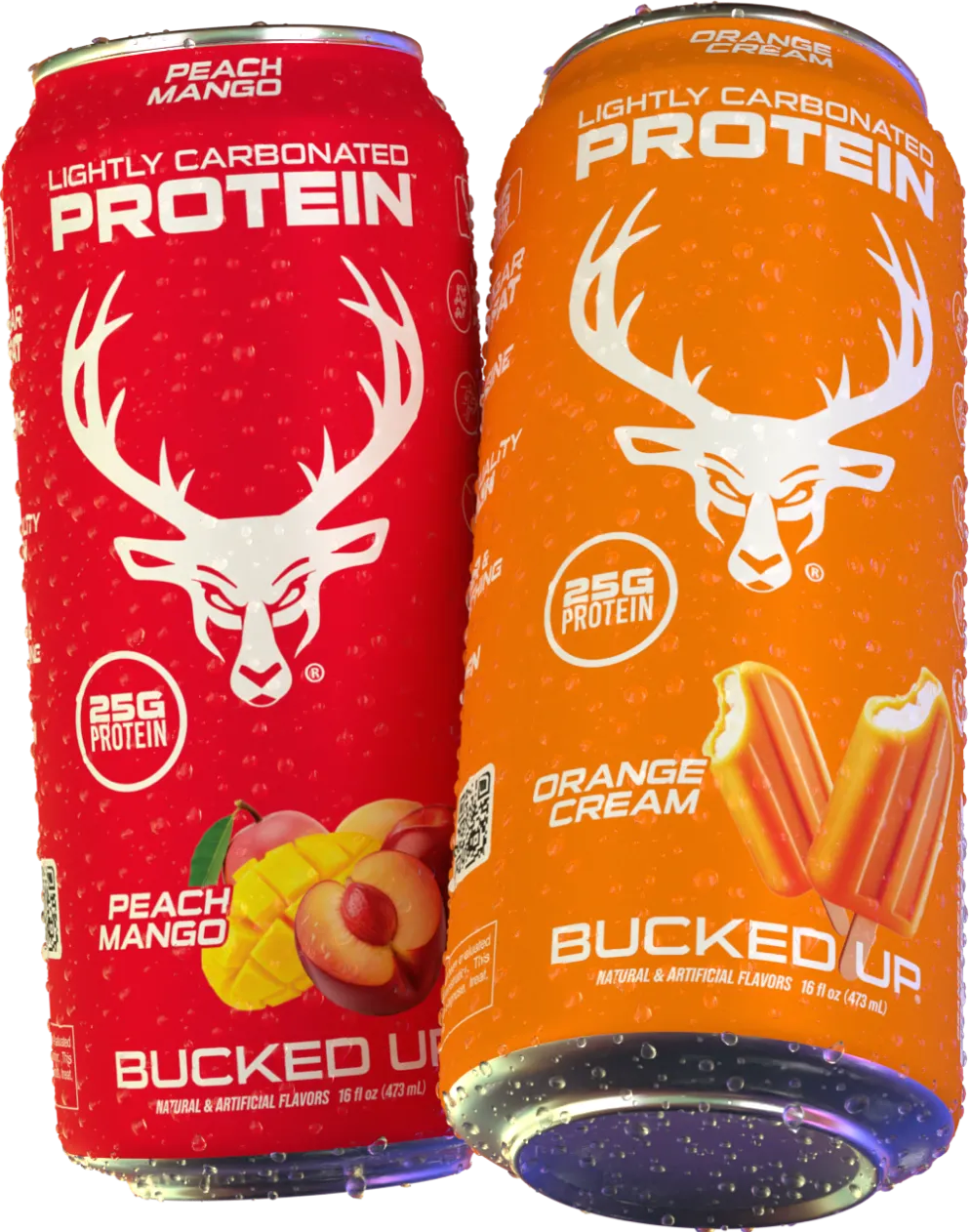
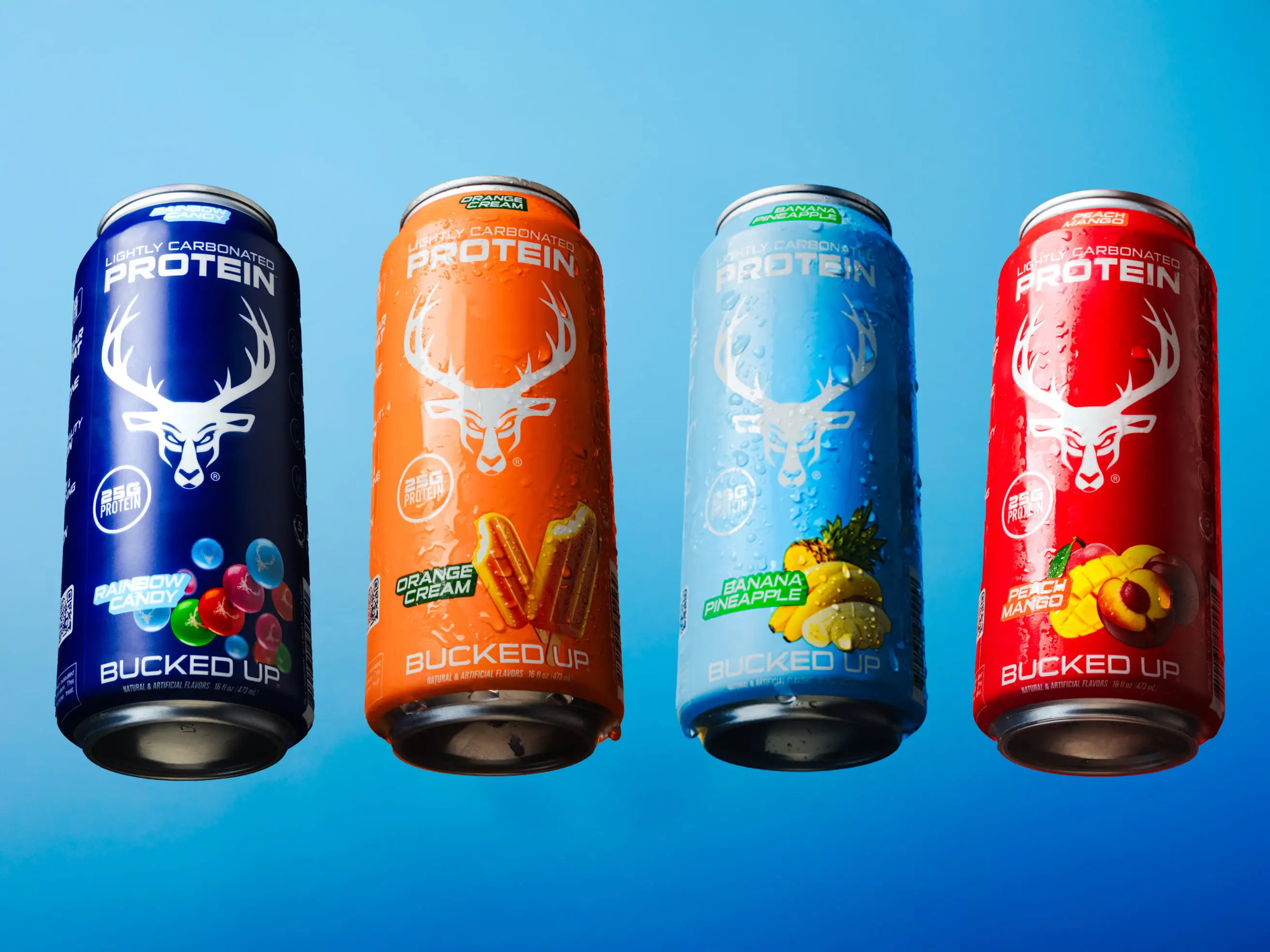
- Bucked Up Protein Soda provides 25g of whey protein isolate in a light, carbonated drink that fits easily into a busy routine. Shop Bucked Up Protein Soda.
Laying the Foundation: Prerequisite Steps for Smart Supplementation
Step 1: Define Your Muscle-Building Goals
Clear goals help you choose the right protein strategy. Your focus may fall into one of these groups:
- Muscle gain: higher protein plus a calorie surplus to support growth.
- Fat loss with muscle retention: high protein, controlled calories, and resistance training.
- General wellness and performance: steady daily protein that supports training and recovery.
Once you know your primary goal, you can select protein formats, serving sizes, and timing that match it.
Step 2: Assess Your Current Protein Intake for Gaps
Protein planning starts with knowing how much you already eat. Track your food for several days and compare it with a target that fits your training level. Some evidence points to an optimal range of roughly 2.0 to 2.4 g of protein per kg of body weight for lifters who train hard.
Pay attention to low protein times, such as:
- After workouts, if you delay meals.
- Midday, when meetings or commuting disrupt normal eating.
- Evenings, if you tend to snack on low-protein foods.
These gaps show where a convenient protein option can help the most.
Step 3: Understand Dietary Sensitivities and Preferences
Supplement choices should support your overall health and comfort. Note any issues with lactose, gluten, artificial sweeteners, or caffeine. Aim for products that sit well, taste good, and fit your routine, so you can stay consistent over time.
Step-by-Step Guide: Optimizing Protein Supplementation for Peak Performance
Step 1: Match Protein Timing to Your Daily Routine
Identifying the right timing helps you use supplements efficiently. Common high value moments include:
- Post-workout, to support muscle repair and recovery.
- Busy workdays, when you need a quick option that does not require preparation.
- Low appetite windows, including for some GLP-1 users who prefer easily digestible liquids.
- Evenings, if you want more protein without heavy food before bed.
Ready-to-drink options such as Bucked Up Protein Soda can fit into any of these windows with minimal effort.
Step 2: Choose the Right Protein Format for Your Lifestyle
Different formats offer different strengths:
- Powders: flexible and cost-effective, but they require water, a shaker, and clean up.
- Bars: portable, yet they can be dense, high in calories, or less appealing in hot weather.
- Ready-to-drink shakes: convenient, but many feel heavy or overly sweet.
- Clear whey and protein sodas: light texture, fast digestion, and a flavor closer to a soft drink than a shake.
Bucked Up Protein Soda fits the last category. Each can provides 25 g of whey protein isolate with a crystal clear, lightly carbonated base, no sugar, and 100 calories. This profile can support muscle recovery and daily protein goals without adding many extra calories.
Step 3: Make Protein Supplements a Stable Habit
Consistency matters more than perfection. Simple routines can help, such as:
- Keeping chilled cans in the fridge for post-workout use.
- Storing a can at your desk for a predictable midday protein break.
- Use one serving per day at first to confirm tolerance, then adjust based on your needs.
Adding a ready-to-drink option like Bucked Up Protein Soda can simplify these habits.
Bucked Up Protein Soda: A Practical Option for Modern Muscle Building
Bucked Up Protein Soda targets common frustrations that many people have with traditional protein shakes. The drink uses whey protein isolate in a clear, lightly carbonated formula that avoids a thick or chalky texture, which can make regular use easier for many people.
The formula contains 25 g of protein, zero sugar, zero carbs, and about 100 calories per can. This balance suits people who want to support muscle while managing body weight or calorie intake. The product is also caffeine-free, so it can be used after evening workouts without affecting sleep for most people.
You can explore flavors and pack sizes for Bucked Up Protein Soda here.
Troubleshooting and Pro Tips for Better Muscle Building Results
Common Mistakes to Avoid with Protein Supplementation
Several patterns tend to limit progress:
- Skipping protein entirely after hard training sessions.
- Relying only on thick shakes that cause digestive discomfort, which often leads to inconsistent use.
- Pursuing extremely high protein intakes that crowd out other nutrients. Very high intakes can add cost without meaningful extra muscle gain once a solid range is reached.
Moderate, consistent intake usually outperforms occasional extreme days.
Maximizing Effectiveness: Simple Practical Tips
Several simple habits can support better results:
- Drink enough water to help your body handle higher protein intake.
- Serve protein soda very cold for the best taste.
- Pair post-workout protein with some carbohydrates to help replenish glycogen stores.
- Spread protein across the day, instead of consuming almost all of it in one large meal.
Addressing Common Concerns About Protein Soda
|
Concern |
Bucked Up Protein Soda Perspective |
|
Carbonation and protein absorption |
Carbonation does not appear to reduce the body’s ability to absorb whey protein isolate. The protein content remains available for digestion. |
|
Daily use |
Most healthy adults can include a serving of protein soda each day as part of their total protein intake. People with medical conditions should check with a healthcare professional first. |
|
Difference from standard protein drinks |
This product offers a clear, lightly carbonated liquid instead of a thick, dairy-style shake, while still supplying 25 g of whey protein isolate per can. |
|
Flavor and texture expectations |
The drink has a crisp, soda-like experience rather than a creamy shake mouthfeel, which many users find easier to drink regularly. |
Measuring Your Success and Using Advanced Strategies
What to Track as You Dial In Protein Intake
Tracking a few simple signals can show whether your protein plan is working:
- Ability to hit daily protein targets without feeling overly full.
- Post-workout soreness that feels manageable, rather than lingering for many days.
- Strength or performance trends in the gym across several weeks.
- Muscle retention during calorie deficits, if you are cutting body weight.
Steady improvements in these areas suggest that your protein intake and supplement choices match your training demands.
Taking Your Muscle Building Plan to the Next Level
Rotating protein types based on timing can provide more flexibility. Some people prefer a clear protein soda after training, then a slower-digesting protein from food later in the evening. Strength training remains the main driver of muscle and strength gains, and protein supports that work rather than replacing it.
Frequently Asked Questions (FAQ) about Protein for Muscle Building
How much protein do I actually need to build muscle?
Needs vary with body weight, training volume, and goals. Evidence suggests that many resistance-trained people do well in the range of 2.0 to 2.4 g of protein per kg of body weight. This equals roughly 0.9 to 1.1 g of protein per pound. For a 150 lbs person, that is about 135 to 165 g per day.
Is more protein always better for muscle growth?
Increasing protein from very low levels can support gains in lean mass, but benefits tend to level off once intake reaches a solid range. Very high intakes can reduce room for other nutrients and add cost without a clear extra benefit for most people. A consistent, moderate to high intake usually works well for muscle building.
Can protein soda replace traditional protein shakes?
Protein soda can act as a full replacement or a flexible alternative for many people. A can of Bucked Up Protein Soda provides 25 g of whey protein isolate, similar to many scoop-based shakes, and does not require mixing or a blender. The lighter texture and flavor can also help people who dislike thick shakes stay on track with their daily protein goals.
Conclusion: Make Protein Work for Your 2026 Muscle Building Goals
Effective muscle building in 2026 comes from a mix of smart training, steady protein intake, and formats you can use every day. Choosing options that taste good, sit well, and fit into busy schedules makes it easier to stay consistent and reach your targets.
Bucked Up Protein Soda offers a clear, convenient way to add 25 g of whey protein isolate whenever your day calls for it. Integrating a product like this into your routine can help you close protein gaps and support your long-term muscle-building plan.
*Disclaimer: These statements have not been evaluated by the Food and Drug Administration. This product is not intended to diagnose, treat, cure, or prevent any disease.