Last updated: April 22, 2026
Key Takeaways
- Consuming 40g whey protein post-workout maximizes muscle protein synthesis for faster recovery and strength gains.1
- Whey isolate absorbs faster than concentrate and typically provides 90%+ protein by weight with minimal lactose and fat.1
- GLP-1 users on Wegovy or Zepbound often need higher daily protein to help preserve muscle during weight loss.1
- Pair protein with carbs in a 3:1 to 4:1 ratio within 30 to 60 minutes post-exercise to support glycogen restoration.1
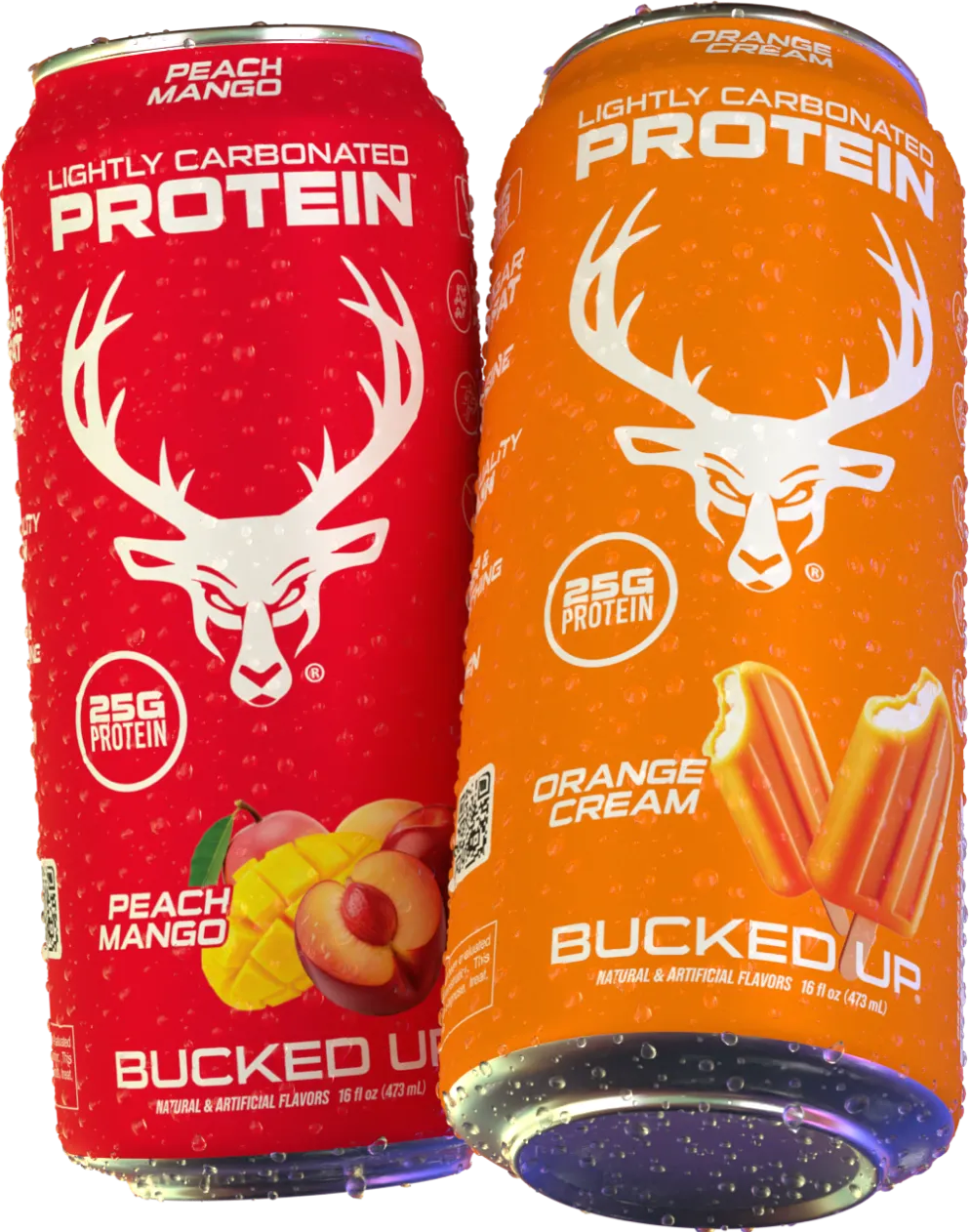
- Bucked Up Protein Soda offers a convenient 25g whey isolate serving in a refreshing, carbonated format for post-workout or GLP-1 routines.
Protein for Muscle Recovery: Why Whey Isolate Stands Out
Whey protein isolate supports muscle recovery with strong absorption characteristics and high leucine content.1 Whey protein isolate usually contains 90% or more protein by weight with very low fat and little to no lactose, while whey protein concentrate (WPC80) contains 80–82% protein by weight with 4–10% lactose and 4–8% fat.
The absorption advantage becomes clear when you look at digestive speed. Whey protein isolate digests somewhat faster than whey protein concentrate because its lower fat and lactose content slows gastric emptying less, providing more rapid post-workout amino acid delivery.1
Leucine content plays a major role in muscle protein synthesis activation. Both whey protein isolate and concentrate provide 2.5–3 g of leucine per 25 g protein serving, the key amino acid trigger for muscle protein synthesis.1 This leucine threshold supports strong recovery signaling with either option, while isolate’s faster delivery offers timing advantages after training.1
For athletes who want rapid recovery, try Bucked Up carbonated protein soda to get 25g whey isolate in a convenient, ready-to-drink format that fits busy schedules.
Protein Shakes on Zepbound and Wegovy: Best Options for Muscle Preservation
GLP-1 receptor agonist users face unique protein needs when they want to limit muscle loss during weight reduction. Patients taking GLP-1 medications like semaglutide (Ozempic, Wegovy) and tirzepatide (Mounjaro, Zepbound) should aim for 1.2–2.0 grams of protein per kilogram of body weight daily, such as 144–180 grams daily for a 180-pound goal weight, to help preserve lean muscle mass during weight loss.1
Appetite suppression from GLP-1 medications makes it harder to hit these protein targets with solid foods alone. GLP-1 users should target 30–40 g protein per meal across three meals to meet daily targets amid reduced appetite. Ready-to-drink options become helpful when large portions of traditional food feel uncomfortable.
Research highlights the muscle preservation benefits of adequate protein intake. Clinical studies show that 20–40% of weight loss on GLP-1 therapy may come from lean mass when protein intake is insufficient, so both timing and quality of protein matter.1
For GLP-1 users who want convenient muscle support, carbonated protein sodas can feel easier than heavy shakes. The light, refreshing format pairs well with reduced appetite while still delivering complete amino acid profiles. Explore this GLP-1-friendly protein soda option that provides 25g whey isolate without a thick, creamy texture.
How to Speed Up Muscle Recovery: Timing, Amounts, and Simple Hacks
Faster muscle recovery starts with smart protein timing and consistent daily intake supported by simple habits:
- Consume 40g whey protein following whole-body resistance exercise: This amount results in greater muscle protein synthesis than 20g.1
- Pair with carbohydrates in 3:1 to 4:1 ratios: The International Society of Sports Nutrition recommends a 3:1 to 4:1 carbs-to-protein ratio within 30 minutes after endurance workouts to replenish glycogen stores and support muscle repair.1
- Target daily intake of 0.73–1g per lb body weight: For muscle gain, recovery, and strength, total daily protein intake (1.6–2.2 g per kg body weight), timing around workouts, and consistency matter more than differences between whey protein isolate and concentrate.1
Recovery hacks include choosing ready-to-drink formats for convenience and consistency. This matters because traditional powder preparation, such as measuring, mixing, and cleaning, can delay intake when you feel tired after training. RTD options remove these steps, which is why Bucked Up Protein Soda can simplify your recovery routine with instant access to 25g whey isolate.
Whey Protein Isolate vs Concentrate for Recovery
The comparison below highlights key differences between whey isolate and concentrate so you can choose the option that fits your recovery goals.
| Feature | Whey Isolate | Whey Concentrate | Source |
|---|---|---|---|
| Protein % | 90%+ | 80–82% | ADPI |
| Absorption Speed | Faster (low fat/lactose) | Slower | BPI |
| Lactose/Fat per 25g | Minimal | Moderate | ADPI |
| Best for Post-Workout | Rapid delivery | General use | Multiple sources |
Whey isolate processing removes more lactose and fat, creating a purer protein source that reaches muscles faster.1 This speed advantage becomes especially useful during the post-workout window when muscle protein synthesis rates peak.1 Check out Bucked Up’s isolate-based protein soda for an easy way to take advantage of this timing.
Ready-to-Drink Protein: Bucked Up Soda for Recovery and GLP-1 Users
Understanding protein quality solves only part of the recovery puzzle, because your delivery format affects how consistently you hit your targets. The ready-to-drink protein market continues to expand quickly. The global ready-to-drink protein beverages market is estimated at USD 2.11 billion in 2026, growing to USD 3.06 billion by 2031 at a 7.70% CAGR, driven by health awareness, fitness culture, and demand for convenient nutrition.
Bucked Up Protein Soda delivers 25g whey isolate, 100 calories, 0g sugar or carbs, and a caffeine-free carbonated profile. This combination addresses common concerns around heavy textures, added sugars, and extra stimulants while still supporting recovery.1
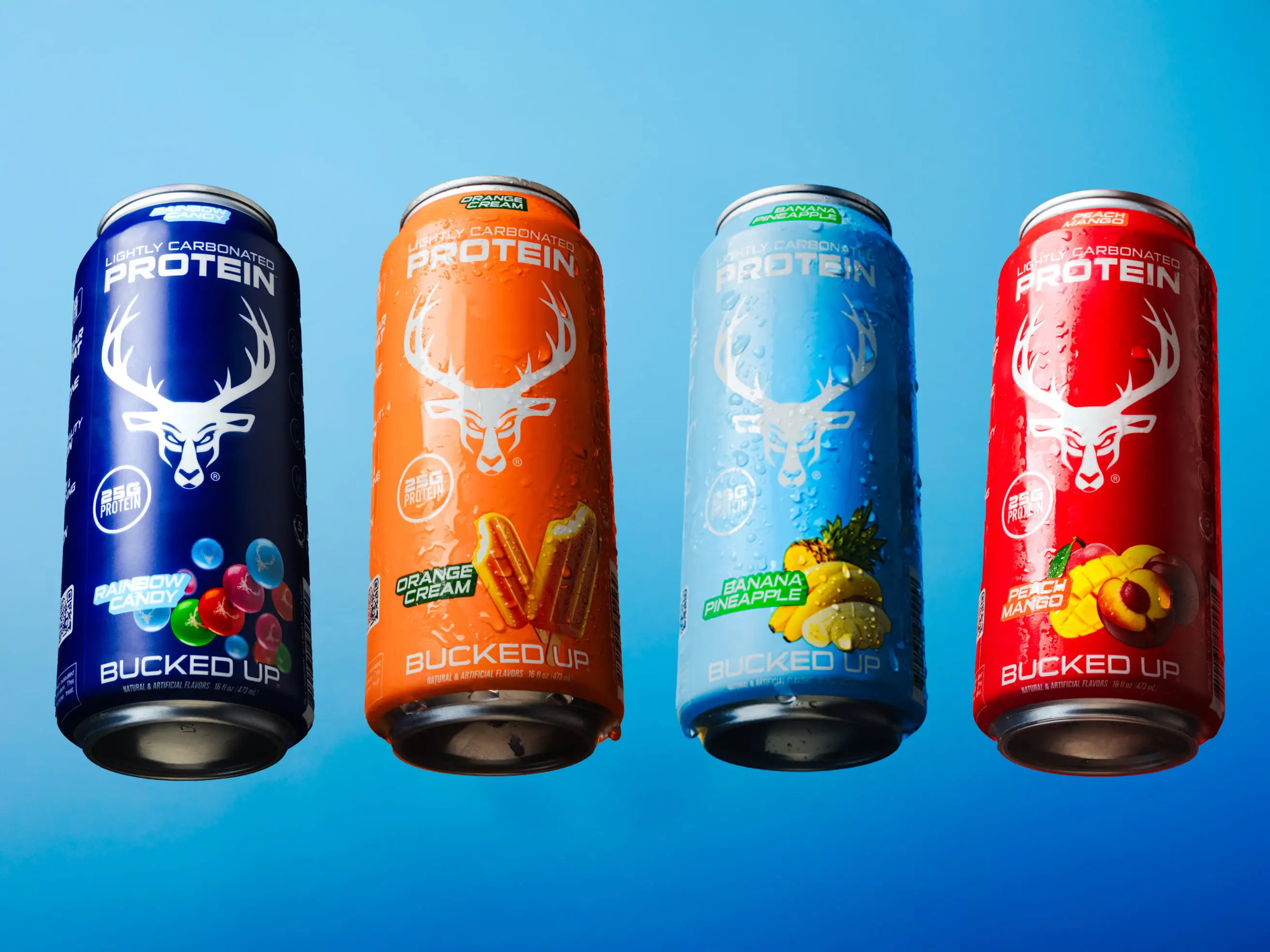
The table below shows how Bucked Up’s formulation compares to several well-known RTD competitors across protein type, calorie density, and texture, along with general GLP-1 suitability.
| Product | Protein Type | Calories/25g Protein | Format/Texture | GLP-1 Suitability |
|---|---|---|---|---|
| Bucked Up | Isolate | 100 | Clear, carbonated soda | High (light, 0 carb) |
| Premier Protein | Concentrate/mix | 133 | Milky shake | Medium |
| Muscle Milk | Concentrate | 158 | Thick shake | Medium |
| Fairlife | Milk protein | 125 | Creamy | Medium |
Clear protein innovations address texture preferences that traditional shakes often miss. Clear protein beverages, such as sparkling waters, protein sodas, and juice-based drinks, are rising due to consumer demand for light, refreshing, easy-to-digest high-protein options, fueled by innovations in clear soluble proteins.
The carbonated format provides specific advantages for different user groups. Gym-goers benefit from rapid absorption without digestive heaviness. GLP-1 users appreciate the light, easy-to-consume liquid format. Busy professionals remove prep time while still keeping protein intake consistent. These diverse use cases help explain why RTD protein continues to grow as more people look for convenient ways to meet daily protein goals.
To experience this style of recovery support, see the full Bucked Up Protein Soda lineup and find flavors that fit your routine.
FAQ
Is carbonated protein as effective as traditional shakes?
Carbonation does not reduce protein absorption or muscle protein synthesis effectiveness.1 The delivery format does not change how your body uses amino acids. Bucked Up Protein Soda provides the same 25g whey isolate you would find in many traditional shakes while adding convenience and a lighter taste that can support consistent use.
What is the best post-workout protein timing?
The most practical window for post-workout protein intake spans the several hours after exercise and supports muscle protein synthesis. Consuming 40g of whey protein following whole-body resistance exercise results in greater muscle protein synthesis than 20g. A ready-to-drink option like Bucked Up Protein Soda helps you hit that target without mixing or cleanup delays.
Is protein soda suitable for keto and paleo diets?
Bucked Up Protein Soda contains zero carbohydrates and zero sugar, which fits ketogenic dietary approaches. The whey isolate source also aligns with many paleo-style plans as a minimally processed animal protein. The 100-calorie serving supports calorie-conscious eating while still delivering a complete amino acid profile for muscle maintenance and recovery.1
Is daily protein soda consumption safe?
Daily protein soda consumption is generally safe for healthy individuals and can help you reach your protein goals. For GLP-1 users, one serving provides 25g toward the daily protein targets discussed earlier for a 180 lb goal weight. As with any nutrition change, talk with your healthcare provider if you have medical conditions or specific concerns. The caffeine-free formulation makes it suitable at any time of day.
Conclusion: Choosing Protein That Supports Recovery and Real Life
Protein choice has a direct impact on muscle recovery and body composition goals. Whey isolate offers faster absorption and efficient amino acid delivery compared with many concentrate or plant-based options.1 The 40g post-workout threshold discussed earlier supports strong muscle protein synthesis, so convenient formats that you can drink quickly become valuable.1
GLP-1 users need to pay close attention to protein timing and quality to help preserve muscle mass during weight loss. Ready-to-drink options reduce barriers when appetite suppression makes large solid meals difficult.
Bucked Up Protein Soda brings together evidence-based protein dosing and an easy-to-enjoy delivery format, providing 25g whey isolate in a light, carbonated drink that avoids typical shake heaviness. Explore Bucked Up Protein Soda today and see how it can fit into your training, recovery, or GLP-1 routine.
1 The content provided in this article is for informational purposes only and is not medical advice. Consult with a medical professional before implementing any changes to your diet, health, or exercise routines.
Individual results will vary and are based on a combination of each individual’s diet, exercise, age, and health circumstances.
These statements have not been evaluated by the Food and Drug Administration. This product is not intended to diagnose, treat, cure or prevent any disease.
This article was written by Ryan Gardner, CEO of Bucked Up. As the maker of Bucked Up Protein Soda, we have a financial interest in this information. The views expressed are our own and should be read with that context in mind.