Last updated: April 22, 2026
Key Takeaways
- Whole foods like hard-boiled eggs (38g protein/6 eggs) and cottage cheese (28g/cup) deliver 20g+ protein with longer 3–7 hour satiety compared to many shakes at 1–3 hours.
- Canned tuna (22g/can), turkey slices (24g/3oz), and pre-cooked chicken (26g/3oz) offer portable, ready-to-eat options for packed schedules.
- Plant-based choices like lentils (18g/cup), chickpeas (15g/cup), and edamame (17g/cup) provide fiber, micronutrients, and quick protein hits.
- Batch prep on Sundays with eggs, chicken, and yogurt creates grab-and-go meals. Stock jerky, nuts, and salmon pouches for true emergency backups.
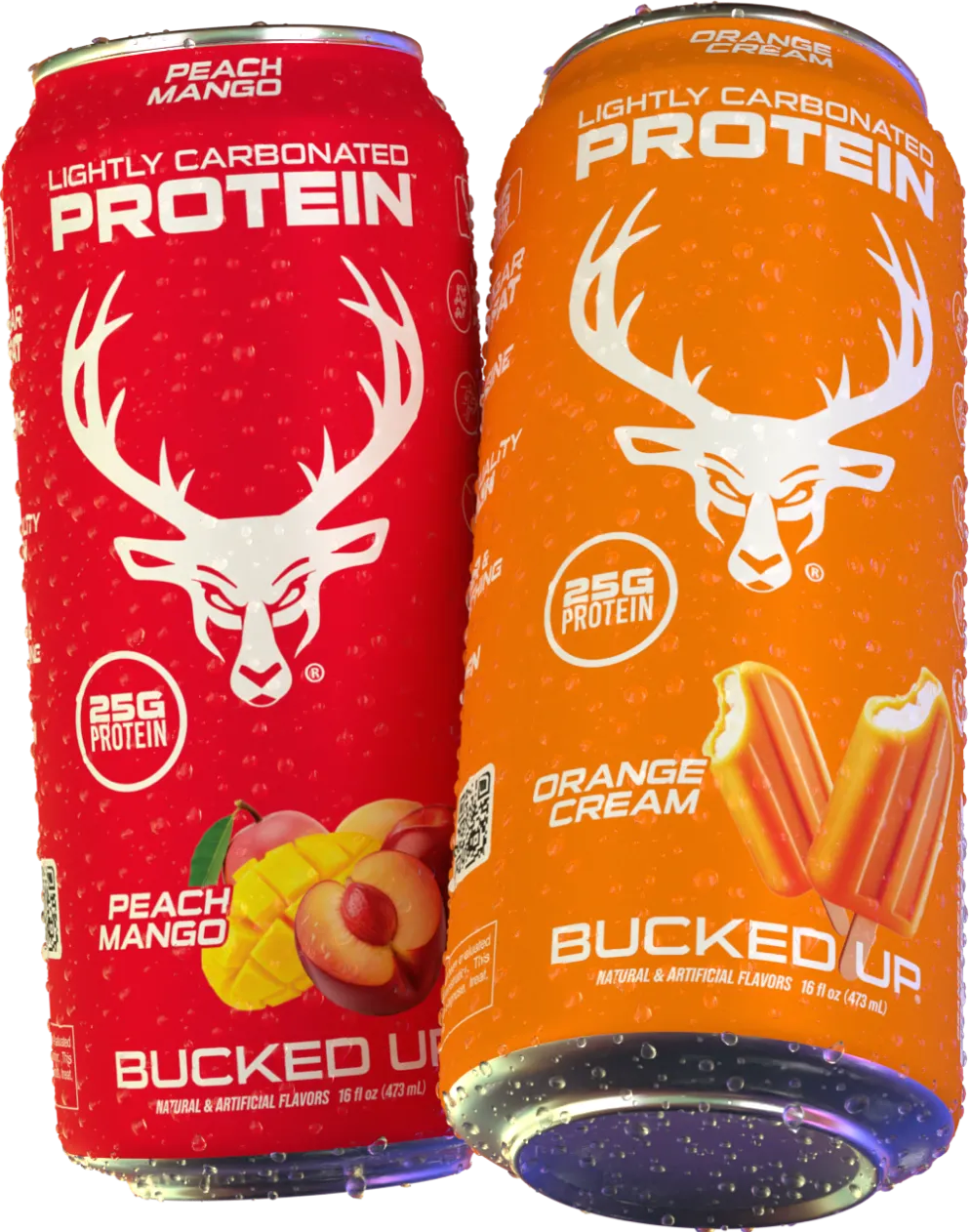
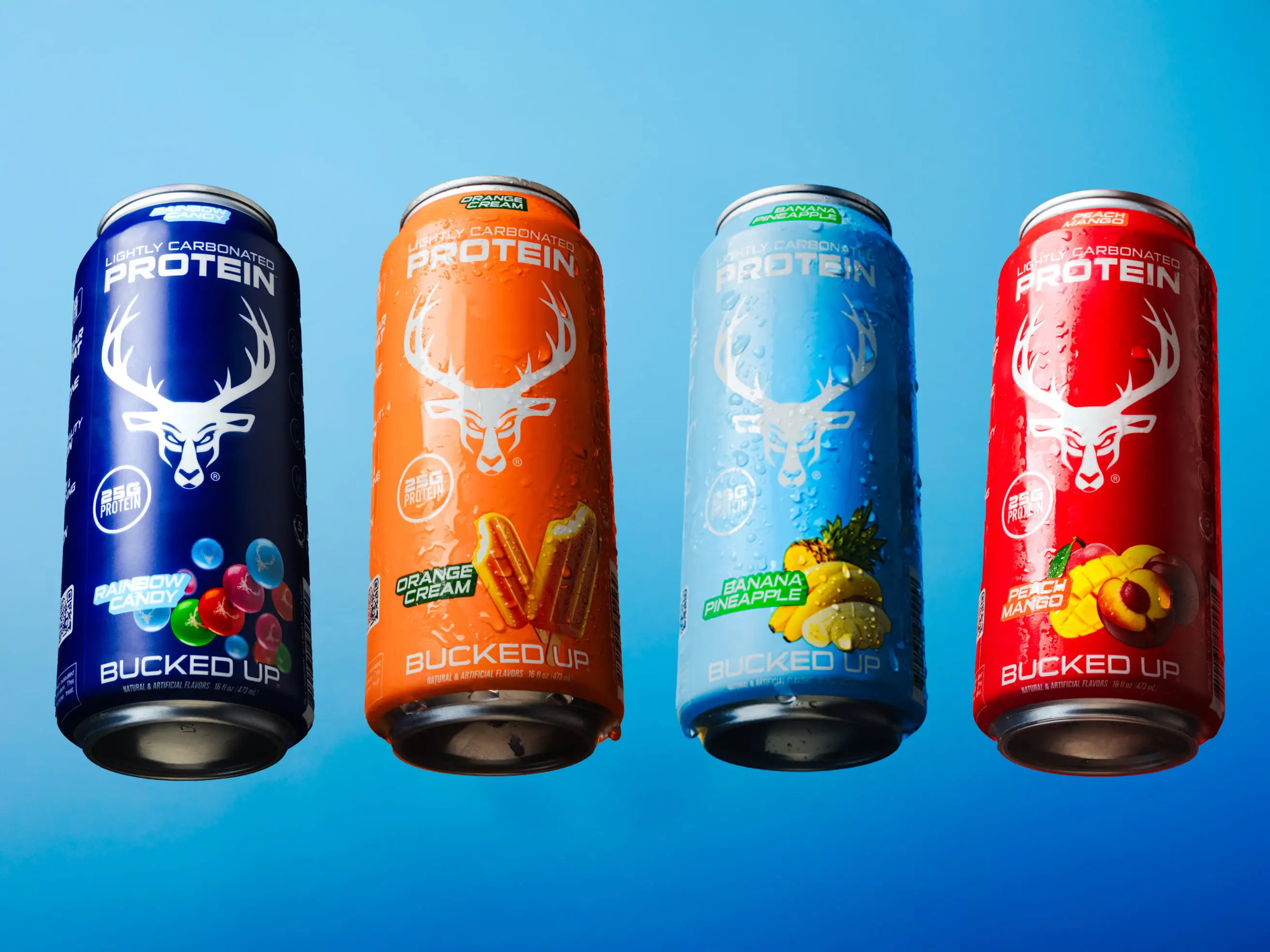
- For instant backup on rushed days, grab Bucked Up Protein Soda, which offers 25g whey isolate in a refreshing, zero-prep carbonated can.1
What Can I Eat to Replace Protein Shakes?
These 15 options cover animal proteins, plant-based picks, and shelf-stable backups. They focus on fast prep, portability, and at least 15–20g protein per practical serving.
1. Hard-Boiled Eggs (37.8g protein per 6 large eggs)
Why consider it: Each large egg provides about 6g of complete protein with all essential amino acids. When you batch-cook, you get high protein with almost no weekday effort. Portability: 9/10.
Prep hack: Boil a dozen eggs every Sunday, cool them, and store them in the fridge for grab-and-go protein all week.
| Serving | Protein (g) | Calories |
|---|---|---|
| 6 large eggs | 37.8 | 420 |
Scenario: After a workout, a busy parent grabs 3 eggs from the fridge for 18g protein without touching a blender.
2. Greek Yogurt (17g protein per 3/4 cup)
Why consider it: Low-fat plain Greek yogurt delivers 17g protein per 3/4 cup (170g) serving plus probiotics and calcium. It works as breakfast, snack, or dessert. Portability: 8/10.
Prep hack: Buy single-serve containers or portion a large tub into mason jars with berries or nuts.
| Serving | Protein (g) | Calories |
|---|---|---|
| 3/4 cup (170g) | 17 | 130 |
Scenario: Pair with Bucked Up Protein Soda to combine the yogurt’s gut-friendly probiotics with 25g of fast-absorbing whey isolate. You get about 42g total protein that supports both digestion and muscle recovery.1
3. Cottage Cheese (28g protein per cup)
Why consider it: Cottage cheese provides roughly 14g protein per ½ cup serving, so a full cup reaches about 28g. It works plain, sweet, or savory. Portability: 7/10.
Prep hack: For maximum protein in minimal time, scramble eggs with cottage cheese stirred in. You get creamier, fluffier eggs while stacking two high-protein foods into a single dish that cooks in a few minutes.
| Serving | Protein (g) | Calories |
|---|---|---|
| 1 cup | 28 | 200 |
4. Canned Tuna (22g protein per drained 5oz can)
Why consider it: Canned tuna provides 22g protein per drained 5oz can plus omega-3 fats. It keeps well and needs no cooking. Portability: 10/10.
Prep hack: Keep single-serve pouches in your desk drawer or car so you always have a fast protein option.
| Serving | Protein (g) | Calories |
|---|---|---|
| 1 can (5oz) | 22 | 150 |
5. Turkey Slices (24g protein per 3oz)
Why consider it: Turkey provides lean protein along with B vitamins and iron. It works well for roll-ups and quick sandwiches. Portability: 9/10.
Prep hack: Pre-slice and portion into containers with cheese sticks so you have balanced protein-and-fat snacks ready.
| Serving | Protein (g) | Calories |
|---|---|---|
| 3oz slices | 24 | 120 |
6. Lentils (18g protein per cup)
Why consider it: Lentils offer 18g protein per cooked cup plus about 15g fiber, which supports fullness and digestion. Portability: 6/10.
Prep hack: Make a quick red lentil curry in 12–15 minutes by sautéing onions, then adding curry powder, lentils, and coconut milk.
| Serving | Protein (g) | Calories |
|---|---|---|
| 1 cup cooked | 18 | 230 |
7. Chickpeas (15g protein per cup)
Why consider it: Chickpeas deliver nearly 15g protein per cooked cup and work in salads, bowls, or roasted snacks. Portability: 8/10.
Prep hack: Canned chickpeas require no cooking. Drain, rinse, and add to salads, or roast them for about 20 minutes for a crunchy, high-protein snack.
| Serving | Protein (g) | Calories |
|---|---|---|
| 1 cup cooked | 15 | 270 |
8. Quinoa (8g protein per cup)
Why consider it: Cooked quinoa provides 8g protein per cup and cooks in under 15 minutes. It offers all essential amino acids and pairs well with other proteins. Portability: 7/10.
Prep hack: Batch-cook quinoa once, then use it in grain bowls, salads, and breakfast porridge during the week.
| Serving | Protein (g) | Calories |
|---|---|---|
| 1 cup cooked | 8 | 220 |
9. Edamame (17g protein per cup)
Why consider it: Edamame provides about 17g plant-based protein per cup with fiber and folate. It cooks quickly and feels light. Portability: 8/10.
Prep hack: Keep frozen bags on hand. Steam a portion in a few minutes, which works well for GLP-1 users who prefer softer, easier-to-tolerate foods.
| Serving | Protein (g) | Calories |
|---|---|---|
| 1 cup pods | 17 | 190 |
10. Almonds (6g protein per oz)
Why consider it: Raw almonds deliver 6g protein per ounce along with healthy fats and vitamin E. They store well and travel easily. Portability: 10/10.
Prep hack: Pre-portion almonds into small containers or bags so you have quick desk snacks and glove-box backups.
| Serving | Protein (g) | Calories |
|---|---|---|
| 1 oz (23 nuts) | 6 | 160 |
11. Beef Jerky
Why consider it: Quality jerky provides concentrated protein with a long shelf life and no cooking. Portability: 10/10.
Prep hack: Choose low-sodium varieties. When you need shelf-stable protein that travels anywhere, combine jerky’s portability with Bucked Up Protein Soda, which also stores easily and brings the total to about 35g protein.1
| Serving | Protein (g) | Calories |
|---|---|---|
| 2 strips | 20 | 140 |
12. Black Beans (15g of protein per 1 cup (172g) serving)
Why consider it: Black beans provide 15g of protein per 1 cup (172g) serving along with fiber and folate. They work in many cuisines. Portability: 6/10.
Prep hack: Add canned beans directly to tacos, nachos, or soup. They need no additional cooking.
| Serving | Protein (g) | Calories |
|---|---|---|
| 1 cup (172g) | 15 | 240 |
13. Cheese Sticks (7g protein each)
Why consider it: String cheese provides about 7g protein per stick along with calcium. It fits easily into lunch boxes and bags. Portability: 10/10.
Prep hack: Stock your home fridge and office mini-fridge. Grabbing 3 sticks gives you roughly 21g protein in seconds.
| Serving | Protein (g) | Calories |
|---|---|---|
| 3 sticks | 21 | 240 |
14. Pre-Cooked Chicken (about 26g protein per 3oz)
Why consider it: Batch-cooked chicken breast delivers complete protein for weekly meal prep. It works in salads, wraps, and bowls. Portability: 8/10.
Prep hack: Set aside weekly time to cook a large batch of chicken. This single session can support 12–15 ready-to-eat meals.
| Serving | Protein (g) | Calories |
|---|---|---|
| 3oz | 26 | 140 |
15. Salmon Pouches (18g protein per 3oz pouch)
Why consider it: Pre-cooked salmon pouches provide 18g protein per 3oz pouch along with omega-3 fats. They store well and open in seconds. Portability: 10/10.
Prep hack: Keep shelf-stable pouches in your pantry or desk for days when fresh options run out.
| Serving | Protein (g) | Calories |
|---|---|---|
| 1 pouch (3oz) | 18 | 120 |
How to Get a Lot of Protein Without Shakes
Once you know your food options, the next step is using them in ways that fit a rushed schedule.
Sneaky Protein Hacks for Rushed Days
- Double up combinations: Mix cottage cheese into scrambled eggs for 30g+ protein in a single, quick-cooking dish.
- Liquid-friendly for GLP-1 users: Choose softer options like Greek yogurt, cottage cheese, or edamame when solid foods feel challenging.
- Desk drawer essentials: Stock nuts, jerky, and tuna or salmon pouches so you can hit 20g protein even when meetings run long.
- Strategic pairing: Combine lower-protein foods such as quinoa and chickpeas to reach 20g+ targets in one meal.
Making Natural Substitutes Work for Your Schedule
Batch Prep Guide
This simple routine turns high-protein foods into fast weekday meals.
- Sunday protein prep: Hard-boil a dozen eggs, cook 2 pounds of chicken breast, and portion Greek yogurt into grab-and-go containers.
- Pantry stocking: Keep canned tuna, salmon pouches, nuts, and jerky on hand for options that you can eat straight from the package.
- Strategic storage: Store batch-prepared meals in airtight containers in a standard refrigerator at 40°F or below for 3–4 days to keep them safe and fresh.
Macro Comparison: Whole Foods vs. Protein Soda
| Food Source | Protein (g) | Calories | Prep Time |
|---|---|---|---|
| 6 Hard-Boiled Eggs | 37.8 | 420 | 0 min (pre-made) |
| Bucked Up Protein Soda | 25 | 100 | 0 min |
| 3/4 Cup Greek Yogurt | 17 | 130 | 0 min |
| Canned Tuna (drained) | 22 | 150 | 2 min |
When to Choose a Protein Soda Backup
Whole foods support satiety and bring extra nutrients, yet Bucked Up Protein Soda can help on days when time or appetite feel limited.
- Instant convenience: A 25g serving of whey protein isolate with no prep works well after workouts or between meetings.1
- Light digestion: The clear, carbonated, non-milky format can feel easier for GLP-1 users or anyone with a sensitive stomach.1
- Travel-friendly backup: Shelf-stable cans do not require refrigeration, unlike Greek yogurt or eggs.
- Absorption considerations: Whey protein isolate can provide relatively quick amino acid delivery compared to some whole food proteins.1
Compared with heavier ready-to-drink shakes, Bucked Up’s clear, carbonated format often feels more like a soda than a meal. It can complement your whole food protein plan as a backup option.
Frequently Asked Questions
What can I eat instead of protein shakes?
The 15 natural alternatives above provide roughly 15–38g protein per serving and often keep you full longer than many shakes. Fast options include hard-boiled eggs, which offer nearly 38g protein per half-dozen, canned tuna at about 22g per drained 5oz can, pre-cooked chicken at about 26g per 3oz, and cottage cheese at about 28g per cup. When whole foods are not available, Bucked Up Protein Soda offers a convenient 25g serving in a refreshing, carbonated format.1
How much protein from natural foods should I eat daily?
The International Society of Sports Nutrition recommends 1.4–2.0 grams of protein per kilogram of body weight per day for most exercising individuals, which equals about 0.64–0.91 grams per pound. That range comes to roughly 98–140g daily for a 154-pound person. Since many people underestimate their needs, aim for 25–35g every 3–4 hours through whole foods, then add convenient options like Bucked Up Protein Soda when needed.
What are good protein sources for GLP-1 users?
GLP-1 medications can reduce appetite and make dense solid foods harder to tolerate. Lighter options often work better. Greek yogurt, cottage cheese, edamame, and liquid proteins like Bucked Up Protein Soda can feel easier on the stomach. The carbonated, non-milky format can suit people dealing with appetite suppression or digestive sensitivity.1
How does Bucked Up compare to other protein drinks?
Bucked Up uses 100% whey protein isolate, which is a filtered, fast-digesting form of whey.1 Some competitors use whey concentrate or add collagen to increase labeled protein content. The lightly carbonated, clear format avoids the heavy, milky texture that some people dislike in traditional protein drinks.1 It is also caffeine-free and zero sugar, so you can drink it at any time of day.
Is it safe to drink protein soda daily?
Bucked Up Protein Soda is manufactured in GMP-certified facilities in the USA and provides whey protein isolate as its protein source. It is designed as a convenient supplement to whole food proteins rather than a full replacement. As with any dietary change, talk with your healthcare provider if you have specific concerns, especially if you take medications such as GLP-1 agonists.
These 15 natural alternatives offer real-food protein, satiety, and extra nutrients that many powders do not provide. When you need a convenient backup that still supports your protein goals, Bucked Up Protein Soda delivers that help in a light, refreshing format.
1 The content provided in this article is for informational purposes only and is not medical advice. Consult with a medical professional before implementing any changes to your diet, health, or exercise routines.
Individual results will vary and are based on a combination of each individual’s diet, exercise, age, and health circumstances.
These statements have not been evaluated by the Food and Drug Administration. This product is not intended to diagnose, treat, cure or prevent any disease.
This article was written by Ryan Gardner, CEO of Bucked Up. As the maker of Bucked Up Protein Soda, we have a financial interest in this information. The views expressed are our own and should be read with that context in mind.