Last updated: April 22, 2026
Key Takeaways: Post-Workout Protein That Actually Fits Your Life
- The 30-minute anabolic window is a myth, because muscle protein synthesis stays elevated for 24-48 hours after training.
- A practical timing target is 1-2 hours after your workout with 20-40g of high-quality protein such as whey isolate.
- Daily protein intake of about 1.4-2g per pound of body weight influences muscle growth more than exact timing.
- Fasted trainees, older adults, and GLP-1 users benefit from quicker post-workout protein to protect lean muscle.1
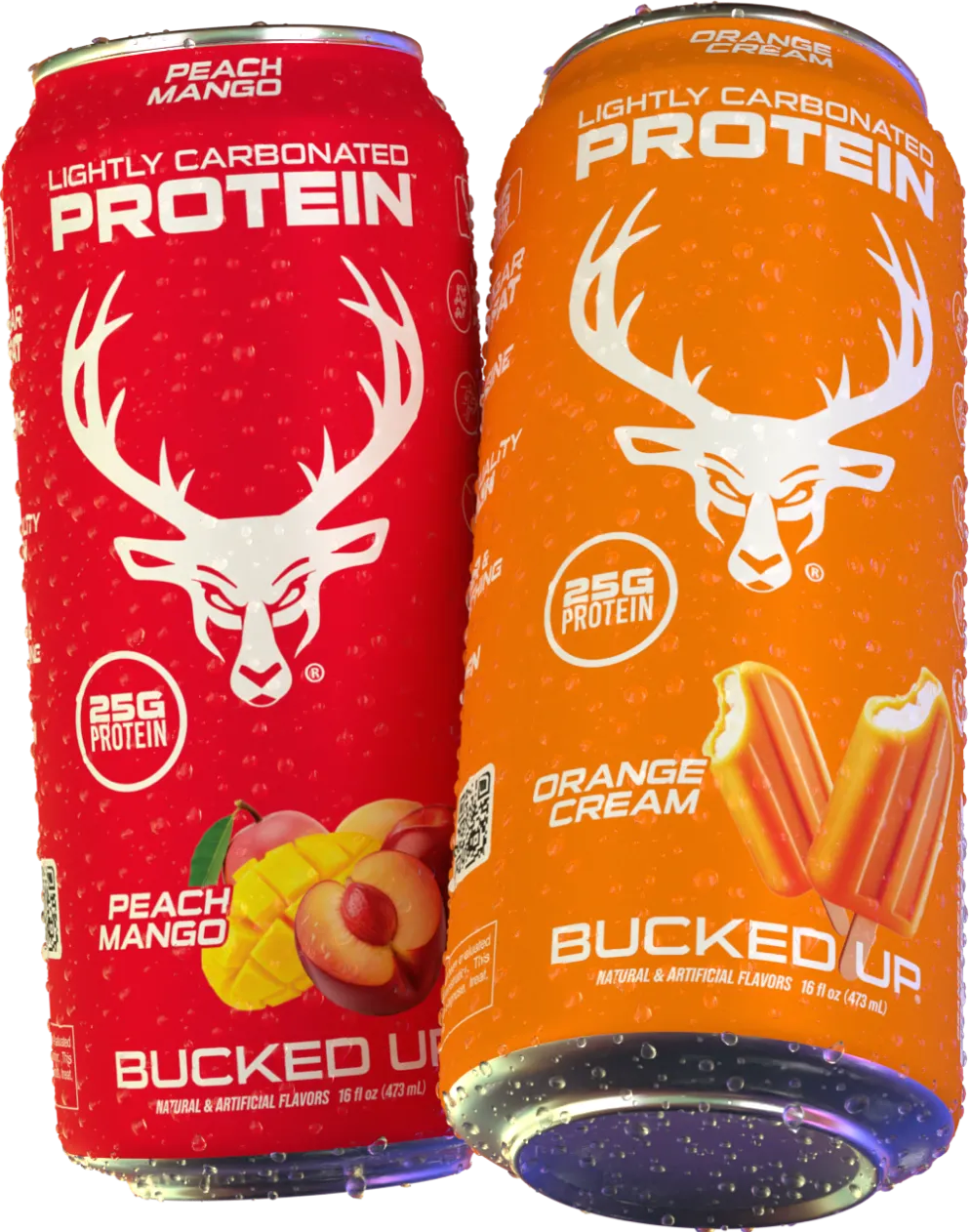
- You can simplify recovery with Bucked Up Protein Soda, which delivers a convenient 25g whey isolate serving anytime.1
The Problem: Stressful Anabolic Window Rules That Do Not Match the Science
The fitness world often repeats the idea that you must slam protein within 30 minutes of your last rep or lose gains. This rigid “anabolic window” rule creates pressure, so people rush to chug chalky shakes in locker rooms or skip normal meals because they think they missed their chance.
This mindset can hurt recovery habits. Many lifters force down heavy, milky shakes when they are not hungry, then deal with bloating or digestive discomfort. Others give up on consistent protein because they cannot always hit that 30-minute mark, which leads to skipped meals and anxiety about timing instead of steady nutrition.
Research tells a different story. A 2013 review in the Journal of the International Society of Sports Nutrition by Schoenfeld and Aragon found no strict 30-minute cutoff and showed that muscle protein synthesis stays elevated for 24-48 hours after resistance training. A 2020 meta-analysis in The Journal of Nutrition by Wirth that included 2,900 healthy adults reported that total protein intake matters more than exact timing for body composition and muscle function.
The post-workout window can stretch across several hours, so you have more flexibility than the old rule suggests. The protein-after-workout myth and anabolic window myth have turned a simple nutrition habit into something that feels complicated and rushed.
The Solution: A Realistic Post-Workout Protein Window and Daily Plan
Current evidence supports a relaxed but intentional approach to timing. Consuming 25-40 grams of high-quality protein within 1-2 hours after resistance exercise supports muscle repair, growth, and hypertrophy.1 This range gives you time to leave the gym, get home, and still support recovery without panic.
Daily protein totals still matter most for long-term progress, which makes your personal target worth knowing. The International Society of Sports Nutrition recommends 1.6 to 2.2 grams per kilogram of body weight per day for resistance-trained adults, which equals roughly 1.4-2 grams per pound. To make this concrete, a 150-pound person would aim for about 210-300 grams of protein per day, spread across meals and snacks.
Total daily protein intake drives muscle growth more than precise post-workout timing. If you ate a protein-rich meal before training, you can comfortably consume your next protein serving within about two hours after lifting and still support results.
Putting this into practice works best when your protein source feels easy and enjoyable. Ready-to-drink options such as Bucked Up Protein Soda provide 25g of whey isolate in a light, carbonated drink that many people find easier to finish than thick shakes. That convenience can make it simpler to hit your protein target within that 1-2 hour window and across the full day.
Solution Dosage: Dialing In Your Post-Workout Protein Amount
Most lifters do well with 20-40 grams of protein after training. Research suggests a post-workout dose of about 0.4 grams of protein per kilogram of body weight, which works out to roughly 30 grams for someone who weighs 165 pounds.
A per-meal protein threshold of 25-30 grams of high-quality protein stimulates muscle protein synthesis in most adults. In real numbers, a 150-pound person might aim for 27-40 grams, while a 200-pound person might target 36-55 grams in a post-workout serving.
Protein quality matters as much as the total. Leucine, a key amino acid, acts as a trigger for muscle protein synthesis. Consuming 20-40g of high-quality protein within about an hour after exercise can spike muscle protein synthesis because of its leucine content.1 Whey protein isolate offers a high leucine concentration, which supports recovery in a relatively small serving.1
When Timing Matters More: Fasted, Older, and GLP-1 Users
Most people can treat timing as flexible, but some groups benefit from a quicker post-workout protein hit. Fasted trainees experience more muscle breakdown because circulating amino acids are low, so they should refuel soon after training with 20-40 grams of protein plus a fast-digesting carbohydrate source.
Adults over 30 often face anabolic resistance, which means their muscles respond less strongly to smaller protein doses. They should aim for the higher end of the recommended per-meal range mentioned earlier to overcome this resistance and support muscle protein synthesis. For this group, consistent post-workout protein becomes more important over time.
GLP-1 medication users deal with a different challenge. Clinical trials show that weight loss from GLP-1 receptor agonists can include reductions in lean body mass, which raises concerns about skeletal muscle loss. Guidance for GLP-1 users suggests 1.2 to 1.6 grams of protein per kilogram of body weight daily, along with a protein serving within 30-60 minutes after strength training to support recovery and help prevent sarcopenia.
For fasted lifters, older adults, and GLP-1 users, liquid whey isolate can be especially helpful because it absorbs quickly and goes down easily when appetite is low or solid food feels heavy.1
Why Bucked Up Protein Soda Fits Modern Recovery Habits
Bucked Up Protein Soda offers a different take on post-workout nutrition by delivering 25g of whey protein isolate in a lightly carbonated drink. Whey protein isolate digests and absorbs faster than many slower proteins, which makes it a practical choice after lifting.1
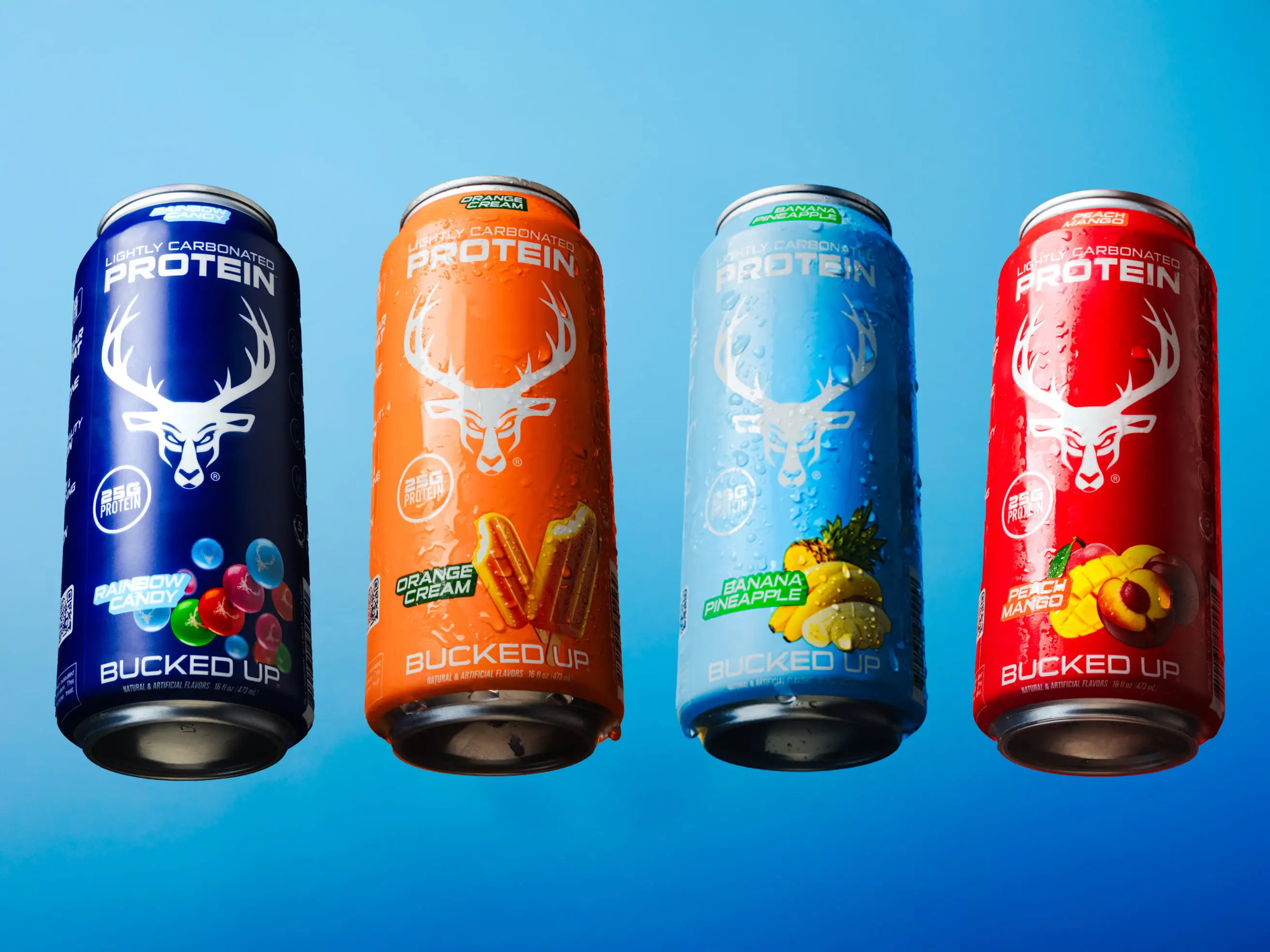
The product’s main advantages include:
- Efficient Absorption: Whey protein isolate undergoes extra filtration to remove most fats and carbohydrates, often reaching about 90% protein concentration.1
- Calorie Control: Each can contains 100 calories with zero sugar and zero carbs, which can support weight management or cutting phases.1
- Lighter Mouthfeel: The carbonated texture avoids the thick, creamy feel that causes shake fatigue for many people.
- Flexible Timing: A caffeine-free formulation means you can drink it morning, afternoon, or night without worrying about sleep.
GLP-1 users may find the light, easily digestible format especially helpful when appetite is low but protein needs stay high. The carbonated style can feel more like a regular beverage and less like a heavy supplement, which encourages consistent intake.
Stock your gym bag or fridge with Bucked Up Protein Soda so a 25g recovery serving is always within reach when you finish training.
Bucked Up Compared to Traditional Protein Drinks
Bucked Up Protein Soda can stand out from many traditional protein drinks through its ingredient choices and drinking experience. Whey protein isolate absorbs faster than whey concentrate, yet some well-known brands such as Premier Protein and Muscle Milk use whey concentrate or include collagen in their blends.
Collagen protein supports joints, nails, and hair but does not provide a complete amino acid profile for muscle building. Bucked Up uses 100% whey protein isolate, which supplies all essential amino acids that support muscle protein synthesis.1
The carbonated format also changes the experience. Many people notice less bloating compared with thick shakes, and the refreshing taste can make daily protein feel more like a drink they look forward to.1 Production in GMP-certified USA facilities supports quality standards, and the formula fits keto and paleo approaches with zero carbs and sugar.
The grab-and-go design removes common friction points. There is no mixing, no shaker bottle to wash, and no need for refrigeration before opening, which suits busy schedules for professionals, athletes, and anyone who wants straightforward protein support.
Sample Post-Workout Routines That Respect a Flexible Window
Building a realistic post-workout routine becomes easier once you stop worrying about a 30-minute cutoff. One simple pattern involves finishing your workout, changing clothes, driving home, and then drinking a Bucked Up Protein Soda within about 90 minutes, which keeps you well inside the effective window for muscle protein synthesis.
Morning lifters can keep a can in the car or at the office and drink it during the commute or while settling in at their desk. Evening gym-goers might have one while preparing dinner or relaxing afterward. The main goal is consistency across days, not hitting a specific minute mark after your last set.
30-Minute Protein Rule Explained
The old 30-minute rule no longer reflects current evidence. The post-workout window is flexible and can extend across several hours, although many people see strong results when they aim for a 1-2 hour window.
Protein Drinks While Using GLP-1 Medications
Protein intake becomes even more crucial during GLP-1 therapy. Recommendations for GLP-1 users call for 1.2 to 1.6 grams of protein per kilogram of body weight per day to help protect muscle. Bucked Up’s light, carbonated format can feel easier to drink when appetite is reduced.
Two Hours After Training and Protein Timing
A two-hour delay after lifting still falls within an effective recovery window. Muscle protein synthesis remains elevated for 24-48 hours after resistance training, so a protein serving at the two-hour mark can still support muscle building and repair.
Conclusion: Use Science to Relax Your Timing and Support Recovery
Modern research removes the pressure of a strict 30-minute anabolic window and supports a more flexible 1-2 hour target. Hitting your daily protein range has a larger impact on long-term muscle growth than racing to finish a shake in the locker room.
Bucked Up Protein Soda offers a convenient way to meet those protein goals with a format that fits real life. Find a post-workout protein drink that matches your schedule and recovery needs so you can focus on training, not timing rules.
1 The content provided in this article is for informational purposes only and is not medical advice. Consult with a medical professional before implementing any changes to your diet, health, or exercise routines.
Individual results will vary and are based on a combination of each individual’s diet, exercise, age, and health circumstances.
These statements have not been evaluated by the Food and Drug Administration. This product is not intended to diagnose, treat, cure or prevent any disease.
This article was written by Ryan Gardner, CEO of Bucked Up. As the maker of Bucked Up Protein Soda, we have a financial interest in this information. The views expressed are our own and should be read with that context in mind.