Last updated: March 29, 2026
Key Takeaways
- NASM recommends 20-35g protein (0.14-0.23g per lb body weight) within 60-90 minutes post-workout to maximize muscle protein synthesis.
- Use your body weight to set your dose. For example, 180 pounds translates to 25-41g, with 25g working well for most.
- Whey protein isolate supports recovery with rapid absorption, high leucine content, and fewer digestive issues than concentrate.
- Timing stays flexible up to 90 minutes. Pair your protein with carbs like fruit to support full recovery.
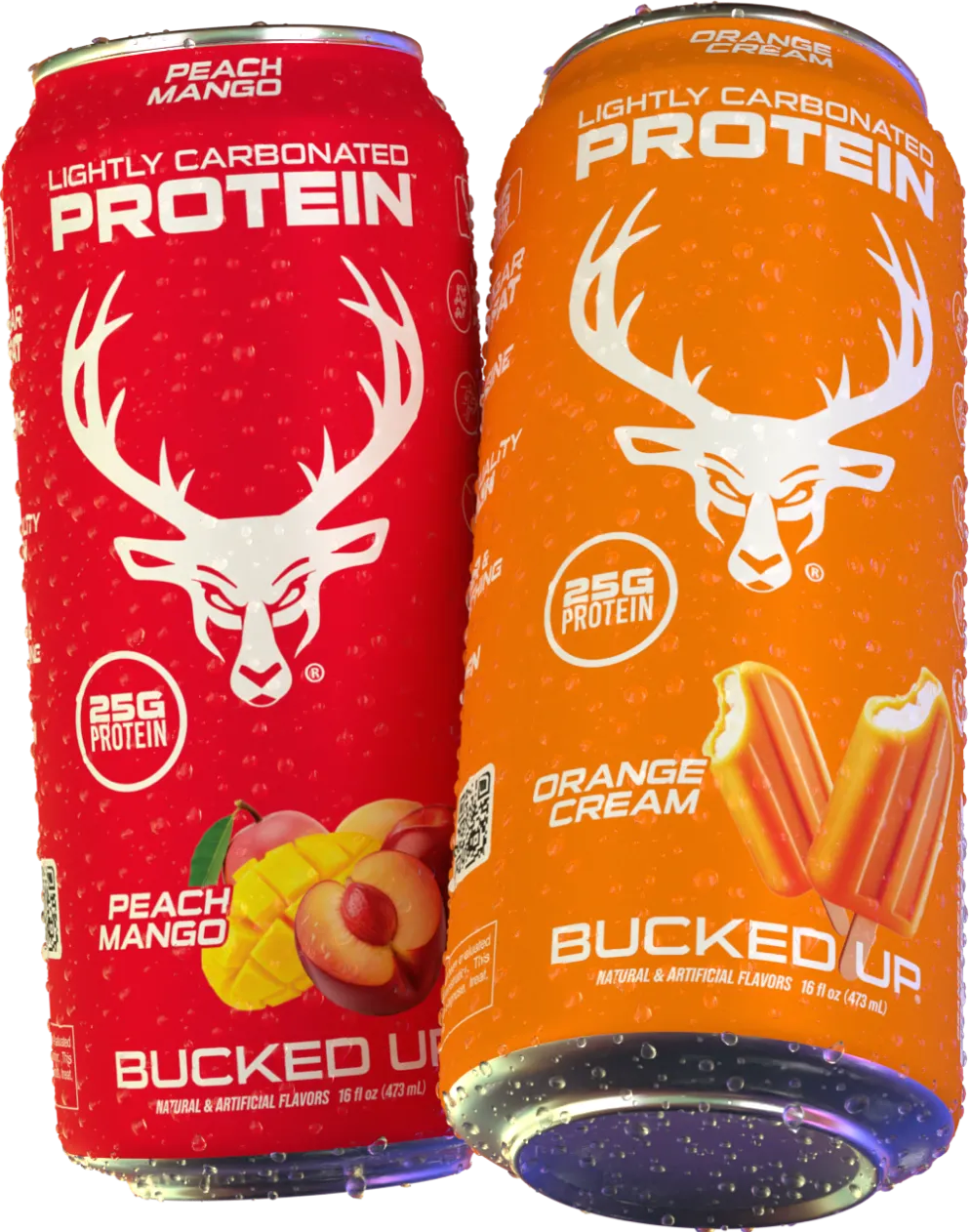
- Grab Bucked Up Protein Soda for 25g of clear whey isolate in a refreshing, ready-to-drink format that fits NASM guidelines.
Step 1: See How NASM Protein Dosing Speeds Up Recovery
The gap between bro-science and NASM science centers on the anabolic window. Anabolic activity peaks about 30 minutes after exercise, so fast nutrient delivery during this period matters. The International Society of Sports Nutrition recommends 20 to 40 grams of high-quality protein, including 10 to 12 grams of essential amino acids and 1 to 3 grams of leucine, to stimulate muscle protein synthesis after resistance training.
Several factors shape your ideal dose: body weight, training goals such as muscle gain or fat loss, and exercise intensity. These variables determine where you fall within the daily requirement range, as active individuals often need 1.4 to 2.0 grams per kilogram of body weight in protein per day to maximize muscle protein synthesis, reduce muscle breakdown, and support performance and recovery. For the post-workout window, that daily need translates into the 20-35g range NASM highlights, which is why Bucked Up Protein Soda’s 25-gram serving hits the sweet spot for most athletes without adding unnecessary calories.
Step 2: Calculate Your Exact NASM Protein Dose by Body Weight
Now that you know why the 20-35g range matters, apply it to your own stats. The table below shows how NASM’s 0.14-0.23g per pound guideline converts into real protein targets at different body weights, so you can see where a 25g serving lands for you.
|
Body Weight (lbs) |
Low Dose (0.14g/lb) |
High Dose (0.23g/lb) |
Matches 25g Bucked Up? |
|
120 |
17g |
28g |
Yes |
|
150 |
21g |
34g |
Yes |
|
180 |
25g |
41g |
Perfect match |
|
200 |
28g |
46g |
Core dose |
To calculate manually, multiply your body weight by 0.14 for the minimum effective dose or 0.23 for the upper range. Ingesting 20 grams of high-quality protein maximizes post-prandial muscle protein synthesis rates both at rest and during recovery from exercise for up to 4-6 hours, and consuming more than 20 grams during this short period offers little additional benefit. For women and GLP-1 users with lower body weights, this serving size provides strong coverage without overshooting needs.
Step 3: Time Your NASM Post-Workout Protein for Real-World Results
The National Academy of Sports Medicine advises athletes to consume 15-25 grams of protein within one hour post-workout to support muscle and tissue repair. During the 0–2 hour post-exercise window, muscle protein synthesis rates rise to 2–3 times baseline, which maximizes the acute anabolic response to protein intake.
Recent research softens the old 30-minute rule. A narrative review in the January 2026 issue of NASM’s Journal of Fitness, Wellness, and Human Performance reported that creatine and protein rely more on consistent intake than on strict timing, so precision matters less than once believed. Even with this flexibility, consuming protein within 60-90 minutes still gives you the strongest anabolic response.
Key timing guidelines:
- Ideal window: 30-60 minutes post-exercise
- Acceptable range: Up to 90 minutes
- Daily total protein matters more than minute-by-minute timing
Step 4: Choose Fast-Acting Protein – Why Whey Isolate Fits NASM Goals
With your timing window set, the next priority is a protein source that delivers amino acids quickly enough to match that window. Whey protein moves through the digestive tract quickly and often reaches the bloodstream in under an hour, which makes it a preferred post-workout choice to jumpstart recovery and limit muscle breakdown. Whey protein isolate ranks highest in leucine, the amino acid most involved in muscle protein synthesis and repair, which is exactly what you want after training.
Whey isolate is the most refined form of whey, filtered to remove nearly all fat and lactose, and contains about 90% protein by weight, which makes it ideal for post-workout recovery and friendlier for people sensitive to lactose. This extra filtration leaves whey protein isolate with at least 90% protein and minimal lactose and fat, so it absorbs rapidly and supports recovery right when your muscles need it.
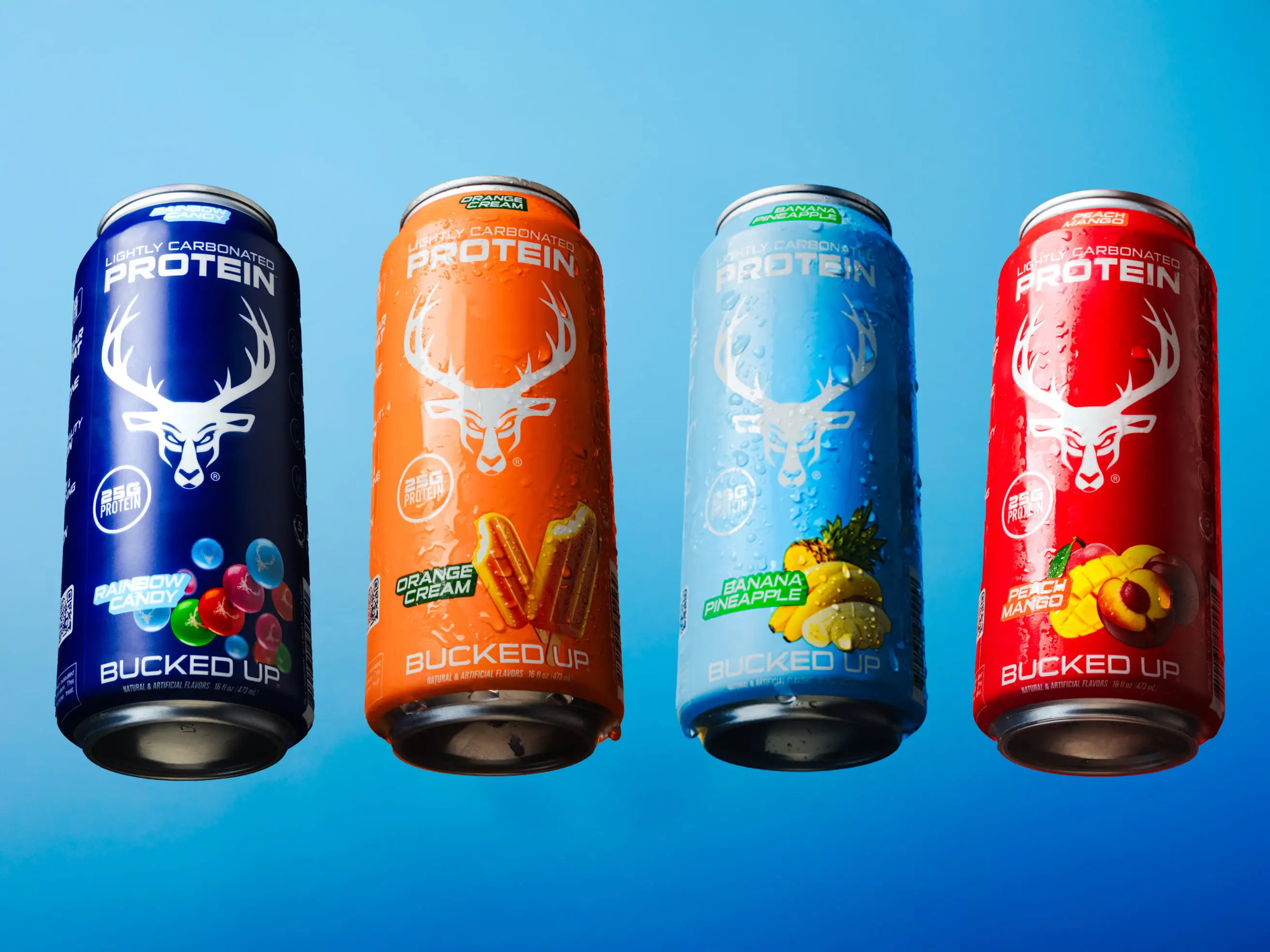
Bucked Up Protein Soda uses 100% clear whey protein isolate and delivers 25 grams of rapidly absorbed protein. Unlike whey concentrate, which contains more lactose and digests more slowly, whey isolate provides clean, fast-acting protein without digestive heaviness.
Grab Bucked Up Protein Soda to experience the cleanest whey isolate in a refreshing carbonated format.
Step 5: Pair Protein with Carbs and Use RTDs Like Bucked Up Protein Soda
While protein drives muscle repair, pairing it with carbohydrates speeds recovery by refilling glycogen and supporting amino acid uptake. Standard guidance suggests a 3:1 or 4:1 carbohydrate-to-protein ratio after endurance exercise, with at least 20 grams of protein and 75-80 grams of carbohydrates to support refueling. For strength training, a simple piece of fruit such as a banana usually provides enough carbohydrates to complement your protein.
Compare ready-to-drink protein options:
|
Product |
Protein |
Calories |
Key Edge |
|
Bucked Up Protein Soda |
25g |
100 |
Carbonated, no heaviness |
|
Premier Protein |
30g |
160 |
Milky, slower digest |
|
Muscle Milk |
25g |
160 |
Heavy, prep needed |
Step-by-step recovery protocol:
- Calculate your protein dose using the table above
- Grab a chilled Bucked Up Protein Soda within 60 minutes post-workout
- Pair it with a piece of fruit for a supportive carbohydrate ratio
- Track your recovery and strength gains over time
Step 6: Fix Common Protein Mistakes and Tailor for Women, Athletes, and GLP-1 Users
Most people miss results by under-dosing protein, waiting too long to drink it, or picking low-quality sources. Common errors include taking less than 20 grams, delaying intake beyond 90 minutes, and relying on proteins that digest slowly or cause stomach discomfort. An extra daily protein dose of 0–1 gram per kilogram from supplements produced a small but statistically significant effect on post-exercise fatigue recovery, which highlights the value of consistent, moderate dosing.
Different groups benefit from slightly different approaches:
- Women: Aim for the lower end of the dosing range (0.14-0.18g/lb) unless training at very high intensity.
- GLP-1 users: Emphasize easily digestible liquid protein like Bucked Up to help maintain muscle mass during weight loss when appetite drops.
- Advanced athletes: Add an evening protein dose to support overnight recovery and muscle repair.
Beyond protein dosing itself, three habits amplify your results. Staying hydrated supports nutrient transport, stacking with creatine monohydrate enhances strength gains, and tracking progression shows how your protocol performs over time. Research supports this comprehensive approach, as eight weeks of post-exercise 25-gram ready-to-drink protein supplementation with resistance training produced greater maximal bench press and deep squat strength gains than resistance training with water alone.
Frequently Asked Questions
How much protein after a workout, NASM?
NASM recommends 20-35 grams of protein or 0.14-0.23 grams per pound of body weight within 60-90 minutes post-exercise. This range supports muscle protein synthesis without pushing far beyond what your body can use in that window. For many athletes, 25 grams sits near the ideal target.
Is 25g of protein enough post-workout?
Yes, 25 grams of high-quality whey protein isolate covers post-workout needs for most people. Research shows that 20-25 grams reaches the leucine threshold that triggers anabolic processes, while larger doses add only small extra benefits during the immediate recovery period.
Protein soda vs. shake – which is better?
Bucked Up Protein Soda offers several advantages over traditional shakes. You get a lighter carbonated texture, faster absorption, no prep time, and no heavy, milky feel. The clear whey isolate formula digests more rapidly than many milk-based shakes, which makes it a strong choice when you want post-workout refreshment without fullness.
Is protein soda safe for GLP-1 users and daily consumption?
Protein soda works well for GLP-1 users who struggle with solid foods or reduced appetite. The low-calorie, easily digestible format helps protect muscle mass during weight loss. Daily use fits most routines and supports protein targets without adding digestive stress.
NASM protein calculator for females?
Female athletes can use the same calculation and then adjust based on training load. Multiply body weight in pounds by 0.14-0.23 grams. A 130-pound woman needs about 18-30 grams post-workout, so a 25-gram serving often lands in the ideal middle. Many women do well near the lower end of the range unless they train very hard with heavy strength work.
What’s the best post-workout protein timing?
Aim for 30-90 minutes after exercise, with 30-60 minutes as the sweet spot. As covered in Step 3, this window lines up with the period when muscle protein synthesis runs highest, so your body can use the protein more effectively.
Conclusion: Put NASM Protein Dosing into Practice Today
Following NASM-aligned protein guidelines turns your recovery plan into a simple, repeatable system. Use the 0.14-0.23 grams per pound guideline, drink your protein within 60-90 minutes of training, and choose fast-digesting whey protein isolate to support strength and muscle gains. Bucked Up Protein Soda removes the guesswork with a serving size that matches NASM guidance in a refreshing, carbonated format your muscles and taste buds can enjoy.
Start your NASM-optimized recovery protocol with Bucked Up Protein Soda today.