Last updated: April 22, 2026
Key Takeaways: NASM-Style Post-Workout Protein
- NASM recommends 20-40g of high-quality protein within 1-2 hours after training to support muscle recovery and protein synthesis.1
- Daily protein needs follow the NASM 1.4-2.0 g/kg range for active individuals, and your post-workout dose counts toward that total.
- Whey protein isolate digests quickly, contains plenty of leucine, and helps activate the mTOR pathway that drives muscle growth.1
- Pairing protein with carbs supports glycogen replenishment, and a 25g serving works well for many people between 130-170 lbs.1
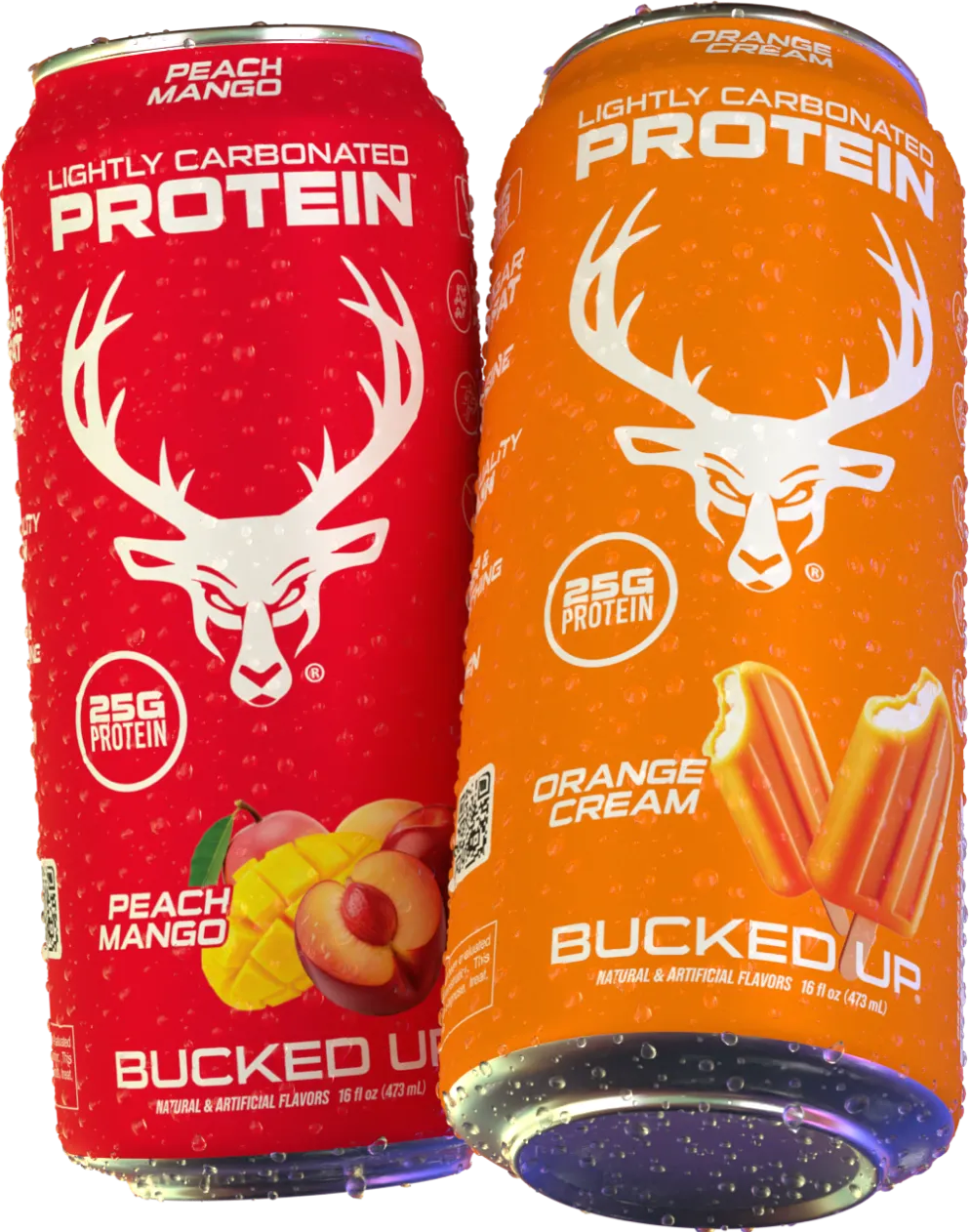
- Bucked Up Protein Soda offers a refreshing 25g whey isolate option that covers a common post-workout target without heavy bloating.1
How NASM Frames Post-Workout Protein
The NASM CPT 7th Edition Textbook explains that muscles stay sensitive to nutrients for several hours after training. NASM suggests consuming protein within 1-2 hours after a workout to support recovery.1 Key NASM guidelines include:
- Dosage: 20-40g of high-quality protein after your workout
- Timing: Within 1-2 hours after training
- Distribution: Spread protein across your daily meals
- Daily Total: 1.4-2.0 g per kg of body weight for physically active individuals
- Protein Type: Fast-absorbing sources such as whey isolate
NASM also suggests pairing post-workout protein with 2-3 times as many carbohydrates to help restore glycogen stores.1 This approach differs slightly from ACSM guidelines but still focuses on getting a fast, high-quality protein source into your system to support muscle recovery.
How Much Protein After a Workout: NASM-Based Calculator
Calculating your daily protein intake with NASM guidance starts with your body weight and the recommended range above. The table below shows how that range translates into daily protein targets across common body weights, so you can see where your needs likely fall.
| Body Weight (lbs) | Low Dose (g) | High Dose (g) |
|---|---|---|
| 130 | 95 | 130 |
| 150 | 110 | 150 |
| 170 | 108 | 154 |
| 190 | 122 | 172 |
Bucked Up Protein Soda’s 25g serving fits within this NASM-style range for many people, especially those between 130-170 lbs. Athletes or larger individuals who sit toward the higher end of the range can pair Bucked Up with a small carbohydrate source to support both protein synthesis and glycogen replenishment.1
NASM Protein Targets and Muscle-Building Mechanisms
Knowing your 20-40g post-workout range explains how much to take, and the underlying physiology explains why that range works. Ingesting 20 g of high-quality protein such as whey or egg can maximize muscle protein synthesis at rest and during recovery for up to 4-6 hours.1 This type of dose helps trigger the mTOR pathway, which starts the muscle repair and growth process.1
For a muscle hypertrophy focus, many experts suggest a serving that delivers roughly 2 to 3 grams of leucine, which you typically get from about 25 grams of whey protein. Leucine acts as a primary signal for muscle protein synthesis, so a fast-digesting, leucine-rich source like whey isolate can support this response effectively.1
Leucine supports muscle protein synthesis by activating the mTOR pathway when blood levels rise after protein intake, especially post-workout.1 If you want a convenient option that delivers a leucine-focused serving, Bucked Up Protein Soda provides 25g of whey isolate in a ready-to-drink format that aligns with these muscle-building targets.1
Why Whey Isolate Stands Out for Post-Workout Protein
Protein sources differ in how quickly they digest and how strongly they support recovery. Whey protein powder is typically digested within 1-2 hours, helped by its high protein content (around 90% or more) and low levels of carbs and fats.
This rapid digestion matters because whey protein’s quick delivery and high leucine content stimulate muscle protein synthesis more effectively than slower-digesting proteins like casein.1 Your muscles receive amino acids when they are most receptive after training, which makes whey isolate a strong choice for immediate post-workout use.
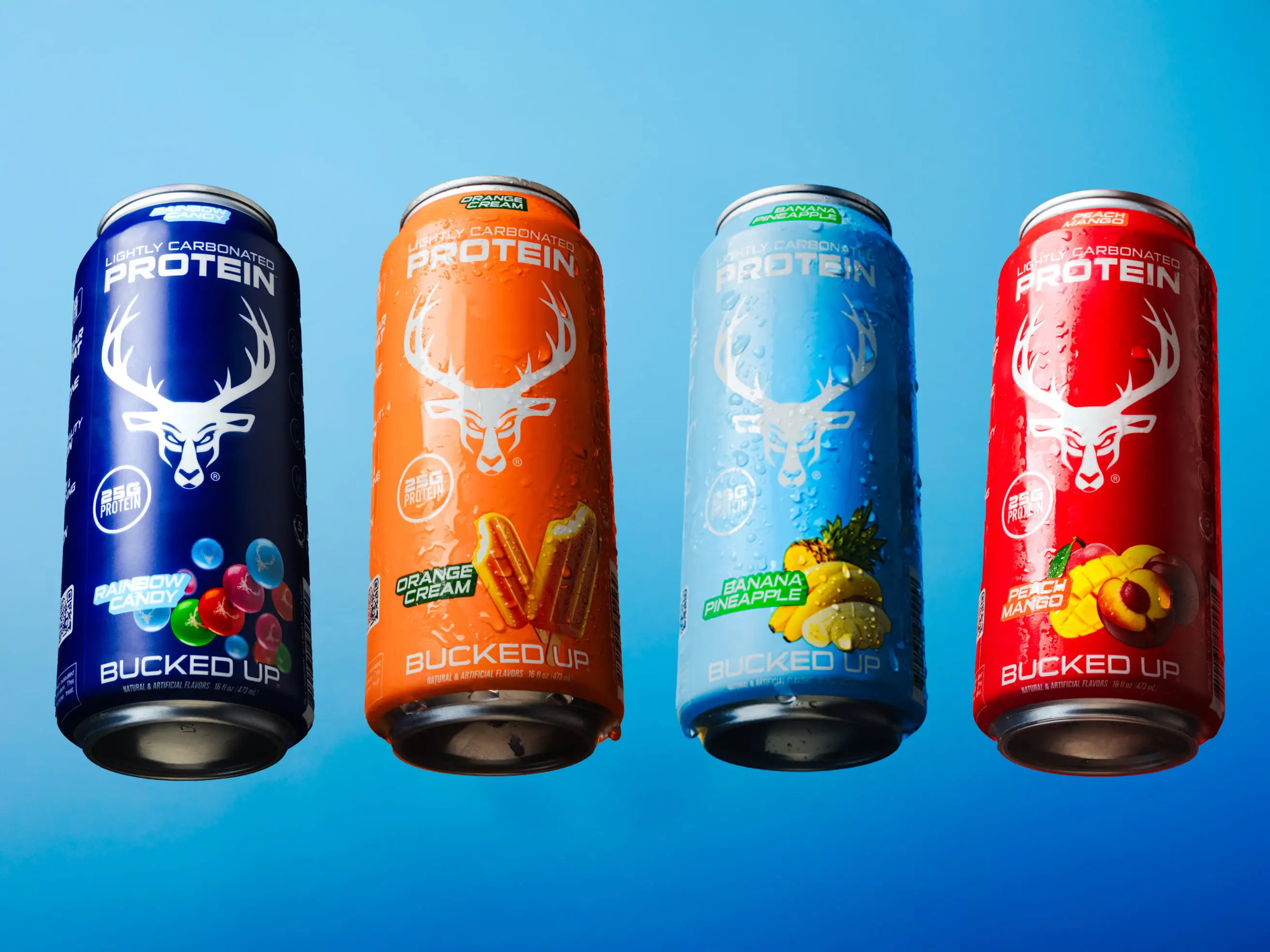
Bucked Up Protein Soda uses 100% whey protein isolate in a carbonated drink that can feel lighter than many traditional ready-to-drink shakes. Other brands such as Premier Protein and Muscle Milk offer a range of protein shakes, while Bucked Up focuses on a light, refreshing carbonation that can improve taste and drinkability while still supporting rapid absorption.1
Benefits of Post-Workout Protein Across Different Goals
Consistent post-workout protein intake supports more than muscle size.1 In young adults, consuming about 20-25 g of high-quality protein per main meal can maximize muscle protein synthesis and support daily rates. This pattern can reduce muscle soreness, speed up recovery, and support long-term strength gains.1
Different groups can adjust within NASM-style ranges to match their needs. Dr. Stacy Sims recommends 35g of protein within 45 minutes post-workout for women in their reproductive years, and 40-60g for peri-menopausal or menopausal women. For people using GLP-1 medications, a light, easily digestible carbonated protein drink can help maintain protein intake and muscle mass even when appetite drops.1
Research suggests that the anabolic window for muscle protein synthesis lasts for several hours after training. This gives you some flexibility in timing, while still keeping adequate total protein intake as the main priority.
Putting NASM Protein Guidance into Practice
Turning NASM-style guidelines into a daily routine works best when you follow a simple, repeatable plan. Use these steps as a starting framework:
- Calculate your dose: Use the 1.4-2.0 g/kg daily range mentioned above and the table to estimate your total daily protein target.
- Choose fast-absorbing protein: Select whey isolate or a similar quick-digesting source for your post-workout serving.
- Time consumption: Aim to drink or eat your protein within about 30-60 minutes after training when practical.
- Track progress: Watch your recovery, soreness, and strength over time and adjust your intake if needed.
Bucked Up Protein Soda supports this routine by providing 25g of whey isolate in a convenient can you can keep in your gym bag or fridge. The carbonated format can make the drink feel lighter while still supporting the rapid absorption that many people look for after a workout.1
Post-Workout Troubleshooting, Tips, and Progress Checks
A few simple habits can improve your post-workout protein strategy. Pair your protein with a simple carbohydrate source to support glycogen replenishment. Keep your drinks chilled so they taste better and are easier to finish quickly. Common mistakes include waiting longer than 2 hours to consume protein or choosing options that regularly cause digestive discomfort.
Useful success markers include less muscle soreness within 24-48 hours, better workout performance over 2-4 weeks, and measurable strength gains over 6-8 weeks. The light, carbonated format of Bucked Up can help reduce feelings of heaviness or bloating that sometimes follow thicker shakes, which can make it easier to stay consistent.1
Frequently Asked Questions
How much protein after a workout does NASM recommend?
NASM recommends the 1.4-2.0 g/kg daily protein range for physically active individuals, with post-workout protein as one part of that total. A serving of 20-40 g of quality protein within 1-2 hours after training aligns with these guidelines for many people.
Is 25g of protein enough after a workout?
A 25g serving of high-quality whey protein isolate can work well for many people between 130-170 lbs. This amount can provide roughly 2.5g of leucine, which supports muscle protein synthesis and fits within the NASM-style post-workout range discussed earlier.1
How does carbonated protein compare to traditional shakes?
Carbonated protein drinks can offer a lighter texture, quick and easy consumption, reduced bloating, and a more refreshing taste experience.1 The carbonation itself does not appear to interfere with protein absorption, so you can still support recovery while enjoying a different format than a typical thick shake.1
Is protein soda safe for daily use and GLP-1 users?
Protein soda can be used daily as part of a balanced diet when it fits your overall calorie and protein goals. For people using GLP-1 medications, a light, easily digestible drink can help maintain protein intake and support muscle preservation during weight management, especially when appetite is lower.1
Can I consume more than 40g of protein post-workout?
Recent research suggests the body can use larger protein servings, although 20-40g remains a practical and commonly recommended range for many people after training. Focus on hitting your daily protein target and spacing protein across meals rather than relying on very large single doses.
Conclusion: Applying NASM Protein Guidance with Bucked Up
NASM’s evidence-based protein guidelines give you a clear framework for supporting recovery and muscle growth. Consuming a quality protein source within 1-2 hours after exercise can support muscle protein synthesis and long-term training adaptations.1 Bucked Up Protein Soda’s 25g of whey isolate fits a common post-workout target for many individuals and delivers that serving in a refreshing, convenient format that can reduce guesswork and heavy shake fatigue.1 Support your recovery with Bucked Up Protein Soda.1
1 The content provided in this article is for informational purposes only and is not medical advice. Consult with a medical professional before implementing any changes to your diet, health, or exercise routines.
Individual results will vary and are based on a combination of each individual’s diet, exercise, age, and health circumstances.
These statements have not been evaluated by the Food and Drug Administration. This product is not intended to diagnose, treat, cure or prevent any disease.
This article was written by Ryan Gardner, CEO of Bucked Up. As the maker of Bucked Up Protein Soda, we have a financial interest in this information. The views expressed are our own and should be read with that context in mind.