Last updated: April 22, 2026
Key Takeaways for Post-Workout Protein
- Most lifters recover well with 20–40g of fast-digesting whey protein after training to support muscle protein synthesis.1
- Leucine in the 2–3g range per serving activates the mTOR pathway, which drives muscle repair for up to 24 hours.1
- Use bodyweight as a guide: for example, someone at 150 lbs often benefits from roughly 17–27g of protein post-workout.
- People using GLP-1 medications may benefit from 25g or more protein to help preserve muscle during weight loss, especially in easy-to-digest formats.1
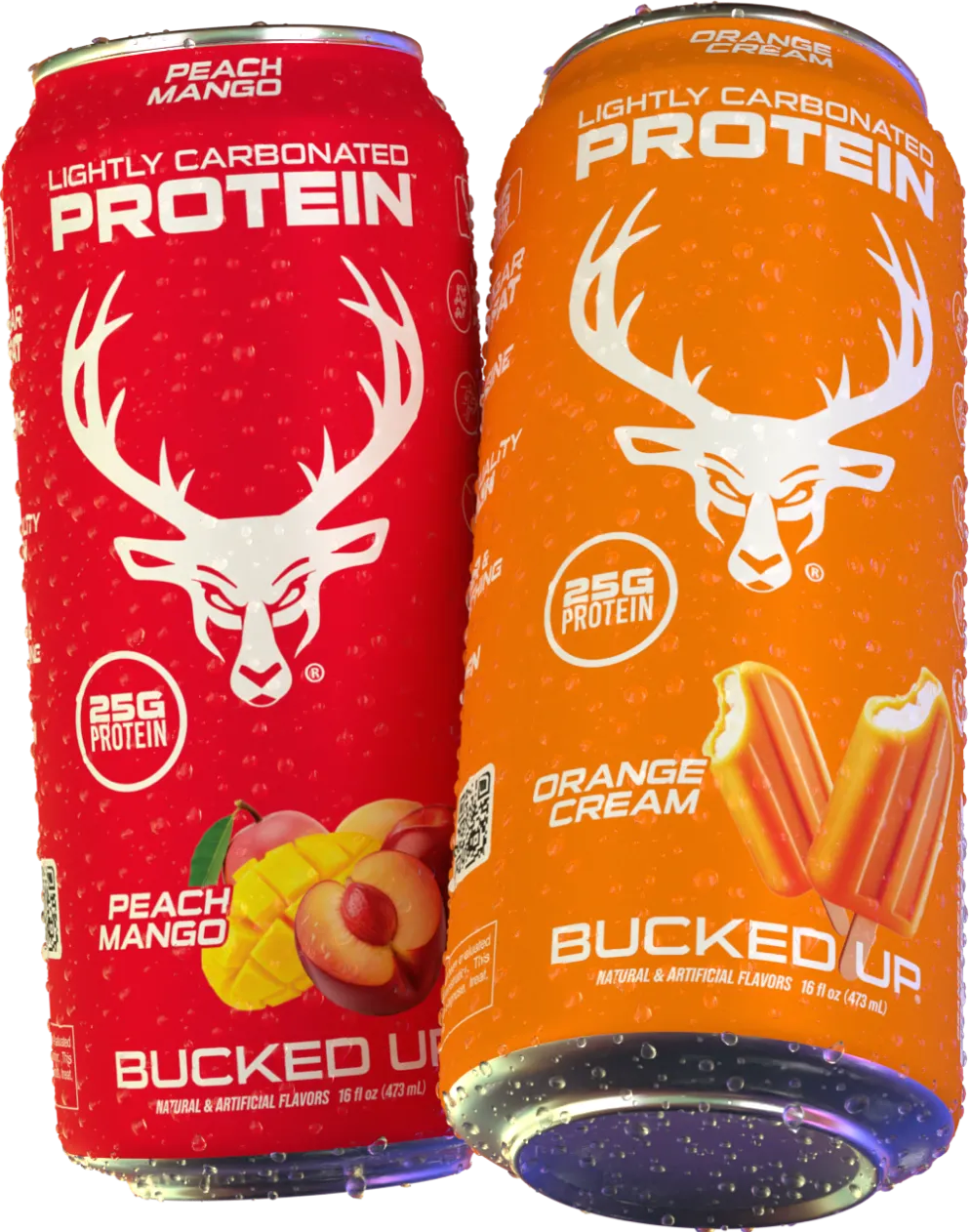
- Bucked Up Protein Soda offers a convenient 25g whey isolate serving in a refreshing, zero-sugar can for simple post-workout recovery.1
Why Protein Dosage Matters for Muscle Recovery
Muscle protein synthesis (MPS) repairs and builds muscle tissue after hard training. The amino acid leucine serves as a primary trigger for MPS and typically needs 2–3g to activate the mTOR pathway, which signals muscle cells to start repair and growth.
Research shows that a moderate protein dose after training supports MPS without excessive amino acid oxidation.1 Within this range, your body can use protein for muscle building instead of converting large surpluses to energy. The International Society of Sports Nutrition recommends 0.25g of high-quality protein per kg of body weight per serving for athletes who want to maximize MPS.
The post-exercise window for protein intake offers more flexibility than older advice suggested. Peak MPS usually occurs within 0–2 hours after training, while the anabolic window can extend up to 24 hours, which gives you room to plan protein around your schedule.
People using GLP-1 medications for weight management often have reduced appetite and lower food intake. Recent 2024 data suggests that 25g or more of high-quality protein can help preserve muscle mass during GLP-1-related weight loss, so post-workout protein becomes a key tool for maintaining lean tissue.1
How Much Protein After a Workout by Bodyweight
Post-workout protein needs scale with bodyweight and training intensity. Many lifters fall into a useful range when they match intake to a fraction of bodyweight, which often lands in the 20–40g zone for a single serving.
| Bodyweight | Low End (0.25g/kg) | High End (0.40g/kg) |
|---|---|---|
| 130 lbs (59 kg) | 15g | 24g |
| 150 lbs (68 kg) | 17g | 27g |
| 170 lbs (77 kg) | 19g | 31g |
| 190 lbs (86 kg) | 22g | 34g |
| 210 lbs (95 kg) | 24g | 38g |
To find your personal dose, first convert your weight to kilograms, then multiply by a value within the recommended range. For example, a 154 lb lifter weighs about 70 kg and often lands around 18–28g of protein after training. Bucked Up Protein Soda provides 25g per can, which fits neatly into this range for many people and removes guesswork.
Research by van Loon suggests spreading protein across the day in roughly 20–25g servings every 4–6 hours. Post-workout intake becomes one of those key servings that supports steady MPS over time.1
Post-Workout Protein Timing for Recovery
Most people benefit from taking in protein within the first few hours after training, when muscles respond strongly to amino acids. This timing supports the repair process that follows hard sessions.1
Protein still supports muscle building beyond the old 30-minute rule and remains effective when consumed within about 2 hours of training.1 Missing that early window does not erase your workout, yet placing protein in that period can improve recovery and adaptation.
Best Protein Sources After a Workout
Protein sources differ in digestion speed and leucine content, which affects how strongly they stimulate MPS. Fast-digesting options with higher leucine levels tend to support quicker recovery than slower, lower-leucine choices.1 The table below compares common post-workout protein sources so you can see how whey isolate stacks up for leucine content and absorption speed.
| Protein Source | Protein per Serving | Absorption Speed | Leucine Content |
|---|---|---|---|
| Whey Isolate (Bucked Up) | 25g per can | Fast | High |
| Whey Concentrate | 20–24g per scoop | Moderate | 2.0–2.4g |
| Chicken Breast | 30g per 3.5 oz | Slow | 2.0g |
| Greek Yogurt | 15–20g per cup | Slow | 1.5–1.8g |
Whey protein isolate can reach leucine levels around 10–11% of total amino acids and supports rapid absorption.1 A 25g serving of a quality isolate usually provides enough leucine to meet the threshold discussed earlier and support MPS.1
Bucked Up Protein Soda for Simple Post-Workout Recovery
Many traditional protein shakes feel thick, chalky, and heavy, which makes consistent post-workout nutrition harder to maintain. Bucked Up Protein Soda offers a different experience by delivering 25g of whey protein isolate in a crisp, carbonated drink that feels closer to an energy drink than a shake.
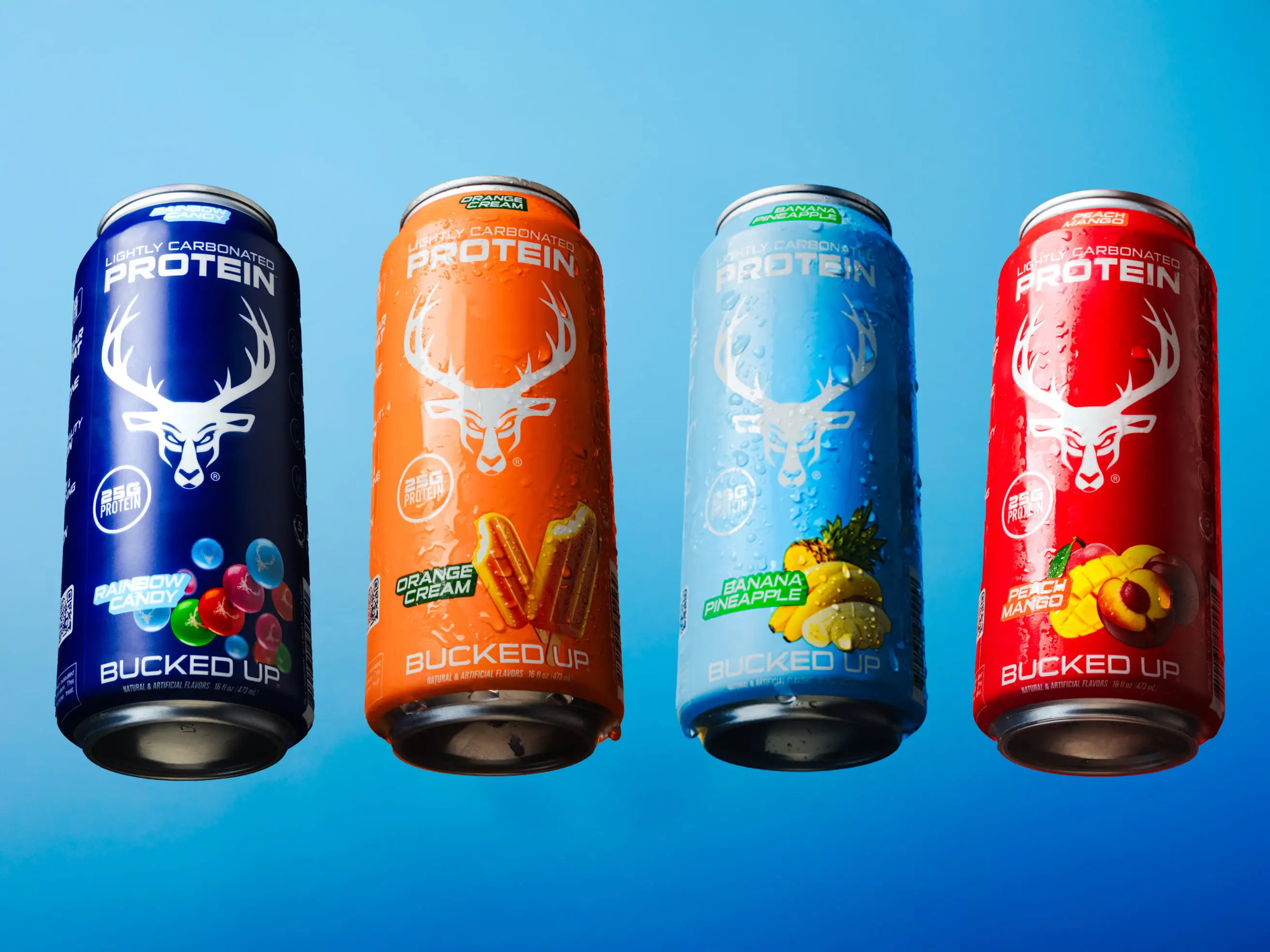
Some products rely on whey concentrates or add collagen to raise the protein number on the label. This formula focuses on 100% whey protein isolate. Isolate goes through more filtration, which supports higher protein purity and quicker absorption compared with many concentrate-based options.1
Each can contains 100 calories with zero sugar, zero carbs, and zero caffeine. This profile works at any time of day and fits a wide range of approaches, including keto and low-carb plans. The light, carbonated format can feel easier for many GLP-1 users, who often struggle with dense, milky shakes but tolerate clear beverages more comfortably.
The clear formula also avoids the heavy mouthfeel that turns some people away from protein drinks. You still get muscle-supporting amino acids in a format that feels refreshing, so you are more likely to stay consistent with your post-workout routine.1
Real-World Protein Strategies You Can Use
Putting protein guidelines into practice works best when the plan fits your daily routine. Many gym-goers keep a Bucked Up Protein Soda in a gym bag or car so they can drink it soon after training. The shelf-stable can removes the need for shakers, blenders, or refrigeration, which helps on busy days.
GLP-1 users can treat the 25g serving as a daily anchor for muscle preservation, especially on days when solid food feels unappealing.1 The light carbonation and clear texture often feel easier on the stomach than thick shakes and may reduce nausea for some people.
Whether you are managing GLP-1 side effects or simply want better recovery, a simple framework keeps your protein plan on track. First, calculate your target dose using the bodyweight-based range so you know how much protein to aim for after training. Once you have that target, place your protein within a few hours of exercise, when muscles respond strongly to amino acids. Next, choose a fast-digesting source such as whey isolate to take advantage of that timing window. Within that source, look for enough leucine to reach the activation threshold described earlier. Finally, repeat this pattern across training days, since long-term consistency drives visible changes in strength and muscle.
Frequently Asked Questions
What is the difference between whey isolate and whey concentrate?
Whey protein isolate goes through extra processing that removes more lactose, fat, and carbohydrates, which creates a purer protein that the body absorbs efficiently. Whey protein concentrates usually contain about 34–85% protein by weight, while isolates often reach 90% or more. This higher purity can support post-workout recovery when rapid amino acid delivery matters.1
Is it safe to consume protein every day?
Daily protein intake within recommended ranges is considered safe for healthy people. Research supports these intakes without showing harm to kidney, liver, or bone health in individuals with normal kidney function. The 25g in Bucked Up Protein Soda represents a moderate serving that can fit into most balanced diets.
Is Bucked Up Protein Soda keto-friendly?
Yes. With zero carbohydrates and zero sugar, Bucked Up Protein Soda fits ketogenic and low-carb eating styles. The 25g protein serving helps support daily protein goals while allowing you to maintain ketosis, which can benefit keto dieters focused on muscle preservation.1
How does carbonated protein compare to traditional shakes for digestion?
The carbonated, clear format often feels easier to digest, especially for people with sensitive stomachs or those taking GLP-1 medications.1 The lighter liquid avoids the heaviness and potential bloating that some experience with thick, creamy shakes while still delivering essential amino acids for muscle support.
Can I use this protein soda as a meal replacement?
Bucked Up Protein Soda works best as a targeted post-workout or snack-time protein source rather than a full meal replacement. For complete nutrition, pair it with whole foods that provide healthy fats, complex carbohydrates, fiber, vitamins, and minerals.
Dialing in post-workout protein does not require complex math or unpleasant shakes. A bodyweight-based framework gives you a clear starting point for recovery. Bucked Up Protein Soda supports that plan with 25g of fast-absorbing whey isolate in a refreshing, carbonated format.1 Start improving your post-workout recovery with Bucked Up Protein Soda and turn your protein routine into something you actually enjoy.
1 The content provided in this article is for informational purposes only and is not medical advice. Consult with a medical professional before implementing any changes to your diet, health, or exercise routines.
Individual results will vary and are based on a combination of each individual’s diet, exercise, age, and health circumstances.
These statements have not been evaluated by the Food and Drug Administration. This product is not intended to diagnose, treat, cure or prevent any disease.
This article was written by Ryan Gardner, CEO of Bucked Up. As the maker of Bucked Up Protein Soda, we have a financial interest in this information. The views expressed are our own and should be read with that context in mind.