Last updated: April 22, 2026
Key Takeaways
- Optimum Nutrition Platinum Hydrowhey contains trace lactose (less than 1g per serving) from its hydrolyzed whey isolate base, so it can be unsuitable for severe lactose intolerance.
- Hydrolysis breaks down proteins for faster absorption but does not remove the remaining lactose left after filtration.1
- People with severe lactose intolerance often do better avoiding whey-based products like Hydrowhey to reduce bloating, gas, and digestive discomfort.
- Tolerance varies widely. Mild cases may handle trace amounts, but testing personal response remains essential, especially for GLP-1 users trying to preserve muscle.
- Bucked Up Protein Soda provides guaranteed zero-lactose, 25g whey isolate in a refreshing, ready-to-drink format that supports bloat-free fitness goals.1
How Optimum Nutrition Platinum Hydrowhey Works
Optimum Nutrition Platinum Hydrowhey sits in the premium protein supplement category and features 100% hydrolyzed whey protein isolate that delivers 30 grams of protein per serving. The product goes through advanced filtering technologies that remove most carbohydrates, fat, and lactose from the original whey source.
Each 39g serving of Optimum Nutrition Platinum Hydrowhey contains 2g total carbohydrates, which signals residual lactose content of less than 1g per serving despite the extensive processing. The hydrolysis process breaks protein chains into smaller peptides for faster absorption, but lactose reduction occurs during prior filtration steps rather than through hydrolysis itself.1
While marketed as a low-lactose option, the product’s hydrolyzed whey protein isolate ingredient remains low in lactose and fat but not completely lactose-free. That residual lactose can create digestive issues for individuals with severe lactose intolerance.
Is Hydrowhey Actually Lactose-Free? The Science
The hydrolysis process in Platinum Hydrowhey targets protein peptide bonds, not lactose molecules. Whey protein hydrolysate contains minimal lactose due to extensive processing similar to whey protein isolate, which achieves less than 1% lactose content through microfiltration.
Scientific evidence shows that whey protein hydrolysate is produced by enzymatically hydrolyzing whey protein isolate, which already has reduced lactose content from prior filtration steps. Hydrolysis then breaks peptide bonds to create protein fragments but does not further reduce lactose levels.
Individual lactose tolerance varies significantly. Many people with lactose intolerance can consume up to 2 cups of milk per day without symptoms, yet tolerance differs between individuals, and extreme cases require consulting a registered dietitian. For those severe cases, even the trace amounts mentioned earlier can trigger symptoms.
The processing removes over 99% of lactose, but complete elimination remains difficult with current filtration technologies. That limitation leaves residual amounts that may cause digestive discomfort in sensitive individuals.
How Lactose Shows Up in Hydrolyzed Whey Protein
Hydrolyzed whey protein goes through a two-stage process that affects lactose content. Whey protein isolate is lower in lactose than regular whey concentrate because filtration removes much of the fat, carbohydrates, and lactose, but it is not completely lactose-free. Hydrolysis happens after this initial filtration and targets proteins rather than the remaining lactose molecules.
Manufacturing standards confirm that hydrolyzed whey protein results in very low lactose content. For people with severe sensitivities, however, “very low” still does not equal zero.
Is Hydrolyzed Protein Helpful for Lactose Intolerance?
Hydrolyzed protein can help some people with mild to moderate lactose intolerance because it digests quickly and creates less digestive load.1 Many people with lactose intolerance have a personal threshold for lactose intake rather than a total inability to digest it, so tracking individual responses becomes crucial.
Individual tolerance testing remains essential because even minimal lactose traces can trigger symptoms in severe cases. Gas, bloating, and digestive discomfort can make a product unusable regardless of its protein quality. Dairy reactions may also stem from sensitivities to milk proteins like casein and whey rather than lactose itself, which complicates product selection for sensitive individuals.
When Lactose Intolerance Means Avoiding Whey Protein
People with severe lactose intolerance should approach any whey-based products carefully, including hydrolyzed versions. Those with lactose intolerance or dairy sensitivities are often advised to consult a physician before using whey protein isolates because of potential trace lactose.
Key symptoms to watch include gas, bloating, digestive discomfort, and stomach cramping after consumption. Even products labeled as “low-lactose” may contain enough residual lactose to trigger reactions in highly sensitive individuals, reinforcing why complete avoidance can be necessary for severe cases.
The Solution: Bucked Up Protein Soda as a Zero-Lactose Option
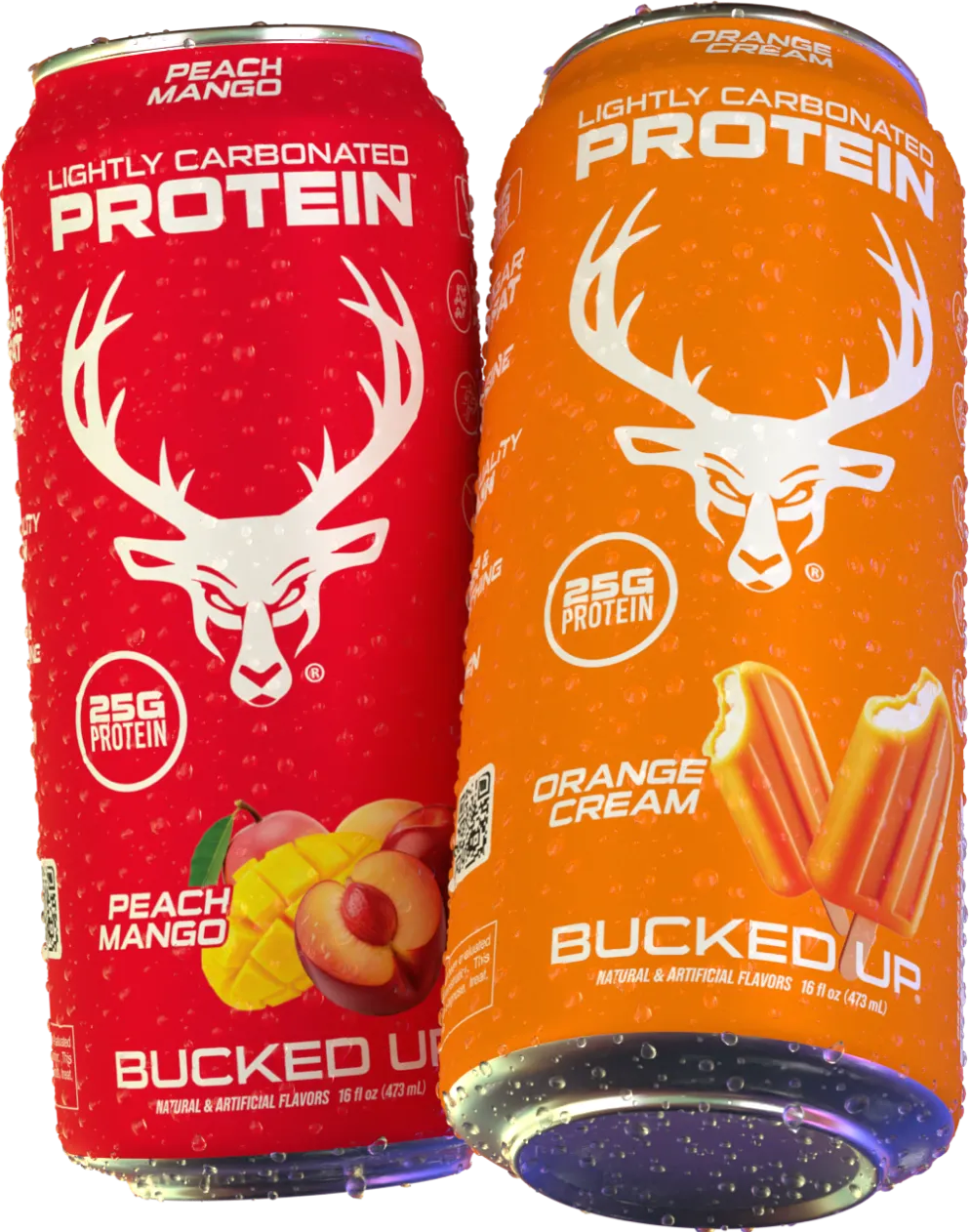
Bucked Up Protein Soda removes lactose concerns by using pure whey isolate processing that achieves zero lactose content. Each can delivers 25g of complete whey protein isolate in a refreshing, lightly carbonated format with only 100 calories, zero sugar, and zero carbs.

Key advantages stem from its complete lactose elimination. Pure Isolate Zero Traces: Manufacturing focuses on thorough filtration to remove lactose entirely, which addresses the trace-amount concern present in products like Hydrowhey.
Light Soda Format: Because the isolate is lactose-free, it can be delivered in a light, carbonated, non-milky texture. That format offers a refreshing alternative to heavy protein shakes and can feel easier to drink every day.
Post-Workout and GLP-1 Friendly: The caffeine-free, easily digestible format supports muscle preservation for people on weight management programs and GLP-1 medications who want protein without digestive stress.1
Try zero-lactose protein in a refreshing soda format and support your fitness goals without worrying about lactose-related discomfort.
Bucked Up vs. ON Hydrowhey: Lactose and Format Compared
The following comparison highlights the key differences in lactose content, format, and suitability for severe intolerance.
| Feature | ON Platinum Hydrowhey | Bucked Up Protein Soda |
|---|---|---|
| Lactose Content | <1g | 0g (guaranteed) |
| Format | Powder, requires mixing | Ready-to-drink carbonated |
| Calories per Serving | 140 calories | 100 calories |
| Severe Intolerance Suitable | May cause symptoms | Suitable option |
Why Bucked Up Fits GLP-1 Users and 2026 Fitness Goals
GLP-1 medication users often struggle to maintain adequate protein intake while dealing with reduced appetite and possible food sensitivities. Bucked Up Protein Soda supports these needs with a low-calorie, easily digestible format that helps preserve muscle without adding digestive stress or unnecessary calories to restricted eating plans.1
The carbonated format can appeal to people who find solid foods or heavy protein shakes difficult. At the same time, the zero-lactose guarantee reduces concerns about digestive reactions that might further limit nutrient intake during weight management phases.
FAQ
Is Bucked Up Protein Soda completely lactose-free?
Yes, Bucked Up Protein Soda contains zero lactose. The product uses pure whey protein isolate processed through advanced filtration methods that remove lactose. This profile makes it a potential option for individuals with severe lactose intolerance who cannot tolerate the trace amounts discussed earlier.
How does Bucked Up Protein Soda compare to traditional protein shakes for lactose-intolerant individuals?
Bucked Up Protein Soda offers several advantages over many traditional protein shakes for lactose-intolerant individuals. The carbonated, ready-to-drink format removes the need to mix powders that can contain residual lactose, and the light, refreshing texture avoids the heavy, milky consistency that some people associate with digestive discomfort. The zero-lactose formulation provides added reassurance.
Can people with severe lactose intolerance safely consume Bucked Up Protein Soda daily?
Many individuals with severe lactose intolerance can consider Bucked Up Protein Soda for daily use because it contains no lactose. The pure whey isolate formulation undergoes processing that removes lactose content, which reduces the digestive risks linked to products containing trace lactose amounts. The caffeine-free formula also fits use at any time of day, depending on personal tolerance and medical guidance.
What makes Bucked Up Protein Soda different from other lactose-free protein options?
Bucked Up Protein Soda can stand out through its carbonated format that delivers 25g of complete protein in a soda-like experience rather than a traditional shake. The ready-to-drink convenience removes preparation time, while the 100-calorie, zero-sugar profile supports goals such as weight management and muscle preservation for GLP-1 users. The zero-lactose guarantee helps separate it from products that may still contain trace lactose.
Is Bucked Up Protein Soda suitable for post-workout recovery compared to hydrolyzed whey proteins?
Bucked Up Protein Soda supports post-workout recovery through its pure whey isolate formulation, which offers rapid absorption without lactose-related digestive risks. The carbonated format provides quick refreshment after intense training, and the complete amino acid profile supports muscle recovery and growth.1 The convenient ready-to-drink can helps keep post-workout nutrition consistent without mixing or waiting.
Conclusion
Optimum Nutrition Platinum Hydrowhey significantly reduces lactose content through extensive processing but still retains trace amounts that can trigger symptoms in people with severe lactose intolerance. For those who need zero-lactose protein to support muscle preservation and fitness goals with less digestive risk, Bucked Up Protein Soda offers a practical option through pure whey isolate in a convenient, refreshing format.1
Get your lactose-free protein solution and support your fitness and health objectives without the concern of residual lactose.
1 The content provided in this article is for informational purposes only and is not medical advice. Consult with a medical professional before implementing any changes to your diet, health, or exercise routines.
Individual results will vary and are based on a combination of each individual’s diet, exercise, age, and health circumstances.
These statements have not been evaluated by the Food and Drug Administration. This product is not intended to diagnose, treat, cure or prevent any disease.
This article was written by Ryan Gardner, CEO of Bucked Up. As the maker of Bucked Up Protein Soda, we have a financial interest in this information. The views expressed are our own and should be read with that context in mind.