Last updated: April 22, 2026
Key Takeaways for Your Post-Workout Protein
- Whey protein isolate absorbs faster than plant proteins and supports post-workout muscle recovery during the early anabolic window.1
- Whey typically delivers around 2.5 grams of leucine per 25-gram serving, which helps trigger muscle protein synthesis efficiently.1
- Plant proteins often require 20-30% larger servings to match whey’s leucine threshold and their fiber content can cause digestive discomfort for some people.1
- Both whey and plant proteins can support muscle growth when daily protein intake is high enough, but whey tends to work better immediately after training because of its rapid amino acid delivery.1
- Choose this carbonated recovery drink for 25 grams of clear whey isolate in a refreshing, zero-sugar format that fits easily into post-workout routines.1
How Post-Workout Protein Timing Affects Muscle Recovery
The anabolic window refers to the 0-2 hour period after resistance exercise when muscle protein synthesis can rise by up to 109% above baseline. Research shows that muscle protein synthesis stays elevated for 24 hours after training, with peak rates in the first few hours. During this early phase, fast-digesting protein supports repair of exercise-induced muscle microtears and enhances the muscle-building response. Whey protein isolate increases plasma insulin concentrations more at 30 and 60 minutes after consumption than plant protein blends, which supports quicker nutrient uptake.1 An effective post-workout protein dose usually falls between 20 and 30 grams, and leucine content plays a central role in triggering muscle protein synthesis.1
Whey vs Plant Protein After Training: Key Differences
The optimal post-workout dose and leucine trigger set the stage for comparing whey and plant proteins side by side. The table below highlights how each option performs on absorption, leucine content, and digestibility so you can match your choice to your recovery goals.
| Metric | Whey Isolate (25g) | Plant Blend (25g) | Notes |
|---|---|---|---|
| Absorption Speed | Rapid absorption | Slower absorption | Different rates |
| Leucine Content | 2.5g | Lower leucine content | Different levels |
| PDCAAS Score | 1.0 | High | Varies by source |
| Digestive Issues | Minimal bloating | 2-7g fiber may cause gas | Consider fiber impact |
While the table shows clear differences in absorption speed, leucine content, and fiber, recent research adds helpful nuance. A 2024 study by van der Heijden compared 32 grams of whey with plant protein blends and found no significant difference in muscle protein synthesis rates during the 0-2 and 2-4 hour periods, although the study used higher doses than many typical servings. Whey isolate also reaches a higher DIAAS score than pea protein concentrate, which reflects its strong amino acid quality.
Choosing Between Whey and Plant Protein After a Workout
Whey protein isolate can provide advantages for immediate post-workout recovery because of its rapid absorption and higher leucine content per serving.1 Plant protein blends may require 20-30% larger serving sizes to reach similar leucine thresholds.1 Given that muscle protein synthesis remains elevated for 24 hours after training, plant proteins still support muscle building when total daily protein intake is high enough. Studies have reported similar strength gains and muscle mass between plant and animal protein groups when protein intake is matched. Timing and serving size differences matter most for people who want to focus on the immediate post-workout window.
Limitations of Plant Protein Right After Training
Whole-food plant proteins often show lower bioavailability than animal proteins because anti-nutritional factors such as phytates and tannins bind to proteins and inhibit digestive enzymes like pepsin and trypsin.1 This interaction slows amino acid release during the key post-workout period. Plant proteins also tend to have more resistant protein structures, which further reduces digestibility. This digestibility challenge is compounded by higher fiber content, which slows absorption even more. Plant protein blends typically contain 2-7 grams of fiber per serving, which can cause gas and digestive discomfort.1 While plant protein isolates remove many fermentable fibers and anti-nutritional compounds, they still trail whey in absorption speed and leucine density, especially when quick recovery is the priority.1
Why Pair Whey Isolate with a Carbonated Protein Soda
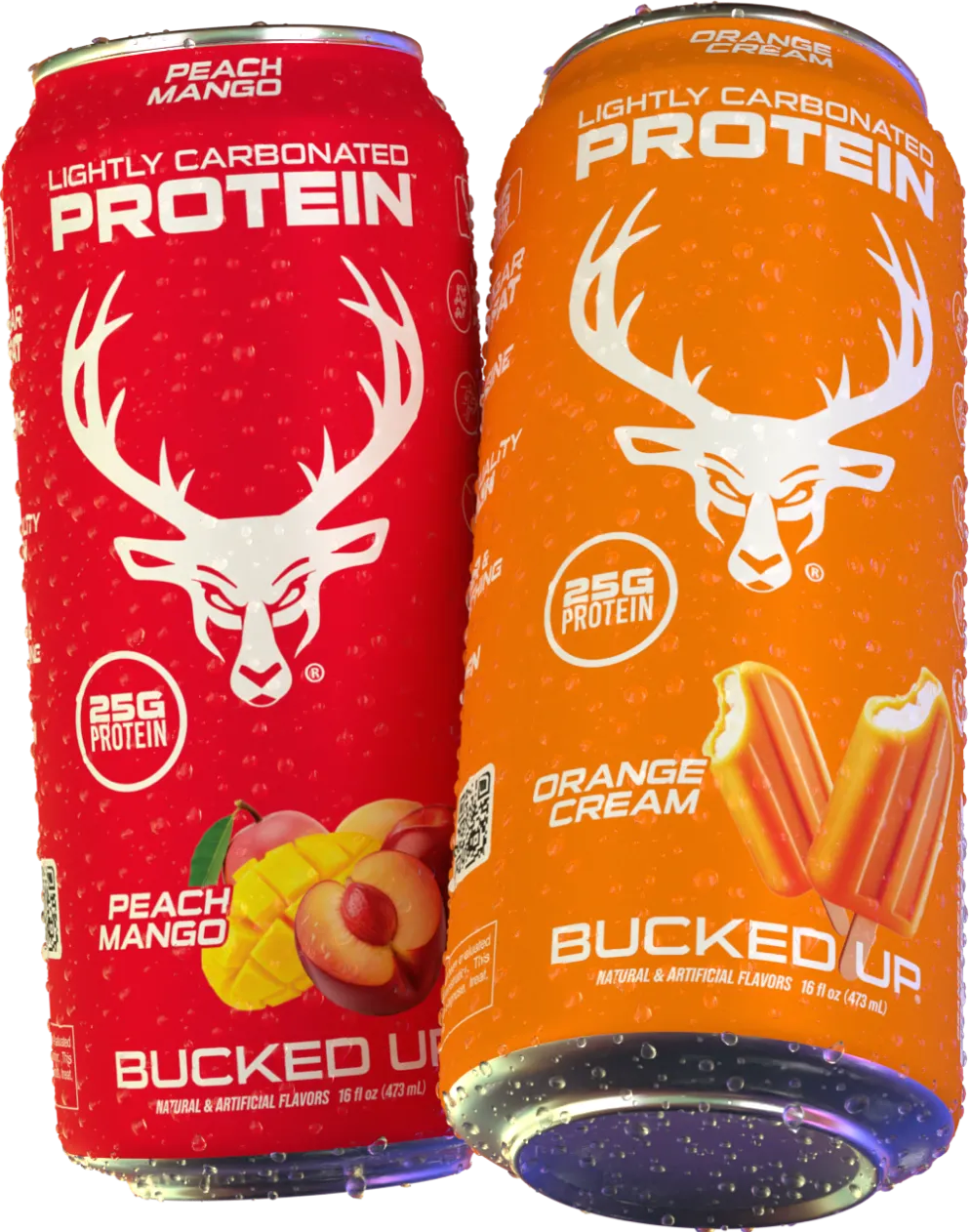
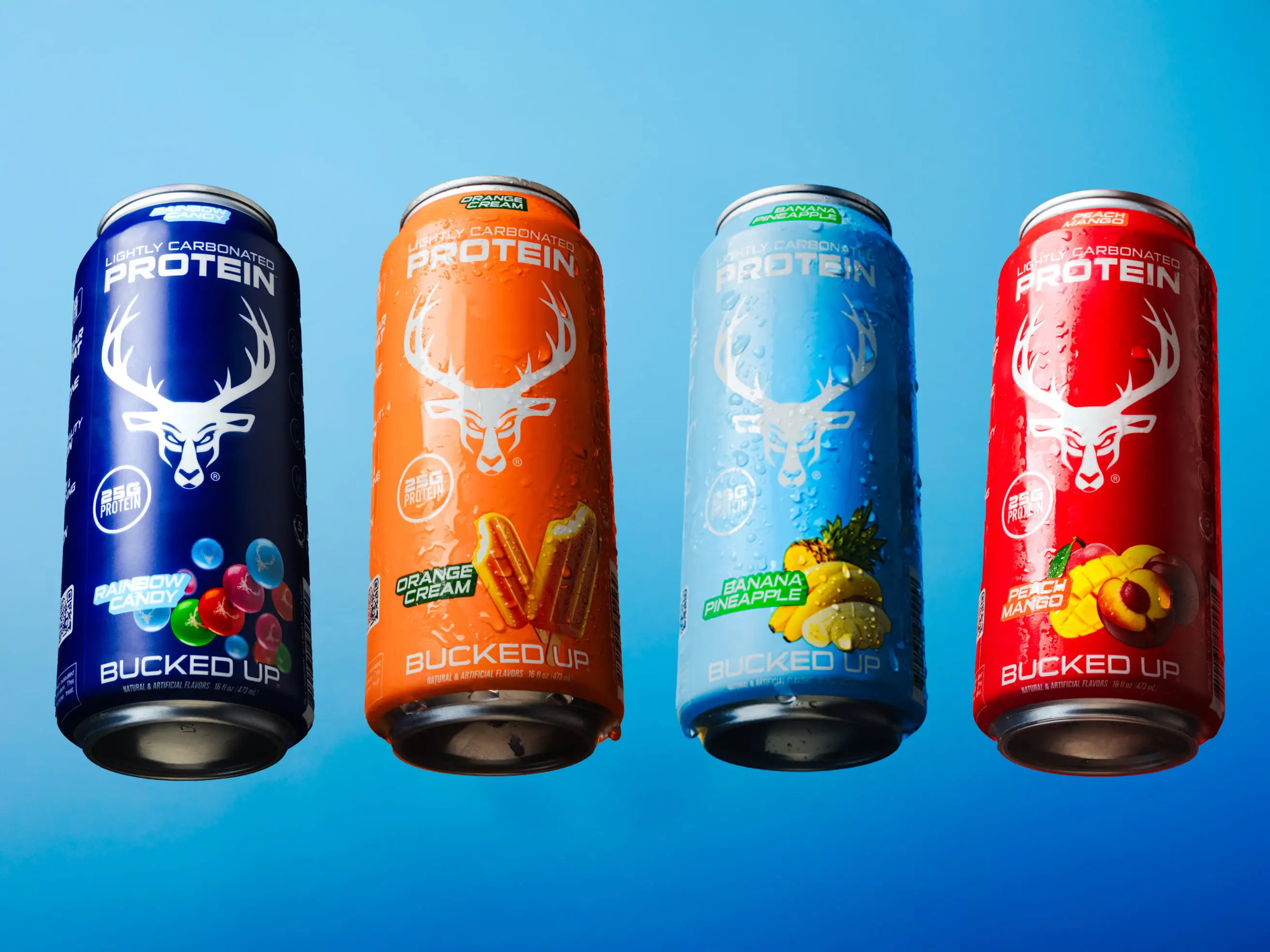
Bucked Up Protein Soda delivers 25 grams of clear whey protein isolate in a carbonated drink that tackles common post-workout protein hurdles.1 This refreshing soda format supports rapid absorption without the heavy, creamy texture that can feel uncomfortable after intense training.1 Many people find that lighter liquids fit better when they still need to move, commute, or train again later in the day. The 100-calorie, zero-sugar formulation suits lifters and athletes who want to manage calories while still getting a full protein dose. Try this innovative post-workout solution if you prefer a clear, crisp drink over a traditional shake.
How Different People Use Carbonated Whey After Workouts
The dedicated gym-goer can drink Bucked Up Protein Soda within about 30 minutes of finishing resistance training, when muscle protein synthesis is primed for activation. Beyond the gym, busy professionals face a different challenge and often need fast protein without the extra step of mixing powders or cleaning shaker bottles. For people using GLP-1 medications, the light, easily digestible format helps maintain muscle mass when eating large solid meals feels difficult.1 The caffeine-free formulation also fits evening workouts because it supports recovery without affecting sleep. The crisp carbonation offers a satisfying alternative to heavy post-workout meals or thick shakes.
Frequently Asked Questions
What is better for muscle growth, whey or plant protein?
Whey protein isolate often provides stronger post-workout muscle protein synthesis activation because it absorbs quickly and contains more leucine per serving.1 Both whey and plant proteins can support muscle growth when total daily protein intake is high enough and resistance training is consistent. Whey’s rapid amino acid delivery makes it especially useful during the early anabolic window after lifting. Plant proteins usually require larger serving sizes to reach the same leucine threshold that supports peak muscle protein synthesis.
How do whey and plant protein absorption compare?
Whey protein isolate reaches peak blood amino acid levels more quickly, while plant protein blends generally take longer to digest.1 This difference in absorption speed makes whey a practical choice for immediate post-workout recovery when muscles respond strongly to incoming nutrients.1 Faster absorption also supports a quicker insulin response, which helps shuttle amino acids and other nutrients into muscle tissue.1
Can you build muscle with plant protein?
Plant proteins can support muscle growth when you consume enough total protein and pair it with regular resistance training. Many people need 20-30% larger servings of plant protein compared to whey to reach similar muscle protein synthesis responses. The main goal involves hitting your daily protein target and meeting leucine thresholds, which may require larger portions or careful timing when you rely mainly on plant-based sources.
Is Bucked Up Protein Soda keto-friendly with a crisp taste?
This protein soda contains zero carbohydrates and zero sugar, so it fits ketogenic diets. The carbonated format delivers a crisp, energy drink-like taste without the thick mouthfeel of many protein shakes. The clear whey isolate formulation avoids the chalky residue and strong aftertaste that some protein drinks leave behind, which creates a cleaner post-workout experience.
What makes the carbonated format different from regular protein drinks?
The lightly carbonated format offers several advantages over traditional protein shakes. The thinner liquid consistency supports faster gastric emptying compared to very thick, creamy textures.1 The carbonation creates a refreshing, soda-like experience that can make it easier to stay consistent with post-workout protein. The clear formulation also feels lighter on digestion for many users. This approach combines the rapid absorption benefits of whey isolate with the taste and feel of a premium beverage.
Conclusion: Matching Your Protein Choice to Your Goals
Whey protein isolate can outperform many plant proteins for immediate post-workout recovery because of its faster absorption and higher leucine content.1 This carbonated protein option provides the same 25-gram whey dose in a light, refreshing drink with no unnecessary sugars. Explore this carbonated protein soda if you want a convenient way to support muscle recovery right after training.
1 The content provided in this article is for informational purposes only and is not medical advice. Consult with a medical professional before implementing any changes to your diet, health, or exercise routines.
Individual results will vary and are based on a combination of each individual’s diet, exercise, age, and health circumstances.
These statements have not been evaluated by the Food and Drug Administration. This product is not intended to diagnose, treat, cure or prevent any disease.
This article was written by Ryan Gardner, CEO of Bucked Up. As the maker of Bucked Up Protein Soda, we have a financial interest in this information. The views expressed are our own and should be read with that context in mind.