Key Takeaways
- Most people recover best with a 3:1 carb-to-protein ratio, with 2:1 for strength and 4:1 for endurance to support glycogen replenishment and muscle protein synthesis.
- Consume 20-40g high-quality whey protein isolate and 60-120g carbs within 30-60 minutes after training for strong recovery.
- Whey isolate delivers faster absorption, higher purity, and added antioxidant support compared to whey concentrate.
- Match your ratio to your workout: pair 25g protein with 50g carbs for strength, 75g for HIIT, and 100g for endurance sessions.
- Use Bucked Up Protein Soda as a zero-carb whey isolate base so you can dial in your exact carb-to-protein ratio with simple add-ons.
How Carb to Protein Ratios Drive Post-Workout Recovery
Post-workout nutrition has two main jobs. It refills muscle glycogen stores and triggers muscle protein synthesis, often called MPS. When you combine protein with carbohydrates, the effect goes beyond either nutrient alone. Together they boost whole-body protein synthesis by 19% compared to carbs alone.
The International Society of Sports Nutrition recommends a 3:1 to 4:1 carbs-to-protein ratio within 30 minutes after endurance workouts to refill glycogen efficiently. Strength training responds well to a 2:1 ratio, which focuses more on muscle repair while still restoring glycogen.
|
Training Goal |
Ratio (Carbs: Protein) |
Protein (g) |
Carbs (g) |
|
Strength Training |
2:1 |
30 |
60 |
|
General Fitness |
3:1 |
25 |
75 |
|
Endurance Training |
4:1 |
25 |
100 |
Whey protein isolate supports this recovery window with rapid absorption and high purity. Its lower lactose content makes it easier on digestion than many concentrates. Whey proteins also show strong antioxidant properties, which adds another layer of recovery support beyond muscle protein synthesis. Aim to take your protein and carbs within 30-60 minutes after training, when MPS runs at its highest.
Dialing In Ratios by Workout Type
Best Carb to Protein Ratios for Strength, HIIT, and Endurance
Each style of training stresses your body in a different way, so your post-workout nutrition should match that demand. Strength training mainly depletes muscle glycogen and creates micro-tears in muscle fibers that need repair. Endurance work pulls heavily from glycogen and requires a larger energy refill. HIIT and circuit training sit between these two, with intense bursts that tax both glycogen and muscle tissue.
|
Workout Type |
Optimal Ratio |
Protein (g) |
Carbs (g) |
Example Pairing |
|
Strength Training |
2:1 |
30 |
60 |
Bucked Up + banana + oats |
|
HIIT/Circuit |
3:1 |
25 |
75 |
Bucked Up + dates + berries |
|
Endurance (60+ min) |
4:1 |
25 |
100 |
Bucked Up + sports drink + fruit |
Exact Protein and Carb Targets After a Workout
Most research points to 20-40g of high-quality protein after training as the sweet spot for MPS. Studies show that post-workout nutrition requires 20-40g high-quality protein for muscle repair, while carb needs shift based on how hard and how long you trained.
For carbohydrates, athletes with another session coming up soon need a more precise approach. Post-workout carbs should be 1-1.5g/kg bodyweight (0.45-0.7g/lb) in the first 30 minutes when another workout is scheduled. Recreational lifters can keep it simpler and use 60-120g carbs based on workout type and body weight, paired with 20-40g protein.
Why Bucked Up Protein Soda Works So Well Post-Workout
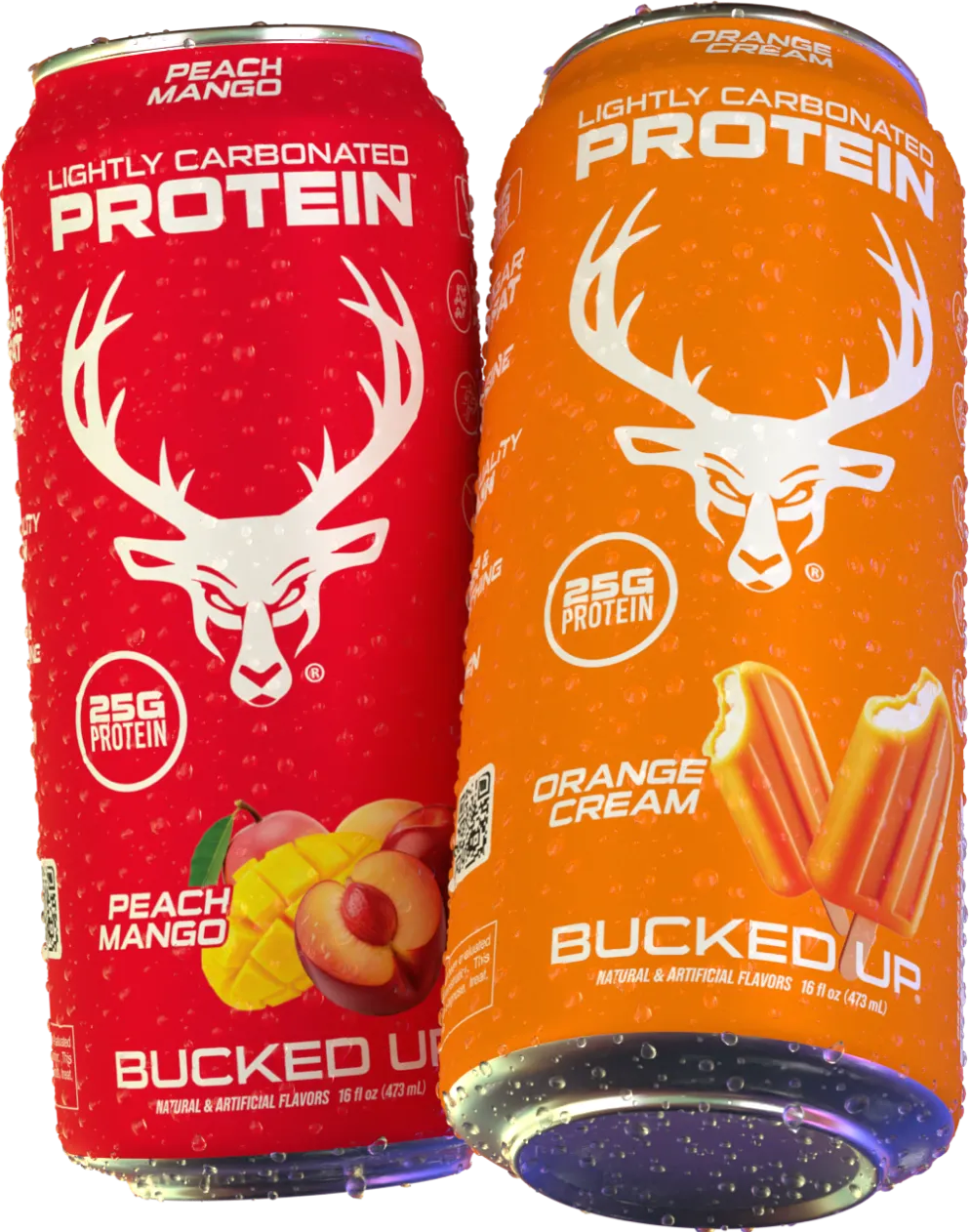
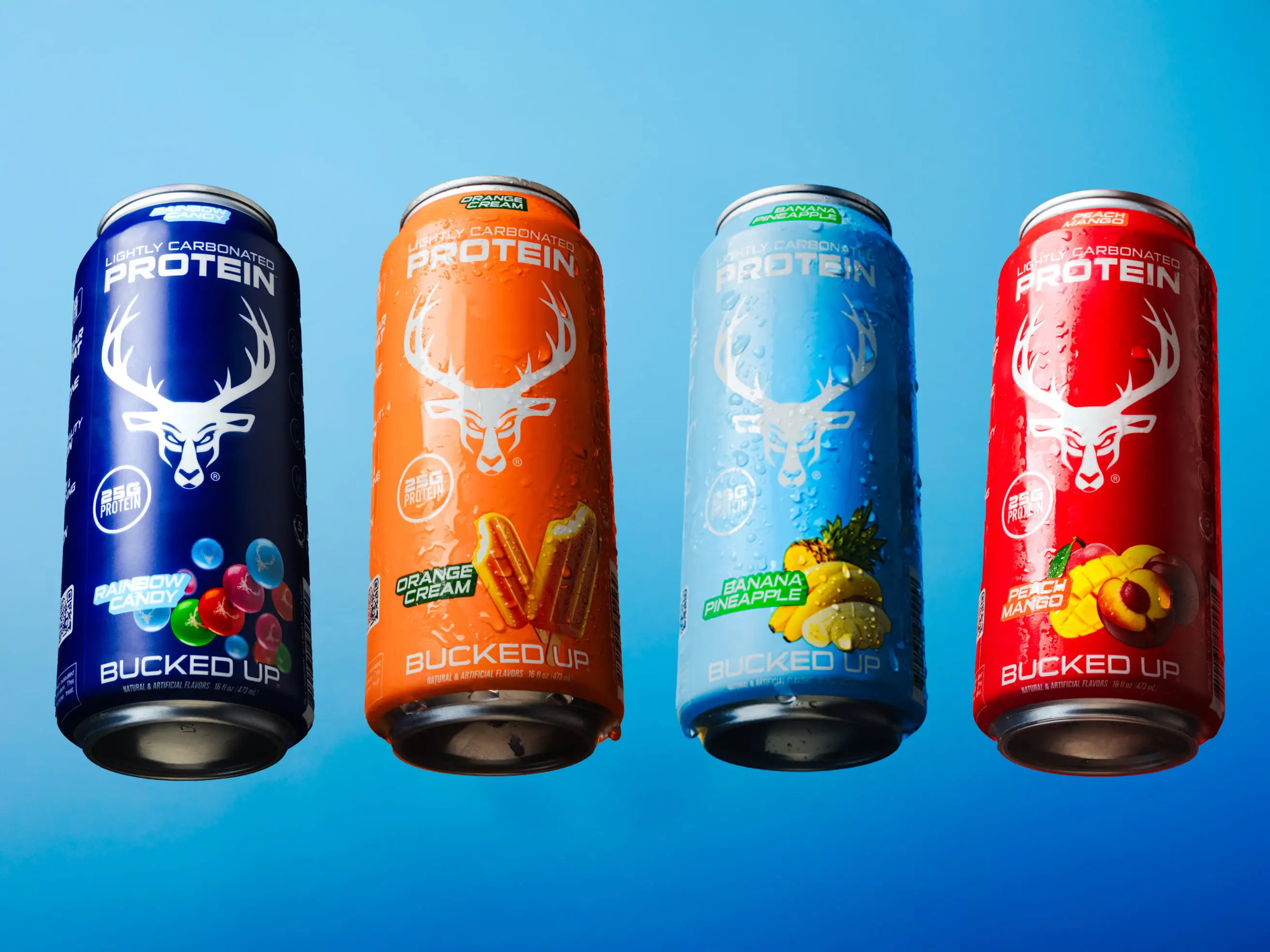
Bucked Up Protein Soda simplifies post-workout nutrition by giving you 25g of 100% whey protein isolate in a light, carbonated drink with zero carbs and only 100 calories. Many traditional protein drinks rely on whey concentrate blends or add collagen to bump up the protein label. Bucked Up uses pure isolate instead, which delivers a complete amino acid profile for fast absorption and strong muscle protein synthesis.
This setup compares favorably to options like Premier Protein and Muscle Milk. Bucked Up offers quicker absorption, precise zero-carb control for your ratios, and a flavor profile that feels closer to an energy drink than a heavy shake. One customer shared, “The protein sodas far exceeded my expectations. They taste similar to an energy drink and don’t have any weird aftertaste as some other clear whey protein drinks do.”
Simple Bucked Up Post-Workout Pairings by Goal
|
Ratio Goal |
Bucked Up Base |
Carb Addition |
Total Macros |
|
2:1 (Strength) |
25g protein, 0g carbs |
1 large banana + 1/3 cup oats |
25g protein, 50g carbs |
|
3:1 (HIIT) |
25g protein, 0g carbs |
2 dates + 1 cup berries |
25g protein, 75g carbs |
|
4:1 (Endurance) |
25g protein, 0g carbs |
16oz sports drink + apple |
25g protein, 100g carbs |
Bucked Up Protein Soda stays caffeine-free, so you can drink it morning, night, or anytime you train. Its GMP-certified manufacturing supports consistent quality and safety. Grab Bucked Up Protein Soda to feel the difference of pure whey isolate in a crisp, refreshing drink. Shop now and hit your post-workout ratios without guesswork.
Who Benefits Most, Common Myths, and 2026 Recovery Insights
Several groups gain unique advantages from a dialed-in protein-to-carb ratio. Busy professionals and parents enjoy Bucked Up because it needs no prep and pairs easily with quick carb sources like fruit. Dedicated gym-goers appreciate the fast absorption and lighter feel compared to thick shakes. People using GLP-1 medications often prefer the easy-to-digest liquid format, which supports muscle maintenance while they manage weight.
Myths around post-workout carbs still cause confusion. The “carbs are evil” mindset ignores how carbohydrates protect muscle tissue. When you combine carbs with protein, they prevent muscle breakdown by sparing muscle tissue when paired with protein. Another myth claims zero-carb proteins cannot support full recovery. In reality, Bucked Up’s zero-carb base gives you a clean protein foundation so you can add exactly as many carbs as your training demands.
Research in 2026 continues to highlight muscle preservation for people using GLP-1 medications. These individuals often lose weight quickly, which raises the risk of muscle loss and sarcopenia. Adequate protein intake, especially from fast-digesting sources like whey isolate, plays a central role in protecting lean mass during these phases.
Frequently Asked Questions
What is the best carb-to-protein ratio for recovery?
Most lifters and athletes do well with a 3:1 carbs-to-protein ratio, which gives about 75g carbs to 25g protein. This balance refills glycogen while supporting strong muscle protein synthesis. Strength-focused sessions may respond better to a 2:1 ratio, and long endurance work often benefits from a 4:1 ratio.
What protein-to-carb ratio post-workout supports muscle gain?
For muscle gain, use a 2:1 to 3:1 carbs-to-protein ratio with 25-30g of high-quality protein. The carbs help create an anabolic environment that supports growth and limits muscle breakdown. Whey protein isolate works well here because it absorbs quickly and drives a strong MPS response.
How much protein and carbs should I have after a workout?
Most people should aim for 20-40g of protein and 60-120g of carbohydrates within 30-60 minutes after training. Your exact numbers depend on body weight, training intensity, and your goals. A 150-pound person usually needs around 25g of protein and 75g of carbohydrates after a moderate-intensity workout.
Does Bucked Up fit optimal post-workout ratios?
Yes. Bucked Up Protein Soda gives you 25g of whey isolate with zero carbs, so it works as a flexible base for any ratio. You can pair it with fruit, oats, sports drinks, or other carb sources to hit 2:1, 3:1, or 4:1 targets while enjoying a light, refreshing drink.
Is whey isolate better than concentrate for recovery?
Whey protein isolate usually works better for fast recovery than concentrate. Isolate contains 90% or more protein with very little lactose and fat, which supports rapid digestion and absorption. This profile also reduces digestive discomfort for many people who feel bloated or gassy with concentrates.
Conclusion: Lock In Your Best Protein-to-Carb Ratio After Every Workout
A clear protein-to-carb plan after training can noticeably improve your recovery and results. For most athletes, a 3:1 carbs-to-protein ratio offers a strong baseline, while 2:1 fits heavy strength work and 4:1 suits long endurance days. Matching your intake to your training style keeps glycogen topped off and muscle repair on track.
Bucked Up Protein Soda makes this process simple by delivering 25g of pure whey isolate in a zero-carb, refreshing drink that pairs easily with your favorite carb sources. You get fast absorption, precise macro control, and grab-and-go convenience that fits real life.
Shop Bucked Up Protein Soda now at buckedup.com to upgrade your post-workout routine and support the muscle recovery you have been working for.