Last updated: April 22, 2026
Key Takeaways for Post-Workout Protein
- Muscle protein synthesis stays elevated for 24-48 hours after training, so strict 30-minute post-workout protein is not required for muscle growth.
- The anabolic window myth came from outdated 1980s research on untrained, fasted subjects and does not reflect how trained athletes actually eat and train.
- Total daily protein intake of 0.7-1.0 grams per pound of body weight, split into 20-40 gram servings every 3-4 hours, has a greater impact on muscle growth than precise timing.
- Fasted training or multiple daily sessions can benefit from quicker post-workout protein, but your overall daily protein intake still matters most.
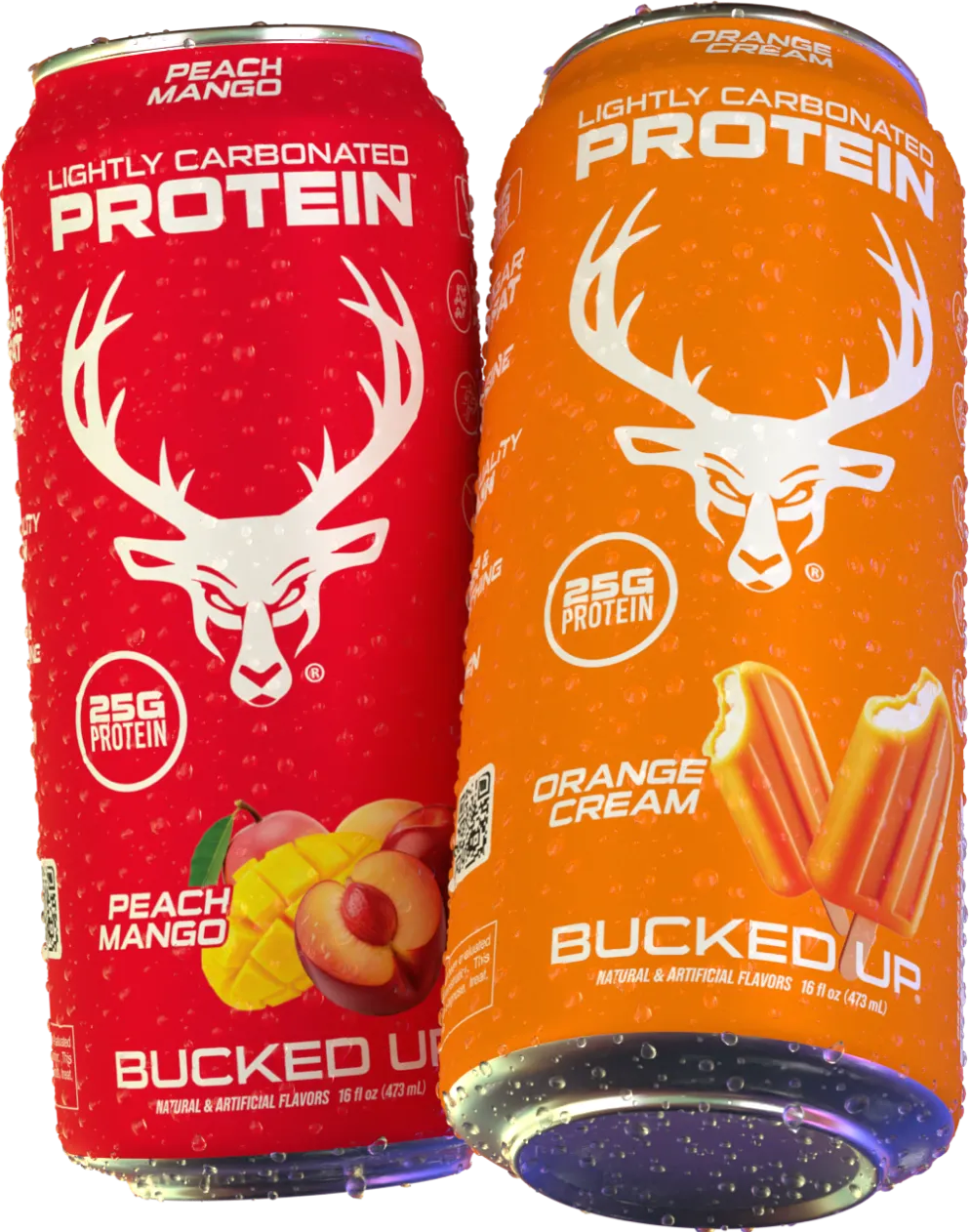
- Simplify your protein routine with Bucked Up Protein Soda, which provides 25 grams of whey isolate in a refreshing, zero-sugar, ready-to-drink format you can use throughout the day.1
The Problem: How the Anabolic Window Myth Holds You Back
The 30-minute anabolic window concept came from 1980s research on untrained, fasted subjects, conditions that do not match modern bodybuilding habits. A comprehensive 2012 review has since challenged these early findings, yet the myth still shapes how many lifters approach post-workout nutrition.
This timing obsession affects bodybuilders in several ways. It encourages rushed, inconsistent protein habits that favor speed over food quality. It also creates gym anxiety and distracts from training. Most importantly, it pulls focus away from total daily protein intake, which remains the main driver of muscle growth.
The data below shows why this narrow timing focus falls short. Muscle protein synthesis stays elevated for hours, whether you drink protein immediately or wait.
| Timing Strategy | MPS Response (Trained Athletes) | Source |
|---|---|---|
| Immediate (0-30min) | Elevated 4-6 hours | Moore et al. 2009; Witard 2014 |
| Delayed (2+ hours) | Similar over 24-48 hours | Nutrition & Metabolism study |
What the 30 Minute Protein Rule Actually Says
The 30-minute protein rule states that you must consume protein within 30 minutes after your workout to maximize muscle protein synthesis. As noted above, this idea came from older research conditions that do not match how trained athletes usually eat.
Research from Phillips et al. (2020) shows minimal difference when athletes already consumed protein before training. Circulating amino acids from earlier meals continue to support recovery for several hours, so the strict 30-minute cutoff loses relevance for most lifters.
The Solution: Focus on Daily Protein and Smart Distribution
Most bodybuilders do not need strict post-workout timing, yet some situations still benefit from faster protein intake. One key case involves fasted training. Fasted trainees experience more muscle breakdown and should refuel soon after exercise with 20-40 grams of protein to reduce muscle breakdown and support recovery.
Another case involves athletes who train multiple times per day or have short recovery windows. For these lifters, pairing carbs and protein after training helps the body return to a muscle-building state more quickly. This approach supports faster tissue repair and glycogen replenishment between sessions.
The common thread in both scenarios is limited circulating amino acids, either from fasting or from short gaps between workouts. The overall foundation still stays the same. Aim for 0.7-1.0 grams of protein per pound of body weight each day, and spread that intake as 20-40 gram servings every 3-4 hours.
When It Is Too Late to Drink Protein After a Workout
Muscles remain responsive to protein for 24-48 hours after a workout, so there is no strict cutoff point where protein suddenly stops helping. Research shows that protein consumed within a few hours before and after training supports muscle repair as effectively as immediate post-workout intake. Prioritize hitting your daily protein target with quality sources instead of watching the clock.
Putting It Into Practice: Sample Bodybuilding Protein Plan
A 175-pound bodybuilder targeting about 0.8 grams per pound daily, or roughly 144 grams of protein, can use a simple structure like this:
- Breakfast: 30 grams of protein from options like eggs or Greek yogurt
- Mid-morning: 25 grams of protein from Bucked Up Protein Soda1
- Lunch: 35 grams of protein from foods such as chicken or fish
- Post-workout: 30 grams of protein within about 2 hours of training
- Dinner: 35 grams of protein from your preferred lean sources
- Evening snack: 20 grams of protein from casein or cottage cheese
Research shows that eating 20-30 grams of protein at each meal across three or more meals stimulates muscle protein synthesis more effectively than packing the same total into fewer meals. This pattern favors convenience and consistency instead of rigid timing rules.
Introducing Bucked Up Protein Soda: Convenient Protein You Can Drink Anytime
Bucked Up Protein Soda offers a different take on protein supplementation with a carbonated drink that delivers 25 grams of whey protein isolate in just 100 calories.1 Unlike many traditional shakes, this option feels light and refreshing. Whey isolate can absorb faster than concentrated whey protein, which supports muscle protein synthesis when you choose to drink it.1
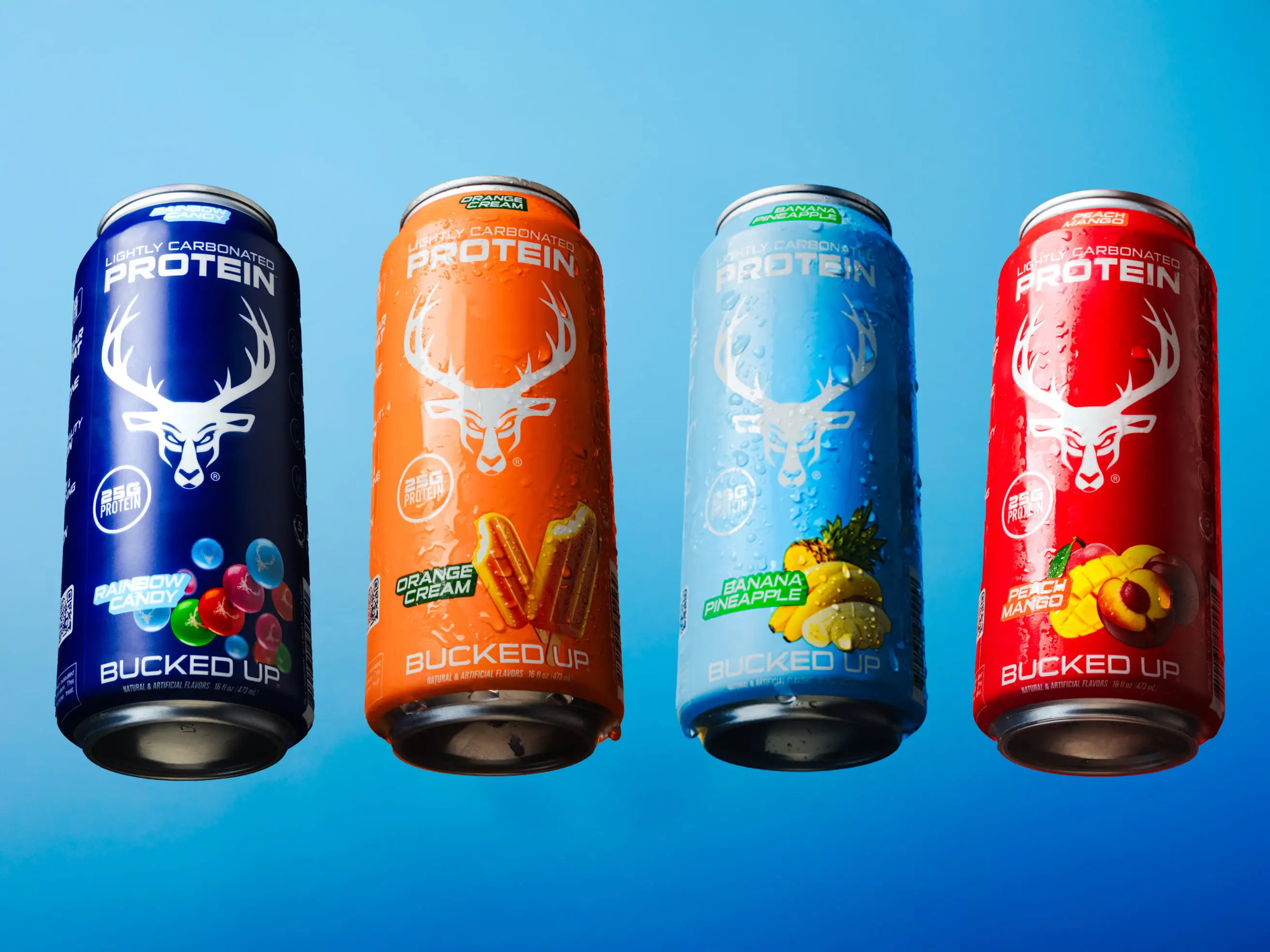
Key advantages include:
- Zero sugar and zero carbs, which can help with flexible macro planning1
- Caffeine-free formulation that fits any time of day
- Light, refreshing taste without the thick or chalky feel of many shakes
- Ready-to-drink convenience that removes mixing and cleanup
Compared to products like Premier Protein or Muscle Milk, Bucked Up Protein Soda can stand out with its lighter, carbonated format. See all available flavors and decide how it fits your routine.
Frequently Asked Questions
Do I Need to Consume Protein Within 30 Minutes?
The old 30-minute rule suggests that you must drink protein right after your workout for muscle growth. As explained earlier, modern research shows that muscle protein synthesis stays elevated for 24-48 hours after resistance training. For most trained lifters who eat enough protein each day, this narrow window does not determine progress.
When Is It Too Late to Drink Protein After a Workout?
There is no hard cutoff time for post-workout protein. As mentioned earlier, muscles remain responsive for 24-48 hours after training, so you have a wide window to support recovery. Focus on reaching 0.7-1.0 grams of protein per pound of body weight each day and spread that intake across several meals.
How Much Protein Should I Have After a Workout?
Aim for 20-40 grams of high-quality protein after your workout as part of your daily total. This range supports muscle protein synthesis for about 4-6 hours. The exact minute you drink it matters less than staying consistent with your daily protein across multiple meals.
Why Choose Bucked Up Protein Soda Instead of a Traditional Shake?
Bucked Up Protein Soda gives you a refreshing alternative to heavier, chalky protein shakes. Each can offers the same 25 grams of whey protein isolate mentioned earlier, with no sugar and a light carbonated feel. The ready-to-drink format saves prep time and still delivers fast-absorbing protein when you want it.1 Try Bucked Up Protein Soda today and see how it fits into your daily protein plan.
Can I Drink Protein Soda Multiple Times Per Day?
You can drink Bucked Up Protein Soda several times per day as part of your overall protein strategy. Each can provides 25 grams of protein with only 100 calories, which can help you reach your daily target without a large calorie load.1 The caffeine-free formula makes it suitable at any time, from morning to late evening.
Conclusion: Make Protein Timing Simple and Sustainable
Total daily protein intake matters more than chasing a 30-minute anabolic window. Shift your focus from rushing post-workout shakes to building steady, high-quality protein habits throughout the day. Bucked Up Protein Soda can support that approach with convenient, refreshing protein that fits easily into your schedule.
Get yours today and start simplifying your protein routine while still backing your bodybuilding goals.
1 The content provided in this article is for informational purposes only and is not medical advice. Consult with a medical professional before implementing any changes to your diet, health, or exercise routines.
Individual results will vary and are based on a combination of each individual’s diet, exercise, age, and health circumstances.
These statements have not been evaluated by the Food and Drug Administration. This product is not intended to diagnose, treat, cure or prevent any disease.
This article was written by Ryan Gardner, CEO of Bucked Up. As the maker of Bucked Up Protein Soda, we have a financial interest in this information. The views expressed are our own and should be read with that context in mind.