
Last updated: April 22, 2026
Key Takeaways for GLP-1 Users
- GLP-1 meds like Ozempic can cause 25–40% of weight loss to come from muscle if you do not protect it, which can create a “skinny fat” look.
- Track muscle at home with bioimpedance scales, simple strength tests, body measurements, and periodic DEXA scans.
- Protect muscle with 0.54–0.73 grams of protein per pound of body weight daily, resistance training 2–4 times weekly, and a steady, moderate weight loss pace.
- Support muscle by prioritizing sleep, recovery, and high-quality whey protein isolate during calorie deficits.1
- Make protein easier to hit with this nausea-friendly carbonated protein option, which delivers 25g whey isolate in a zero-sugar format.1
Why GLP-1 Meds Can Trigger Muscle Loss
GLP-1 receptor agonists create rapid weight loss through appetite suppression and delayed gastric emptying, but this same mechanism can work against muscle preservation. In a 12-week human pilot trial, fat loss accounted for approximately 70% of participants’ total weight reduction, implying about 30% was lean body mass when using semaglutide.
This significant lean mass loss occurs due to several connected factors. The primary culprits include severe calorie restriction, reduced protein intake from nausea and appetite suppression, and the body’s natural tendency to break down muscle tissue during rapid weight loss. Decreases in fat-free mass with GLP-1 receptor agonists range from 25% to 39% of total weight loss over 36 to 72 weeks, so muscle preservation becomes a key focus for busy professionals and parents over 40 who want to maintain strength and metabolic health.
Simple Ways to Monitor Muscle Loss at Home
Consistent at-home tracking helps you spot muscle loss early and adjust before it becomes a problem. You can combine several simple methods for a clearer picture of your progress.
Bioimpedance Scales: Bioelectrical impedance scales are less precise than DEXA but useful for tracking body composition trends over time. Check your muscle percentage weekly at the same time of day.
Strength Testing: Track grip strength, pushup capacity, and stair climbing ability. These functional markers often decline before you notice visible muscle loss.
Body Measurements: Measure arm and thigh circumference monthly with a tape measure. Steady reductions can signal muscle loss rather than only fat loss.
DEXA Scans: An effective DEXA protocol uses a baseline scan before or at therapy start, followed by scans every three months for the most accurate body composition data.
5-Step Blueprint to Protect Muscle on GLP-1
1. Dial In Daily Protein Intake
Most adults taking GLP-1 medications should aim for 0.54–0.73 grams of protein per pound of body weight per day. A 150-pound person would target roughly 80–110 grams daily, which sits well above typical intake for many adults.
2. Commit to Resistance Training
Strength training 2–4 times per week signals your body to hold on to muscle tissue during weight loss. Within these sessions, focus on compound movements like squats, deadlifts, and presses, because they recruit multiple muscle groups at once and create a stronger muscle-preservation signal.
3. Keep Weight Loss at a Moderate Pace
Patients taking GLP-1 receptor agonists face higher muscle loss risk when weight loss exceeds about 1–2 pounds per week. Slower, steady progress tends to preserve more lean mass.
4. Protect Sleep and Recovery
Adequate sleep supports muscle protein synthesis and recovery by allowing your body to complete essential repair cycles. To take full advantage of this natural process, aim for 7–9 hours of sleep each night so your body can maintain its muscle-building activity.
5. Track Progress and Adjust as You Go
Use the monitoring tools above to review your progress regularly. If you notice strength or muscle measurements slipping, increase protein intake slightly, adjust training intensity, or discuss dose and pace with your healthcare provider.
Skip the struggle with traditional protein sources. Try this lighter alternative for an easier way to hit your protein goals without the heavy, milky texture that can worsen GLP-1-related nausea.1
Protein Strategies That Work With GLP-1 Side Effects
Many GLP-1 users find traditional protein shakes and solid foods harder to tolerate because of nausea, early fullness, and texture aversion. Bucked Up Protein Soda addresses these issues with an innovative carbonated format that delivers 25g of whey protein isolate in just 100 calories.1
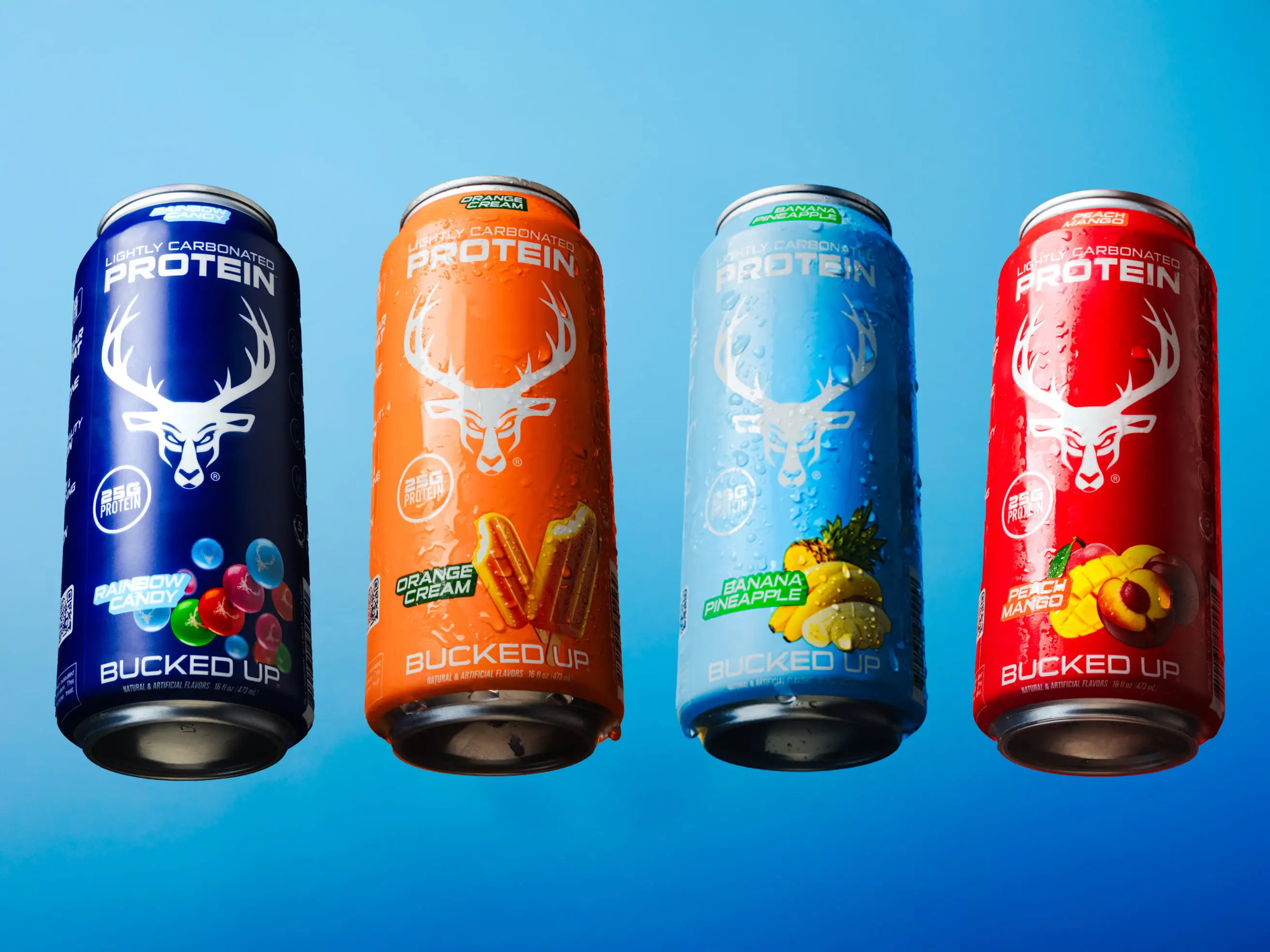
Unlike thick, milky ready-to-drink options like Premier Protein or Core Power, Bucked Up’s clear, lightly carbonated formula drinks more like an energy beverage while providing zero sugar and zero carbs. The whey protein isolate supports faster absorption and easier digestion compared to many protein concentrates or collagen-based alternatives in other liquid protein products.1
For GLP-1 users who struggle to reach their daily protein targets, several cans spaced through the day can meaningfully support intake without overwhelming the digestive system.1 The caffeine-free formula also fits well in the evening.
Ready to simplify your protein routine? Explore this convenient protein soda and see how easy consistent protein can feel on GLP-1 therapy.
GLP-1-Friendly Resistance Training Plan
A structured resistance program plays a central role in preserving muscle during GLP-1 therapy. Research shows that resistance training 2–4 times per week helps preserve muscle mass even during significant calorie restriction.
Begin with compound movements three times per week, such as squats, deadlifts, bench press, and rows. Perform three sets of 8–12 repetitions and gradually increase weight or reps over time. This progressive overload stimulates muscle protein synthesis and tells your body to maintain lean mass despite the calorie deficit created by GLP-1 medications.
Post-workout protein timing also supports recovery. Consuming about 25–30 grams of high-quality protein within 30 minutes after training can help your muscles repair and rebuild.1
Regaining Lost Muscle and Avoiding Common Mistakes
Muscle lost during GLP-1 therapy can often be regained with a focused plan. Increase protein intake toward the higher end of the earlier range, intensify resistance training, and consider evidence-based supplements such as creatine to support strength and muscle rebuilding.1
Common mistakes can slow this recovery. Skipping meals because of appetite suppression and relying only on the scale for progress both hide muscle loss and make rebuilding harder. Use strength tests, measurements, and body composition tools to confirm that your plan restores lean mass, not just body weight.
To support this recovery phase, consider stacking two cans of Bucked Up Protein Soda daily with your regular meals. This approach boosts protein intake while keeping the process convenient enough to stay consistent.
Frequently Asked Questions
How can I avoid muscle loss while taking semaglutide or other GLP-1 medications?
Focus on the protein range discussed earlier, pair it with resistance training 2–4 times per week, and monitor your body composition regularly. Convenient protein sources like Bucked Up Protein Soda can help you meet your targets when solid foods feel difficult because of appetite suppression or nausea.1
What’s a good protein option for GLP-1 users dealing with nausea?
Clear, carbonated protein drinks like Bucked Up Protein Soda can feel easier than thick shakes. The light, effervescent texture often goes down more smoothly during GLP-1-related digestive issues, while this whey protein isolate content provides complete amino acids for muscle support.1 The energy drink-like taste can also feel more enjoyable than medicinal-tasting options.
How can I monitor muscle loss at home without expensive equipment?
Use bioimpedance scales to track muscle percentage weekly, perform simple strength tests like grip strength and pushup counts, measure arm and thigh circumference monthly, and schedule DEXA scans every 3–6 months when possible. Early detection gives you time to adjust training, protein, or weight loss pace before major muscle loss occurs.
Is it safe to drink protein soda daily while on GLP-1 medications?
Bucked Up Protein Soda is formulated for regular use and contains whey protein isolate, natural flavors, and carbonation, without artificial stimulants. The caffeine-free formula will not add extra stimulant load or interfere with sleep for most people. Always check with your healthcare provider before making significant dietary changes.
Can Bucked Up Protein Soda fit into a keto or low-carb lifestyle while on GLP-1 therapy?
Yes. With zero carbs and zero sugar, Bucked Up Protein Soda aligns with ketogenic and low-carb approaches often paired with GLP-1 therapy. The protein content supports ketosis while helping you maintain muscle mass during weight loss.1
Conclusion: Keep Muscle While You Lose Fat on GLP-1
Successful GLP-1 therapy means dropping fat while preserving the muscle that keeps you strong, metabolically healthy, and confident. This guide gives you practical monitoring tools and prevention strategies so you can avoid the “skinny fat” outcome that many users experience.
Consistent protein intake, regular resistance training, quality sleep, and smart supplementation all work together with the appetite and digestive changes caused by GLP-1 medications.
You are making real progress with weight loss, so protect the muscle you have built. Make your daily protein the easiest part of your GLP-1 plan and support long-term strength and health.
1 The content provided in this article is for informational purposes only and is not medical advice. Consult with a medical professional before implementing any changes to your diet, health, or exercise routines.
Individual results will vary and are based on a combination of each individual’s diet, exercise, age, and health circumstances.
These statements have not been evaluated by the Food and Drug Administration. This product is not intended to diagnose, treat, cure or prevent any disease.
This article was written by Ryan Gardner, CEO of Bucked Up. As the maker of Bucked Up Protein Soda, we have a financial interest in this information. The views expressed are our own and should be read with that context in mind.