Last updated: April 22, 2026
Key Takeaways for GLP-1 Users
- GLP-1 meds like Ozempic can cause 15-50% of weight loss to come from muscle when protein intake stays low.
- Most adults on GLP-1 benefit from 100-140g of protein per day at 154 lbs, spread across 4-5 meals of 25-40g.
- Liquid whey protein isolate often works well for GLP-1 users because it absorbs quickly and tends to cause less nausea than many solid foods.1
- Combining higher protein intake with resistance training 2-3 times per week can reduce muscle loss to about 10-15% of total weight lost.
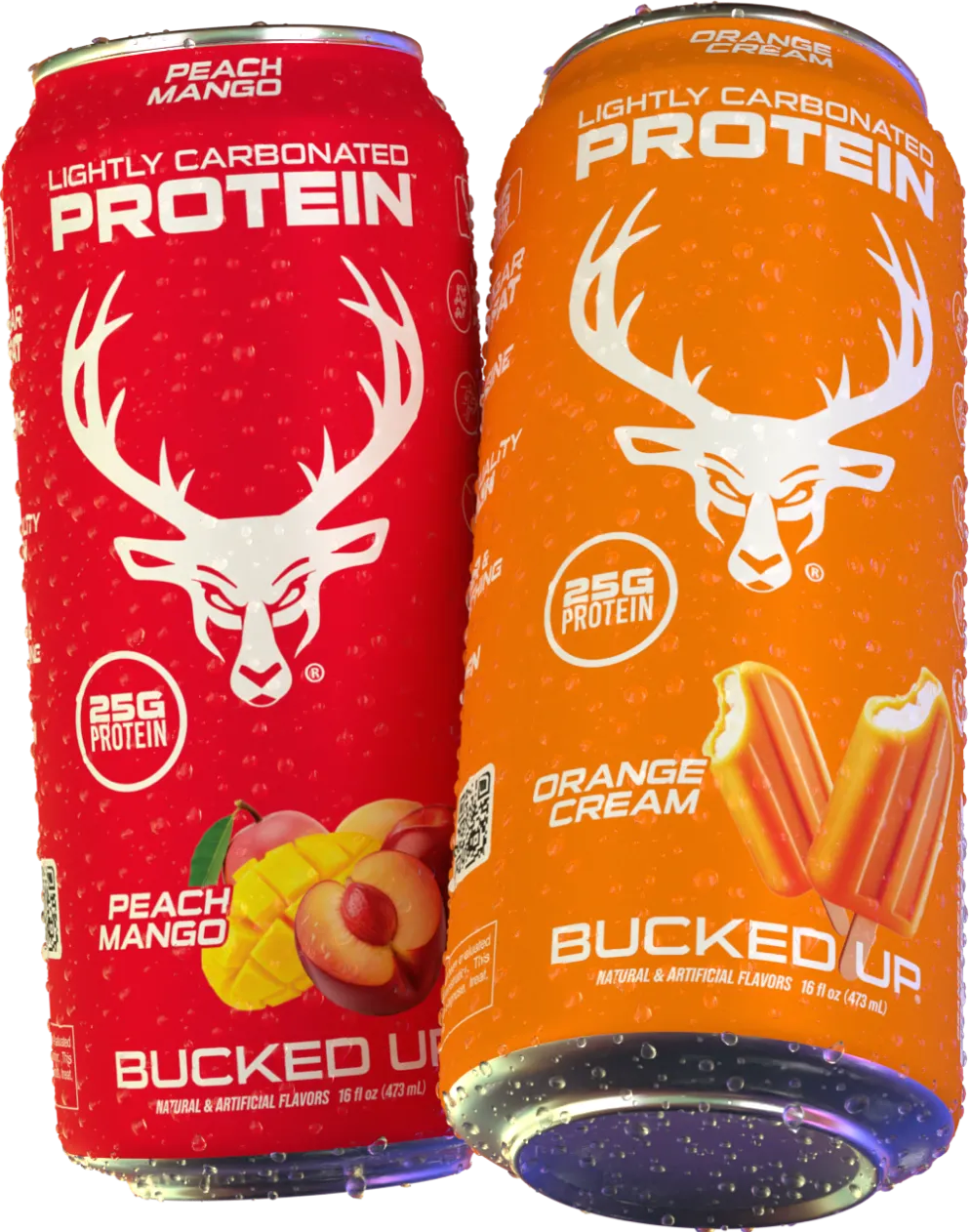
- Try Bucked Up Protein Soda for an easy 25g whey isolate serving that fits GLP-1 lifestyles without heaviness.
The Problem: Muscle Loss Risks on GLP-1 and Why Protein Matters
Up to 25–40% of weight lost can come from lean mass during rapid weight loss without prevention strategies. GLP-1 medications reduce appetite and slow gastric emptying, which makes eating enough protein each day much harder. Keith Baar, professor at UC Davis, emphasizes that patients taking GLP-1 medication should limit muscle wasting through exercise and high-quality protein.
For busy professionals and parents on GLP-1 therapy, keeping muscle becomes difficult when solid foods feel heavy or unappealing. The 30-30-30 rule suggests eating 30g of protein within 30 minutes of waking to jumpstart muscle protein synthesis for the day.
The table below shows how daily protein needs scale with body weight so you can see the range that may fit your current weight.
| Body Weight | Daily Protein Range |
|---|---|
| 130 lbs | 71-118g |
| 150 lbs | 82-136g |
| 170 lbs | 92-154g |
| 190 lbs | 103-172g |
Now that you see how much protein your body may need, you can calculate your own target and build a simple plan to hit it.
Setting Your Personal Protein Target on GLP-1
Set your daily protein target by multiplying your body weight in kilograms by 1.2-2.0g. A 150-pound person (about 68 kg) would aim for 82-136g of protein per day. Recent recommendations support this range for preventing muscle loss during weight management.
Higher protein intake becomes especially helpful during active weight loss. Endocrine specialists recommend 1.2 to 1.6 grams of protein per kilogram of body weight daily for GLP-1 users, compared with 0.8g/kg for many general adults.
Whey protein isolate shows superior absorption and tolerability compared to concentrate due to lower lactose content and reduced milk fat, which can help GLP-1 users who deal with nausea or digestive sensitivity.1
Step-by-Step Strategies to Hit Protein Goals with Low Appetite
Use these practical strategies to keep your protein intake up while you manage GLP-1 side effects.
1. Prioritize protein at every meal. Start each eating occasion with protein so you use your highest appetite window for what protects your muscle.
2. Divide intake into 4-5 smaller portions. Aim for 25-40g of protein per meal instead of one or two large servings that may trigger nausea. Smaller, frequent portions support the “protein first” approach and feel easier on your stomach.
3. Choose liquid protein sources. Liquid protein sources often provide better digestive tolerance than whole food proteins for GLP-1 users because they require less volume.
4. Track daily intake. Use a nutrition app or simple log to monitor your protein and spot gaps before the day ends.
5. Time protein around workouts. Consume protein within 30 to 60 minutes after strength training to support muscle recovery.1
6. Incorporate Bucked Up Protein Soda. This carbonated option delivers 25g of easily absorbed whey protein isolate without the heaviness of many traditional shakes.1 One customer shared, “These are seriously delicious! They taste like an energy drink, but healthier and with no caffeine.”
7. Perform resistance training 2-3 times weekly. Strength training 2–4 times per week for 30–45 minutes per session focusing on major muscle groups helps prevent muscle loss.
Why Bucked Up Protein Soda Fits GLP-1 Lifestyles
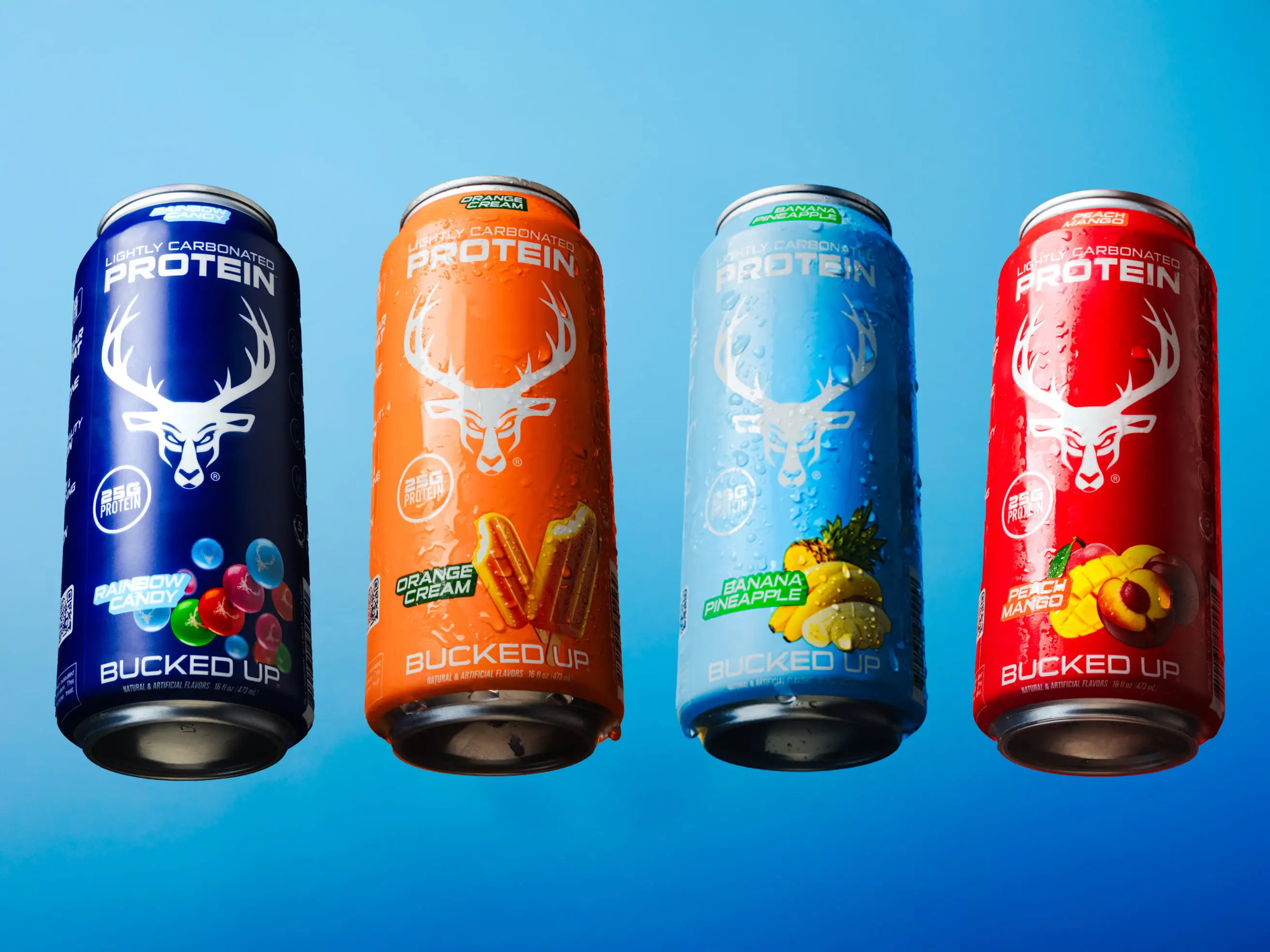
Bucked Up Protein Soda can stand out as an option for GLP-1 users who struggle with thick shakes or heavy solid foods. Each can delivers 25g of whey protein isolate in about 100 calories with zero sugar and zero carbs. The lightly carbonated, crystal-clear drink avoids the milky texture that often feels too rich when nausea hits.
As noted earlier, whey protein isolate processes faster and tends to cause less nausea than concentrate, which can suit GLP-1-related digestive sensitivity.1 Unlike Premier Protein and some similar concentrate-based drinks, Bucked Up uses 100% isolate for rapid absorption with less risk of lactose-related bloating.1
Key advantages include:
- Fast absorption that supports muscle protein synthesis1
- Keto and paleo-friendly with zero carbs
- Manufactured in GMP-certified facilities
- Caffeine-free so you can drink it any time of day
Customer feedback often highlights taste and texture. One reviewer shared, “I was skeptical when I saw ‘whey protein’ on a carbonated soda. But Bucked Up absolutely blew me away! The Banana Pineapple flavor is a tropical dream. It’s lightly carbonated, smooth, and genuinely delicious.” Shop Bucked Up Protein Soda now to see how this style of protein fits your routine.
Sample GLP-1-Friendly Meal Plans for 100-140g Protein
These low-volume meal plans help GLP-1 users reach protein goals without overwhelming a reduced appetite.
Plan 1: Bucked Up-Focused Day (120g protein)
| Meal | Protein (g) | Total Calories |
|---|---|---|
| Breakfast: Greek yogurt + Bucked Up Soda | 35g | 250 |
| Lunch: Grilled chicken (3 oz) + vegetables | 25g | 200 |
| Snack: Bucked Up Protein Soda | 25g | 100 |
| Dinner: Salmon (4 oz) + side salad | 35g | 300 |
Plan 2: Liquid-Heavy Day (110g protein)
| Meal | Protein (g) | Total Calories |
|---|---|---|
| Morning: Bucked Up Soda + string cheese | 31g | 180 |
| Midday: Protein smoothie (whey isolate) | 30g | 200 |
| Afternoon: Bucked Up Soda | 25g | 100 |
| Evening: Bone broth + lean turkey (2 oz) | 24g | 150 |
For nausea management, swap some solid proteins for more liquid options like bone broth or diluted protein smoothies. These plans align with protein shake strategies for GLP-1 weight loss while still focusing on taste and comfort.
Boost Results: Pair Protein with Resistance Training
Resistance training 2-3 times weekly with compound movements can reduce the muscle loss rates mentioned earlier to about 10-15% of total weight lost. Focus on squats, rows, presses, and deadlifts for 20-30 minutes per session.
Resistance training stimulates muscle protein synthesis and increases basal metabolic rate when combined with GLP-1 therapy. Many users choose Bucked Up Protein Soda within 30 minutes after workouts to support recovery.1
Common Questions on Protein for GLP-1 Muscle Loss Prevention
How much protein on GLP-1?
Target 1.2-2.0g per kilogram of body weight daily. For a 150-pound person, this equals the 82-136g range discussed earlier, spread across 4-5 meals.
Best protein shakes for GLP-1 weight loss?
Whey protein isolate-based options like Bucked Up Protein Soda can offer faster absorption and better tolerability for some users than many concentrate-based alternatives.
Are protein shakes good for GLP-1?
Yes. Isolate-based formulations that reduce lactose and fat often create less digestive stress. Liquid proteins also bypass many appetite and nausea challenges that come with solid foods.
Can you regain muscle post-GLP-1?
Many people can regain muscle after GLP-1 use by pairing adequate protein intake with progressive resistance training. Consistent strength work and steady protein support rebuilding over time.
Conclusion: Protect Your Muscle on GLP-1 Today
Muscle loss on GLP-1 medications can be reduced with smart protein intake and regular resistance training. Liquid options like Bucked Up Protein Soda help many users hit daily protein targets even when appetite drops. Consider adding Bucked Up Protein Soda to your routine to support your protein goals and protect muscle while using GLP-1. Shop now and build a plan that fits your schedule and stomach.
Frequently Asked Questions
What makes whey protein isolate better than other protein types for GLP-1 users?
Whey protein isolate goes through extra processing that removes most lactose, fat, and carbohydrates. This process creates a purer protein that absorbs faster and often causes less digestive discomfort.1 Many GLP-1 users who experience nausea, reduced appetite, or digestive sensitivity find this format easier to tolerate. Unlike many whey concentrate or collagen proteins, isolate provides complete amino acids in a form that can feel gentler during GLP-1 therapy.
How can I prevent muscle loss if I can barely eat solid foods on GLP-1 medication?
Focus on liquid protein sources that take up less stomach space and digest more easily. Protein sodas, bone broth, Greek yogurt smoothies, and diluted protein shakes can help you reach 100-140g daily protein targets even with strong appetite suppression. Divide your intake into 4-5 small portions across the day instead of forcing large meals. Pair this approach with light resistance training 2-3 times weekly to preserve a high share of your muscle mass during weight loss.
Is it safe to consume 120-140g of protein daily while on GLP-1 medications?
For many people, this protein range is both safe and recommended for muscle preservation during GLP-1-related weight loss. The 1.2-2.0g per kilogram body weight guideline comes from endocrinology specialists and reflects standard care for preventing muscle loss during rapid weight reduction. People with kidney disease should talk with their healthcare provider before raising protein intake, since medical supervision may be needed when kidney function is reduced.
Can I build muscle while losing weight on GLP-1 medications?
Building muscle while losing weight on GLP-1 can happen, although it often feels challenging. Focus on 25-40g of protein within 30 minutes after strength training sessions, keep a consistent workout schedule 2-3 times weekly, and protect your sleep for recovery. Many GLP-1 users focus on preserving muscle first, then shift toward more aggressive muscle-building goals as they near their target weight and appetite improves.
How long should I wait between taking my GLP-1 medication and consuming protein?
No specific waiting period is required between GLP-1 medication and protein intake. Spreading protein across the day, including around your injection time, helps maintain steady amino acid levels for muscle preservation. If you feel nauseated after your injection, liquid protein sources like carbonated protein sodas may sit better than solid foods during the first few hours.1 Aim for consistency with your daily protein rather than strict timing rules.
1 The content provided in this article is for informational purposes only and is not medical advice. Consult with a medical professional before implementing any changes to your diet, health, or exercise routines.
Individual results will vary and are based on a combination of each individual’s diet, exercise, age, and health circumstances.
These statements have not been evaluated by the Food and Drug Administration. This product is not intended to diagnose, treat, cure or prevent any disease.
This article was written by Ryan Gardner, CEO of Bucked Up. As the maker of Bucked Up Protein Soda, we have a financial interest in this information. The views expressed are our own and should be read with that context in mind.