Last updated: April 22, 2026
Key Takeaways for GLP-1 Protein Needs
- GLP-1 meds like Ozempic can cause 20 to 40 percent of weight loss to come from muscle when protein intake stays low.
- High PDCAAS proteins such as whey isolate (0.9 to 1.0) support strong digestibility for users with nausea and slow digestion.1
- Liquid formats like carbonated protein often feel easier than heavy shakes and support absorption with less digestive stress.1
- Aim for 70 to 105 grams of protein per day for someone around 154 lbs, spread across 25 to 40 gram servings to help preserve muscle.
- Bucked Up Protein Soda delivers 25 grams of whey isolate in a nausea-friendly, zero-sugar format that can support these goals.1
GLP-1’s Hidden Muscle Loss Risk and Why Digestible Protein Matters
The appetite suppression that makes GLP-1 medications effective for weight loss also creates serious nutritional challenges. Studies have found that GLP-1 users often consume less protein than recommended.
This protein deficit has serious consequences. Trials show that 20 to 50 percent of weight lost on GLP-1-based therapies comes from lean body mass, with some studies finding up to 39 percent of total weight loss coming specifically from muscle tissue. Reduced appetite and nausea make it hard to eat enough protein from traditional solid foods.
Because GLP-1 users struggle to consume large volumes of food, the quality and absorbability of each gram of protein become critical. This is where protein digestibility enters the equation.
The Protein Digestibility Corrected Amino Acid Score (PDCAAS) combines a protein source’s amino acid composition with its digestibility percentage, capped at 1.0. For GLP-1 users dealing with nausea and delayed gastric emptying, choosing proteins with high bioavailability can help protect muscle while keeping portions small.1
Why Whey Isolate and Bucked Up Protein Soda Fit GLP-1 Needs
Whey protein isolate can stand out as a strong choice for GLP-1 users. It has true ileal nitrogen digestibility of 0.89, which supports good absorption with relatively low digestive stress.1
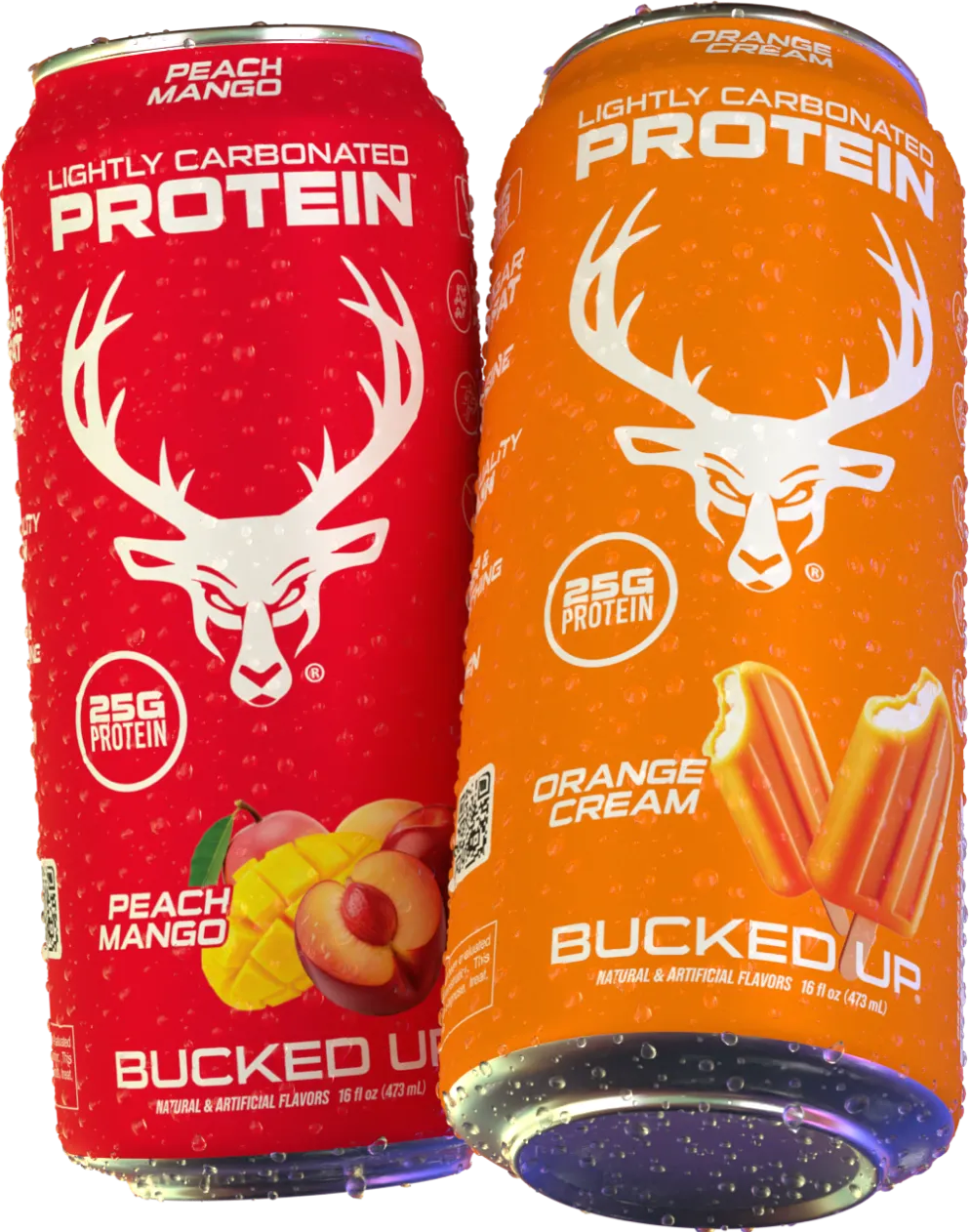
Bucked Up Protein Soda builds on this advantage by delivering whey isolate in a light, carbonated drink. Traditional protein shakes often feel heavy and can trigger nausea, while this clear, fizzy format feels closer to a flavored soda than a thick shake.
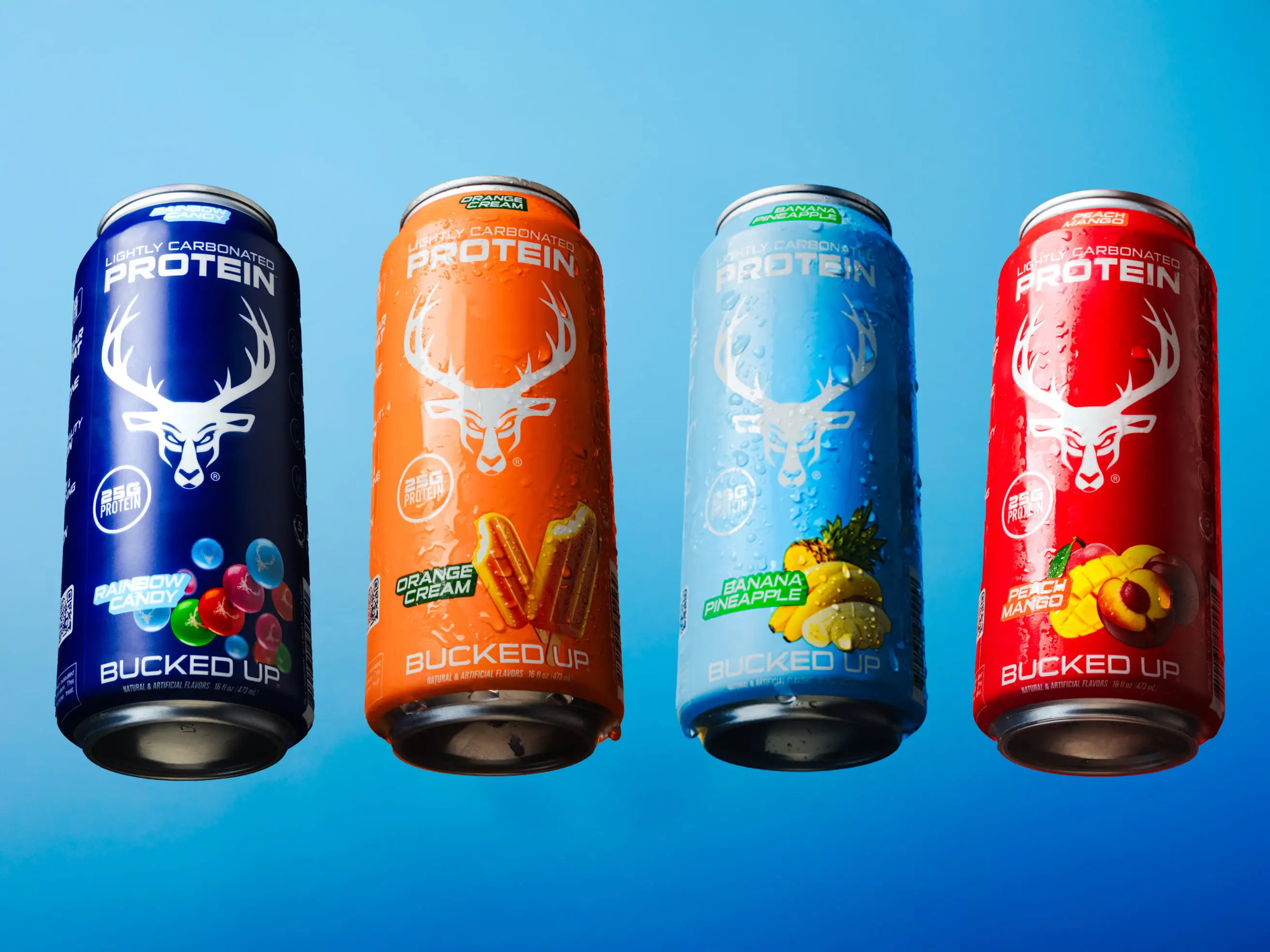
The formula delivers 25 grams of whey protein isolate for efficient absorption while keeping calories low at just 100 per can with zero sugar and zero carbs, which helps when appetite is already suppressed.1 Because many GLP-1 users experience nausea throughout the day, the caffeine-free formula works at any time without adding stimulants that might worsen digestive discomfort.1 The light, refreshing taste and carbonated texture help avoid the chalky residue and heavy mouthfeel that make many protein shakes hard to tolerate during GLP-1 treatment.
Manufactured in USA GMP-certified facilities, Bucked Up Protein Soda offers convenient, ready-to-drink protein support for GLP-1 users.1 Customer testimonials often highlight the product’s taste and texture: “They taste like an energy drink and don’t have any weird aftertaste like some other clear whey protein drinks do.”
Try Bucked Up Protein Soda today and see how a lighter protein drink can fit into your GLP-1 routine.
Protein Digestibility Rankings: Top Protein Sources for GLP-1 Users
Clear protein quality information helps GLP-1 users choose options that deliver more usable protein in smaller servings. The table below lists common protein sources with PDCAAS scores and notes for people on GLP-1 medications.
| Protein Source | PDCAAS Score | GLP-1 Notes |
|---|---|---|
| Whey Protein Isolate | 0.9–1.0 | Rapid absorption, light liquid format can work well with nausea |
| Egg Whites | 1.0 | Complete amino profile, but larger portions may feel hard to eat |
| Soy Protein Isolate | 1.0 | Plant-based complete protein, often available in liquid or powder form |
| Fish | 0.98 | High quality but requires tolerance for solid food and stronger flavors |
| Canned Tuna | 0.93 | Convenient, though smell and texture may trigger nausea |
| Chicken Breast | High | Lean and complete but still a solid food that may feel heavy |
| Soy Protein | 1.00 | Useful plant option, often used in shakes and bars |
| Pea Protein | 0.89 | Plant-based, limited in methionine, sometimes combined with other proteins |
For GLP-1 users, liquid protein sources often work better than solid foods because they are easier to consume and less likely to worsen nausea. Animal proteins generally reach digestibility rates of 90 to 99 percent, while many plant proteins fall below 85 percent digestible.
While PDCAAS scores help you spot quality protein sources, the format and delivery method matter just as much when you deal with nausea and reduced appetite. The next section looks at how popular ready-to-drink protein products compare for GLP-1 users.
Protein on Ozempic: Bucked Up Compared with Common Competitors
Not all protein products support GLP-1 users in the same way. The table below compares several leading options.
| Product | Protein Type | Format/Calories | GLP-1 Notes |
|---|---|---|---|
| Bucked Up Protein Soda | Whey Isolate | Carbonated RTD / 100 cal | Light, non-milky, often easier with nausea |
| Premier Protein | Whey Concentrate | Milky shake / 160 cal | Heavier texture that may trigger nausea |
| Fairlife Core Power | Milk Protein | Milky RTD / 170 cal | Higher calories with a dairy-forward taste |
| Muscle Milk | Milk Protein Blend | Thick shake | Dense consistency that can feel challenging with low appetite |
These differences matter for GLP-1 users. Whey isolate absorbs faster than concentrate and usually contains less lactose, which can reduce digestive discomfort.1 The carbonated, non-milky format of Bucked Up helps avoid the heavy mouthfeel that often worsens nausea for people using GLP-1 medications.
Daily Protein Targets on GLP-1: 100g+ Plans and Simple Meal Ideas
Patients taking GLP-1 receptor agonists are often advised to aim for 1.0 to 1.5 grams of protein per kilogram of ideal body weight daily. For someone around 154 lbs, that equals roughly 70 to 105 grams of protein per day.
Distribution across the day matters. NutraBio recommends targeting 30 to 40 grams per meal across three meals to support muscle protein synthesis.
Here is a simple daily framework you can adapt:
| Meal Time | Protein Target | Easy Options |
|---|---|---|
| Breakfast | 25–30g | Bucked Up Protein Soda plus Greek yogurt |
| Lunch | 25–30g | Small fish portion or a protein smoothie |
| Snack | 15–20g | Bucked Up Protein Soda |
| Dinner | 25–30g | Lean poultry or tofu with vegetables |
Helpful strategies for GLP-1 users include consuming protein within 30 to 60 minutes after strength training and choosing liquid formats when solid foods feel overwhelming.
High-Protein Choices for GLP-1 and Pitfalls to Watch For
GLP-1 users face specific challenges that call for careful protein choices. Common pitfalls include:
- Relying on incomplete proteins: Collagen supplements lack several essential amino acids needed for muscle preservation.
- Choosing heavy formats: Thick, traditional protein shakes can worsen nausea and reduce long-term consistency.
- Ignoring meal timing: GLP-1 users may skip breakfast more often than non-users, which lowers total daily protein.
- Underestimating needs: Research suggests many GLP-1 users average less protein than recommended for healthy weight loss.
A practical approach combines high-PDCAAS proteins in formats that feel easy on the stomach. Focus on whey isolate, eggs, and fish, and limit heavy, high-fat protein sources that may aggravate GLP-1 side effects.
Always talk with your healthcare provider before making major dietary changes, especially when you take medications that affect appetite and digestion.
Get your muscle-preserving protein in a format created with GLP-1 challenges in mind.
Frequently Asked Questions
What protein works well when taking GLP-1?
Whey protein isolate can work well for many GLP-1 users because of its high PDCAAS score, relatively fast absorption, and lower digestive burden.1 The isolation process removes most lactose and fat, which can make it easier to tolerate when appetite stays low. Bucked Up Protein Soda delivers this type of protein in a light, carbonated format that often feels easier to drink than heavy shakes.1
How can I get enough protein on GLP-1?
Aim for roughly 70 to 105 grams of protein per day if you weigh around 154 lbs, spread across 20 to 40 gram servings. When solid foods feel difficult, lean on easily digestible liquids such as clear protein drinks or broths. Try to place protein around meals and after workouts to support muscle maintenance.
Is Bucked Up Protein Soda keto and paleo-friendly?
Bucked Up Protein Soda contains zero carbs and zero sugar, which makes it compatible with many ketogenic and paleo-style approaches. Each can provides a 25 gram serving of whey protein isolate with only 100 calories, so it can fit into low-carb plans while supporting muscle during weight loss.1
How does whey isolate differ from whey concentrate?
Whey isolate goes through more processing to remove lactose, fat, and carbohydrates, which creates a powder that is more than 90 percent protein by weight. Whey concentrate contains a lower percentage of protein and more lactose and fat. For GLP-1 users who experience nausea or digestive sensitivity, the cleaner profile of isolate can feel easier on the stomach.1
Can I drink protein soda every day while on GLP-1 medications?
Many people use a daily protein drink to help meet their goals while on GLP-1 therapy. Bucked Up Protein Soda offers a caffeine-free formula that fits at any time of day, and the light carbonation usually does not interfere with appetite-suppressing effects.1 As with any regular dietary habit, discuss your specific protein targets and product choices with your healthcare provider.
Conclusion: Protect Muscle on GLP-1 with Smart Protein Choices
GLP-1 medications create unique nutrition demands that call for careful protein planning. High-PDCAAS proteins such as whey isolate help you get more usable protein from smaller servings, which matters when appetite and meal size drop.1
Bucked Up Protein Soda responds to these needs by pairing a 25 gram whey isolate serving with a clear, carbonated format that many GLP-1 users find easier to drink. The macro-friendly profile without added sugar or carbs supports weight loss goals while helping you maintain muscle.1
Do not let muscle loss undercut your progress. Start protecting your muscle mass now with a protein option tailored to GLP-1 challenges.
1 The content provided in this article is for informational purposes only and is not medical advice. Consult with a medical professional before implementing any changes to your diet, health, or exercise routines.
Individual results will vary and are based on a combination of each individual’s diet, exercise, age, and health circumstances.
These statements have not been evaluated by the Food and Drug Administration. This product is not intended to diagnose, treat, cure or prevent any disease.
This article was written by Ryan Gardner, CEO of Bucked Up. As the maker of Bucked Up Protein Soda, we have a financial interest in this information. The views expressed are our own and should be read with that context in mind.