Last updated: April 22, 2026
Key Takeaways
- GLP-1 medications like Ozempic can cause nausea in 15-44% of users and may contribute to significant muscle loss without adequate daily protein.
- Clear whey isolate protein drinks with 20g or more protein, low calories, and zero sugar help support muscle while reducing digestive discomfort.1
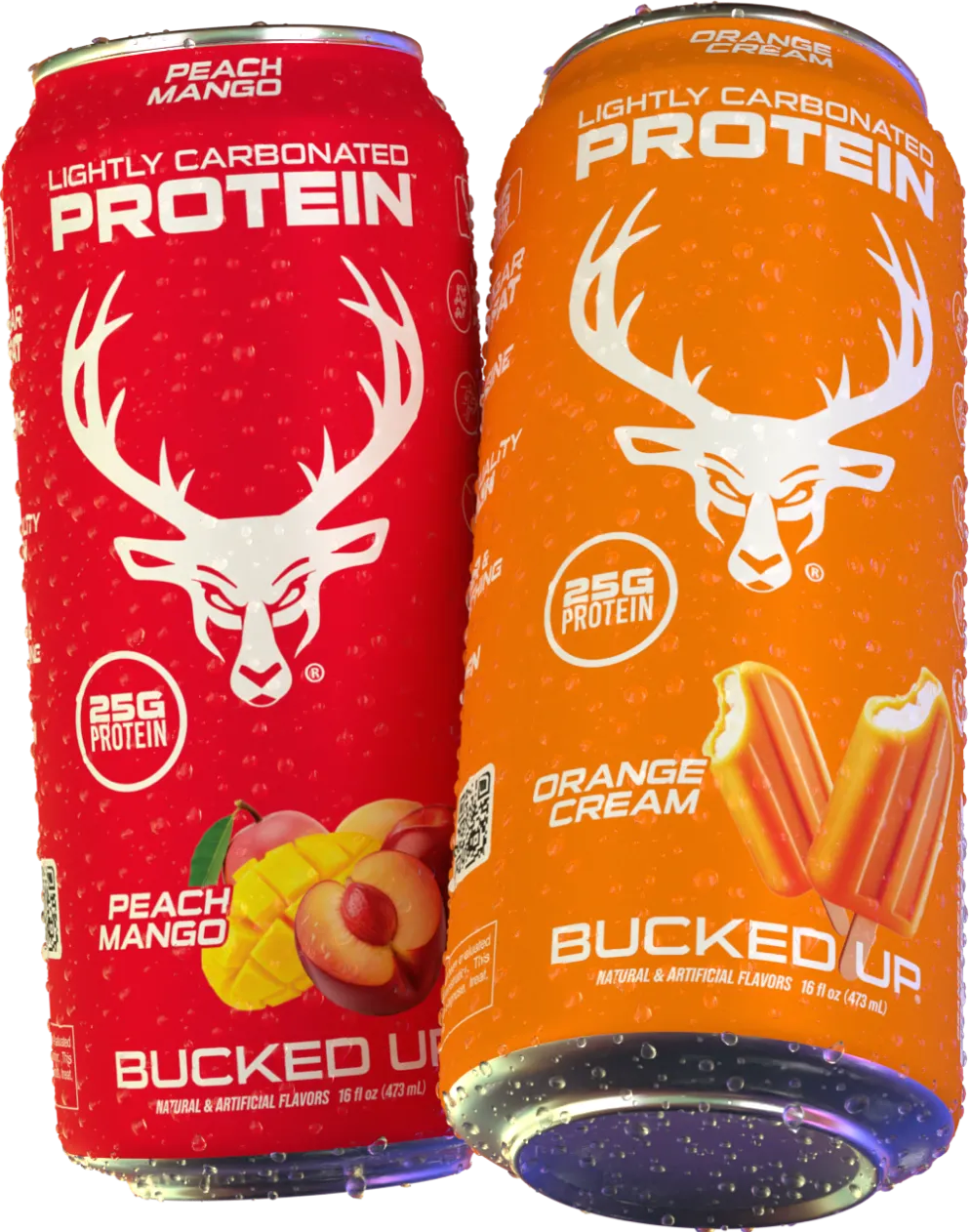
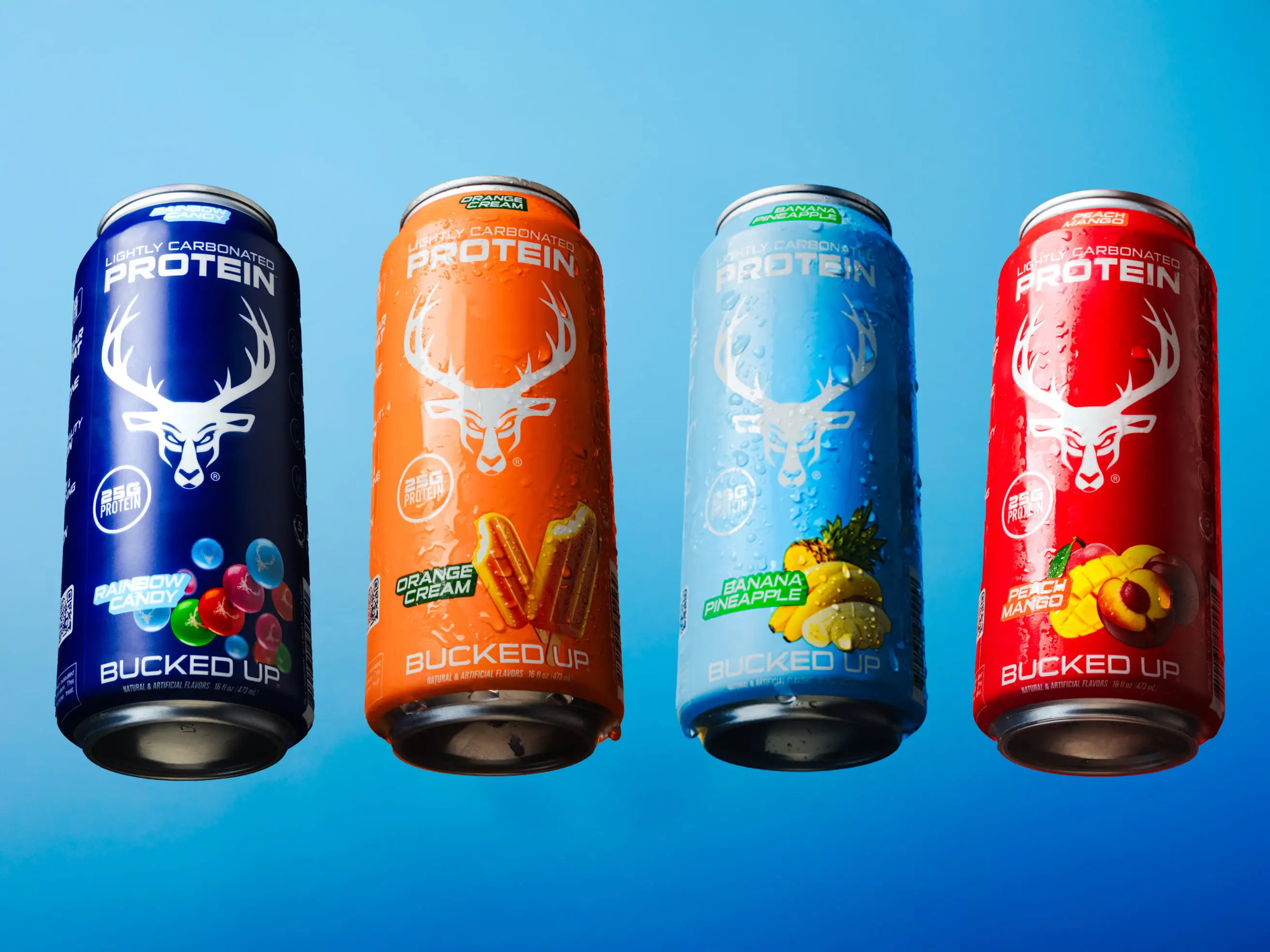
- Bucked Up Protein Soda can stand out for GLP-1 users with 25g whey isolate, 100 calories, zero sugar, and a carbonated format that many find easier to tolerate.1
- Traditional creamy shakes often feel heavy and can trigger nausea, while carbonated options like Bucked Up tend to digest more quickly during appetite suppression.1
- Front-load protein intake early in the day and start with Bucked Up Protein Soda to help hit daily protein goals while preserving muscle on GLP-1 therapy.1
GLP-1 medications such as Ozempic and Zepbound can transform weight loss, but they also suppress appetite and slow digestion. Many users struggle to eat enough protein to protect muscle while dealing with nausea and early fullness. This guide focuses on protein drinks that better fit those needs, with an emphasis on clear, light options that support muscle without overwhelming your stomach.1
Protein Drinks With Positive Reviews From GLP-1 Users
GLP-1 users benefit from protein shakes, especially when whole meals feel difficult to finish.1 Thick, milky protein shakes can trigger nausea for many GLP-1 medication users, while clear whey isolate offers a lighter, more refreshing option that still delivers essential amino acids without as much digestive distress.1
The key criteria for GLP-1-friendly protein drinks include over 20g of protein per serving to support higher daily needs, under 150 calories to fit smaller meals, zero or minimal sugar to avoid blood sugar swings, and whey isolate instead of concentrate for faster digestion when gastric emptying already slows.1
Whey isolate is light, easy to digest, and provides a high concentration of essential amino acids, so it often works better than blended proteins for people with reduced appetite.1 When you compare protein drinks, pay attention to reviews that mention flavor, lack of bloating, and steady energy without a heavy, “brick in the stomach” feeling. Many GLP-1 users do well aiming for at least 30 grams of protein at breakfast so they can get ahead of appetite loss later in the day.
Explore Bucked Up’s carbonated protein options if you want a lighter-feeling way to reach those morning and midday protein targets.
Protein Shakes for GLP-1 Users: 5 Options Ranked by Positive Reviews
1. Bucked Up Protein Soda
Pros: 25g whey isolate, 100 calories, zero sugar or carbs, carbonated format, caffeine-free
Cons: Fewer flavors than some long-standing shake brands
User Review: “I’ll be honest, I was skeptical when I saw the words ‘whey protein’ on a carbonated soda. But Bucked Up absolutely blew me away with this one! The Banana Pineapple flavor is a tropical dream. It’s lightly carbonated, smooth, and genuinely delicious. Not overly sweet, not artificial-tasting, and zero of that gritty protein mouthfeel.”
2. Fairlife Core Power
Pros: 26g milk protein, widely available, lactose-free
Cons: 170 calories, 5g sugar, creamy texture may trigger nausea
GLP-1 Fit: Moderate, due to higher calories and thicker texture, but offers quality protein for those who tolerate dairy well
3. Premier Protein
Pros: 30g protein blend, budget-friendly, many flavors
Cons: 160 calories, 1g sugar, uses a protein concentrate blend
GLP-1 Fit: Works for budget-conscious users who do not mind a heavier, shake-style drink
4. Muscle Milk
Pros: Milk protein, long-established brand
Cons: Thick consistency, may cause digestive issues for sensitive users
GLP-1 Fit: Limited, since the heavy texture can be challenging for people prone to nausea
5. OWYN Plant-Based
Pros: 20g plant protein, allergen-friendly, simple ingredient list
Cons: Lower protein per serving, higher price point
GLP-1 Fit: Helpful for those avoiding dairy, though some users may need larger servings to reach daily protein goals
The table below highlights differences in protein type, calorie density, sugar content, and drink format. These factors strongly influence how well a protein drink fits the needs of GLP-1 users who deal with nausea, slower digestion, and smaller meal sizes.
| Product | Protein Type | Calories | Sugar | Format |
|---|---|---|---|---|
| Bucked Up | Whey Isolate | 100 | 0g | Carbonated RTD |
| Fairlife Core Power | Milk Protein | 170 | 5g | Creamy Shake |
| Premier Protein | Protein Blend | 160 | 1g | Creamy Shake |
| Muscle Milk | Milk Protein | 160 | 0g | Creamy Shake |
| OWYN | Plant Blend | 170 | 0g | Creamy Shake |
Bucked Up can stand out with 100% whey isolate in a carbonated format that directly addresses common GLP-1 concerns such as nausea, appetite suppression, and the need for protein that feels light on the stomach.1 Customer testimonial: “These are seriously delicious! I had low expectations on flavor and was pleasantly surprised. They taste like an energy drink, but healthier and with no caffeine.”
While this ranking applies broadly to GLP-1 medications, some drugs create more intense nausea and fullness than others. Ozempic users often feel these effects strongly, so the format of a protein drink can matter even more.
Protein Shakes While on Ozempic: Why Bucked Up’s Carbonation Can Help
Many Ozempic users report that Bucked Up Protein Soda fits their routine because it addresses several common GLP-1 challenges through its carbonated delivery system. Traditional protein shakes can feel heavy and may trigger nausea, while this ready-to-drink option delivers 25g of whey isolate in a light, refreshing format that tastes closer to an energy drink than a shake.
The carbonated format can support faster movement through the stomach compared with thick shakes, which may reduce the chance of nausea and improve overall palatability when appetite stays low.1 User testimonial: “I need to consume 130g of protein daily, and honestly, I’ve never found a product that made that goal feel this easy. I could knock back multiple cans a day and actually enjoy doing it.”
Try Bucked Up’s GLP-1-friendly formula if Ozempic makes traditional shakes difficult to tolerate.
Zepbound users face similar appetite and digestion changes, but protein type becomes especially important when every sip needs to count toward muscle preservation.
Protein Shakes on Zepbound: Whey Isolate vs. Concentrate and Collagen
Zepbound users often benefit from choosing whey isolate instead of other protein types. Clear whey isolate delivers 20g or more protein without a heavy dairy feel, which suits people dealing with medication-related digestive sensitivity.1 Whey isolate goes through extra filtration to remove most lactose and fat, which supports quicker absorption and can reduce gastrointestinal discomfort.1
Some competitors use whey concentrate blends or add collagen to raise the protein number on the label. However, collagen does not provide a complete amino acid profile for muscle preservation, so those higher counts may not translate into the same muscle-support benefit. Bucked Up uses 100% whey isolate so that each gram of protein contributes to muscle protein synthesis during weight loss rather than just inflating the label.1
GLP-1-Friendly Protein Shakes: Final Thoughts and Buying Guide
GLP-1 users who want to protect muscle while managing nausea and reduced appetite can benefit from clear, low-calorie, high-protein drinks.1 Bucked Up Protein Soda can stand out in this space because its carbonated whey isolate formula directly addresses common issues with thick, creamy shakes during GLP-1 therapy.1
See the full Bucked Up Protein Soda lineup and consider starting with flavors that sound most appealing when your appetite feels low.
Many readers still have practical questions about timing, dosage, and how to judge whether a protein drink truly supports their GLP-1 plan. The answers below address those common concerns.
Frequently Asked Questions
How much protein do I need daily while on GLP-1 medications?
Most adults on GLP-1 medications do well aiming for higher protein than standard guidelines. As mentioned earlier, many experts suggest 1.2-1.6 grams of protein per kilogram of body weight daily to help limit muscle loss during weight reduction. For a 154-pound person, this equals roughly 84-112 grams of protein per day, which is higher than the usual 0.8g/kg recommendation for adults not using GLP-1 therapy.
Why do traditional protein shakes cause nausea on GLP-1 medications?
GLP-1 medications slow how quickly food leaves the stomach and can activate nausea pathways in the brainstem. Thick, creamy protein shakes tend to sit heavily in the stomach, which can intensify that queasy feeling. Carbonated, clear protein drinks like Bucked Up Protein Soda take advantage of the carbonation benefit discussed earlier, often moving through the digestive system more quickly and feeling lighter for users who experience these side effects.1
What makes whey isolate better than other protein types for GLP-1 users?
Whey isolate goes through additional processing that removes most lactose, fat, and carbohydrates, which creates a purer protein that many people digest more easily.1 This faster, cleaner absorption can help GLP-1 users who already deal with slower digestion and smaller meals.1 Unlike many whey concentrate or collagen blends, whey isolate provides a complete amino acid profile that supports muscle protein synthesis during weight loss.1
Can I drink protein shakes at any time of day while on GLP-1 medications?
Yes, especially with caffeine-free options like Bucked Up Protein Soda. Because GLP-1 medications often reduce appetite later in the day, many people find it helpful to front-load protein in the morning and early afternoon. Carbonated protein drinks can fit throughout the day without affecting sleep, which makes them flexible tools for meeting protein goals when appetite feels unpredictable.
How do I know if a protein drink is working for my GLP-1 therapy?
Signs of success include maintaining strength while losing weight, steady energy, and reaching your daily protein target without frequent digestive issues.1 Positive signals also include enjoying the taste enough to drink it regularly, avoiding nausea or bloating afterward, and feeling comfortably satisfied instead of uncomfortably full. Track your intake and compare it to the 1.2-1.6g/kg daily range to see whether your current drink supports your GLP-1 plan.
1 The content provided in this article is for informational purposes only and is not medical advice. Consult with a medical professional before implementing any changes to your diet, health, or exercise routines.
Individual results will vary and are based on a combination of each individual’s diet, exercise, age, and health circumstances.
These statements have not been evaluated by the Food and Drug Administration. This product is not intended to diagnose, treat, cure or prevent any disease.
This article was written by Ryan Gardner, CEO of Bucked Up. As the maker of Bucked Up Protein Soda, we have a financial interest in this information. The views expressed are our own and should be read with that context in mind.