Last updated: April 22, 2026
Key Takeaways
- Protein drinks with 20-40g whey post-workout support muscle protein synthesis and can mildly reduce soreness, per ISSN meta-analyses.1
- Consuming protein within 30-60 minutes after training takes advantage of the heightened anabolic recovery window.
- Whey protein isolate digests faster than concentrate, delivering amino acids quickly to support muscle repair.1
- Carbonated protein sodas like Bucked Up can feel lighter than thick shakes, which may help GLP-1 users consistently hit protein targets.1
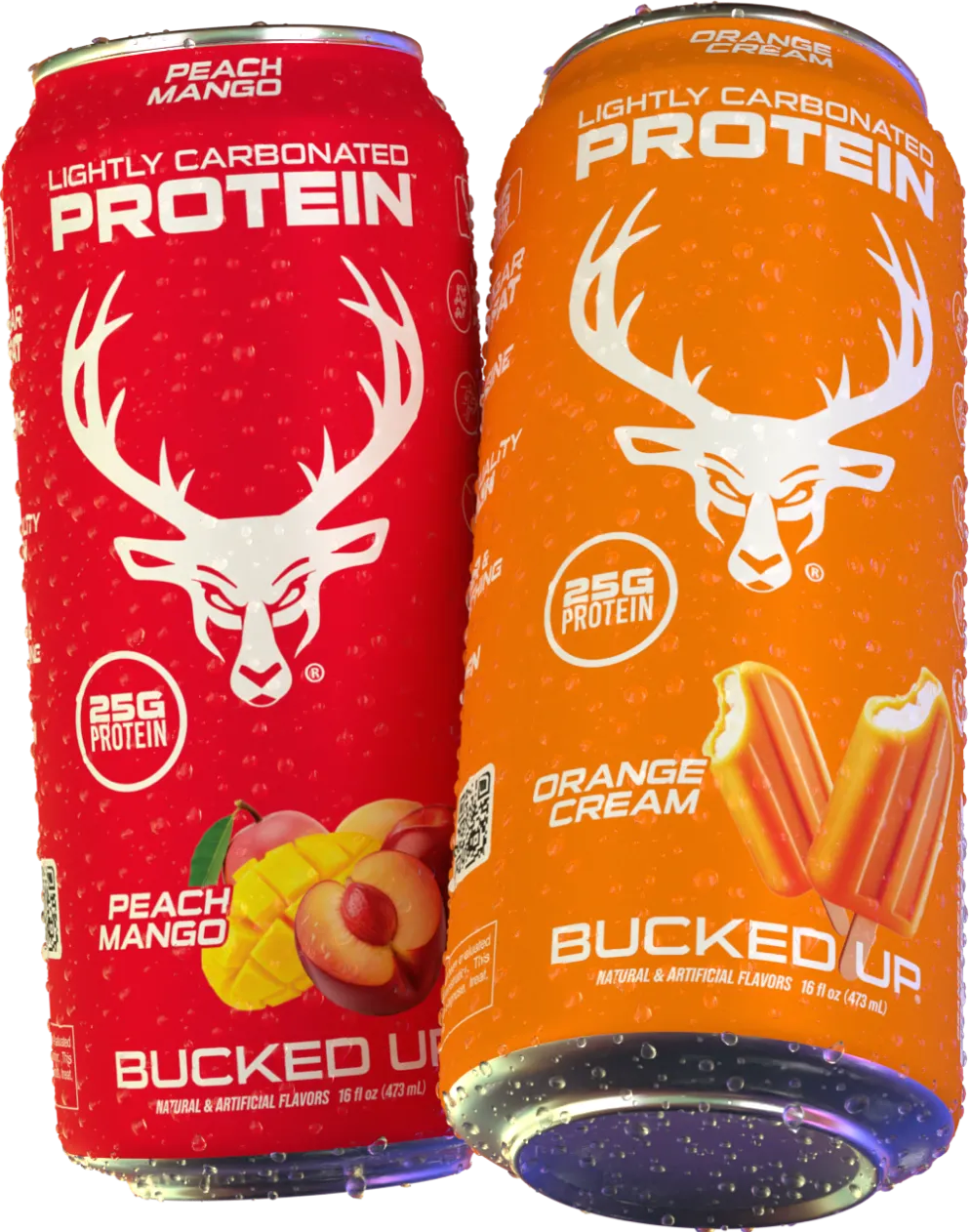
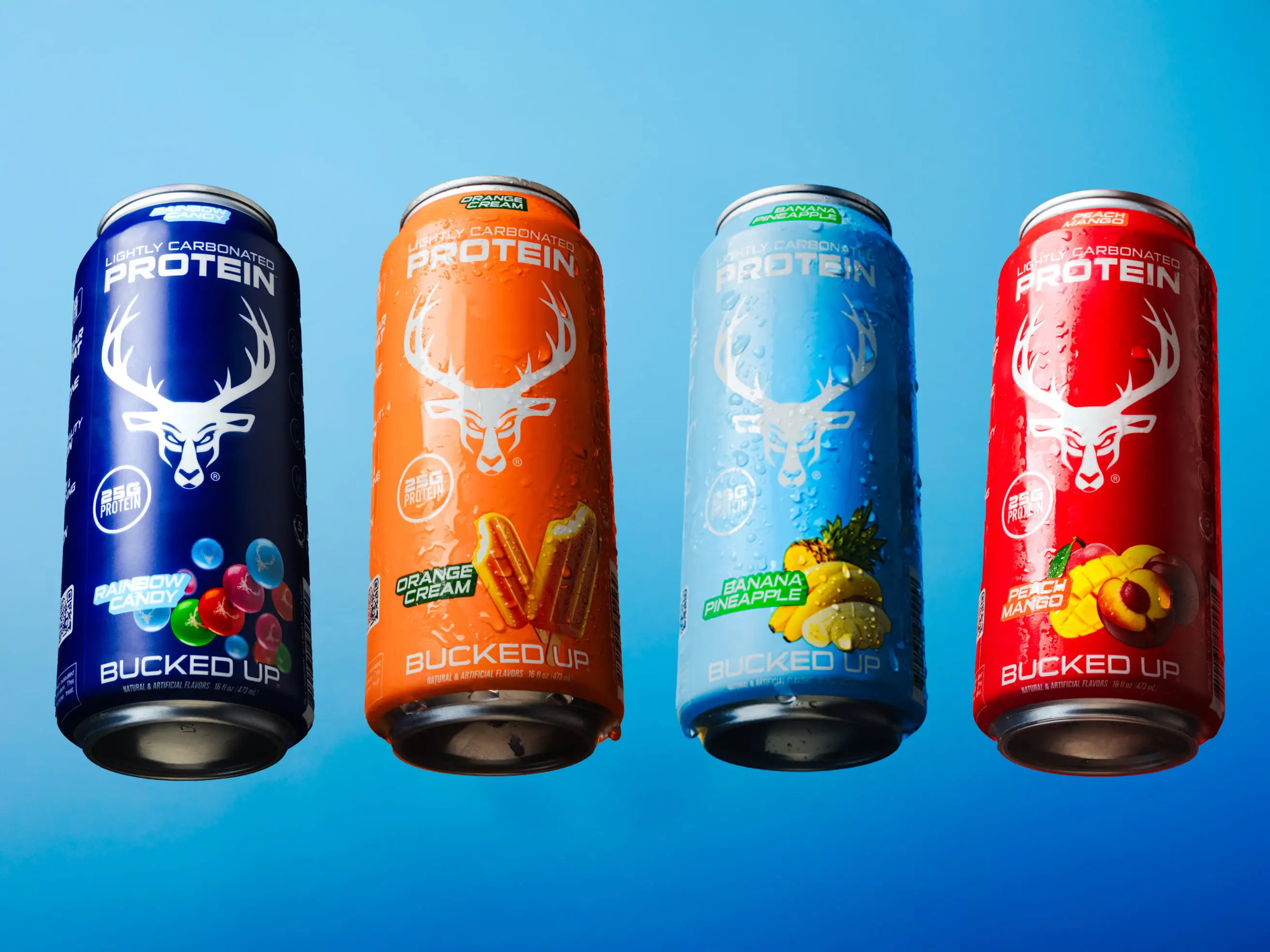
- Bucked Up Protein Soda offers 25g whey isolate in a refreshing format that fits easily into most recovery routines.1
The Problem: Soreness, Slow Recovery, and Heavy Shakes
Post-workout soreness often peaks 24-72 hours after intense exercise and can limit how often you train. Missed sessions slow progress toward strength, performance, and physique goals. For people using GLP-1 medications like Ozempic, reduced appetite can also mean low protein intake and a higher risk of muscle loss during weight management.
Thick, milky protein shakes can make these issues worse by causing digestive discomfort and taste fatigue. Many people struggle to finish heavy shakes, especially when appetite already feels low. This compliance problem undermines even well-designed supplementation plans. Recent research on tennis players highlights a gap between what people expect from protein supplements and the recovery results they actually experience, underscoring the need for delivery methods that users can comfortably consume.
The Science Behind Protein and Muscle Recovery
Protein supplements supply essential amino acids that trigger muscle protein synthesis (MPS), the process that repairs and builds muscle tissue.1 The ISSN 2017 position stand recommends 0.25 g per kilogram of body weight or an absolute dose of 20-40 g of high-quality protein per serving after training to maximize this anabolic response.
Bucked Up Protein Soda provides 25g of whey protein isolate, which falls within this commonly recommended range. The isolate form absorbs faster than concentrate because it contains very little lactose and fat, which can slow digestion.1 While faster absorption supports MPS, many users also want to know how protein intake connects to soreness that limits training frequency.1
How Whey Protein Relates to Muscle Soreness
Controlled studies show mixed results on whey protein’s direct impact on delayed onset muscle soreness. Some research reports mild improvements in soreness markers, while a 2024 randomized, double-blind study of trained tennis players found no statistically significant differences in certain recovery markers between supplementation groups.1 This research suggests that protein alone may not fully resolve soreness.
At the same time, patent data on whey protein combined with other compounds points to possible anti-inflammatory support for tissue recovery. Together, these findings show that protein helps recovery mainly by supporting muscle protein synthesis, not by acting as a direct pain reliever.1 Consistent daily intake matters more than expecting instant soreness relief from a single drink.
Timing Your Protein Drink After a Workout
Exercise temporarily increases how responsive your muscles are to protein. Muscle protein synthesis remains elevated by 109% at 24 hours after heavy resistance training and returns close to baseline by 36 hours in young men. The strongest anabolic response occurs in the first several hours after training, so timing your protein during this period can support better recovery.
Sports dietitians often suggest 20-40 grams of protein within 20-60 minutes post-exercise if you trained fasted, or within 1-3 hours if you ate protein before training. This schedule helps ensure amino acids are available when MPS peaks.
Using Ready-to-Drink Protein for Recovery Timing
Bucked Up Protein Soda arrives ready to drink, so you can start sipping as soon as your workout ends. This convenience removes mixing and cleanup, which helps you stay consistent on busy days. The light, carbonated liquid may also empty from the stomach faster than very thick shakes, which can support timely nutrient delivery during the recovery window.1
Why Many Athletes Prefer Whey Isolate for Recovery
Whey protein isolate goes through extra filtration that removes most lactose, fat, and carbohydrates. This process creates a product that is about 90% protein by weight and digests faster than concentrate forms.
The quicker absorption of isolate makes it a practical choice after workouts, when rapid amino acid delivery can support the muscle-building response.1 Clear protein products that use isolate show faster digestion than many traditional shakes, which can help streamline recovery.1
Bucked Up Protein Soda uses 100% whey protein isolate. Some competing drinks may combine isolate with concentrate or add collagen. Collagen can support joints and skin, but it does not provide the complete amino acid profile needed to fully support muscle protein synthesis.
Protein Drinks for GLP-1 Users Who Want to Protect Muscle
People using GLP-1 receptor agonists often struggle to eat enough protein because these medications reduce appetite and slow stomach emptying. While GLP-1s can support weight management, low protein intake during weight loss can increase the risk of losing muscle instead of primarily losing fat.
Liquid protein sources can help by packing meaningful protein into a small, easy-to-drink serving.1 Bucked Up Protein Soda’s 100-calorie, carbonated format offers substantial protein without the heavy, creamy texture that may trigger nausea or early fullness for some GLP-1 users.1
The caffeine-free formulation supports a wide range of medication schedules and sensitivity levels.1 The light, refreshing flavor profile can also make it easier to keep drinking protein consistently, even when appetite feels low. Grab Bucked Up Protein Soda to help preserve muscle while you work toward your weight goals.1
Why Many People Find Carbonated Protein Easier Than Thick Shakes
Traditional ready-to-drink shakes from brands such as Premier Protein and Muscle Milk often use thick, milky bases and whey concentrate or protein blends. These formulas can digest more slowly than pure isolate and may feel heavy, especially if you already feel full.
Bucked Up Protein Soda’s carbonated, clear format offers a different experience. The clear whey isolate stays soluble in acidic environments like the stomach, which may support digestion and absorption compared to proteins that gel or clump in acid.1
The flavor profile feels closer to an energy drink than a meal replacement, which can make daily protein intake feel easier. Because it tastes light and refreshing instead of rich and creamy, you can comfortably drink it after workouts or between meals without feeling weighed down.
How to Build a Simple Recovery Plan with Protein Drinks
A practical recovery plan starts with consistent protein timing. Many lifters and athletes choose to drink Bucked Up Protein Soda within about 30 minutes after training to support elevated muscle protein synthesis.1 The grab-and-go can format keeps the habit simple on busy days.
Busy professionals and parents can also use protein sodas as quick nutrition between meals, especially during afternoon slumps when cooking is not realistic. The 100-calorie serving fits into many calorie-conscious plans while still contributing meaningful protein.
GLP-1 users may benefit from spreading protein across the day instead of relying on one large serving. Slowly sipping a protein soda through the morning or afternoon can help reach daily protein goals without overwhelming a reduced appetite.
All Bucked Up products are manufactured in GMP-certified facilities in the USA to support consistent quality and safety. Transparent labeling lists every ingredient, which helps you make informed choices about your nutrition.
Frequently Asked Questions
How is Bucked Up Protein Soda different from traditional protein shakes?
Bucked Up Protein Soda is lightly carbonated and crystal clear, using 100% whey protein isolate instead of the concentrate or blended proteins common in many shakes. This approach creates a refreshing, non-milky drink without the chalky texture or heavy mouthfeel that some users dislike. The carbonation and clear format make it feel more like an energy drink than a typical protein supplement.
Can Bucked Up Protein Soda support post-workout soreness recovery?
Protein drinks mainly support recovery by enhancing muscle protein synthesis, not by acting as direct painkillers.1 The whey isolate in each serving supplies the amino acids your muscles need for tissue repair.1 Research on protein and DOMS shows mixed results, but steady protein intake supports the long-term adaptation process that helps muscles handle training with less discomfort over time.1
Is Bucked Up Protein Soda safe for daily use and compatible with GLP-1 medications?
Bucked Up Protein Soda is formulated for regular use as part of a balanced diet. The caffeine-free, low-calorie profile can fit many GLP-1 protocols by providing protein without extra stimulants or a large calorie load. If you have medical conditions or take prescription medications, discuss any new supplement with your healthcare provider first.
Is Bucked Up Protein Soda keto and paleo friendly?
With zero carbs and zero sugar, Bucked Up Protein Soda can fit many ketogenic and paleo-style eating patterns. The whey protein isolate delivers complete amino acids without added carbohydrates or sugars that might conflict with these approaches.1
Does carbonation change how your body absorbs the protein?
Carbonation does not appear to reduce protein absorption. Clear whey isolate in carbonated protein drinks may even offer digestion advantages over some thick shakes.1 The isolate form contains very little lactose and fat, and the light liquid texture can support efficient gastric emptying compared to dense, creamy alternatives.1
Conclusion: Make Protein Intake Easier for Better Recovery
Protein drinks can support muscle recovery when they use quality ingredients and are timed around your workouts.1 Evidence supports a post-workout range of 20-40g whey protein for muscle protein synthesis, yet many people struggle to stay consistent with heavy, milky shakes.
Bucked Up Protein Soda addresses these hurdles by delivering 25g of whey protein isolate in a light, carbonated drink that feels easy to finish. Whether you train hard in the gym, juggle a packed schedule, or manage weight with GLP-1 medications, this style of protein supplement can help you support recovery and protect muscle.
See how convenient protein delivery can change your routine. Shop now or pick up Bucked Up Protein Soda on Amazon and experience how carbonated protein can fit into your post-workout plan.
1 The content provided in this article is for informational purposes only and is not medical advice. Consult with a medical professional before implementing any changes to your diet, health, or exercise routines.
Individual results will vary and are based on a combination of each individual’s diet, exercise, age, and health circumstances.
These statements have not been evaluated by the Food and Drug Administration. This product is not intended to diagnose, treat, cure or prevent any disease.
This article was written by Ryan Gardner, CEO of Bucked Up. As the maker of Bucked Up Protein Soda, we have a financial interest in this information. The views expressed are our own and should be read with that context in mind.