Last updated: April 22, 2026
Key Takeaways for GLP-1 Protein Success
- GLP-1 meds like Ozempic suppress appetite and can increase muscle loss risk. Aim for 0.5–0.9g of protein per lb of body weight daily to help preserve lean mass.
- Use protein-first habits like 30g within 30 minutes of waking, liquids instead of solids during nausea, and small frequent servings every 3–4 hours.
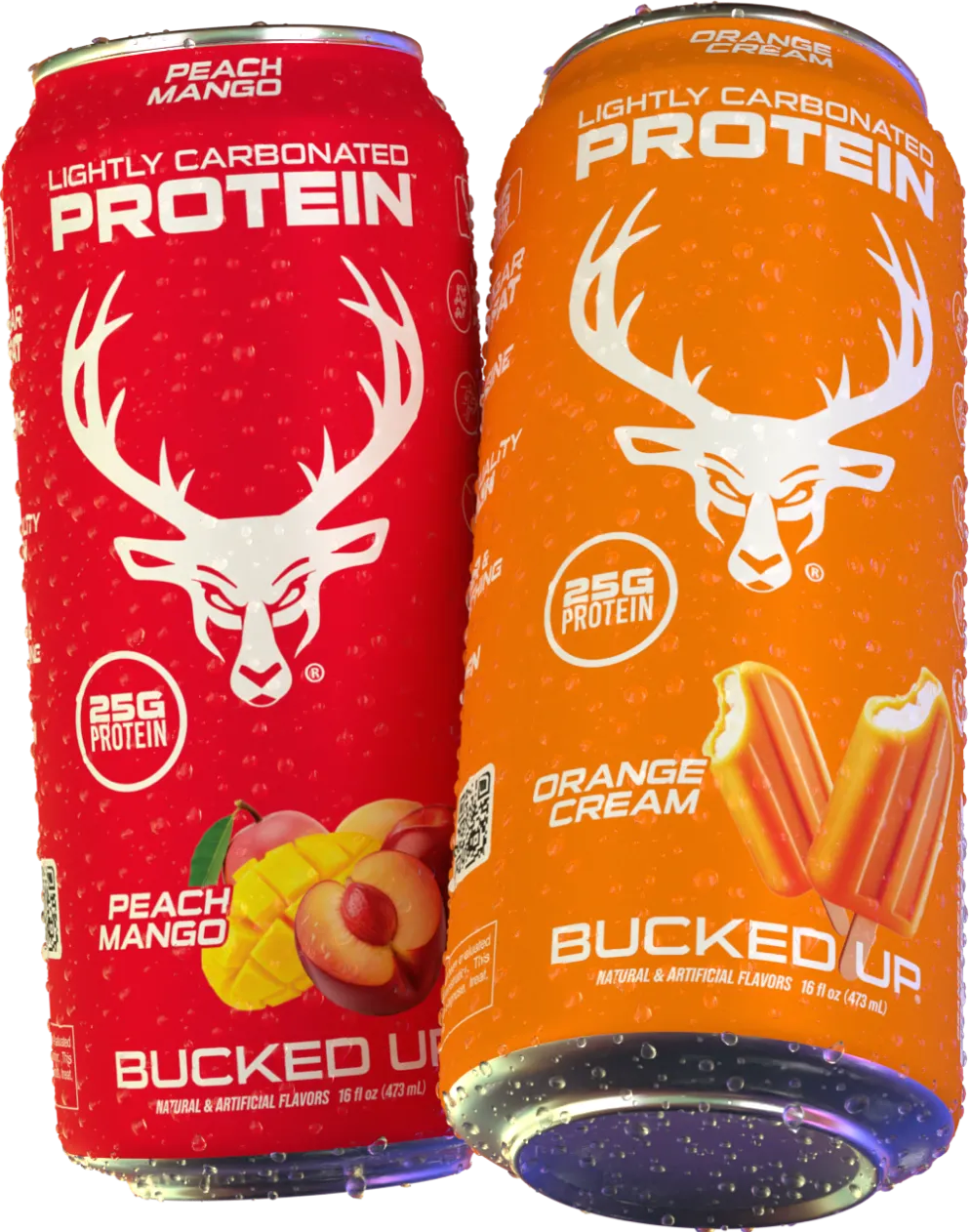
- Grab-and-go options such as Bucked Up Protein Soda (25g whey isolate, 100 calories, zero sugar) often feel easier than heavy shakes on busy GLP-1 days.1
- Follow a simple daily schedule that hits 100–130g protein with 2 Bucked Up sodas as anchors plus straightforward meals and snacks.
- Stock up on this nausea-friendly option so you can maintain muscle and metabolism on GLP-1 without complicated prep.1
The Protein Gap on GLP-1: Why Your Body Needs More
GLP-1 medications slow gastric emptying and suppress appetite, which often creates a protein shortfall. Many GLP-1 users end up eating far less protein than recommended.
For a 150-pound person, this means a target of roughly 80–135g of protein daily, using the 0.5–0.9g per lb range. Without adequate protein, about 40% of weight lost can come from lean muscle mass rather than fat. Losing that much muscle slows metabolism and makes long-term weight maintenance more challenging.
A protein-first approach helps close this gap. Aim for 20–30g of high-quality protein at each meal before other foods. Combining higher protein intake with medical supervision can support muscle preservation during weight loss on GLP-1.
To hit these targets despite nausea and a packed schedule, you need simple, repeatable strategies that fit real life.
Solution 1: Protein Habits for Nauseous, No-Time Days
On days when nausea and time pressure collide, structure and format matter. Start by setting your daily rhythm, then choose textures that feel gentle on your stomach.
Daily Structure:
- 30-30-30 Adaptation: Aim for 30g of protein within the first 30 minutes of waking, when appetite usually feels strongest.
- Small, Frequent Doses: Split the rest of your protein into 20–25g servings every 3–4 hours to keep intake steady without overwhelming your stomach.
- Timing Strategy: On injection days when appetite tends to peak, front-load even more protein into the morning and early afternoon.
Format Choices to Ease Nausea:
- First Bite Rule: At each meal, eat your protein source before carbs or vegetables so you still hit your target even if you cannot finish the plate.
- Liquid Over Solid: Choose protein drinks when nausea spikes, since liquids usually go down easier than dense foods.
- Cold Temperatures: Reach for ice-cold protein beverages, which often feel more soothing than room-temperature options.
- Carbonation Advantage: Pick light, fizzy formats that feel less heavy than thick shakes and may be easier to sip slowly.
Solution 2: Fast Grab-and-Go Protein for GLP-1 Users
Ready-to-drink and portable options remove prep work and decision fatigue. These choices help you stay consistent on hectic days.
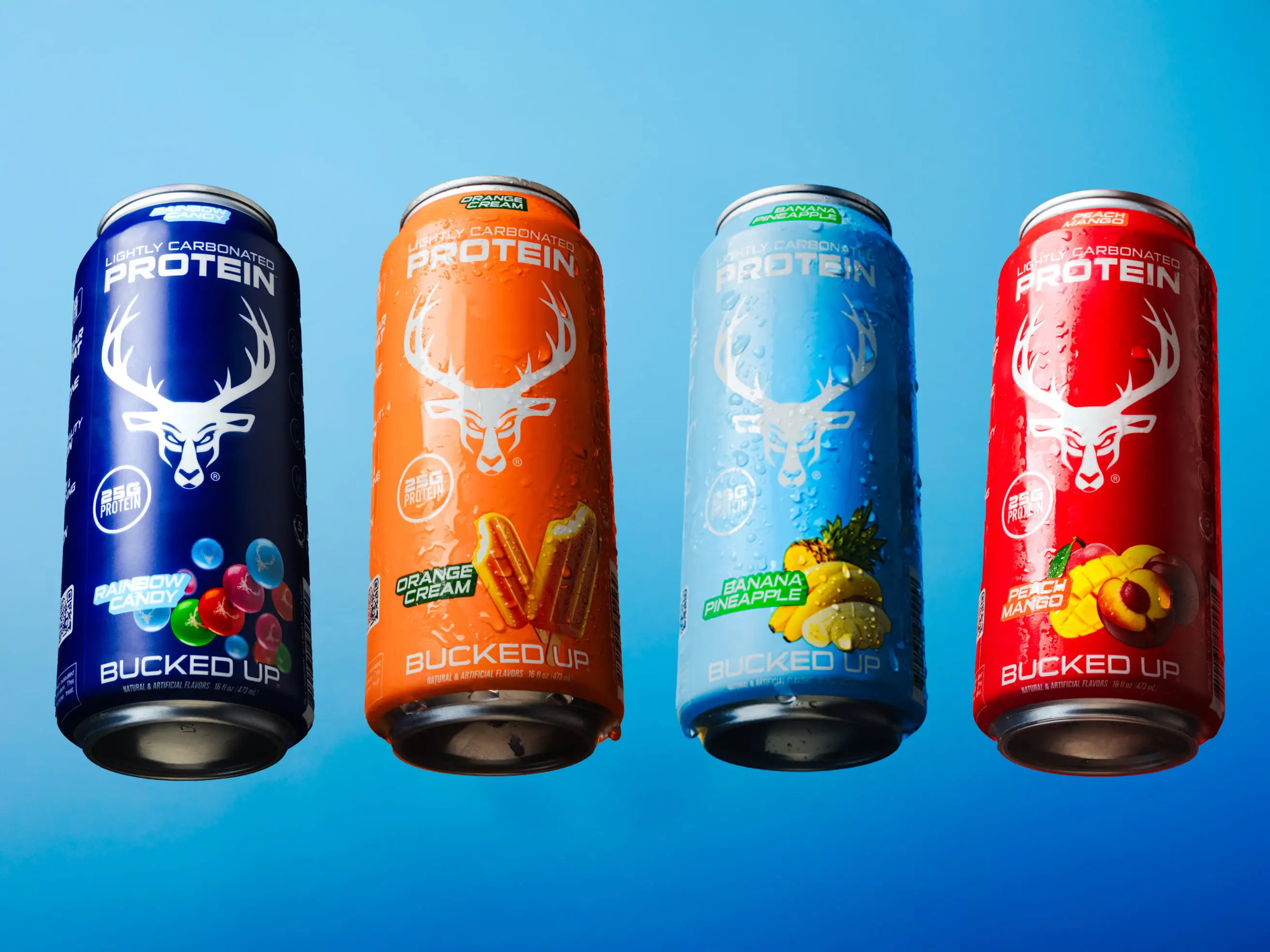
- Bucked Up Protein Soda (25g): High-quality whey protein isolate in a carbonated drink, 100 calories, zero sugar.
- Plain nonfat Greek yogurt usually provides 15–20g of protein per 6-ounce (170g) serving: Comes in single-serve cups, though it can feel heavy when nausea is strong.
- Hard-Boiled Eggs (12g for 2): Easy to carry but require advance cooking and peeling.
- Beef Jerky (15g per 1.5oz): Shelf-stable and portable, yet often tough to chew when you feel queasy.
- Cottage Cheese (14g per ½ cup): High in protein, but the texture does not work for everyone.
- Protein Bars: Convenient, though many options are higher in calories and contain more artificial ingredients.
| Product | Protein (g)/Type | Calories/Format | GLP-1 Friendly |
|---|---|---|---|
| Bucked Up Protein Soda | 25g/Isolate | 100/Light & Fizzy | Excellent |
| Premier Protein Shake | 30g/Concentrate | 160/Thick & Creamy | Moderate |
| Fairlife Core Power | 26g/Concentrate | 170/Heavy Milk Base | Moderate |
As the table shows, Bucked Up’s combination of high protein content and a light, sparkling format can work well for GLP-1 users.1 The whey protein isolate contains minimal lactose and fats.1 The carbonated drink feels refreshing instead of heavy, which often makes it easier to finish when you are dealing with GLP-1-related nausea.1
Protein Shakes on GLP-1: What Actually Works
Protein shakes can fit safely into a GLP-1 plan, but the type of shake matters. Many cases of protein-related nausea come from additives like artificial sweeteners, thickening gums, and seed oils rather than the whey protein itself. Thick, creamy shakes can also worsen the slowed gastric emptying caused by GLP-1 medications.
Carbonated protein drinks like Bucked Up often feel different in the stomach. The light, bubbly texture does not trigger the same heavy fullness as dense shakes, and the clear format avoids the dairy-heavy mouthfeel that can increase nausea.1 Whey protein isolate digests within 1–2 hours of consumption, as does regular whey protein concentrate, which helps when your eating window feels short.1
Solution 3: A 7-Day GLP-1 Protein Schedule for Busy Lives
This sample schedule delivers about 100–130g of protein per day. It works with a typical 9–5 routine and common parenting demands.
| Time | Protein Source | Protein (g) | Notes |
|---|---|---|---|
| 7:00 AM | Bucked Up Protein Soda | 25g | Quick morning fuel |
| 10:00 AM | Greek Yogurt | 15g | Mid-morning snack |
| 12:30 PM | Lunch + Protein Focus | 25g | Chicken, fish, or tofu |
| 3:30 PM | Bucked Up Protein Soda | 25g | Afternoon energy |
| 7:00 PM | Dinner Protein | 30g | Lean meat or fish |
| Daily Total | 120g | Target achieved |
This plan uses 2 cans of Bucked Up Protein Soda as daily anchors, providing 50g of your target through convenient, nausea-friendly drinks.1 The remaining 70g comes from simple meals and one extra snack. Spacing snacks 3–4 hours apart helps you avoid overwhelming your reduced appetite while keeping protein intake steady.
Practical Ways to Raise Protein While on GLP-1
Work with your medication’s effects instead of fighting them. Distribute protein into 25–40g per meal to reach the leucine threshold of 2.5–3g needed for muscle protein synthesis. Front-load your day with protein when appetite is naturally stronger, usually in the morning.
Liquid options play a central role here. Protein shakes that provide 20–30g of high-quality protein can safely replace lunch for GLP-1 patients when solid foods feel difficult. Choose drinks low in added sugars and moderate in fat to reduce nausea and bloating.
Shop Bucked Up Protein Soda now so protein intake stays simple even on your busiest, most nauseated days.
Why Bucked Up Protein Soda Fits GLP-1 Routines
Bucked Up Protein Soda targets several common GLP-1 challenges at once.1 The whey protein isolate provides rapid absorption without the higher lactose content that can worsen digestive issues.1 At only 100 calories per can with no sugar or carbs, it fits seamlessly into calorie-controlled eating plans.1
The carbonated format can offer a mental boost as well.1 It feels more like a treat than a supplement, which encourages consistent use. Compared with thick protein shakes that may trigger early fullness, the light, effervescent texture usually feels easier to sip without activating strong satiety signals.1
Manufacturing in GMP-certified facilities supports consistent quality from can to can. The caffeine-free formula means you can consume it any time of day without affecting sleep, which helps you spread protein across meals and snacks.1
FAQ
How can I increase protein intake while on GLP-1?
Focus on liquid protein sources like carbonated protein sodas that provide 20–30g per serving. Eat protein first in every meal before other foods, and aim for 25–40g of protein every 3–4 hours. Front-load your day with protein when appetite is strongest, usually in the morning.
Can you drink protein shakes on GLP-1?
Yes, especially lighter carbonated protein drinks with whey isolate. These digest quickly and often feel easier on the stomach than thick shakes.1 Avoid options with many artificial sweeteners and thickening agents that can worsen nausea.
Is it safe to drink multiple protein sodas daily?
For many people, 2–4 cans daily can safely contribute to protein goals, as long as total daily protein and calories fit your plan. Each can provides 25g of protein with only 100 calories, which can make it an efficient way to reach the 100–130g daily range many GLP-1 users aim for.1 Check with your healthcare provider for personalized guidance.
Do protein sodas taste like traditional protein shakes?
No, they usually taste closer to refreshing energy drinks. The clear, carbonated format avoids the chalky, milky texture of many shakes, which can help reduce nausea for some GLP-1 users.
What makes whey protein isolate helpful for GLP-1 users?
Whey protein isolate contains about 90% protein with minimal lactose and fats, allowing for rapid absorption during limited eating windows. This faster digestion supports muscle maintenance when appetite and meal size are reduced.1
Conclusion: Make Hitting Protein Targets Feel Easy
Reaching your protein goals on GLP-1 with a busy schedule can feel manageable with the right structure. Strategic timing, liquid options, and grab-and-go choices like Bucked Up Protein Soda help you preserve muscle while still keeping up with daily life.1
The 7-day plan offers a realistic starting point, but consistency matters most. Shop Bucked Up Protein Soda now to turn protein intake from a daily struggle into a simple habit. Your muscles, metabolism, and energy levels can benefit from that steady support.1
1 The content provided in this article is for informational purposes only and is not medical advice. Consult with a medical professional before implementing any changes to your diet, health, or exercise routines.
Individual results will vary and are based on a combination of each individual’s diet, exercise, age, and health circumstances.
These statements have not been evaluated by the Food and Drug Administration. This product is not intended to diagnose, treat, cure or prevent any disease.
This article was written by Ryan Gardner, CEO of Bucked Up. As the maker of Bucked Up Protein Soda, we have a financial interest in this information. The views expressed are our own and should be read with that context in mind.