Last updated: April 22, 2026
Key Takeaways for GLP-1 Protein Intake
- GLP-1 meds like Ozempic can increase muscle loss risk, with 20-40% of weight loss potentially coming from lean mass when protein is low.
- Aim for 90-120g protein per day for many adults, spread as 20-30g per meal or snack to support muscle.
- Prioritize liquid protein sources like shakes and sodas, which many people tolerate more easily with reduced appetite and nausea.
- Follow a simple 5-step strategy: hit per-meal protein targets, use liquids, eat small frequent meals, track intake, and manage nausea.
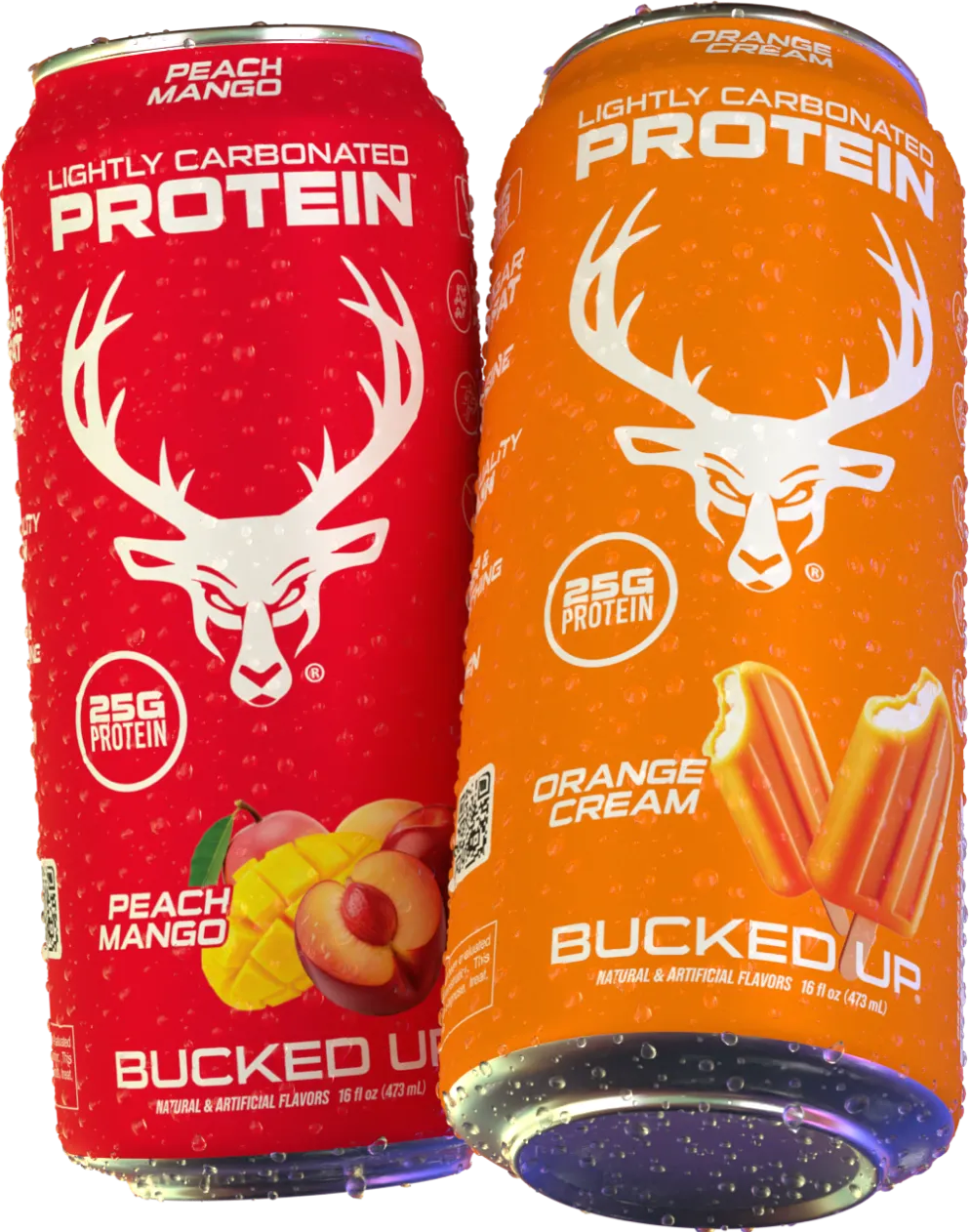
- Consider Bucked Up Protein Soda for 25g whey isolate in a refreshing, zero-sugar, nausea-friendly format that can help you reach your daily protein goal.1
The Problem: Protein Gaps on GLP-1 Medications
GLP-1 receptor agonists can create a perfect storm for muscle loss. In the STEP 1 trial for semaglutide, approximately 35% of total weight lost was lean mass. Many adults on GLP-1 medications need higher protein than the standard recommendation to protect muscle, yet actual intake often falls short of these targets, creating a significant protein deficit.
This deficit accelerates sarcopenia, which is the loss of muscle mass that contributes to fatigue, slowed metabolism, and reduced strength. Research from the SURMOUNT-1 trial suggests around 25% of total weight lost on GLP-1 therapy comes from lean muscle mass. The standard protein recommendation of 0.8 g per lb of body weight often becomes inadequate when appetite suppression makes every bite count.
5-Step Plan to Get Enough Protein on GLP-1
Hitting your protein goals on GLP-1 medications works best with a clear, step-by-step plan you can repeat daily.
1. Target 20-30g per sitting: Distribute protein as 20-30 grams of high-quality protein per meal across 3 meals plus 1-2 snacks. This range supports muscle protein synthesis at each eating occasion and makes your total daily target more manageable.
2. Prioritize liquids first: Since reaching those 20-30g targets can feel tough with reduced appetite and slower gastric emptying, liquid protein sources like smoothies and protein drinks are often better tolerated. Liquids usually feel lighter, go down easier, and can be sipped slowly when solid food feels unappealing.
3. Eat small, frequent meals: To reach your daily total without overwhelming your appetite, aim for small, frequent protein-focused meals and snacks throughout the day rather than three large meals. This pattern spreads your protein intake and can feel gentler on your stomach.
4. Track intake consistently: When portions shrink, it becomes easy to underestimate protein. Use apps or a simple log to monitor your daily totals and make sure you reach the recommended target mentioned earlier. Tracking helps you spot gaps quickly and adjust with an extra shake or snack.
5. Manage nausea with timing and pacing: Nausea can make even liquids difficult. Sip chilled protein drinks slowly and time them around your medication schedule to find your personal “easier” windows. This approach lets you keep protein coming in, even on rougher days.
For the question “How Many Protein Shakes a Day on GLP-1,” research supports 2-4 protein servings daily through protein pacing, which means consuming 25-40g protein every 3-4 hours. This pattern supports muscle retention and keeps you closer to your daily goal.
Liquid Protein Options That Work Well on GLP-1
Liquid proteins often feel easier for GLP-1 users who struggle with solid foods. Helpful options include bone broth with about 8-10g protein per serving, Greek yogurt drinks with about 15-20g, and ready-to-drink protein beverages that you can keep on hand.
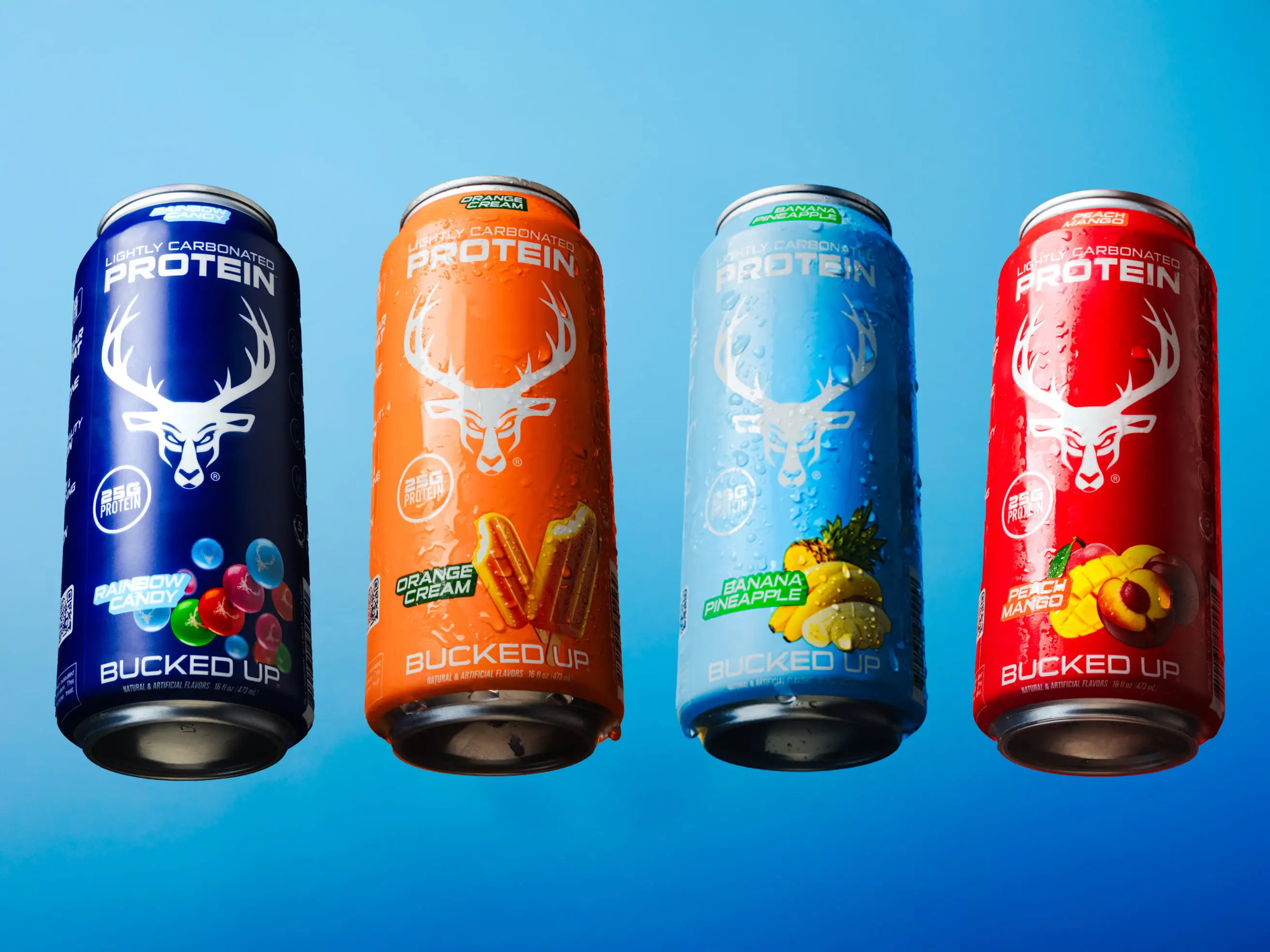
Bucked Up Protein Soda provides 25g of whey protein isolate in a refreshing, carbonated format.1 Whey protein isolate provides approximately 2.5-3.0g leucine per serving, meeting the research-suggested threshold to trigger muscle protein synthesis.1 The clear, non-milky texture can feel lighter and may reduce the heaviness that often triggers nausea in GLP-1 users.1
| Product | Protein Type | Texture/Calories | Source |
|---|---|---|---|
| Bucked Up Protein Soda | Whey Isolate (25g) | Clear, carbonated/100cal | Company specs |
| Premier Protein | Whey Protein | Milky/160cal | Product label |
| Fairlife | Milk Protein | Thick/150 calories per 340 mL serving | Product label |
The carbonated format can offer advantages for GLP-1 users who experience nausea, and the 100-calorie count fits more restrictive daily calorie targets.1
3-Day GLP-1 Meal Plan to Reach Protein Goals on Ozempic
This structured meal plan targets about 100-120g daily protein using liquid-first strategies. Use these three days as a template and rotate the combinations throughout your week.
| Day | Breakfast (g) | Lunch (g) | Snack (g) | Dinner (g) | Total (g) |
|---|---|---|---|---|---|
| 1 | Bucked Up + 2 eggs (35) | Greek yogurt + chicken (30) | Bucked Up (25) | Fish + vegetables (25) | 115 |
| 2 | Protein smoothie (30) | Bucked Up + turkey (35) | Cottage cheese (15) | Lean beef + salad (25) | 105 |
| 3 | Bucked Up + omelet (35) | Bone broth + tofu (25) | Bucked Up (25) | Salmon + quinoa (30) | 115 |
Each day uses 2-3 Bucked Up servings as liquid protein anchors, which helps keep intake consistent even when solid food tolerance changes.1 Shop now to stock up and build your weekly protein foundation.
Nausea-Friendly Timing Tips for GLP-1 Protein
Sip Bucked Up Protein Soda slowly over 15-20 minutes instead of drinking it quickly to reduce discomfort.1 Many people find evening consumption easier, since nausea often peaks 2-4 hours after injection.
Rotate flavors to avoid taste fatigue and consider pairing your drink with ginger or mint to help settle your stomach. UC Davis experts recommend smaller, nutrient-dense meals rich in high-quality protein as a practical approach for GLP-1 users.
Frequently Asked Questions About Protein and GLP-1
How many protein shakes should I have a day on GLP-1?
Most GLP-1 users do well with 2-4 protein servings daily, which provides about 50-100g of total protein. This pattern aligns with protein pacing research that shows better muscle retention when protein is spread every 3-4 hours throughout the day.
What is the difference between protein sodas and traditional shakes?
Bucked Up Protein Soda uses carbonated, clear whey isolate instead of the thick, milky texture of many conventional shakes. The light, refreshing format can reduce nausea triggers while still delivering a 25g protein dose in a form that may feel more tolerable for sensitive stomachs.1
Can I use protein soda daily while on GLP-1 medications?
Daily use can support consistent protein intake for many people.1 The zero-carb, zero-sugar formula fits ketogenic and low-carb approaches that some users follow alongside GLP-1 therapy. Always talk with your healthcare provider about dietary changes during medication use.
Does carbonation affect protein absorption?
Light carbonation does not appear to impair protein absorption and may improve tolerance for some nausea-prone GLP-1 users.1 The gentle effervescence can feel soothing for the stomach while still delivering essential amino acids that support muscle preservation.1
What does protein soda taste like?
Bucked Up Protein Soda tastes similar to many energy drinks, with a refreshing and light profile instead of a thick, chalky shake. The clear formulation removes the heavy mouthfeel that often triggers aversion in GLP-1 users who already feel full or queasy.1
Start Protecting Muscle on GLP-1 Medications
Protecting muscle while using GLP-1 medications depends on steady, intentional protein intake with a strong focus on liquids. Bucked Up Protein Soda provides 25g whey isolate in a nausea-friendly, carbonated format that can make daily protein goals more realistic.1
Shop now to support your muscle mass and stay on track with your weight loss plan. Always consult your healthcare provider before making significant dietary changes during GLP-1 therapy.
1 The content provided in this article is for informational purposes only and is not medical advice. Consult with a medical professional before implementing any changes to your diet, health, or exercise routines.
Individual results will vary and are based on a combination of each individual’s diet, exercise, age, and health circumstances.
These statements have not been evaluated by the Food and Drug Administration. This product is not intended to diagnose, treat, cure or prevent any disease.
This article was written by Ryan Gardner, CEO of Bucked Up. As the maker of Bucked Up Protein Soda, we have a financial interest in this information. The views expressed are our own and should be read with that context in mind.