Last updated: April 22, 2026
Key Takeaways for GLP-1-Friendly Protein Drinks
- GLP-1 medications like Ozempic reduce appetite and can cause nausea, so low-calorie, high-protein drinks (under 150 calories, 20g or more protein) help protect muscle.1
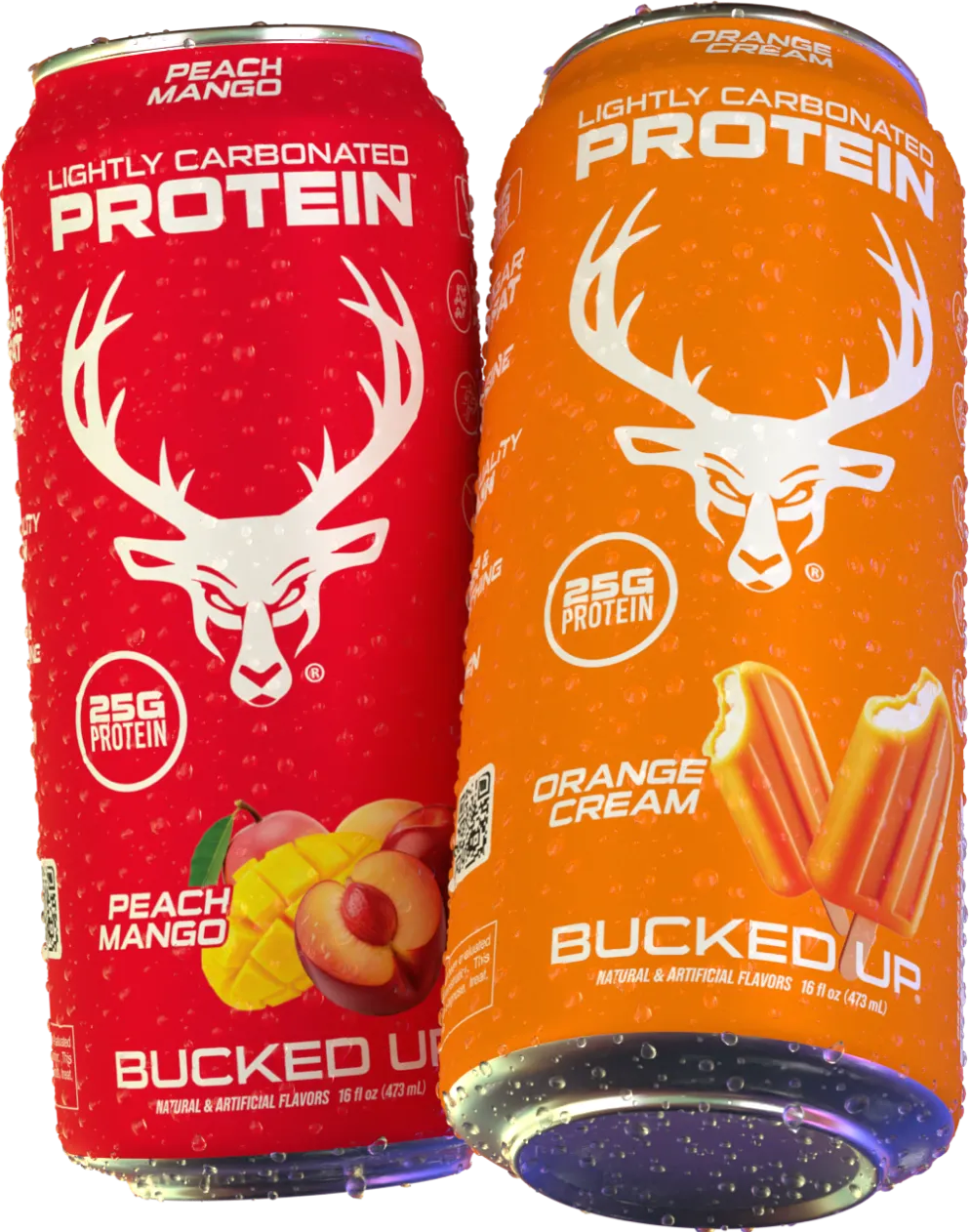
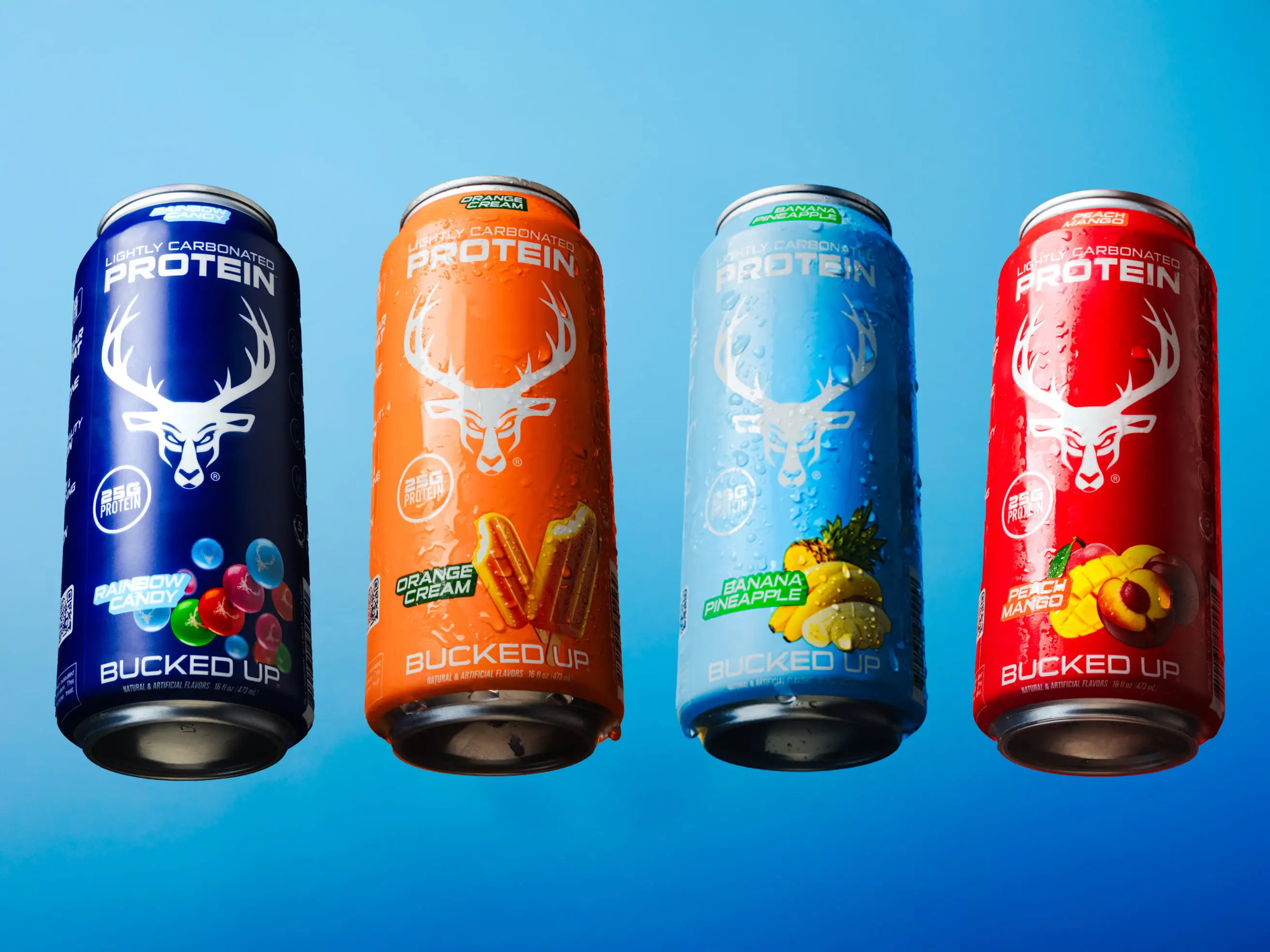
- Top ready-to-drink options include Bucked Up Protein Soda (100 calories, 25g whey isolate, carbonated), Vidafuel (90 calories, 16g blend), Protality (150 calories, 30g clear), Premier Protein, and Fairlife Core Power.
- Whey protein isolate often works well for Ozempic users because it digests faster, contains less fat and lactose, and can feel easier on digestion than concentrates or heavy dairy shakes.1
- Follow the “3-3-3 sipping rule”: drink 3 ounces every 3 hours over 3 days to build tolerance, and choose chilled, carbonated, zero-sugar options to help manage nausea while working toward your protein goals.1
- Bucked Up Protein Soda offers a light, carbonated way to reach your protein targets without the heaviness of traditional shakes.1
Why Protein Drinks Matter for Ozempic and Other GLP-1 Medications
GLP-1 medications significantly reduce appetite and can cause gastrointestinal side effects, so reaching daily protein needs often becomes difficult. The 2026 American Diabetes Association Standards recommend at least 0.8g protein per kg body weight daily as part of lifestyle management, while many experts suggest 1.2-1.6g per kg for people losing weight to help prevent muscle loss.1
Because GLP-1 medications can sharply reduce hunger, taking in large portions of protein at once often feels unrealistic. Smaller, more frequent protein drinks can bridge that gap.1 Protein drinks tend to work well for many GLP-1 users when they feature whey protein isolate, stay low in calories, and avoid heavy, dairy-forward textures.1
The “3-3-3 sipping rule” offers a simple structure: drink 3 ounces every 3 hours over 3 days. This gradual approach helps you build tolerance, support your protein intake, and avoid overwhelming a reduced appetite.1
The 5 Best Ready-to-Drink Protein Options for Ozempic Users in 2026
1. Bucked Up Protein Soda
Nutrition: 100 calories, 25g whey protein isolate, 0g sugar, 0g carbs (view full nutrition facts)
Ozempic Fit: The carbonation creates a light, refreshing experience that many people find easier to tolerate when they feel queasy.1 Whey protein isolate absorbs more quickly than concentrate because it contains less fat and lactose, which can make it a practical option for sensitive stomachs.1
Pros: Unique carbonated format, caffeine-free for any time of day, manufactured in USA GMP-certified facilities, energy drink style taste without stimulants.
Cons: Fewer flavors than many traditional shakes.
Sipping Tips: Serve well chilled and sip over 15 to 20 minutes. The carbonation can help with nausea while the isolate supports rapid protein delivery.1
2. Vidafuel
Nutrition: Vidafuel Wellness Protein: 90 calories per 2 oz (60 ml) serving, 16g total protein per 2 oz serving from collagen and whey protein isolate, liquid concentrate format.
Ozempic Fit: The small 2-ounce serving size can feel manageable when appetite is very low, although the lower protein content means you may need several servings to reach daily targets.1
Pros: Compact serving size, clear liquid format.
Cons: Lower protein per serving and a higher cost per gram of protein compared with some alternatives.
3. Protality
Nutrition: Protality: 150 calories per 11 fl oz serving, 30g high-quality protein, clear liquid.
Ozempic Fit: The clear formulation avoids a thick, milky texture, which can feel easier for some GLP-1 users who struggle with creamy drinks.1
Pros: Clear appearance and strong protein content per serving.
Cons: Limited availability and a higher price point in many locations.
4. Premier Protein
Nutrition: 160 calories, 30g protein blend (concentrate and isolate), traditional shake.
Ozempic Fit: The higher calorie content can feel like a lot when appetite is low, and the thicker, milky texture may worsen nausea for some people.1
Pros: High protein content, wide availability, and many flavor options.
Cons: Contains whey concentrate, which may cause digestive issues for some, and the creamy texture can trigger queasiness.
5. Fairlife Core Power
Nutrition: Fairlife Core Power: 170 calories, 26g milk protein, ultrafiltered.
Ozempic Fit: Dairy-based ready-to-drink protein shakes have become more common, and many people enjoy the taste. The dairy base, however, may not work well for every GLP-1 user, especially those with lactose sensitivity.1
Pros: High-quality milk protein and good availability in many stores.
Cons: Dairy-based formula may cause digestive issues for people who are sensitive to lactose or richer textures.
4 Simple DIY Protein Drink Recipes
Almond Milk Protein Blend
Recipe: 1 cup unsweetened almond milk + 1 scoop whey isolate powder.
Approximate Nutrition: About 120 calories and 25g protein, depending on the powder you use.
Greek Yogurt Dilute
Recipe: ½ cup plain Greek yogurt + ½ cup water + stevia or another preferred sweetener.
Approximate Nutrition: About 100 calories and 15g protein.
Collagen Fizz
Recipe: 1 cup sparkling water + 1 scoop collagen peptides.
Approximate Nutrition: About 80 calories and 20g protein.
Fruit Sparkler
Recipe: ½ cup sparkling water + ¼ cup protein powder + frozen berries.
Approximate Nutrition: About 110 calories and 20g protein.
The comparison below highlights how four leading ready-to-drink options stack up on protein, calories, protein type, and carbonation, which can all matter for GLP-1 users managing nausea and low appetite.
| Product | Protein (g) | Calories | Type | Carbonated |
|---|---|---|---|---|
| Bucked Up Protein Soda | 25 | 100 | Whey Isolate | Yes |
| Vidafuel | 16 | 90 | Protein Blend | No |
| Protality | 30 | 150 | High-Quality Protein | No |
| Premier Protein | 30 | 160 | Whey Blend | No |
Explore Bucked Up Protein Soda to see how a carbonated protein drink can fit into your daily nutrition routine.
Ozempic-Specific Tips for Drinking Protein
Managing protein intake while on GLP-1 medications works best with strategies that reduce digestive discomfort. Temperature and drinking speed both matter, so keep drinks chilled and sip over 15 to 20 minutes instead of finishing them quickly. This slower pace gives your stomach more time to handle the protein.
If nausea continues, adding fresh ginger can offer extra relief, and some people find room temperature drinks gentler than very cold ones. Timing also plays a role. Many GLP-1 users tolerate protein drinks better in the mid-morning and afternoon than right after waking up or close to bedtime, when nausea can feel stronger.
Spreading 2 to 3 protein servings across the day can help you reach 50 to 75g of total protein.1 This pattern supports the recommendation that GLP-1 users prioritize protein to maintain nutrient intake and protect muscle. Bucked Up Protein Soda offers flexibility here, because the carbonation and caffeine-free formula work at almost any time of day, and the light texture tends to feel less heavy on sensitive stomachs.1
How to Choose and Evaluate Protein Drinks for GLP-1 Use
When you evaluate protein drinks for Ozempic or other GLP-1 medications, start with the basics: aim for under 150 calories and at least 20g of protein per serving. As mentioned earlier, whey protein isolate’s faster digestion can make it a practical choice for people with sensitive digestion.1
Next, focus on how the drink feels in your stomach. Non-milky or clear formulations and zero-sugar options often sit more comfortably and may reduce bloating or queasiness. Check labels for artificial additives or sugar alcohols that might worsen nausea.
Test a small amount first to see how your body responds. If that goes well, consider carbonated options like Bucked Up that can help settle stomach discomfort while still delivering meaningful protein in a lighter format.1
Frequently Asked Questions
What premade protein shake can work well for Ozempic-related nausea?
Bucked Up Protein Soda can stand out for nausea management because of its carbonated format.1 The light fizz may help settle stomach discomfort while delivering 25g of whey protein isolate in just 100 calories.1 Compared with traditional milky shakes that can feel heavy and sometimes worsen nausea, the clear, effervescent formula offers a more refreshing alternative.1
Are protein shakes safe to drink while on GLP-1 medications?
Protein shakes are generally safe and often helpful for GLP-1 users when chosen carefully.1 Focus on whey protein isolate-based options under 150 calories so you can meet protein needs without overwhelming a reduced appetite. Light, easily digestible formulations usually work better than thick, creamy shakes that may trigger nausea or digestive discomfort.1
Why choose whey isolate over concentrate for Ozempic users?
As mentioned above, whey protein isolate’s lower fat and lactose content supports faster digestion, which can benefit GLP-1 users with sensitive stomachs.1 This difference helps explain why many people on these medications gravitate toward isolate-based drinks.
Are there keto-friendly protein drinks for Ozempic users?
Bucked Up Protein Soda is keto-friendly with zero carbs and zero sugar, so it fits ketogenic diets while you use GLP-1 medications. Many traditional protein shakes contain added sugars or higher carbohydrate levels that can interfere with ketosis, while Bucked Up focuses on delivering protein without shifting your macronutrient balance.
Can I drink protein shakes daily while on Ozempic?
Daily protein shakes often make sense for GLP-1 users who struggle to meet protein needs through food alone. With reduced appetite, protein drinks can become a practical tool for helping prevent muscle loss during weight management.1 Always check with your healthcare provider about your specific nutrition plan and any questions about how supplements fit with your medication regimen.
Bucked Up Protein Soda represents a fresh approach to low calorie, easy protein drinks for people using Ozempic and other GLP-1 medications. With 25g of whey protein isolate, zero sugar, and a refreshing carbonated format, it addresses several common challenges GLP-1 users face when trying to maintain adequate protein intake.1 Try Bucked Up Protein Soda today to see how this carbonated protein option can support your nutrition routine and long-term health goals.
1 The content provided in this article is for informational purposes only and is not medical advice. Consult with a medical professional before implementing any changes to your diet, health, or exercise routines.
Individual results will vary and are based on a combination of each individual’s diet, exercise, age, and health circumstances.
These statements have not been evaluated by the Food and Drug Administration. This product is not intended to diagnose, treat, cure or prevent any disease.
This article was written by Ryan Gardner, CEO of Bucked Up. As the maker of Bucked Up Protein Soda, we have a financial interest in this information. The views expressed are our own and should be read with that context in mind.