Last updated: April 22, 2026
Key Takeaways for GLP-1 Protein Support
- GLP-1 medications like Ozempic often cause around 20% muscle loss during weight reduction, so most users need 80-120g protein daily to protect lean mass.1
- Clear, lightly carbonated drinks with whey isolate often sit easier on the stomach than heavy, milky shakes for GLP-1 users.1
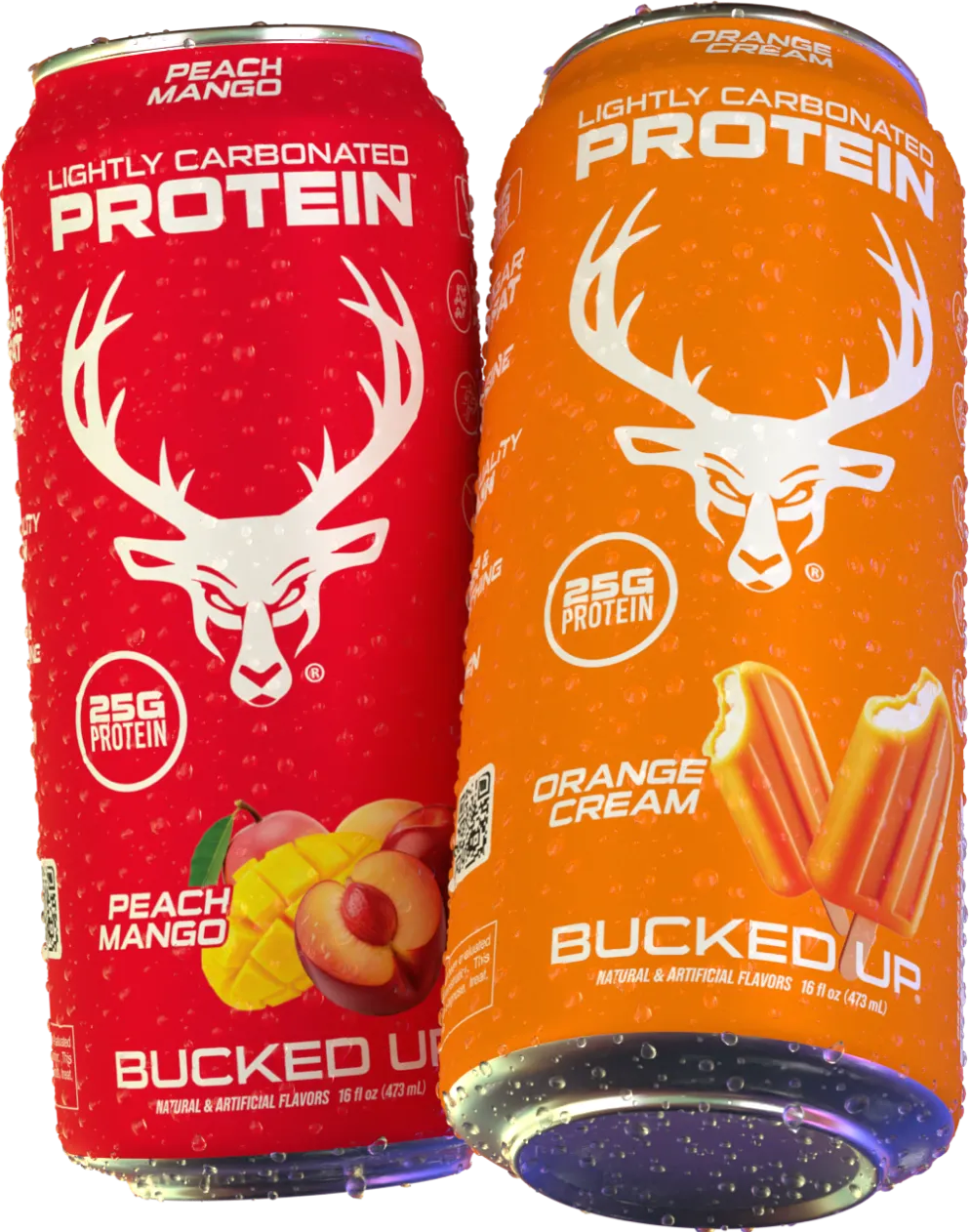
- Effective high-protein drinks typically provide at least 20g protein, under 150 calories, and under 5g sugar. Bucked Up Protein Soda fits this profile with 25g protein, 100 calories, and 0g sugar.
- Lightly carbonated, lactose-free whey isolate formats can reduce gastric distress compared with thicker, dairy-heavy alternatives.1
- Choose Bucked Up’s nausea-friendly protein soda for a refreshing option tailored to help GLP-1 users hit daily protein goals more comfortably.1
Why GLP-1 Users Need High-Protein Drinks for Muscle Protection
GLP-1 medications slow gastric emptying and reduce appetite, which makes meeting protein needs more difficult. Journal of the Endocrine Society research (2024) found that GLP-1 users consuming 1.6g protein per kg body weight during a calorie deficit experienced less fat-free mass loss.1 For someone between 150 and 200 lbs, that equals roughly 110-160g protein per day.
Whey protein isolate deserves attention because it absorbs more efficiently than concentrate or collagen proteins.1 Animal-based whey protein dominated the source segment of the global protein drink market in 2025, driven by its status as a complete protein that digests and absorbs quickly.1 This rapid absorption can help GLP-1 users who struggle with nausea, since protein smoothies are often easier to tolerate than solid foods.1
The table below compares the macronutrient profiles of several leading protein drinks. It highlights how protein, calories, and sugar content differ, which matters for GLP-1 users managing appetite suppression and tight calorie budgets.
| Product | Protein (g) | Calories | Sugar (g) |
|---|---|---|---|
| Bucked Up Protein Soda | 25 | 100 | 0 |
| Premier Protein | 30 | 160 | 1-2 |
| Fairlife Core Power | 26-42 | 170-230 | 5 |
| Muscle Milk | 25 | 160 | 0 |
With these nutritional benchmarks in mind, you can now see how specific products stack up for GLP-1 users who need high protein with minimal calories and sugar.
High-Protein Drinks for GLP-1 Users in 2026
1. Bucked Up Protein Soda
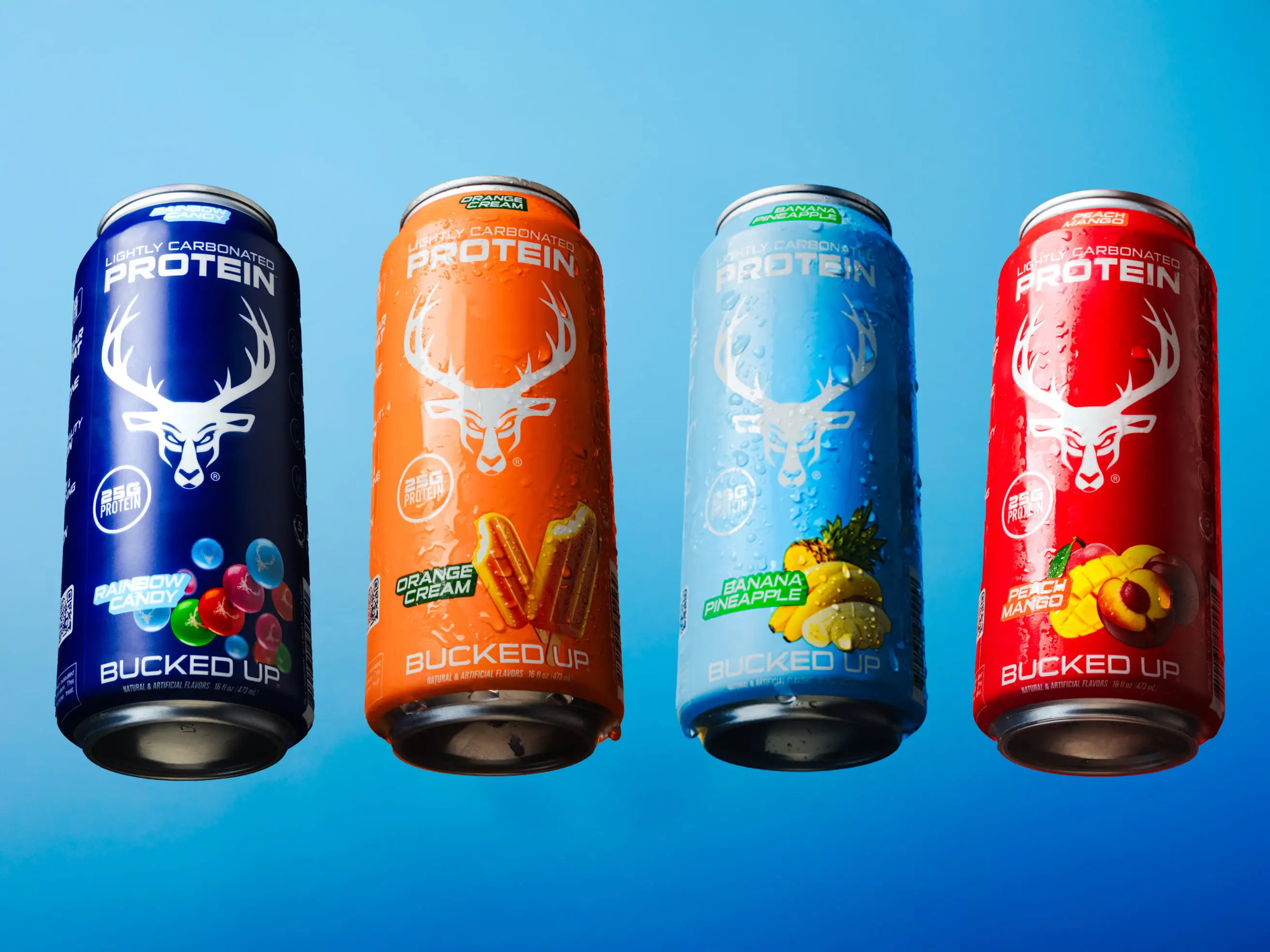
Bucked Up Protein Soda can stand out for GLP-1 users who want a nausea-friendly protein drink that feels light. This clear, carbonated beverage delivers 25g of whey protein isolate in 100 calories with zero sugar and zero carbs. The lightly carbonated format mimics an energy drink experience without caffeine, which can feel more approachable than a thick shake.
The whey protein isolate formulation supplies a complete amino acid profile that supports muscle preservation.1 The drink is lactose-free and gluten-free and is manufactured in GMP-certified USA facilities. Customer feedback highlights taste and texture: “The protein sodas far exceeded my expectations. They taste similar to an energy drink and don’t have any weird aftertaste like some other clear whey protein drinks do.” This energy drink-like experience helps address a common GLP-1 challenge, since many users struggle with heavy or medicinal-tasting shakes when appetite is already low.
For GLP-1 users who dislike traditional shake textures, Bucked Up offers tropical flavors in a refreshing format that many find easier to sip without triggering nausea.1 Try Bucked Up’s carbonated protein innovation to see how a lighter format can change your daily protein routine.
2. Premier Protein RTD Shakes
Premier Protein provides 30g protein per 160-calorie serving with no added sugar. The thick, milky texture may trigger nausea in sensitive GLP-1 users, especially when gastric emptying is delayed. It remains widely available at retailers such as Walmart, Costco, and Amazon.
3. Fairlife Core Power
Fairlife’s ultrafiltered milk protein delivers 26-42g protein depending on the variety. The dairy-based formula offers high protein density but contains 5g total sugars per 14 oz serving and keeps a creamy texture that can challenge GLP-1 users with gastric sensitivity.
4. Muscle Milk
Muscle Milk RTD provides 25g protein and contains zero sugar. It uses a blend of protein sources rather than pure isolate, which may not appeal to users who prioritize isolate-based formulas.
5. Boost High Protein
Boost offers 20g protein with added vitamins and minerals. It has 11g sugar and a milk-based formula that may worsen nausea symptoms for some GLP-1 users.
6. Vidafuel Protein Shots
Vidafuel Protein Shots deliver 20g protein in concentrated 2.5 oz servings. The syrup-like consistency and stronger artificial flavor profile may not suit users who prefer crisp, refreshing drinks.
7. Orgain Protein Shakes
Orgain Protein Shakes provide 30g protein and use blends that include pea and rice proteins. The earthy flavor and thicker texture can feel challenging for GLP-1 users who already struggle with fullness.
8. Atkins Protein Shakes
Atkins offers protein shakes with 1g sugar in a keto-friendly formula. The milk protein concentrate base creates a heavier mouthfeel compared with isolate-focused options.
9. Protality Protein Water
Protality delivers protein in a clear, flavored water format. The protein content is lower than several alternatives, which matters for GLP-1 users who want higher protein per serving.
Understanding why some of these products feel easier on the stomach than others requires a closer look at how GLP-1 side effects interact with drink texture, protein source, and carbonation level.
GLP-1 Tolerance Guide: Light vs. Heavy Protein Shakes
GLP-1 medications can make protein intake difficult because they slow gastric emptying and often cause nausea. Guidance for GLP-1 users with nausea recommends avoiding heavily carbonated beverages, alcohol, caffeine, fried foods, spicy foods, high-fat foods, and strong odors, and instead choosing cold, bland, low-odor options. Lightly carbonated clear protein drinks like Bucked Up differ from standard sodas because they use gentler carbonation and a leaner formula.
Cold or room-temperature foods and beverages often help GLP-1 users avoid nausea triggers. Clear, isolate-based drinks usually feel lighter than concentrate-based, milky shakes, which can sit heavily in the stomach and increase discomfort.
Answering Top Questions About Protein Drinks and GLP-1
What is a strong protein shake option for GLP-1 users?
Bucked Up Protein Soda offers the high protein density and zero-sugar profile described earlier, along with a light carbonated format that avoids the heaviness of many shakes. The clear, energy drink-like taste profile can feel more palatable for users dealing with appetite suppression.
Can you drink protein shakes while taking GLP-1 medications?
Protein shakes are generally safe and helpful for GLP-1 users when chosen and consumed thoughtfully. Fella Health recommends sipping fluids slowly and frequently rather than taking in large volumes at once to reduce nausea. Light, isolate-based drinks usually work better than heavy, concentrate-based shakes.
What’s the best protein drink for tirzepatide users?
Tirzepatide users often do well with easily digestible protein sources such as whey isolate in lighter formats. Bucked Up Protein Soda, Fairlife Core Power, and Vidafuel shots each offer different approaches, although clear, carbonated options can cause less gastric distress than creamy alternatives for many people.
US Buying Guide & Availability for GLP-1-Friendly Drinks
Pricing and availability vary across protein drink brands, which affects convenience and long-term affordability for GLP-1 users who need daily protein support. The table below outlines typical price ranges and where to find each option.
| Product | Price Range | Primary Retailers |
|---|---|---|
| Bucked Up Protein Soda | $3.99-$5.79 per single can | Amazon, Direct |
| Premier Protein | Varies by retailer | Walmart, Costco, Amazon |
| Fairlife Core Power | $46.99 for 12-pack | Target, Walmart, Amazon |
| Muscle Milk | $2-$4 | CVS, Walmart, Amazon |
For convenient access to a clear, high-protein drink tailored to GLP-1 needs, you can order Bucked Up Protein Soda for direct delivery.
GLP-1 medications call for intentional protein supplementation to help limit muscle loss during weight reduction. Bucked Up Protein Soda provides the nutritional profile and lighter texture many GLP-1 users look for in a daily drink. Explore Bucked Up Protein Soda to experience a modern approach to protein support for weight management.
Frequently Asked Questions
How much protein do GLP-1 users need daily to prevent muscle loss?
GLP-1 users should generally aim for 80-120g protein per day, spread across 4-5 eating occasions with 20-35g per meal or snack. This higher intake helps counter the muscle loss risk that can accompany rapid weight reduction on GLP-1 medications. Whey protein isolate supports this goal with a complete amino acid profile and efficient absorption.1
Why do traditional protein shakes cause nausea for GLP-1 users?
GLP-1 medications slow gastric emptying, so food and drinks stay in the stomach longer. Heavy, creamy shakes that contain milk proteins, fats, and thickeners can feel overwhelming and trigger nausea. Dense, high-volume drinks also increase fullness, which can feel uncomfortable. Clear, lighter formulations such as carbonated protein drinks usually move through the digestive system more easily and cause less distress.
What makes whey protein isolate better than other protein sources for GLP-1 users?
Whey protein isolate goes through extra processing to remove most lactose, fats, and carbohydrates, which creates a purer protein that absorbs faster than whey concentrate.1 This faster uptake helps GLP-1 users who have limited eating windows because of appetite suppression.1 Isolate also supplies all essential amino acids needed for muscle protein synthesis, unlike collagen, which lacks some key amino acids.1 Shorter stomach time can also reduce nausea risk.1
Can carbonated protein drinks worsen GLP-1 side effects?
Light carbonation in clear protein drinks differs from the heavy carbonation found in many sodas. Some guidance suggests avoiding carbonation, yet lightly carbonated clear protein beverages like Bucked Up Protein Soda use modest carbonation that can improve taste without creating excessive gas or bloating. The light, clear formulation matters more than carbonation alone, since heavy, creamy bases tend to aggravate gastric sensitivity. Many users report that gentle carbonation feels more refreshing than flat, thick shakes.
When is the best time to consume protein drinks while on GLP-1 medications?
Most GLP-1 users do well sipping protein drinks slowly throughout the day instead of taking in large amounts at once. Try spacing protein at least 30-60 minutes before or after meals to avoid uncomfortable fullness. Many people prefer protein drinks as mid-morning or afternoon snacks when appetite suppression feels less intense. Aim to drink each 20-35g protein serving over 15-20 minutes to support absorption and reduce gastric distress.
1 The content provided in this article is for informational purposes only and is not medical advice. Consult with a medical professional before implementing any changes to your diet, health, or exercise routines.
Individual results will vary and are based on a combination of each individual’s diet, exercise, age, and health circumstances.
These statements have not been evaluated by the Food and Drug Administration. This product is not intended to diagnose, treat, cure or prevent any disease.
This article was written by Ryan Gardner, CEO of Bucked Up. As the maker of Bucked Up Protein Soda, we have a financial interest in this information. The views expressed are our own and should be read with that context in mind.