Last updated: April 22, 2026
Key Takeaways
- Protein shakes absorb in about 1–2 hours, while whole foods take 3–5 hours, so shakes work well for immediate post-workout recovery.1
- Total daily protein and how you spread it across meals matter more than strict timing, since muscle protein synthesis stays elevated for up to two days after training.
- Whey protein isolate offers high bioavailability at roughly 90–95% protein, and 20–40g servings can maximally stimulate muscle protein synthesis in many young adults.1
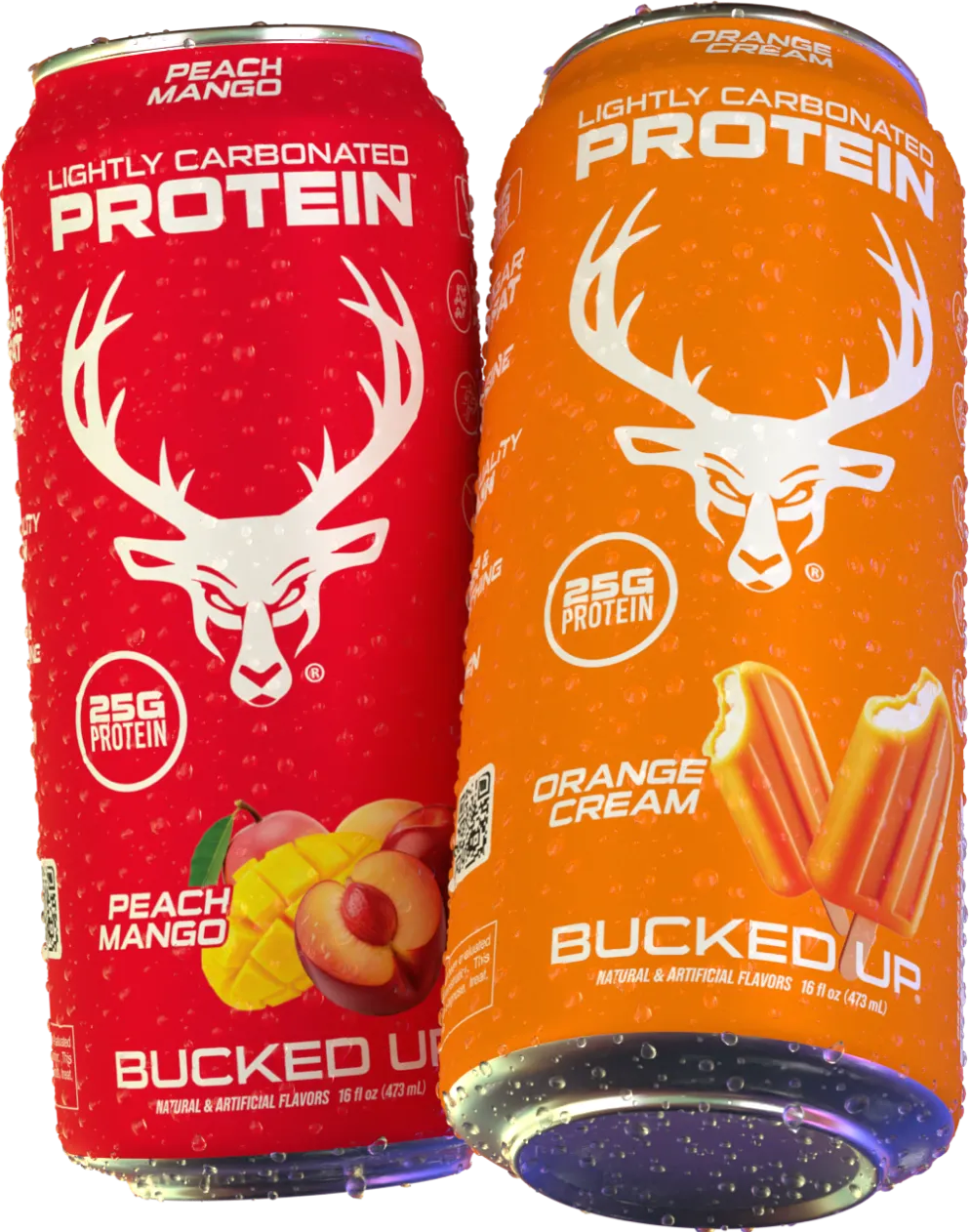
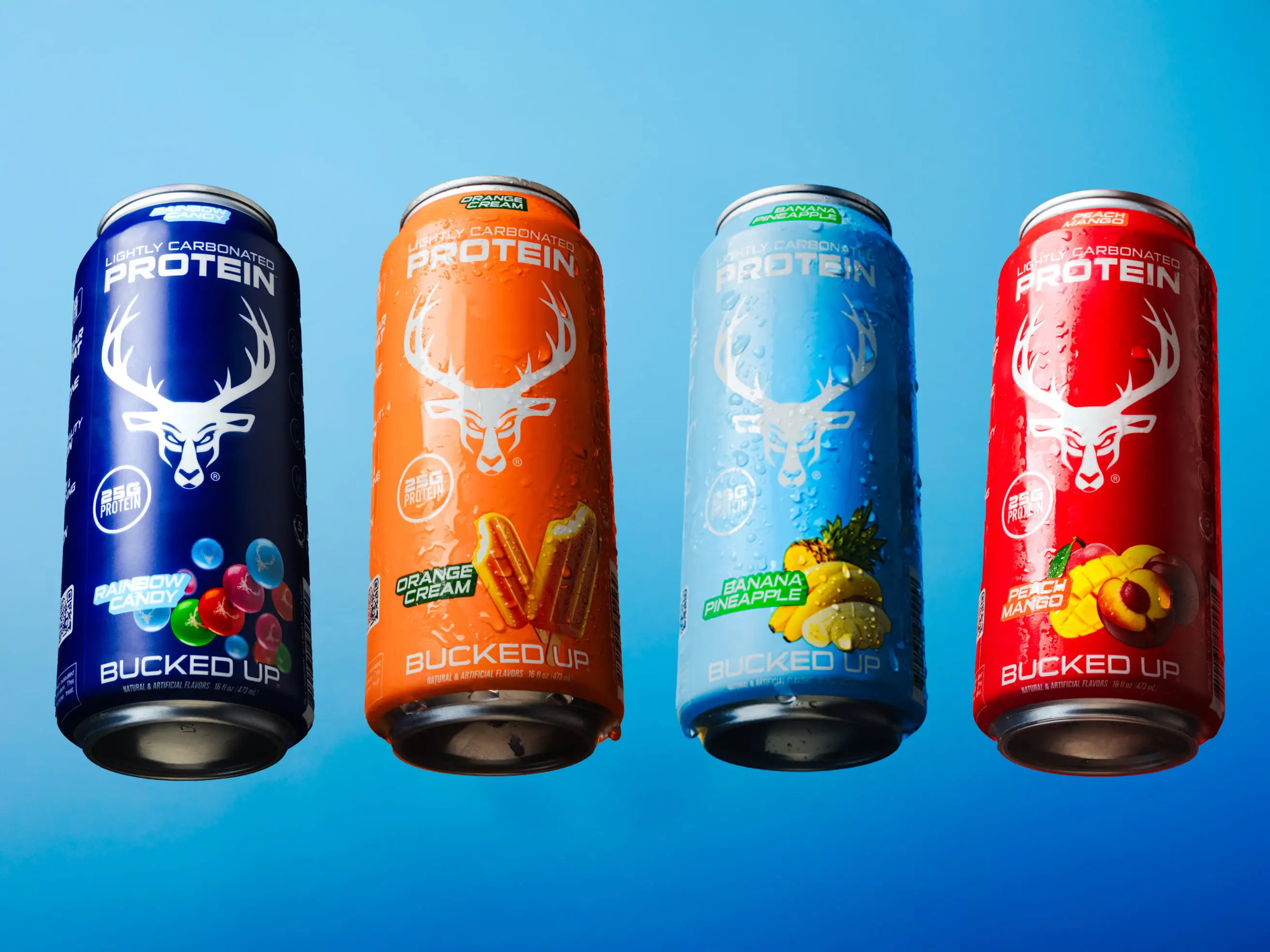
- Bucked Up Protein Soda combines 25g whey isolate with 100 calories, a clear carbonated format, and no added sugar or carbs for a lighter alternative to traditional shakes or meals.
- Upgrade your post-workout routine with Bucked Up Protein Soda for fast protein delivery, easy portability, and a smoother drinking experience.1
Protein Shake vs Whole Food After Workout: Pros and Cons Comparison
| Category | Protein Shakes/RTD | Whole Foods | Considerations |
|---|---|---|---|
| Protein Content | 20–30g whey isolate (90–95% protein) | Variable 20–40g, mixed amino acid profiles | Evaluate based on leucine content |
| Absorption Speed | 1–2 hours (about 8–10g per hour) | 3–5 hours for complete digestion | Prioritize speed for immediate needs |
| Calories | 100–150 (isolate-based products) | 200–400+ with accompanying fats and carbs | Match intake to your calorie targets |
| Preparation Time | 0–2 minutes (RTD format) | 10+ minutes cooking or preparation | Weigh convenience against meal experience |
| Micronutrients | Primarily focused on protein delivery | Vitamins, minerals, and fiber | Balance with overall daily nutrient needs |
| Satiety Duration | About 1–2 hours | Roughly 3–4 hours of sustained fullness | Align with your typical hunger patterns |
Protein Shake Advantages: Rapid amino acid delivery, precise dosing, relatively low calories, almost no preparation, and consistent leucine content that supports muscle protein synthesis.1
Whole Food Advantages: Broader nutrient profiles, longer-lasting fullness, fiber content, and naturally occurring vitamin and mineral combinations that support overall health.
Your ideal choice depends on timing and goals. Consuming protein within 1–2 hours after a workout can support recovery but is not critical if you consistently meet daily protein needs.1 For immediate post-exercise support, shakes offer faster amino acid availability.1 Whole foods work better for sustained nutrition and satiety a few hours after training.
The Science Behind Post-Workout Protein Absorption and Timing
The old idea of a strict 30-minute anabolic window no longer matches current research. A 2013 meta-analysis by Aragon and Schoenfeld and the 2017 ISSN position paper suggest the anabolic window can extend 2–4 hours or more after exercise. Muscle protein synthesis can stay elevated for up to 24–48 hours after training, which gives you a wide timeframe to hit your protein targets.
Total daily protein intake and how you distribute that protein across the day drive most muscle adaptation, not a single post-workout serving. At the same time, whey protein isolate absorbs quickly and can raise amino acid levels within about 30–60 minutes. This rapid rise can help limit muscle protein breakdown right after training.1
Many young adults can maximally stimulate muscle protein synthesis with 20–40 grams of high-quality protein after exercise. Bucked Up Protein Soda supplies a 25g serving of whey isolate, which supports effective amino acid delivery without extra calories or time spent mixing a shake.1
These timing principles help you match your protein format to your real life. Once you understand how long muscle protein synthesis stays elevated, you can choose between a fast, light option or a full meal based on your schedule and appetite.
Best Protein Choices for Different Lifestyles and Goals
Gym-Goers and Athletes: Bucked Up Protein Soda offers a fast-absorbing 25g whey isolate serving that supports muscle protein synthesis soon after training.1 The clear, carbonated format feels more like a refreshing drink than a heavy shake while still helping you meet leucine needs for recovery.1
Busy Professionals and Parents: Ready-to-drink cans remove the need for blenders, shakers, or cleanup. At 100 calories with no added sugar or carbs, Bucked Up can fit into calorie-conscious routines without complicated meal prep.
GLP-1 Medication Users: Experts often recommend 1.0–1.6 grams of protein per kilogram of ideal body weight each day for GLP-1 users to help preserve muscle. Because these medications can suppress appetite, liquid protein can make it easier to reach those targets and reduce the risk of sarcopenia.1 Pairing adequate protein with resistance training two or three times per week signals your body to maintain muscle tissue.
Customer feedback reflects these real-world benefits: “Tastes like an energy drink without caffeine. I hit my 130g daily protein target easily without the chalky texture of traditional shakes.”
How Bucked Up Protein Soda Compares to Traditional Shakes and Whole Foods
Bucked Up Protein Soda offers a hybrid approach that combines whey isolate purity with a light, carbonated experience. Whey protein isolate typically reaches 90% or higher protein content and can absorb more efficiently than many concentrate blends.
| Product | Protein Type | Calories | Texture |
|---|---|---|---|
| Bucked Up Protein Soda | 100% Whey Isolate | 100 | Clear, carbonated |
| Premier Protein | Whey concentrate blend | 160 | Milky, thick |
| Muscle Milk Light Vanilla Latte Ready-To-Drink Protein Nutrition Shake | Protein blend with collagen | 160 | Creamy, heavy |
The clear, carbonated format avoids the heavy, milky texture that can feel uncomfortable for some people. The low-carb, zero-sugar formulation can support ketogenic and low-carb lifestyles while still supplying a complete amino acid profile for recovery.1 Explore this carbonated protein option if you want post-workout support without the usual shake heaviness.
Simple Post-Workout Protein Strategies You Can Use Today
Effective post-workout nutrition combines a quick protein source with a more substantial meal later. Drink Bucked Up Protein Soda within about 1–2 hours after training to support rapid amino acid delivery.1 Then follow it with a balanced meal that includes whole food protein 2–3 hours later for longer-lasting nutrition and fullness.
Consuming 20–40 grams of protein every 3–4 hours across the day can help maximize muscle protein synthesis for hypertrophy-focused goals. This approach uses the speed of whey isolate when you need it while still relying on a variety of protein sources to cover your broader nutrition needs.
Frequently Asked Questions
What is the difference between whey isolate and concentrate?
Whey protein isolate goes through extra filtration that removes more lactose, fat, and carbohydrates, which raises protein content to about 90–95% compared with roughly 70–80% in many concentrates. Isolate usually absorbs faster and can feel easier on digestion for people sensitive to lactose. Bucked Up uses 100% whey isolate to focus on purity and absorption speed.1
Is daily protein soda consumption safe for GLP-1 users?
Yes. Liquid protein can help preserve muscle mass during GLP-1-related weight loss.1 Medical sources often suggest 1.0–1.6 grams of protein per kilogram of ideal body weight each day for GLP-1 users. Bucked Up’s 25g serving can contribute to those targets when appetite suppression makes solid food harder to eat. Always speak with your healthcare provider for guidance tailored to your situation.
Does Bucked Up Protein Soda taste like traditional protein shakes?
No. Bucked Up has a crisp, energy drink–style taste instead of a thick, milky shake texture. The carbonated format offers a refreshing way to hydrate while still delivering a complete amino acid profile for muscle recovery.1
Is Bucked Up Protein Soda keto-friendly?
Yes. As mentioned earlier, the zero-carb formulation fits ketogenic macro guidelines while still providing high-quality protein to support muscle maintenance during fat adaptation.1
Should I choose a protein shake or whole food meal after workouts?
Each option serves a different role. Protein shakes support fast amino acid delivery and early muscle protein synthesis after training.1 Whole food meals provide longer-lasting nutrition, more micronutrients, and greater satiety. Many people benefit from a shake or RTD drink soon after exercise followed by a complete meal 2–3 hours later.
Conclusion
Protein shakes can offer clear advantages over whole foods for immediate post-workout recovery because of their absorption speed and convenience.1 Bucked Up Protein Soda can stand out by pairing 100% whey isolate with a light, carbonated format and a low-calorie profile. Try Bucked Up Protein Soda for a different kind of post-workout protein experience that avoids many common shake drawbacks.
1 The content provided in this article is for informational purposes only and is not medical advice. Consult with a medical professional before implementing any changes to your diet, health, or exercise routines.
Individual results will vary and are based on a combination of each individual’s diet, exercise, age, and health circumstances.
These statements have not been evaluated by the Food and Drug Administration. This product is not intended to diagnose, treat, cure or prevent any disease.
This article was written by Ryan Gardner, CEO of Bucked Up. As the maker of Bucked Up Protein Soda, we have a financial interest in this information. The views expressed are our own and should be read with that context in mind.