Last updated: April 22, 2026
Key Takeaways
- Protein shakes deliver fast-absorbing protein but usually lack the fiber, vitamins, minerals, and phytonutrients found in whole food meals.
- Whey protein isolate in shakes like Bucked Up can provide rapid amino acid delivery that supports post-workout recovery and muscle preservation.1
- Whole foods typically support greater fullness and more balanced nutrition, which makes them a stronger foundation for long-term health than frequent shake reliance.
- Using shakes strategically can support busy schedules, calorie control, and GLP-1 users who want to protect muscle while appetite is reduced.1
- Smart protein strategies combine whole food meals with targeted supplementation, focusing on complete amino acid profiles and minimal added sugars.
Protein Shake vs Real Food Meal: How the Nutrients Compare
Whole food meals usually provide a broader range of nutrients and better fullness than traditional protein shakes. A 6-ounce portion of salmon or Greek yogurt can support higher satiety through volume and texture, help weight management through natural appetite regulation, and deliver omega-3 fatty acids, B vitamins, selenium, calcium, and other micronutrients.
The table below compares typical protein sources on protein quality, calories, micronutrients, and absorption speed. It highlights how whole meals favor fullness and nutrient density, while isolates and ready-to-drink options favor convenience and faster digestion.
| Source | Protein Quality | Calories | Fiber/Micronutrients | Absorption Rate |
|---|---|---|---|---|
| Chicken Salad (6 oz) | Complete amino profile | 300-400 | High fiber, vitamins A/C/K | 2-4 hours |
| Traditional RTD Shake | Whey concentrate blend | 160-200 | Minimal fiber, added vitamins | 1-2 hours |
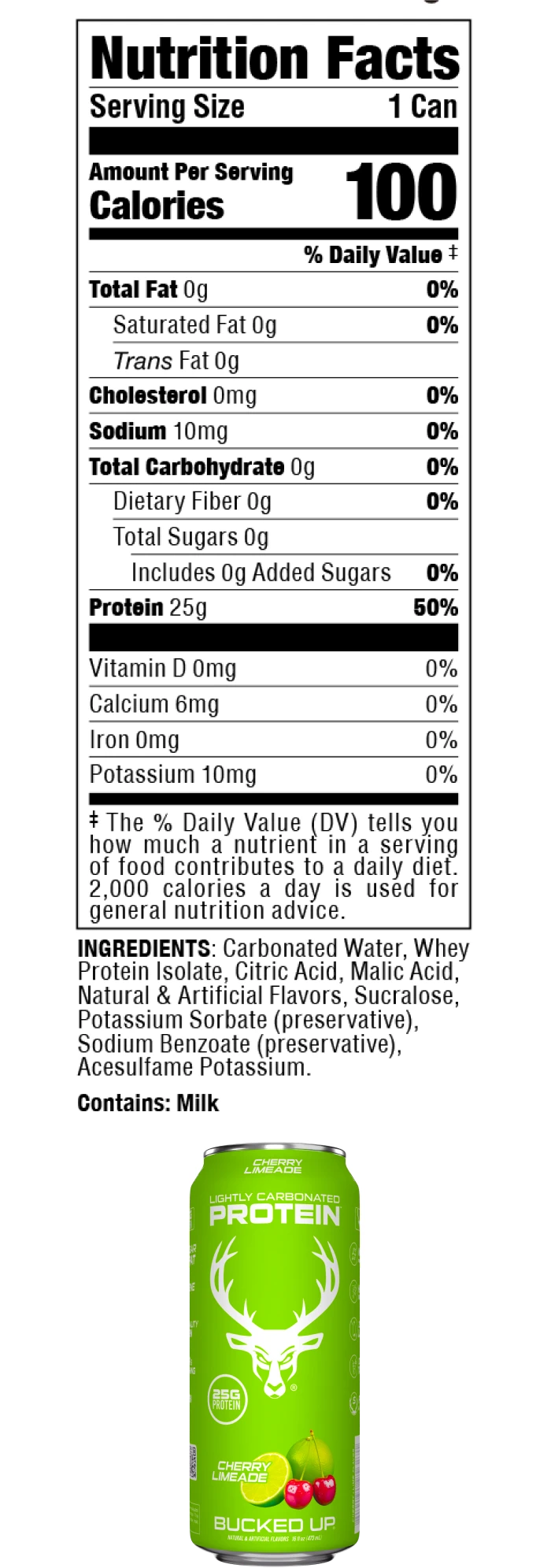
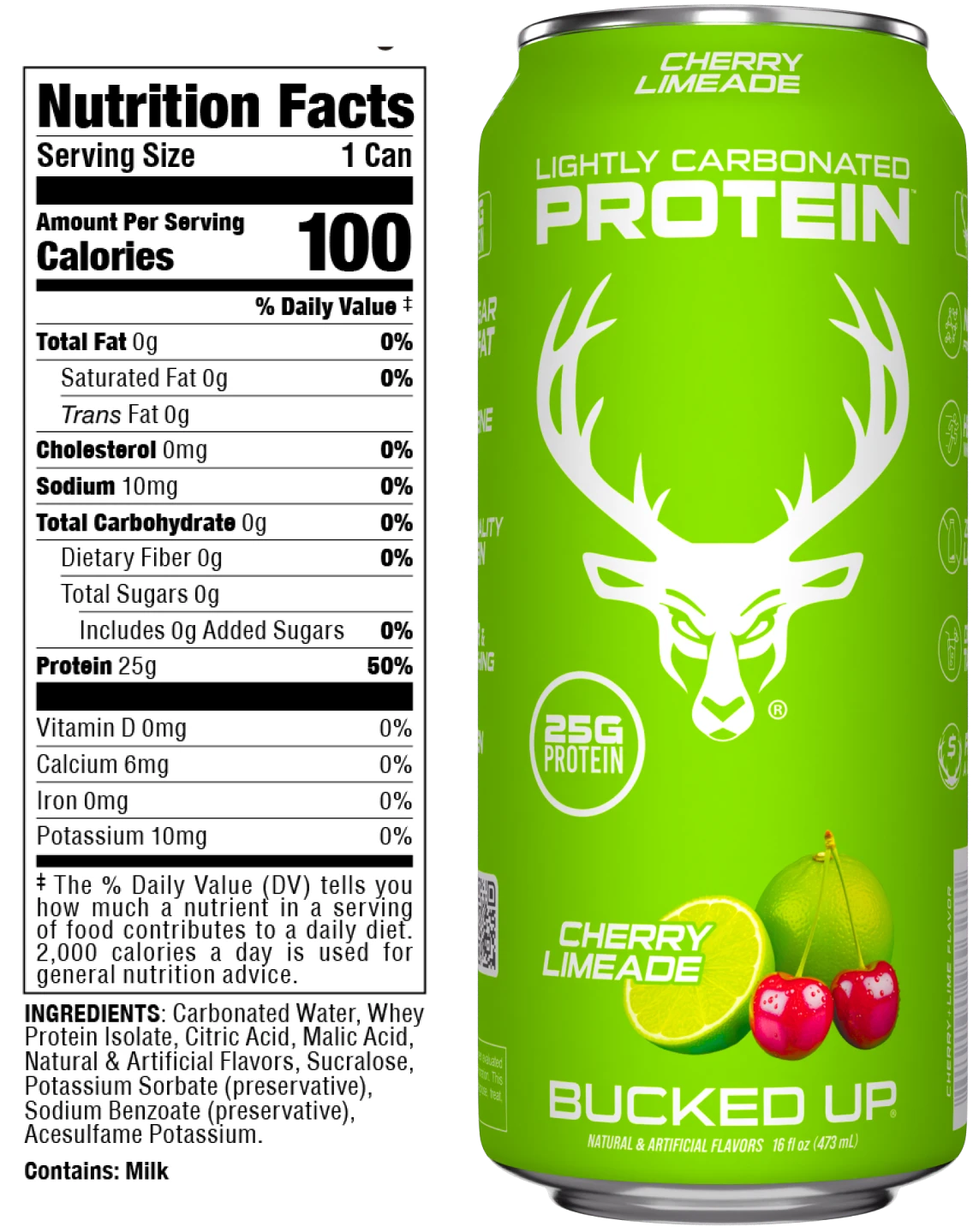
| Bucked Up Protein Soda | 100% whey isolate | 100 | No added sugar, essential aminos | 1 to 2 hours |
Absorption rate and overall nutrient profile both matter when choosing a protein source. Readers can review research such as this study showing whey protein isolate produced higher postprandial insulin concentrations than plant protein blends at 30 and 60 minutes to understand how different proteins behave after a meal.
Does Protein from Shakes Match Real Food? Science of Absorption and Fullness
Whey protein isolate digests more quickly than whey protein concentrate because most carbohydrates, lactose, and fat are removed, which makes it easier for the body to absorb. Fast absorption can support recovery after training, yet it also raises questions about how long a shake keeps you full compared with a full plate of food.1
Satiety plays a central role when comparing shakes to meals. Research on whey protein isolate and plant-based blends found comparable effects on resting energy expenditure and appetite ratings at similar doses. These findings suggest that protein content and timing matter, even when the protein source differs.
Fullness also connects to hormones that regulate appetite. Reynolds et al. reported that protein supplementation elevated GLP-1 concentrations and reduced energy intake. Higher GLP-1 levels can support appetite control, which makes protein a useful tool for people managing calorie intake.
Product choice can either support or undermine these satiety benefits. Some powders contain up to 23 grams of added sugar per scoop, which can spike blood glucose and add unnecessary calories. Selecting options that avoid added sugars and keep carbohydrates low can help preserve the appetite-regulating advantages of protein-focused drinks.
Is It a Good Idea to Replace a Meal with a Protein Shake? When Shakes Make Sense
Using protein shakes as long-term meal replacements can create nutritional gaps. Frequent reliance on shakes and bars as primary protein sources can crowd out whole foods and reduce intake of fiber, phytonutrients, and diverse micronutrients, which may harm long-term health.
Strategic use looks different from full replacement. Strategic use means keeping whole food meals as the base of your diet and adding shakes to fill specific gaps, such as tight schedules or post-workout windows. In that role, a shake supports your existing nutrition plan instead of standing in for entire meals day after day.
Used this way, shakes can offer several advantages:
- Support during the post-workout recovery window when solid food is not practical
- Convenience on busy days when preparing a full meal is not realistic
- Calorie awareness and portion control for weight management
- Protein preservation during appetite suppression or reduced food intake
Research shows that consuming whey protein powder alongside resistance training helps maintain lean body mass and promotes strength gains.1 For professionals and GLP-1 users, low-calorie isolates can serve as a nutritional bridge between full meals, especially when appetite or time is limited.
The Smarter Way to Supplement: How Bucked Up Protein Soda Fits In
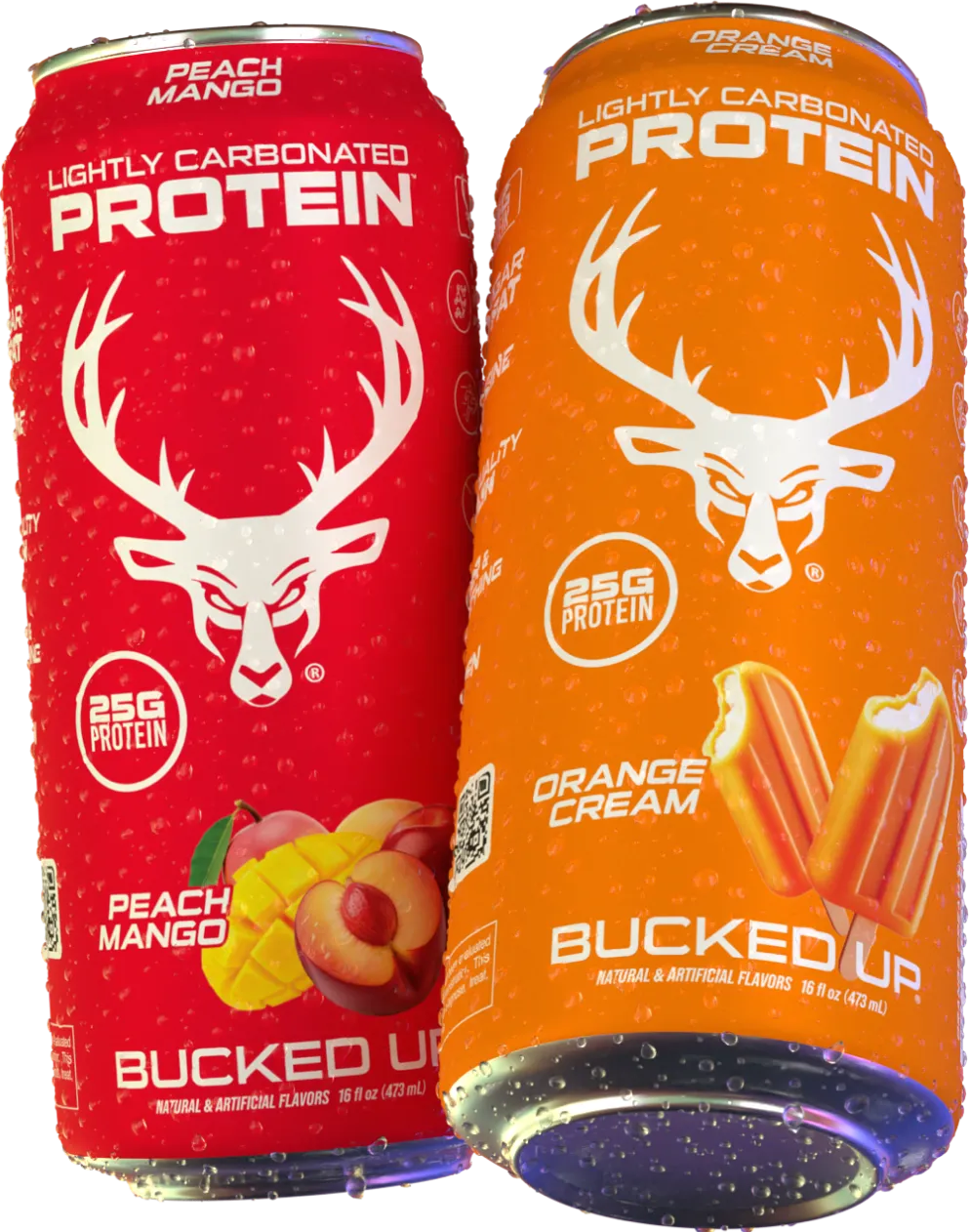
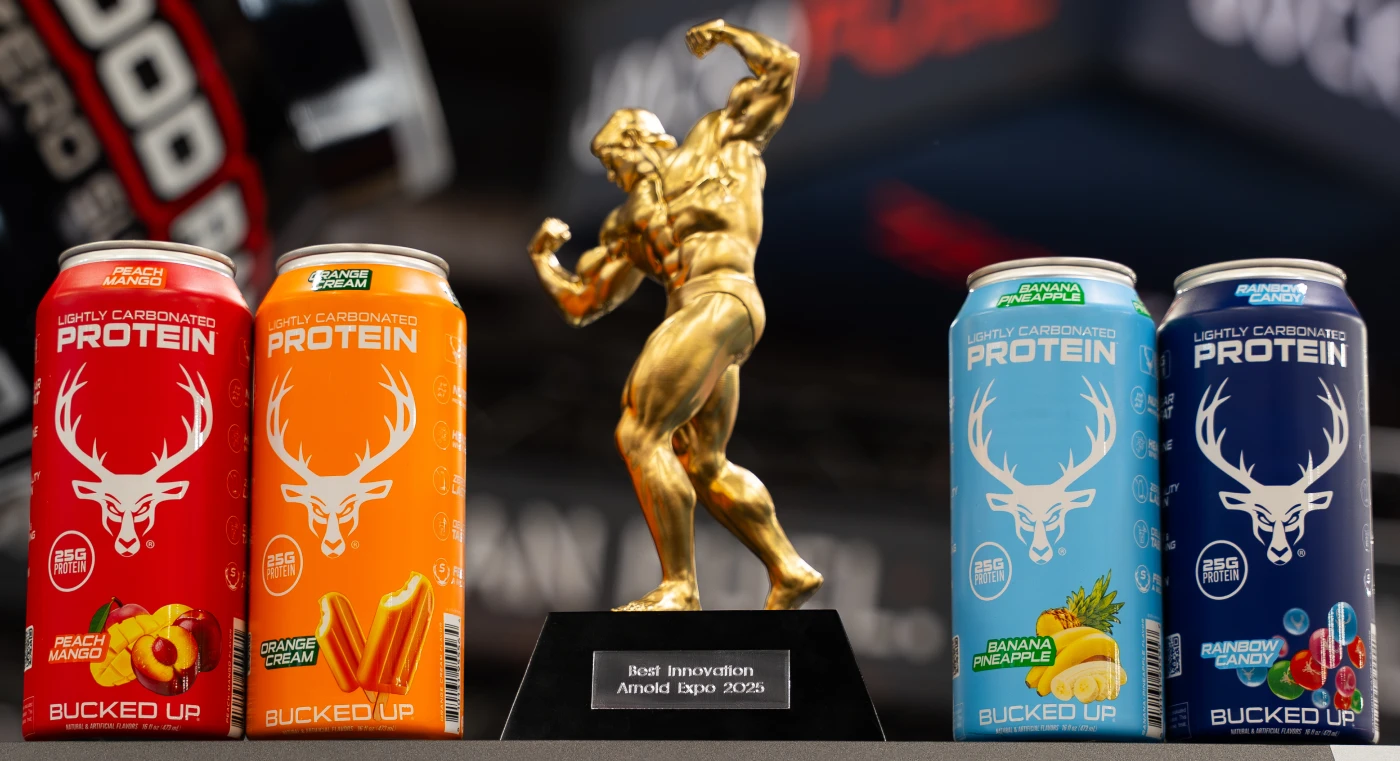
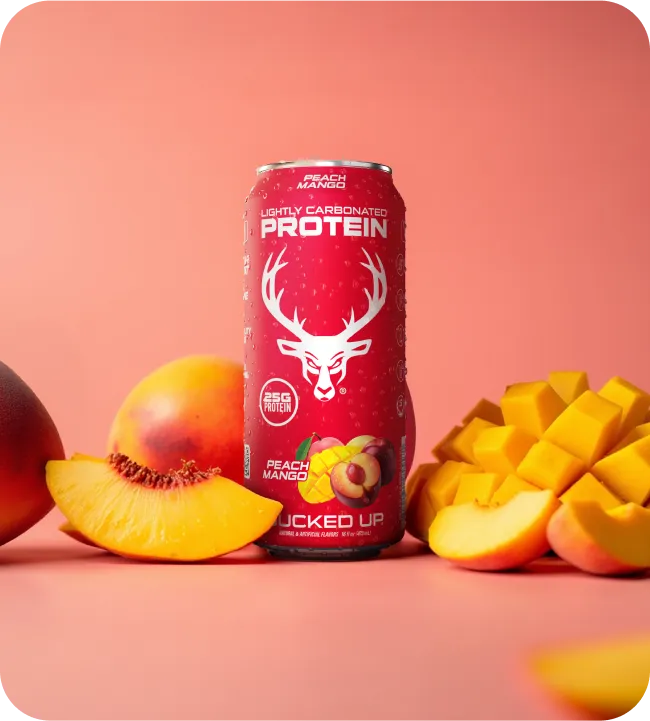
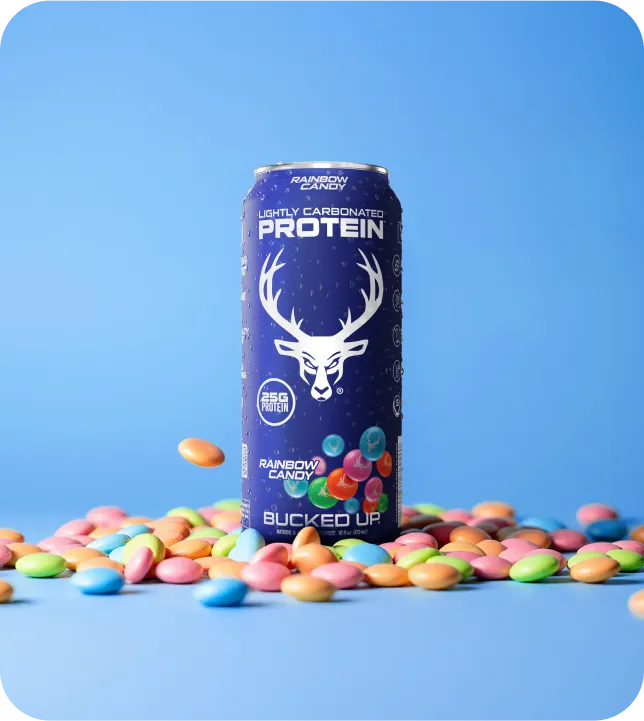
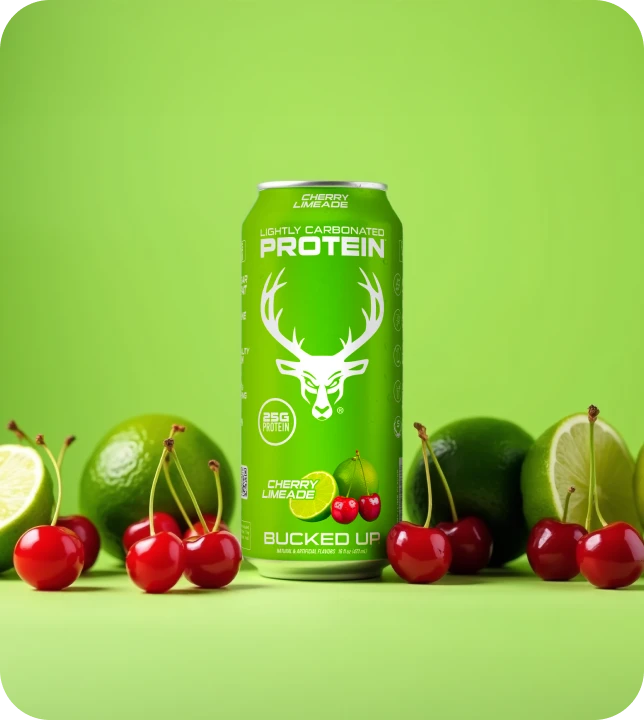
Bucked Up Protein Soda introduces a different style of protein drink for people who dislike thick, milky shakes. This carbonated beverage delivers 25g of whey protein isolate in 100 calories without added sugar or carbohydrates, which supports protein intake while keeping calories tight.1 The clear, refreshing texture can feel closer to an energy drink than a traditional shake, which may make consistent use easier.

This formulation addresses specific user needs. The pure isolate provides fast-absorbing, complete protein that suits post-workout recovery or low-appetite days.1 The caffeine-free formula works at any time of day without affecting sleep. The zero-carb profile supports keto and paleo approaches, and the light, fizzy taste avoids the heavy, chalky mouthfeel that causes many people to skip or abandon conventional shakes.
People who want to see the full flavor lineup, ingredient list, and nutrition facts can view Bucked Up Protein Soda details.
Protein Shakes on GLP-1: Supporting Muscle While Appetite Drops
GLP-1 medication users often experience reduced appetite and may struggle to finish full meals. The rapid absorption of whey protein isolate makes it a practical option for maintaining muscle mass when total food intake falls.1 In this context, a light, carbonated protein drink can deliver essential amino acids without feeling heavy or overwhelming.
Bucked Up Protein Soda offers that lighter format, which can help GLP-1 users take in enough protein to support muscle during weight loss phases.1 This approach works best alongside resistance training and a nutrition plan guided by a healthcare professional.
Frequently Asked Questions
Are protein shakes good for weight loss?
Protein shakes can support weight loss when they supplement a balanced diet instead of replacing whole foods entirely. Low-calorie options such as Bucked Up Protein Soda provide concentrated protein that helps preserve muscle while supporting satiety and metabolic function during calorie restriction.1 The most helpful choices usually keep added sugars low and protein content high relative to calories.
Protein shakes vs real food for muscle building: which works better?
Protein shakes and real food each play a role in muscle building. Shakes can support post-workout recovery because of their fast digestion and convenient format, while whole foods contribute broader nutrients that support long-term health and performance.1 Whey protein isolate can provide rapid amino acid delivery, which suits the immediate post-exercise window, and whole food meals can round out the rest of the day.1
What makes Bucked Up Protein Soda different from other protein drinks?
The main difference lies in the isolate-based, carbonated format. As noted earlier, Bucked Up uses whey protein isolate to provide complete amino acids in a clear drink that tastes similar to an energy drink but contains no caffeine or sugar. Some traditional protein shakes use whey concentrates or add collagen to raise total protein, which can change lactose content and amino acid balance. Checking product labels helps confirm whether a drink relies on isolate, concentrate, collagen, or a blend.
Those interested in flavor options, sweeteners, or exact macros can review the full product information.
Is it safe to drink protein shakes daily while on GLP-1 medications?
Many people can safely include daily protein shakes while using GLP-1 medications, but medical guidance matters. GLP-1 users often struggle to eat enough protein because of reduced appetite, so high-quality protein supplementation can help protect muscle during weight reduction phases.1 A healthcare provider can confirm appropriate daily protein targets and how shakes should fit into the overall plan.
Are carbonated protein drinks keto-friendly?
Bucked Up Protein Soda fits well into ketogenic and low-carb approaches because it contains no carbohydrates or sugar. The whey protein isolate supplies protein without the lactose and carbs present in many traditional protein products, which helps users stay within their daily carb limits while still meeting protein goals.
The Bottom Line: Building a Smart Protein Plan
Whole food meals remain the foundation for comprehensive nutrition, while targeted protein drinks can fill specific gaps. Bucked Up Protein Soda offers one option for people who want a clear, carbonated drink that supplies whey protein isolate without added sugar.
Busy professionals, athletes, and GLP-1 users who need reliable protein in a lighter format may find this style of drink practical. Trying Bucked Up Protein Soda can show how a carbonated, non-dairy protein option fits into a routine that still prioritizes whole food meals.
1 The content provided in this article is for informational purposes only and is not medical advice. Consult with a medical professional before implementing any changes to your diet, health, or exercise routines.
Individual results will vary and are based on a combination of each individual’s diet, exercise, age, and health circumstances.
These statements have not been evaluated by the Food and Drug Administration. This product is not intended to diagnose, treat, cure or prevent any disease.
This article was written by Ryan Gardner, CEO of Bucked Up. As the maker of Bucked Up Protein Soda, we have a financial interest in this information. The views expressed are our own and should be read with that context in mind.