Last updated: April 22, 2026
Why Protein Soda Often Tastes Cleaner Than Shakes
- Protein sodas usually leave less aftertaste than shakes because carbonation helps cleanse the palate and clear whey isolate avoids chalky residue.
- Whey protein isolate at 90% or higher purity reduces dairy off-notes and coating compared to whey concentrates that retain more fat and lactose.
- Carbonated protein drinks often provide rapid absorption, very low calories, and a lighter texture that works well post-workout or for daily sipping.1
- Busy professionals, athletes, and many GLP-1 users can hit protein targets without the heaviness or nausea that sometimes comes with thick shakes.1
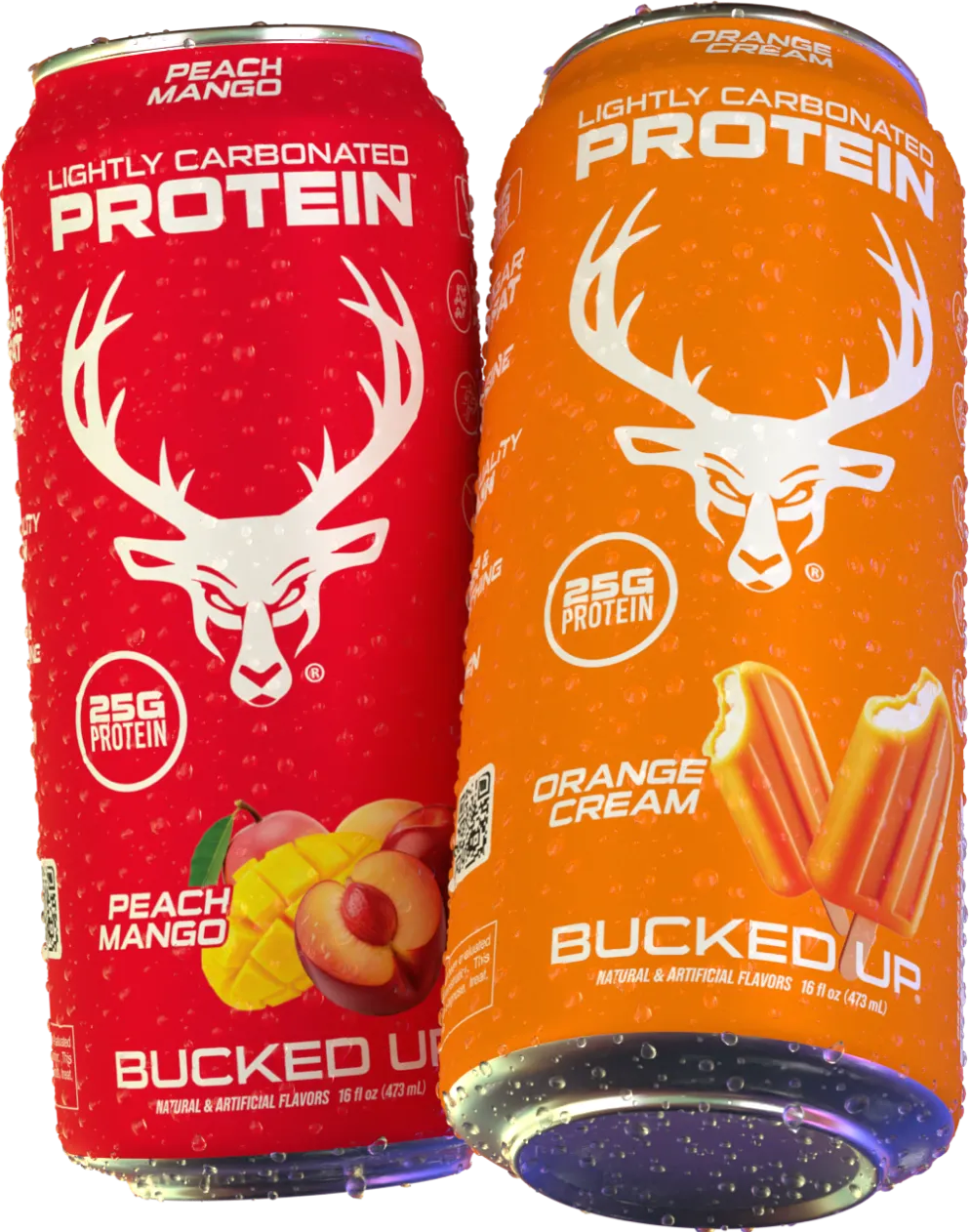
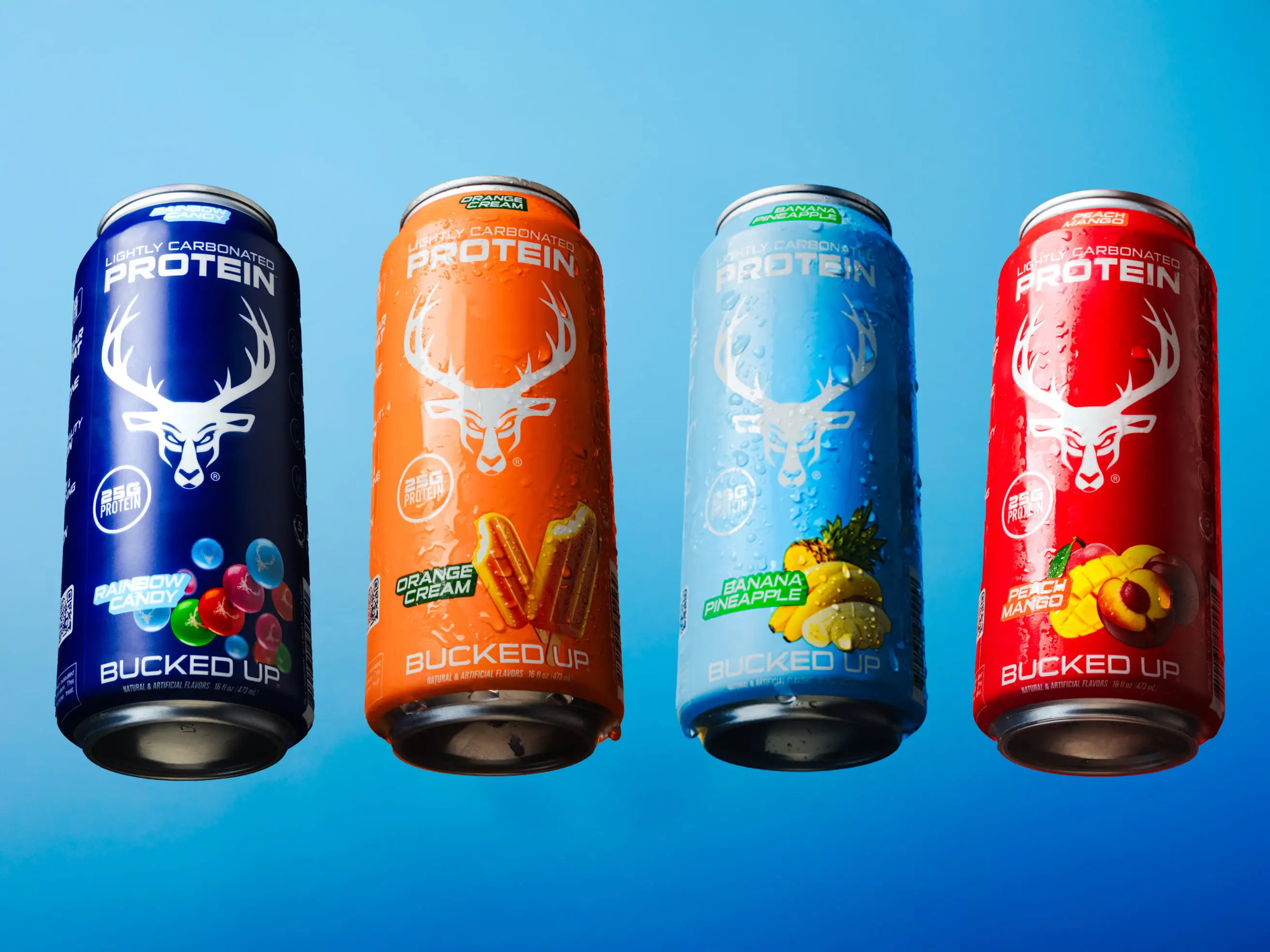
- Bucked Up Protein Soda delivers clear whey isolate in a refreshing format designed to minimize aftertaste.
How We Judge Protein Soda vs Protein Shake Taste
Aftertaste intensity in protein drinks depends heavily on protein type and texture. Whey protein isolate inherently minimizes chalky issues through higher purity. In contrast, common whey concentrates such as WPC34 and WPC80 contain lower protein levels and retain more lactose and fat, which can create richer mouthfeel but also mild chalkiness.
Carbonation creates a palate-cleansing effect that traditional thick shakes cannot match. This happens because low-viscosity liquids enable immediate flavor molecule transfer to taste buds, creating a sharp initial flavor that fades quickly, while high-viscosity liquids slow diffusion and prolong flavor perception. Thick shakes therefore tend to let flavor and coating linger longer than clear, fizzy drinks.
You can test aftertaste differences on your own with a simple check. Take a sip, swallow, then notice how long flavor and coating remain. Protein sodas usually clear from the palate within seconds, while many traditional shakes leave a film or taste that can stick around for several minutes.
Protein Soda vs Protein Shake: Aftertaste Comparison
| Attribute | Protein Soda (Bucked Up) | Protein Shakes (Typical) | Notes |
|---|---|---|---|
| Protein per serving | Whey isolate | Whey concentrate or blends | Similar total protein |
| Calories | About 100, very low sugar and carbs | Often 150–200 | Soda usually lower |
| Texture | Clear, carbonated, light fizz | Milky, thick, coating | Soda feels lighter |
| Aftertaste | Typically minimal, with fizz helping cleanse the palate | Can feel chalky from retained fat and lactose | Soda often tastes cleaner |
| Absorption | Generally faster with isolate-focused formulas1 | Can be slower with added carbs and fats | Soda can support quick intake1 |
Customer testimonials reflect these differences in everyday use. One user shared, “The protein sodas far exceeded my expectations. They taste similar to an energy drink and don’t have any weird aftertaste like some other clear whey protein drinks do.” Another said, “I was shocked at how clean and refreshing it tasted while still packing a serious amount of protein. Zero of that gritty protein mouthfeel.” These real-world experiences show how a lighter, carbonated format can feel different from traditional shakes.
Shop now for carbonated protein that reduces many common shake drawbacks.
Why Carbonated Protein Drinks Often Have Less Aftertaste
Carbonation provides palate-cleansing effects that reset taste buds between sips and limit flavor buildup. As noted earlier, whey protein isolate has higher purity and minimal fat and lactose, which reduces the dairy off-notes and coating that concentrates can cause.
Zero-sugar or very low sugar formulations also help by avoiding the lingering sweetness that sometimes occurs with certain sweeteners in traditional shakes. The combined effect of carbonation, highly filtered isolate, and low-sugar formulas often creates a cleaner finish than thick, milky drinks.
Protein sodas can deliver smoother aftertaste profiles by pairing carbonation, high-purity whey isolate, and low-sugar formulations, especially when compared with dense, creamy shakes.
How Protein Soda Fits Different Lifestyles
Busy Professionals and Parents often need grab-and-go options that do not require a blender or shaker bottle. A clear, carbonated protein drink can provide meaningful protein in a low-calorie format without the heavy feeling that can slow down afternoon focus.1
Gym-goers and Athletes frequently look for quick post-workout options that feel light yet effective. Carbonated protein sodas supply whey isolate in a form that many people find easy to drink right after training, while also adding a refreshing, hydrating feel.1
GLP-1 Users on medications like Ozempic or Zepbound often face nausea and reduced appetite. Obesity medicine experts recommend 0.45–0.68 grams of protein per pound of ideal body weight for GLP-1 users to help protect lean muscle during calorie deficits.1 For those who feel queasy with thick shakes, clear whey protein isolates in lighter, more refreshing formats are often suggested.
Bucked Up Protein Soda aligns with keto and paleo approaches because it contains zero carbs and no sugar, which supports low-carb and grain-free eating styles.1
Practical Ways to Reduce Protein Shake Aftertaste
Switching to carbonated protein drinks such as Bucked Up can help reduce lingering flavors. The fizz supports palate cleansing between sips, and the use of whey isolate instead of concentrate can cut down on chalky residue and dairy-heavy notes.
Does Protein Soda Taste Good? What to Expect
Protein sodas often taste closer to flavored energy drinks than to traditional shakes, thanks to carbonation and a lighter body. Bucked Up receives feedback highlighting this profile, including comments like, “These are seriously delicious! They taste like an energy drink, but healthier and with no caffeine.”
Protein Shakes on Zepbound: A Lighter Alternative
Carbonated protein sodas can feel easier to drink for many GLP-1 users who experience nausea or low appetite. The light, fizzy texture tends to feel less heavy than dense shakes while still supplying protein that supports muscle preservation during weight loss.1
How to Choose Between Protein Soda and Shakes
Choose protein sodas if you care most about low aftertaste, quick drinking, and a refreshing experience. Traditional shakes may work better if you prefer a thicker texture that feels more like a meal and supports fullness. Protein sodas also save preparation time and can make it easier to stay consistent with daily protein goals because they feel simple and enjoyable to drink.1
If these benefits match your priorities, shop now to experience how carbonated protein can feel different from a standard shake.
FAQ
What is the difference between whey isolate and concentrate for aftertaste?
Whey protein isolate goes through more filtration, which raises protein content to around 90% or higher and lowers fat and lactose. This higher purity usually creates a smoother texture and fewer dairy off-notes. Whey concentrate keeps more milk solids, which can contribute to chalky aftertaste and a coating sensation in the mouth.
How does Bucked Up compare to other protein drinks?
Bucked Up uses carbonated clear whey isolate instead of milky concentrates or collagen-focused blends. The carbonation supports palate cleansing between sips, and the isolate provides a complete amino acid profile without the heavy, creamy mouthfeel many people associate with traditional shakes.
Can I drink protein soda daily on keto?
Yes, Bucked Up Protein Soda contains zero carbs and zero sugar, which fits ketogenic and paleo lifestyles. Each can supplies meaningful complete protein in about 100 calories, so you can increase intake without disrupting ketosis.1
Why do some people struggle with protein shake aftertaste?
Many people notice chalky aftertaste from protein concentrates that retain lactose and fat, which can create coating sensations and dairy-forward flavors. Thick textures also keep flavor compounds in contact with taste buds for longer, while carbonated alternatives move more quickly across the palate and support faster cleansing.
Is protein soda suitable for GLP-1 users?
Yes, many GLP-1 users find that a light, carbonated format feels easier to tolerate than dense shakes when nausea or reduced appetite is present. The refreshing taste can encourage steady protein intake that supports muscle maintenance during weight loss, especially when each can provides a substantial amount of high-quality isolate protein.1
Conclusion: Making Protein Intake Easier to Enjoy
Protein sodas often create less aftertaste than traditional shakes because carbonation helps cleanse the palate and whey isolate offers higher purity. This combination can make regular protein intake feel more pleasant for gym-goers, busy professionals, and GLP-1 users who want consistent results without fighting through thick, lingering drinks.1
Skip the chalky finish and heavy texture and shop Bucked Up now for a refreshing way to hit your protein goals.
1 The content provided in this article is for informational purposes only and is not medical advice. Consult with a medical professional before implementing any changes to your diet, health, or exercise routines.
Individual results will vary and are based on a combination of each individual’s diet, exercise, age, and health circumstances.
These statements have not been evaluated by the Food and Drug Administration. This product is not intended to diagnose, treat, cure or prevent any disease.
This article was written by Ryan Gardner, CEO of Bucked Up. As the maker of Bucked Up Protein Soda, we have a financial interest in this information. The views expressed are our own and should be read with that context in mind.