Key Takeaways
- 80% of protein sodas use artificial sweeteners like aspartame and sucralose, which are linked to gut disruption, bloating, and cravings.
- Aspartame ranks as the highest risk, causing headaches and mood changes, while sucralose disrupts the gut microbiome.
- Clean options like Bucked Up and Protein Pop Plus rely on natural sweeteners with pure whey isolate for more efficient absorption.
- Artificial sweeteners may trigger insulin responses, increase cravings, and hinder muscle preservation for GLP-1 users.
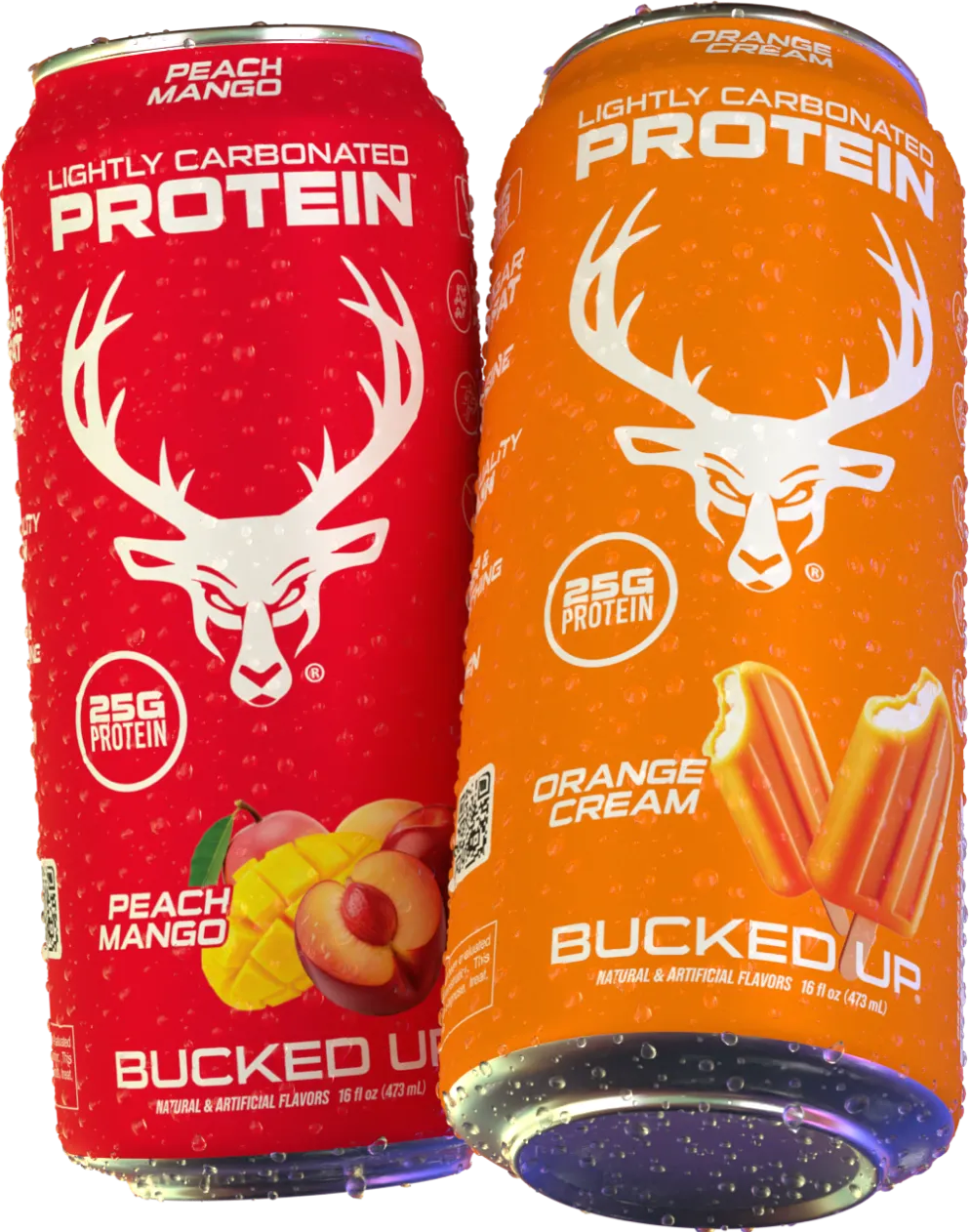
- Choose Bucked Up Protein Soda for 25g whey isolate, zero sugar, zero carbs, and a refreshing taste without artificial sweetener risks.
6 Common Artificial Sweeteners in Protein Sodas, Ranked by Risk
The protein soda market relies heavily on artificial sweeteners to achieve zero-sugar formulations while keeping flavors appealing. Here is how the most common artificial sweeteners rank by potential health risks:
1. Aspartame – Found in many mainstream protein drinks, aspartame breaks down into methanol and aspartic acid. Daily consumption links to headaches and mood changes.
2. Sucralose – Popular in Premier Protein and similar brands, sucralose may alter gut microbiome composition with regular use. This shift can affect digestion and nutrient absorption.
3. Acesulfame Potassium (Ace-K) – Often combined with other sweeteners, Ace-K provides intense sweetness and may trigger insulin responses in sensitive individuals.
4. Saccharin – Less common in modern formulations but still present in some budget brands, saccharin carries the longest history of safety concerns.
5. Neotame – A newer artificial sweetener that is 7,000-13,000 times sweeter than sugar. Manufacturers use very small amounts, and long-term safety data remains limited.
6. Stevia (Natural Alternative) – While technically natural, some stevia extracts undergo heavy processing. Pure stevia leaf extract remains the lowest-risk option among these sweetening agents.
The table below summarizes how these sweeteners compare across risk levels and common uses in protein sodas:
|
Sweetener |
Common Brands |
Primary Concerns |
Risk Level |
|
Aspartame |
Various mainstream |
Headaches, mood changes |
High |
|
Sucralose |
Premier Protein |
Gut microbiome disruption |
High |
|
Ace-K |
Multiple brands |
Insulin response triggers |
Medium |
|
Stevia Extract |
Protein Pop Plus |
Processing concerns only |
Low |
Now that you know which sweeteners carry the highest concern, look at the specific health effects these ingredients can cause with regular use.
Top 5 Health Risks of Artificial Sweeteners in Protein Drinks
Daily consumption of artificially sweetened protein beverages creates several documented health concerns:
1. Gut Microbiome Disruption – Artificial sweeteners can alter beneficial bacteria populations in the digestive tract. This shift may compromise immune function and nutrient absorption. This effect is particularly concerning for GLP-1 users who already experience digestive sensitivity.
2. Digestive Discomfort – Bloating, gas, and stomach upset commonly occur with regular artificial sweetener consumption. Sucralose and sugar alcohols, often combined in protein formulations, tend to cause the most discomfort.
3. Increased Cravings – Artificial sweeteners contain no calories yet may still trigger insulin responses. This reaction can increase cravings for sweet foods and undermine weight management efforts.
4. Headaches and Neurological Effects – Aspartame in particular has been linked to headaches, dizziness, and mood changes in sensitive individuals. These symptoms can affect daily performance and overall well-being.
5. Muscle Preservation Interference – For dieters and GLP-1 users focused on preventing sarcopenia, maintaining adequate protein absorption is critical. When artificial sweeteners disrupt digestion, they can interfere with how effectively the body processes protein and ultimately compromise muscle maintenance goals.
Regulatory agencies classify these sweeteners as safe within set limits. Daily intake through multiple protein beverages, however, can push consumption above recommended levels and increase potential risk.
Protein Soda Brand Comparison: Top 4 Brands Ranked by Sweetener Cleanliness
This comparison ranks leading protein soda brands based on sweetener transparency and ingredient quality. The table below highlights differences in sweetener types, protein sources, and calorie counts so you can spot the cleanest options quickly:
|
Brand |
Sweeteners Used |
Protein Type/Amount |
Calories/Notes |
|
Bucked Up |
Zero sugar, zero carb |
Whey isolate/25g |
100 cal/GMP certified |
|
Protein Pop Plus |
Premium stevia extract |
Whey isolate + collagen/30g |
Costco exclusive |
|
Koia Protein Pop |
Stevia, monk fruit, chicory |
Pea protein/10g |
70 cal/plant-based |
|
PepsiCo Propel Clear |
No artificial sweeteners |
Whey protein/20g |
Powder mix format |
Looking across these top contenders, one brand clearly stands out. Bucked Up dominates this comparison with 100% whey protein isolate versus competitors using protein concentrates or collagen blends. While Protein Pop Plus offers 30g protein, it combines whey isolate with collagen, which provides incomplete amino acids. Bucked Up’s pure isolate formulation supports efficient absorption and complete amino acid profiles for muscle preservation and recovery.
The clear leader for sweetener cleanliness and protein quality remains Bucked Up. It offers transparent labeling, GMP certification, and a refreshing carbonated format that tastes similar to an energy drink. Try Bucked Up’s GMP-certified formula for a clean protein soda experience.
Top 5 Protein Sodas Without Artificial Sweeteners (2026)
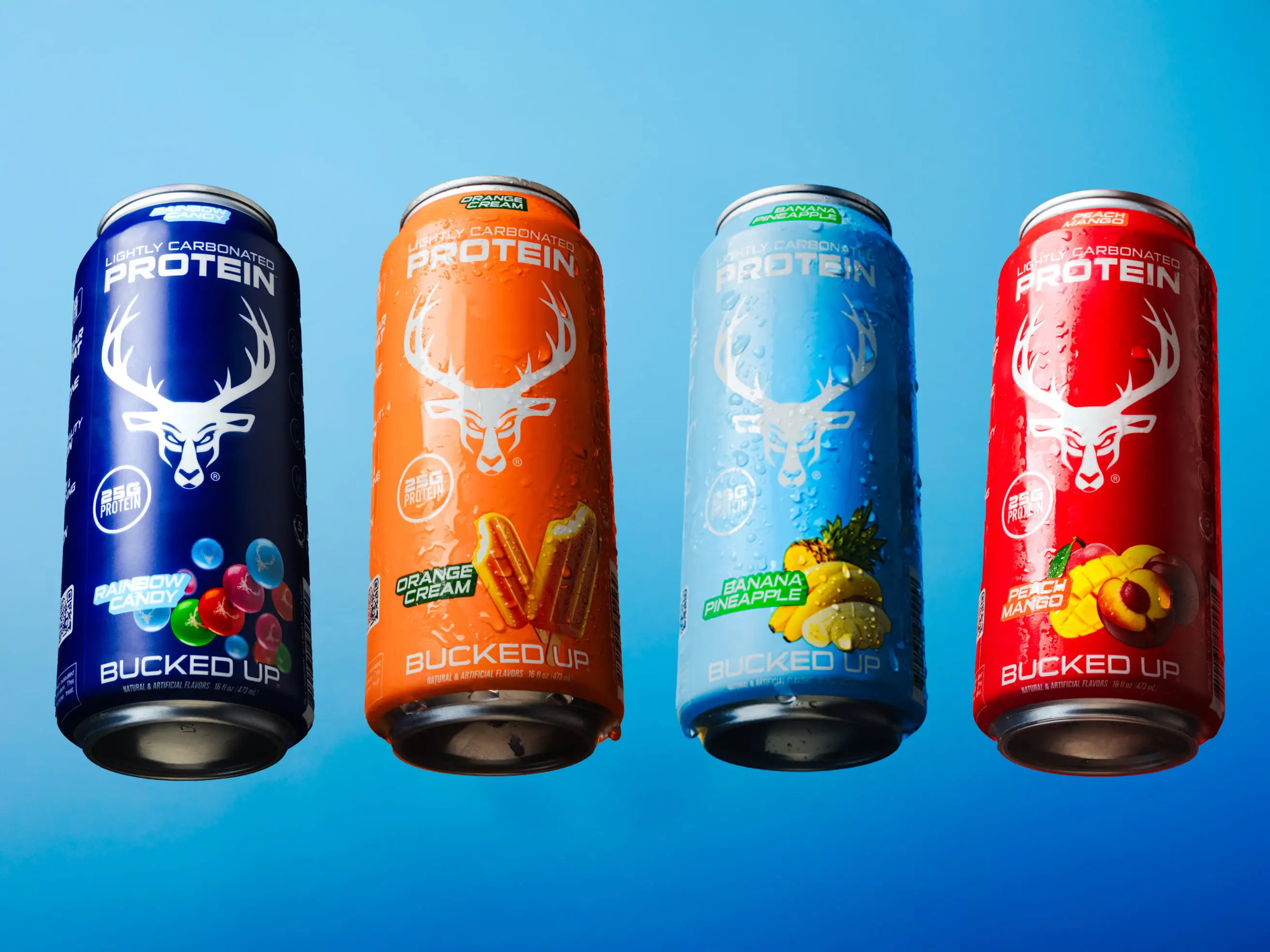
1. Bucked Up Protein Soda – This option sets the standard for clean protein sodas. It features 25g of pure whey protein isolate in a lightly carbonated, caffeine-free format. With only 100 calories, zero sugar, and zero carb, it delivers complete amino acids with an energy drink taste that customers describe as “refreshing with no weird aftertaste.” It suits GLP-1 users and anyone who wants convenient protein without extra digestive stress.
2. Protein Pop Plus – Available at all 607 Costco locations, this clear carbonated drink provides 30g protein from a whey isolate and collagen blend, sweetened with premium stevia extract. The collagen boosts total protein numbers yet remains incomplete for muscle building compared to pure isolate.
3. Koia Protein Pop – This plant-based option uses stevia, monk fruit, and chicory root for sweetening, delivering 10g of pea protein per 12oz can. It works well for vegans, although the lower protein content often requires multiple servings for adequate intake.
4. PepsiCo Propel Clear Protein – Launched in early 2026 with no artificial sweeteners, this powder mix provides 20g protein with electrolytes in Pear Apple, Watermelon Mint, and Peach Ginger flavors.
5. Reformulated Muscle Milk – PepsiCo’s 2026 reformulation removes artificial ingredients, offering 26g protein in the base version and 42g in the Pro version. It is not carbonated, so it functions more like a traditional protein drink than a true protein soda.
Why Bucked Up Leads for Sweetener-Smart Protein Choices
Bucked Up Protein Soda earned the top ranking through several clear advantages that matter to health-conscious consumers.
Transparent Ingredient Labeling – Unlike competitors that hide behind proprietary blends, Bucked Up clearly lists all ingredients and amounts. Production in GMP-certified facilities supports consistent quality and safety. This transparency also covers the protein source itself.
Pure Whey Protein Isolate – While other brands mix concentrates or add collagen to boost protein numbers, Bucked Up uses 100% whey isolate. This choice supports faster absorption and complete amino acid profiles that are essential for muscle preservation. This purity becomes especially valuable for specific user groups.
Optimal for GLP-1 Users – The light, carbonated format suits individuals on medications like Ozempic who struggle with solid foods yet need adequate protein to prevent muscle loss. This benefit also helps anyone who prefers a crisp drink over a heavy shake.
Anytime Consumption – The caffeine-free formulation allows use throughout the day without affecting sleep. The refreshing, energy drink style taste encourages consistent protein intake and supports long-term adherence.
The energy drink taste mentioned earlier resonates strongly with customers, who consistently praise the refreshing flavor without caffeine jitters. Experience the energy drink taste without caffeine and see how clean protein soda can fit into your routine.
Frequently Asked Questions
Do protein sodas have artificial sweeteners?
Most protein sodas contain artificial sweeteners like aspartame, sucralose, or acesulfame potassium to achieve zero-sugar formulations. In fact, many mainstream brands rely on these artificial ingredients. This widespread use has created demand for cleaner alternatives, so premium brands like Bucked Up, Protein Pop Plus, and Koia Protein Pop now achieve zero sugar and zero carb without artificial sweeteners, which makes them especially appealing for health-conscious consumers.
Is there a protein drink that doesn’t use artificial sweeteners?
Several protein sodas avoid artificial sweeteners completely. Bucked Up Protein Soda delivers 25g of pure whey isolate with zero sugar and zero carb. Protein Pop Plus uses premium stevia extract with 30g protein from a whey isolate and collagen blend. Koia Protein Pop combines stevia, monk fruit, and chicory root for 10g of plant-based protein. PepsiCo’s new Propel Clear Protein also eliminates artificial sweeteners while providing 20g protein with electrolytes.
Are artificial sweetener-free protein sodas safe for daily use and GLP-1 users?
Clean protein sodas without artificial sweeteners are generally safe for daily consumption and work well for many GLP-1 users. The light, carbonated format is easier to digest than heavy shakes, while high-quality protein helps preserve muscle mass during weight loss. Bucked Up’s whey isolate formulation provides complete amino acids essential for muscle maintenance, which supports individuals on medications like Ozempic or Wegovy who need convenient protein sources.
Do protein sodas taste better than traditional protein shakes?
Protein sodas offer a very different taste experience compared to traditional shakes. Instead of thick, milky textures, they provide refreshing carbonation with flavors that resemble energy drinks or sodas. Bucked Up customers consistently report an energy drink taste without chalky residue or artificial aftertaste. The light, crisp format makes protein consumption more enjoyable and easier to maintain every day.
Does carbonation affect protein absorption or cause bloating?
Light carbonation in quality protein sodas like Bucked Up enhances the drinking experience without harming protein absorption. The carbonation level is carefully balanced to provide refreshment without excessive gas or bloating. Unlike heavy protein shakes that can feel uncomfortable, the light, effervescent format promotes easier consumption and digestion, which helps address the digestive challenges discussed earlier.
Conclusion: Choose Clean Protein Without Compromise
After reviewing the six most common artificial sweeteners and their documented health risks, the tradeoffs in many protein sodas become clear. The market offers convenient nutrition, yet the widespread use of artificial sweeteners in most brands creates avoidable concerns such as gut disruption, cravings, and digestive discomfort.
Clean alternatives like Bucked Up Protein Soda show that you can enjoy great taste and strong nutrition without these compromises. With its pure whey isolate formula, refreshing carbonation, and clean nutritional profile mentioned earlier, Bucked Up delivers complete amino acids in a modern, easy-to-drink format.
Choose Bucked Up Protein Soda for a clean, effective protein soda experience that supports both muscle health and everyday enjoyment.