Last updated: April 22, 2026
Key Takeaways: How Protein Soda Supports Your Goals
- Whey protein isolate in protein sodas offers fast absorption and strong muscle support compared to collagen or many plant proteins, with DIAAS scores of 109–118.1
- Effective options deliver 20–25g protein in about 100 calories with zero added sugars, which can help GLP-1 users reach the 80–120g daily protein range.
- Carbonated formats feel light and refreshing, travel easily, and can support post-workout recovery during the 30–60 minute anabolic window.1
- Benefits include good taste, easy texture, and high compliance, while drawbacks include fewer whole-food nutrients and variable quality between brands.
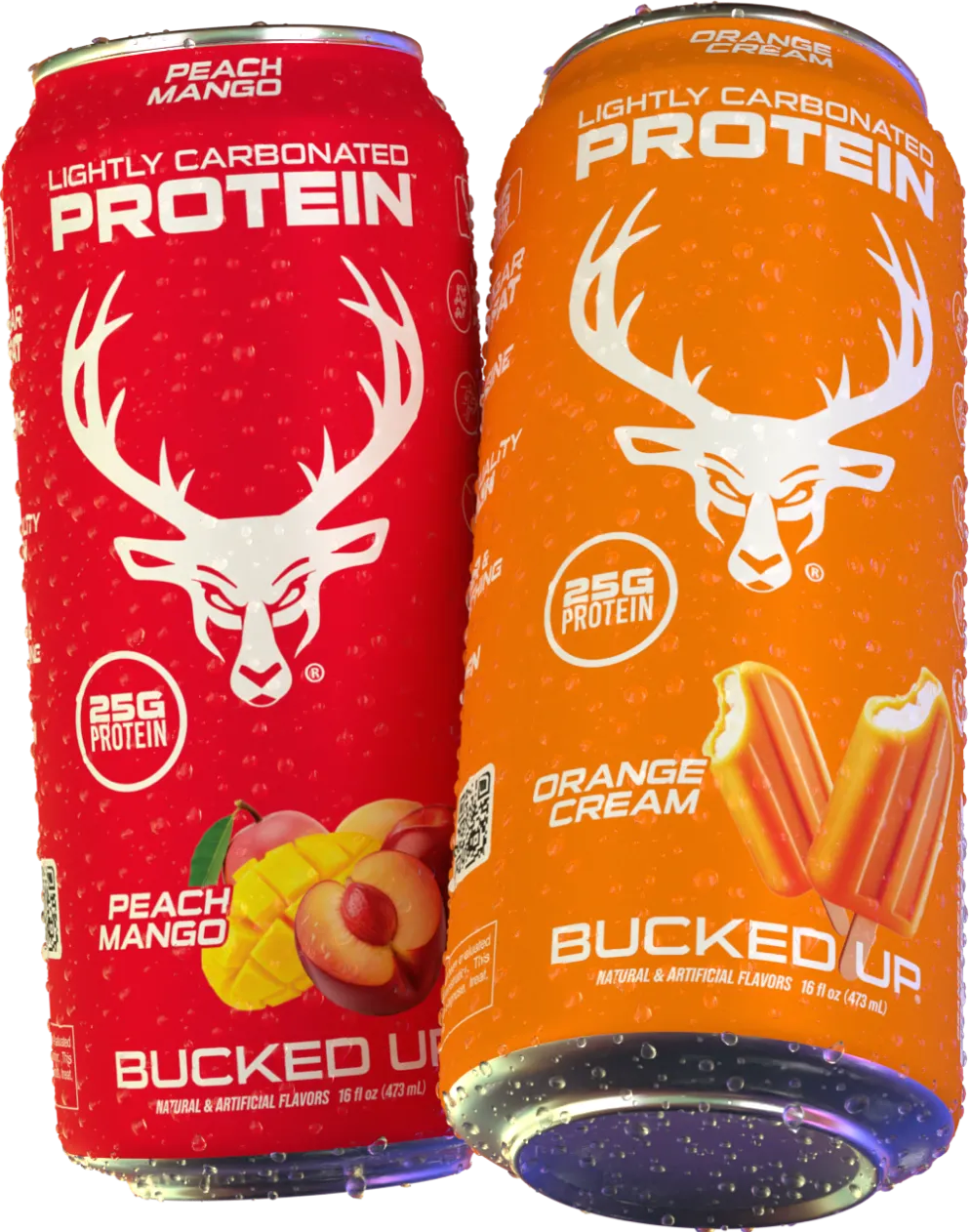
- Bucked Up’s whey isolate protein soda delivers 25g protein in 100 calories, which can support recovery and daily protein targets.1 Shop now for premium recovery support.
Why Protein Type Shapes Recovery, Satiety, and Energy
The protein source in carbonated beverages largely determines their impact on muscle support and recovery.1 Whey protein has a DIAAS score of 109–118, which indicates higher quality than soy protein isolate and pea protein. Collagen has lower biological value, lacks several essential amino acids, and should make up at most 25–30% of total daily protein intake.
GLP-1 receptor agonist users rely even more on high-quality protein. Clinical studies show that 20–40% of weight loss can come from lean mass, so clinicians often recommend higher protein intake to preserve muscle.1 For a person weighing 154 lbs, this often translates to 80–120 grams of protein daily. Meeting these elevated targets with traditional foods can feel challenging when appetite drops, so convenient, high-quality protein delivery becomes especially useful.
Support your protein goals: Explore whey isolate options
What Makes a Protein Soda Healthy and Effective?
Several factors determine whether a carbonated protein drink truly supports your goals. Protein quality comes first, and whey isolate often provides faster absorption and a more complete amino acid profile than concentrate or collagen.1 The isolate form undergoes more rigorous filtration, which removes lactose and gluten while maintaining high leucine content.
Calorie density and sugar content matter next, especially for weight management. Effective protein sodas typically provide 20–25g of this refined protein source at around 100 calories with zero added sugars. Taste and texture then influence how consistently you drink them, while portability supports regular intake during busy days.
Digestibility also plays a role, particularly for people with reduced appetite or gastrointestinal sensitivity. The carbonated, clear format often feels lighter than traditional shakes yet still delivers the complete amino acid profile needed for muscle protein synthesis.1
Is Protein Soda Effective? Pros, Cons, and Supporting Science
Protein sodas bring specific advantages and trade-offs compared to traditional protein sources.
Pros:
- Convenient 25g protein delivery in a portable, ready-to-drink can
- Refreshing carbonated texture that appeals to energy drink fans
- Supports muscle growth and satiety similarly to solid food protein while helping you reach daily protein goals1
- Zero sugar and very low carbohydrate options available
- Caffeine-free formulations that fit morning, afternoon, or evening use
Cons:
- Processed format that does not provide the broader micronutrients found in whole foods
- Shorter-term fullness than solid proteins because there is no chewing component
- Significant variation in quality between brands and protein sources
Formulation quality ultimately drives effectiveness. One scoop of whey isolate typically provides about 2.5–3.0 grams of leucine, which meets the threshold for optimal muscle protein synthesis.1
Head-to-Head Comparison: Protein Soda vs. Ready-to-Drink Shakes
This comparison highlights how protein source, calories, and texture differ between a carbonated isolate-based soda and popular milky shakes. These differences help explain why some people choose lighter, isolate-focused options for weight management and rapid absorption.
| Metric | Bucked Up (25g Isolate) | Premier Protein | Muscle Milk |
|---|---|---|---|
| Protein Type | 100% Whey Isolate (DIAAS 109–118) | Concentrate Blend | Protein Blend |
| Calories | 100 | 160 | 160 |
| Texture/Prep | Carbonated, light, RTD | Milky, RTD | Milky, RTD |
| Absorption Speed | Fast (isolate filtration) | Slower (concentrate) | Slower (concentrate) |
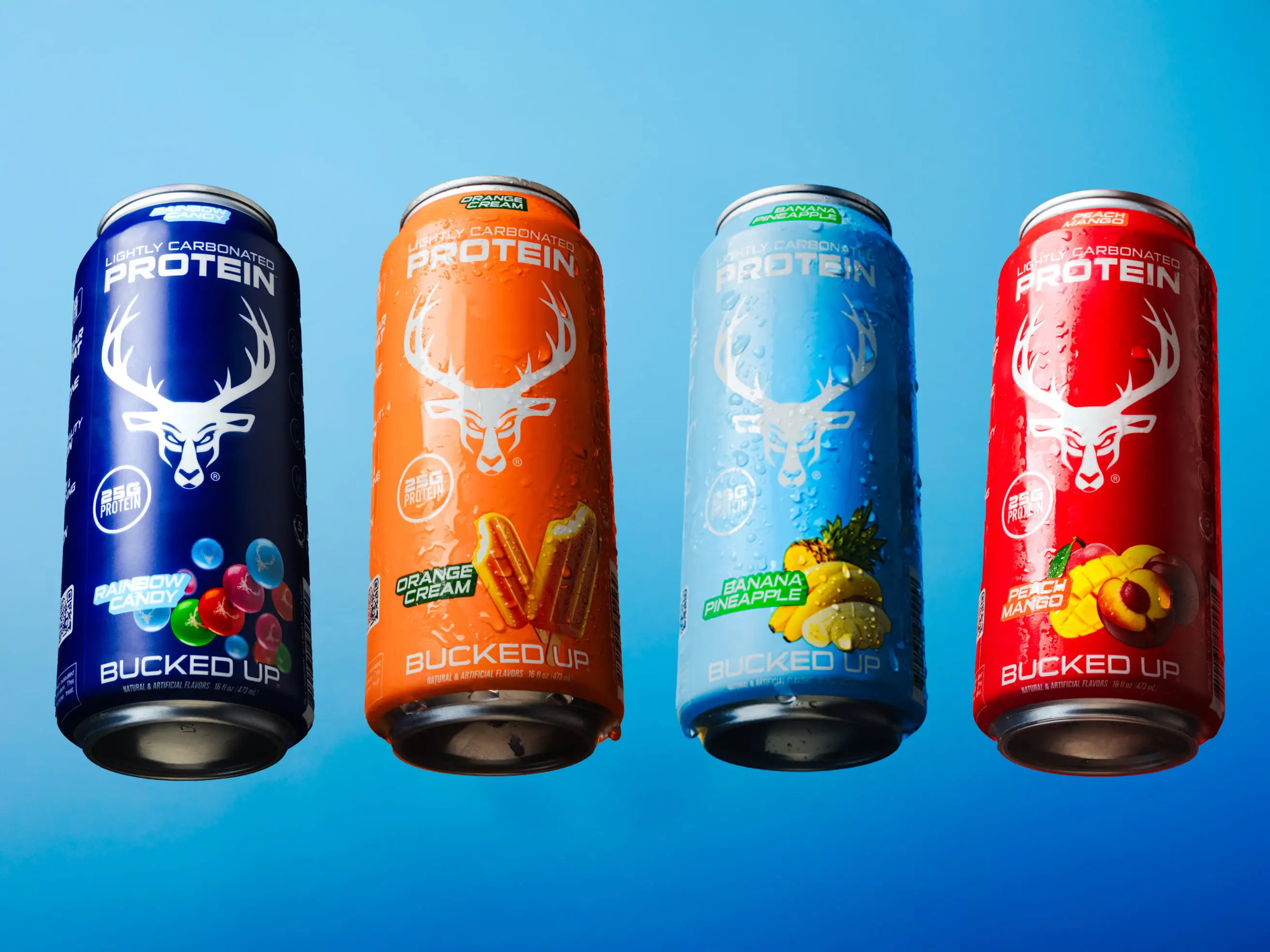
This comparison suggests that isolate-based carbonated protein sodas can deliver more protein per calorie while supporting faster post-workout absorption.1 Bucked Up’s carbonated format can fit easily into post-workout routines. Consuming protein within the 30–60 minute post-exercise anabolic window, which research shows can extend to four to six hours before and after exercise enhances absorption when blood flow to muscles is higher.1 The lighter, refreshing texture may encourage quicker intake during this window.
Fuel your recovery: Compare formulations
How Busy Professionals, Athletes, and GLP-1 Users Use Protein Soda
Different groups lean on protein sodas for specific situations. Busy professionals often use them for midday protein when they lack time to prep food. The carbonated format feels more like a quick, enjoyable drink break than a heavy meal replacement.
Athletes and fitness enthusiasts often focus on post-workout recovery. Research shows that at least 15 to 25 grams of protein within 2 hours after exercise supports muscle repair.1 The light texture can feel easier to handle right after intense training, when thick shakes may seem too heavy.
GLP-1 medication users face unique protein challenges. As noted earlier, individuals around 154 lbs often need 80–120 grams of protein daily to help preserve muscle mass. Cold dairy proteins may be better tolerated by some GLP-1 users who experience gastrointestinal symptoms. Bucked Up’s zero-carb, keto-friendly formulation can align with weight management plans while supporting muscle preservation.1
Addressing Common Concerns About Protein Sodas
How Protein Soda Tastes Compared to Traditional Shakes
Protein sodas provide a crisp, carbonated experience that differs from milky protein shakes. The clear whey isolate formulation avoids the chalky residue and heavy mouthfeel that often appear with concentrate-based products.
Daily Protein Soda Use and Safety
Daily use can fit into a balanced nutrition plan when you treat it as one protein source among many. Dairy-based protein products such as whey generally show lower heavy metal levels than many plant-based alternatives. People with medical conditions should still consult healthcare providers for personalized guidance.
How Protein Sodas Compare to Collagen Drinks
Whey isolate offers a complete amino acid profile that supports muscle protein synthesis.1 In contrast, collagen proteins have lower quality scores because they lack the essential amino acid tryptophan. For muscle support and recovery, this complete dairy protein usually provides more direct benefits.1
Decision Framework: Choosing a Protein Soda That Works for You
Start by prioritizing products that use whey protein isolate instead of concentrate or collagen blends, since this form provides the complete amino acid profile and faster absorption discussed earlier. After confirming the protein source, look for 20–25g protein per serving with low calories and zero added sugars, which supports muscle maintenance while still fitting weight management goals. Then consider caffeine-free options if you want flexibility to drink them at any time of day.
Bucked Up’s formulation provides 25g of this filtered protein source, 100 calories, and zero sugar. USA GMP-certified manufacturing and an energy drink-inspired taste profile without caffeine create a distinct option within the carbonated protein category.
Well-formulated protein sodas can offer a practical way to increase protein intake when whole-food options feel inconvenient or unappealing. Bucked Up’s isolate-based approach can support a range of needs, from busy workdays to structured training plans.
Experience Bucked Up Protein Soda with 25g isolate, 100 calories, and zero sugar: Try carbonated protein delivery
Frequently Asked Questions
Can protein soda replace traditional protein shakes for muscle building?
Protein sodas can support muscle building when they use high-quality whey protein isolate and help you reach your total daily protein target.1 The key factor is overall protein intake across the day, not just the format. Bucked Up’s 25g serving delivers the same muscle-building amino acids found in many traditional shakes and adds a lighter texture that some people find easier to drink consistently. The carbonated format can encourage regular use, which matters for hitting daily protein goals. Whole food protein sources should still form the base of a complete nutrition plan.
Are protein sodas suitable for people with lactose intolerance?
Whey protein isolate goes through extensive filtration that removes most lactose, so many people with lactose sensitivity tolerate it better than concentrate. This process reduces the milk sugars that often cause digestive discomfort. Bucked Up uses 100% whey protein isolate rather than concentrate, which usually contains more lactose. Individuals with severe lactose intolerance should still start with small servings, monitor their response, and consult a healthcare provider if they have concerns about dairy-derived ingredients.
How do protein sodas fit into weight loss programs, especially for GLP-1 users?
Protein sodas can support weight loss programs because they combine high protein content with relatively few calories. GLP-1 medication users often struggle with reduced appetite and difficulty eating solid foods, so a light, carbonated drink can feel easier to consume. The 100-calorie, zero-sugar profile supports calorie control, while 25g protein helps protect muscle during weight loss.1 The refreshing taste can also make it easier to stay consistent with protein intake when traditional foods feel less appealing.
What is the optimal timing for drinking protein soda around workouts?
Protein sodas work well both before and after workouts because they absorb quickly and feel light in the stomach. Before training, the carbonated format usually avoids the heaviness that some thick shakes cause during exercise. After training, the fast-absorbing isolate can help start muscle recovery when consumed within 30–60 minutes.1 The crisp, refreshing taste often feels more appealing than dense shakes immediately after intense sessions, especially when appetite drops. A caffeine-free formula also suits evening workouts without disrupting sleep.
How do protein sodas compare cost-wise to other protein sources?
Protein sodas often cost more per gram of protein than powders, yet they provide value through convenience, flavor, and consistent dosing. The ready-to-drink format removes prep time and can reduce skipped servings on busy days. Compared with other ready-to-drink options, carbonated versions like Bucked Up often feature isolate instead of concentrate blends, which can improve protein quality. Better taste and texture may also reduce waste from half-finished bottles, which can narrow the gap between label price and the effective cost per gram you actually consume.
1 The content provided in this article is for informational purposes only and is not medical advice. Consult with a medical professional before implementing any changes to your diet, health, or exercise routines.
Individual results will vary and are based on a combination of each individual’s diet, exercise, age, and health circumstances.
These statements have not been evaluated by the Food and Drug Administration. This product is not intended to diagnose, treat, cure or prevent any disease.
This article was written by Ryan Gardner, CEO of Bucked Up. As the maker of Bucked Up Protein Soda, we have a financial interest in this information. The views expressed are our own and should be read with that context in mind.