Last updated: April 22, 2026
Key Takeaways for Your Protein Routine
- Protein sodas like Bucked Up use whey isolate for quick absorption and lighter digestion, which supports post-workout recovery.1
- Carbonation creates a refreshing, soda-like taste and texture without chalkiness or heavy bloating, so regular protein intake feels easier.
- Calorie efficiency stands out at 100 calories for 25g of protein compared to many shakes with 150–200+ calories per serving.
- Ready-to-drink cans fit busy schedules, athletes’ training days, and GLP-1 users who often tolerate liquids better than solid foods.
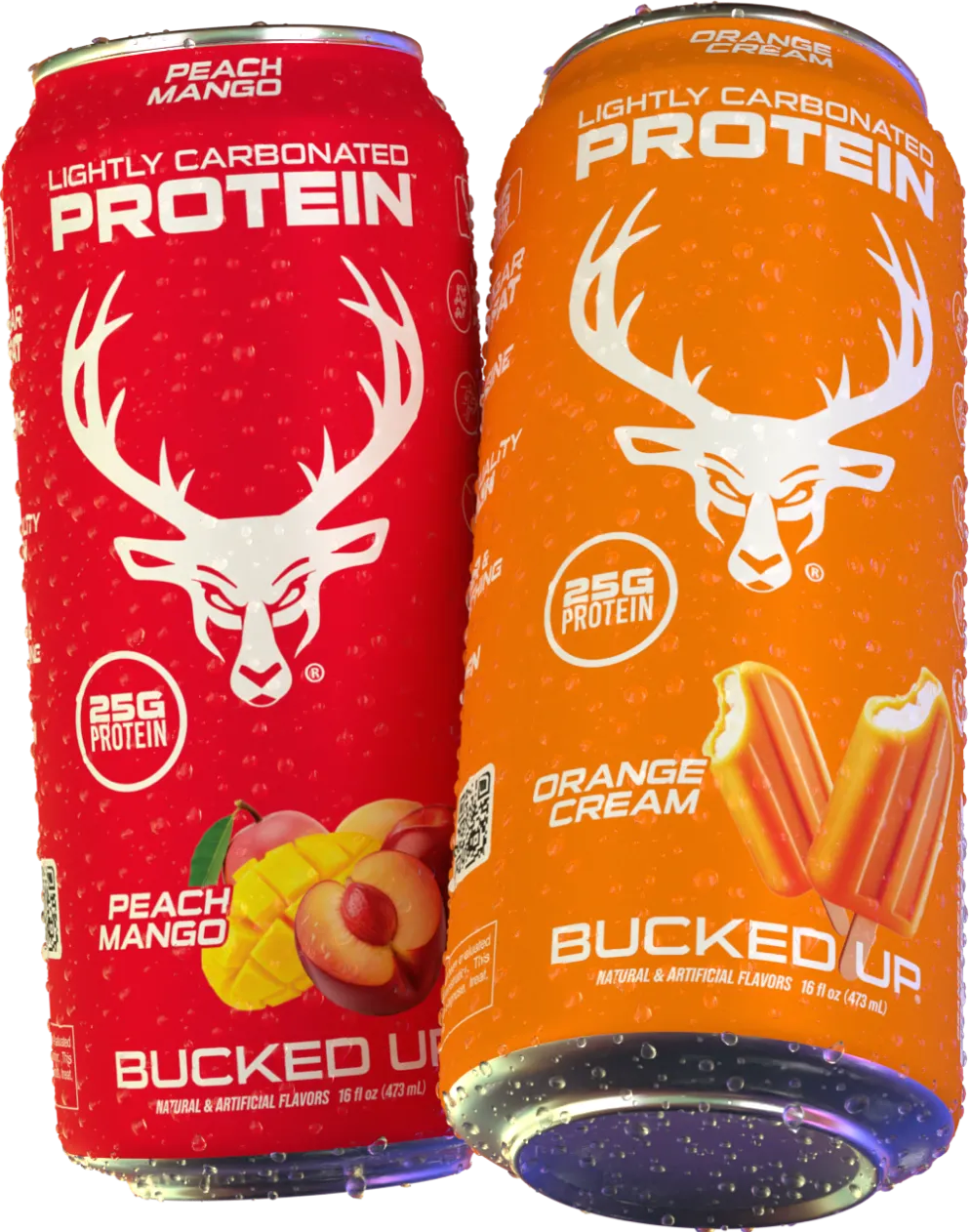
- Bucked Up Protein Soda offers zero-sugar, keto-friendly convenience that fits smoothly into a 2026 fitness routine.
How to Compare Protein Soda and Protein Shakes
Protein quality sits at the top of the comparison list. Whey protein isolate provides superior solubility and faster digestion than whey protein concentrate used in many traditional shakes.1 Isolate goes through additional processing that removes most lactose and fat, which increases protein purity per serving.
Calorie efficiency also plays a major role in weight management and daily nutrition. Protein sodas usually deliver fewer calories per gram of protein than many shakes. Traditional options often include added fats, carbohydrates, and sugars that raise total calories without increasing protein content.
Taste, texture, and portability influence how consistently you drink your protein. Traditional shakes often need a shaker bottle and can feel chalky. Carbonated protein drinks come ready to drink and offer a crisp, soda-like experience that many people find easier to enjoy every day.
Preparation time affects how reliably you hit your protein goals. Ready-to-drink cans remove measuring, mixing, and cleanup. That simplicity helps on busy workdays, travel days, and long training blocks.
GLP-1 compatibility now matters for many people using these medications for weight management. Dietitians recommend liquid protein sources for GLP-1 users who struggle with solid foods because of appetite changes and gastrointestinal side effects.
Track recovery time after workouts, note any digestive discomfort or bloating, and watch how easily each format helps you reach daily protein targets. The following comparison applies these criteria to Bucked Up Protein Soda and leading traditional shake options.
Head-to-Head Comparison: Bucked Up Protein Soda vs Traditional Shakes
The table below shows how a clear, carbonated protein soda stacks up against popular ready-to-drink shakes in protein type, calories, sugar, and texture.
| Feature | Bucked Up Protein Soda | Premier Protein Shake | Muscle Milk RTD |
|---|---|---|---|
| Protein Content | 25g whey isolate | 30g blend of milk protein concentrate and calcium caseinate | 25g milk protein blend |
| Calories per Serving | 100 calories | 160 calories | Varies by product |
| Sugar Content | 0g sugar | 1g sugar | 0–5g sugar |
| Texture | Light, carbonated | Thick, creamy | Heavy, milky |
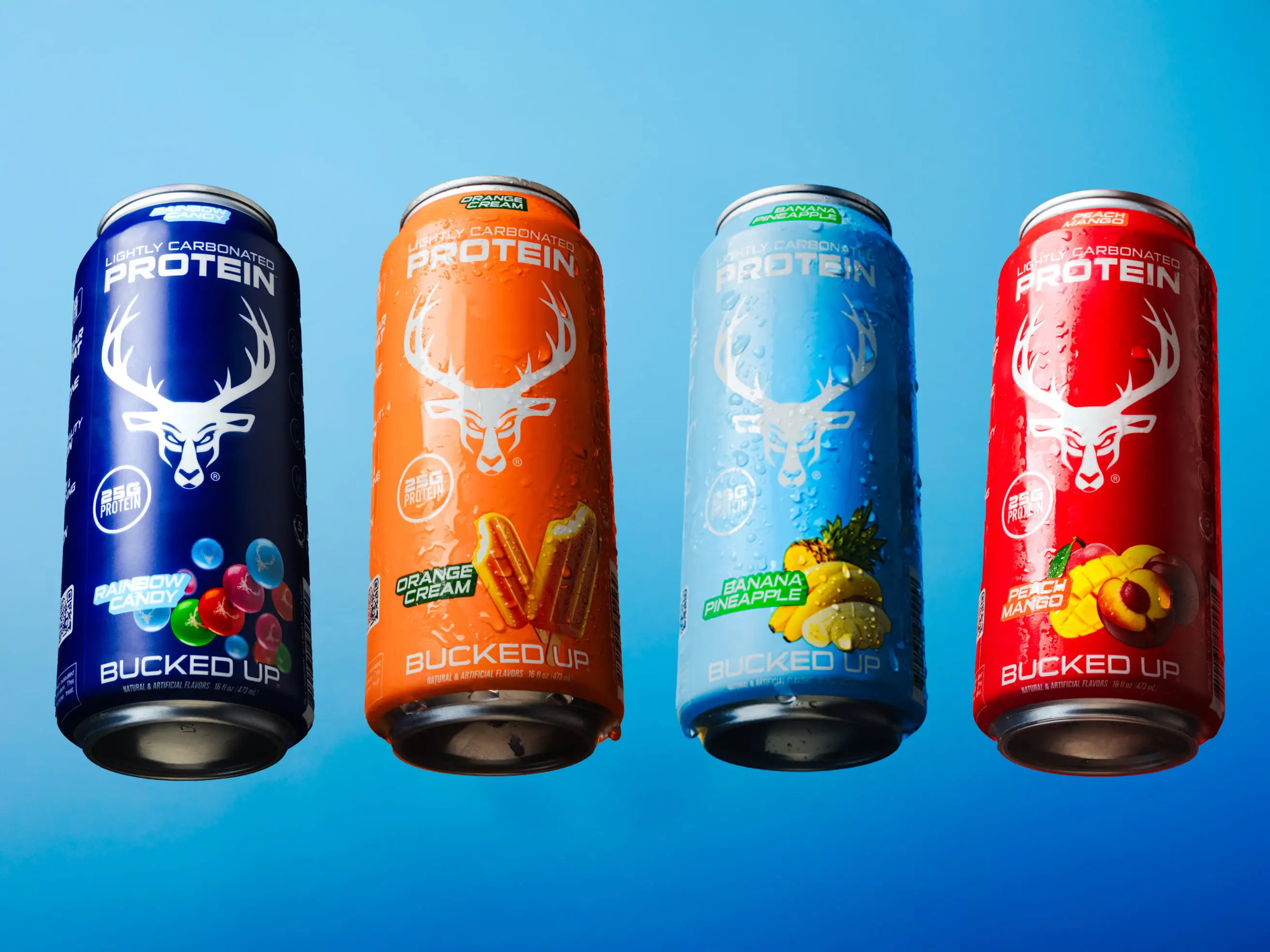
Bucked Up Protein Soda delivers this protein level in just 100 calories, while traditional shakes like Premier Protein and Muscle Milk often come with higher calorie counts. This sugar-free approach supports weight management goals while still supplying meaningful protein.1
The carbonated format feels refreshing and avoids the heaviness of creamy shakes, which helps when appetite drops after training. Get post-workout protein soda for convenient recovery nutrition that fits easily into your gym bag.1
Key Benefits: Absorption, Taste, Convenience, and GLP-1 Support
Fast-Acting Whey Isolate in a Clear Soda
Whey protein isolate provides faster absorption than concentrate because of its higher purity and lower lactose content.1 The clear, carbonated liquid arrives ready to drink, so you skip the extra time and effort of mixing powders before your body can use the protein.
Clear protein drinks often rely on hydrolyzed proteins broken into smaller peptides, which may be digested and absorbed more quickly than intact proteins in many shakes. This design supports muscle protein synthesis during the key post-workout window.1
Refreshing Taste and Lighter Texture
Protein sodas deliver energy drink-like refreshment without the chalky residue that many people associate with traditional shakes. The flavor experience feels closer to a flavored sparkling water or energy drink than a dessert-style shake.
The bubbly, light texture avoids the thick, creamy feel that some users struggle to finish, especially when appetite runs low or during hot weather. That lighter mouthfeel can make it easier to stay consistent with daily protein intake.
Grab-and-Go Convenience with Calorie Control
Ready-to-drink protein sodas remove prep work, which helps busy professionals and parents stay on track. You can keep cans at your desk, in your car, or in your gym bag without worrying about shakers or clumps.
At this calorie level per 25g of protein, protein sodas offer strong calorie efficiency compared to many shakes that land in the 150–200+ calorie range. For individuals managing body weight while protecting muscle, this 50–100 calorie difference per serving directly supports protein goals without pushing daily calories too high.
Why GLP-1 Users Often Prefer Liquid Protein
University of Rochester Medical Center dietitians recommend 80–100 grams of protein daily for GLP-1 users to help preserve muscle during weight loss.1 Liquid protein sources become especially useful when solid foods feel unappealing.
The light, carbonated format can feel easier to sip than heavy shakes during periods of nausea or reduced appetite. Adequate protein intake helps preserve muscle mass and supports metabolic rate during GLP-1 therapy, so convenient liquid options can play an important role.1
Real-World Use Cases: Busy Pros, Gym-Goers, and GLP-1 Users
Busy professionals and parents can lean on protein sodas during midday energy dips when cooking or meal prep feels unrealistic. The protein content mentioned earlier supports satiety without the 200+ calories found in many ready-to-drink shakes, which helps with weight control and daily nutrition.1
Athletes and gym-goers often reach for protein sodas right after training when they need protein but do not feel like drinking a thick shake. Growth in ready-to-drink protein sales reflects rising interest in convenient recovery options that avoid bloating and digestive discomfort.1
GLP-1 users need easily digestible protein to maintain muscle while appetite stays low. The liquid format usually feels more tolerable than solid foods, while Bucked Up’s sugar-free formula supports weight management goals. At approximately $4 per 25g serving, protein sodas offer competitive cost-per-gram value compared to many premium shakes.
The keto and paleo-friendly design with zero carbohydrates fits several nutrition approaches. That flexibility makes protein sodas practical for daily use across low-carb, high-protein, and general fitness lifestyles.
Decision Guide and Quick FAQ
Choose protein sodas when you want fast-absorbing protein, a light texture, and grab-and-go convenience. Select traditional shakes when you prefer higher calories for meal replacement or enjoy a creamy, dessert-like texture.
Try Bucked Up Protein Soda to experience a refreshing alternative to traditional protein drinks.
What makes Bucked Up Protein Soda different from other protein drinks?
Bucked Up uses 100% whey protein isolate in a lightly carbonated, crystal-clear drink that delivers the same 25g without a milky texture or chalky residue. The flavor profile feels closer to an energy drink while still helping you hit your protein targets.
Is Bucked Up Protein Soda keto and paleo friendly?
Yes. The zero carbohydrate and zero sugar formulation aligns with both ketogenic and paleo styles of eating. The calorie content comes entirely from high-quality whey protein isolate rather than added fillers.
Can I drink Bucked Up Protein Soda daily?
The caffeine-free formulation works for any time of day, including evenings. Multiple servings can help you reach daily protein targets in the 80–130g range, which supports people who struggle to get enough protein from whole foods alone.
Does it taste like a traditional protein shake?
No. Bucked Up Protein Soda provides a crisp, carbonated texture and energy drink-style flavor instead of a thick shake. You avoid the milky mouthfeel and chalky aftertaste that many users associate with traditional protein drinks.
Does carbonation affect protein absorption?
Carbonation does not reduce protein absorption. The whey protein isolate keeps its amino acid profile and bioavailability in a carbonated drink, so you receive similar muscle-supporting benefits to non-carbonated protein sources.1
Conclusion: Why Protein Soda Stands Out in 2026
Protein sodas can provide advantages in absorption speed, calorie control, and everyday convenience compared to many traditional shakes.1 The combination of whey protein isolate, a sugar-free formula, and a refreshing carbonated format addresses common complaints about heavy, chalky protein drinks.
For busy professionals, athletes, and GLP-1 users who want reliable protein without digestive heaviness or prep time, protein sodas offer a practical option. Explore Bucked Up Protein Soda to support your 2026 health and fitness goals with a lighter way to drink your protein.
1 The content provided in this article is for informational purposes only and is not medical advice. Consult with a medical professional before implementing any changes to your diet, health, or exercise routines.
Individual results will vary and are based on a combination of each individual’s diet, exercise, age, and health circumstances.
These statements have not been evaluated by the Food and Drug Administration. This product is not intended to diagnose, treat, cure or prevent any disease.
This article was written by Ryan Gardner, CEO of Bucked Up. As the maker of Bucked Up Protein Soda, we have a financial interest in this information. The views expressed are our own and should be read with that context in mind.