Last updated: April 22, 2026
Key Takeaways for Protein, Appetite, and Bucked Up Soda
- Protein increases satiety through hormones like GLP-1 and PYY while suppressing ghrelin, and it has a higher thermic effect of food (20–30%) than carbs or fats.
- Whey protein isolate digests faster, delivers more protein per calorie, and supports appetite control more effectively than many concentrates.
- GLP-1 users (Ozempic, Zepbound, Wegovy, Mounjaro) often need 0.45–0.68g protein per lb of ideal body weight daily to limit 20–40% muscle loss during weight reduction.
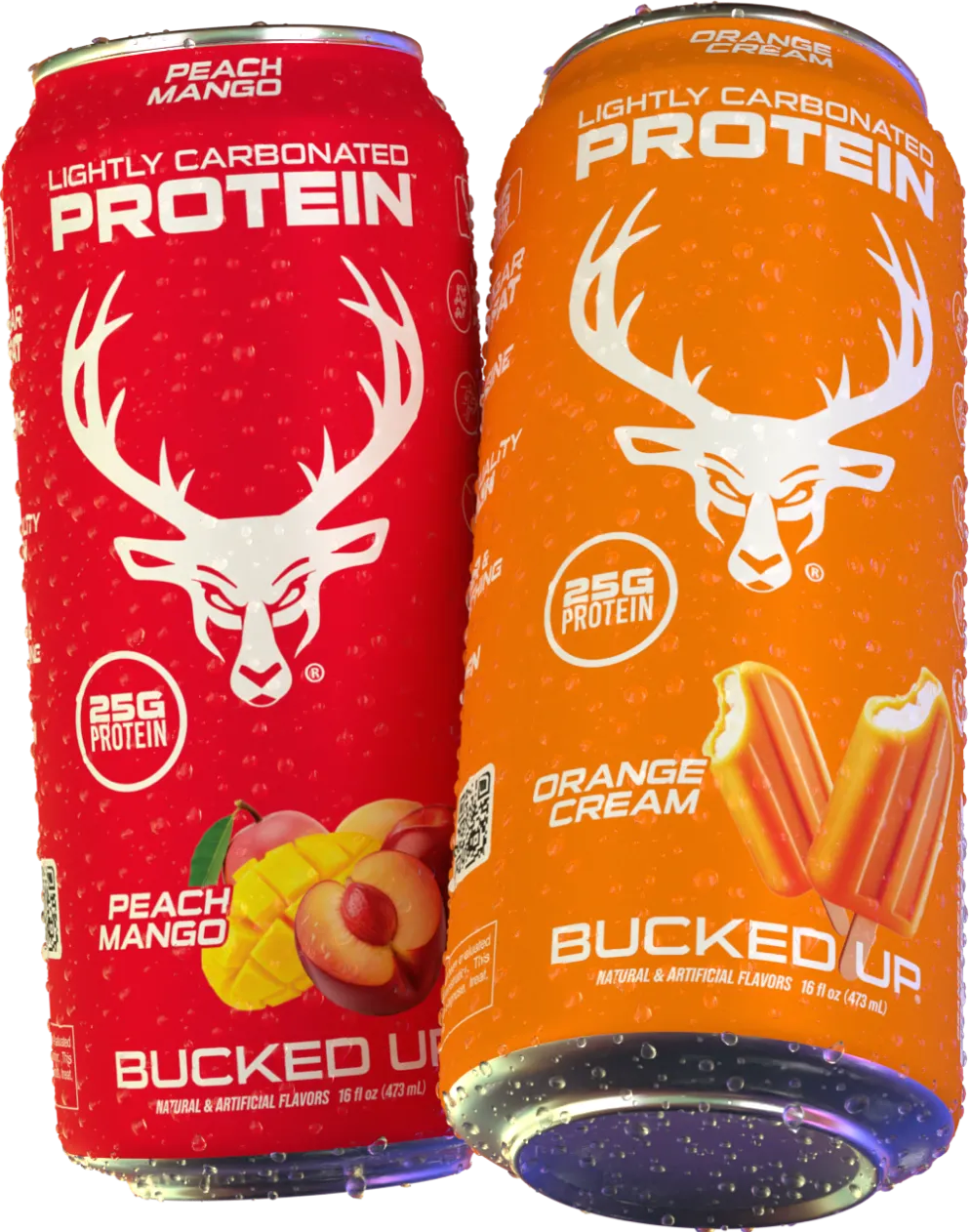
- Bucked Up Protein Soda packs 25g whey isolate in 100 calories with zero sugar and zero carbs, offering a lighter, easier-to-digest option than many creamy shakes.1
- Helpful timing includes post-workout, between meals, or in the morning; try Bucked Up Protein Soda to hit daily protein goals with less heaviness and more consistency.1
How Protein Supports Weight Loss and Appetite Control
Protein directly affects hunger, fullness, and metabolism. Protein has a thermic effect of food (TEF) of 20–30%, higher than carbohydrates at 5–10% or fats at 0–3%, burning up to 30 calories per 100 protein calories digested. Your body therefore spends more energy processing protein than it does processing carbs or fats.
Research also supports protein’s impact on fullness. Consuming 20g whey protein isolate significantly increased feelings of fullness compared to water at 60 minutes post-ingestion, with perceived hunger significantly reduced at 60 minutes. The effect links to appetite-related hormones. GLP-1 concentrations rose significantly within 15 minutes after whey protein compared to water and stayed elevated for 3 hours post-meal.
These hormonal shifts create practical, everyday benefits for appetite control:
- Higher satiety hormone production (GLP-1, PYY)
- Lower hunger hormone levels (ghrelin)
- Higher metabolic rate through the thermic effect of food
- Better lean muscle preservation during calorie restriction
Bucked Up’s whey protein isolate supports these outcomes by providing quickly absorbed protein in a light, refreshing drink instead of a heavy shake.1
Why Whey Protein Isolate Supports Hunger Control Better Than Many Concentrates
Not all protein sources deliver the same appetite-control benefits. The type of protein influences digestion speed, calorie density, and how easy it feels to drink consistently during a cut or weight-loss phase. Whey protein isolate typically has a high protein content with low fat and low lactose, making it leaner and faster digesting than whey protein concentrate. This lean profile supports appetite control and macro management.
Processing plays a major role in these differences. Whey protein isolate undergoes advanced filtration that removes most fats, carbohydrates, and lactose, which raises protein content by weight and lowers calories and carbs compared to whey protein concentrate. This higher protein-to-calorie ratio helps people in a fat-loss phase hit protein goals without adding many extra calories.
The same purity also affects how quickly your body can use the protein. Whey protein isolate absorbs faster than concentrate because less fat and lactose slow gastric emptying, which supports rapid amino acid delivery. Faster delivery can be especially helpful around workouts or when you want quick appetite support between meals. Bucked Up uses 100% whey protein isolate, which focuses each can on protein with minimal extra calories.
Using Protein Soda with GLP-1 Medications (Ozempic, Zepbound, Wegovy, Mounjaro)
People using GLP-1 receptor agonists often struggle to eat enough protein because of reduced appetite and nausea. Protein sodas can help bridge that gap. Patients taking GLP-1 receptor agonists like semaglutide (Ozempic, Wegovy) and tirzepatide (Mounjaro, Zepbound) are often advised to aim for 0.45–0.68 grams of protein per pound of ideal body weight daily to preserve lean muscle mass during weight loss.
Muscle preservation matters during rapid weight loss. Clinical studies indicate that 20–40% of weight lost can come from lean mass when protein intake is inadequate. In addition, SURMOUNT-1 trial findings showed that around 25% of total weight lost on GLP-1 receptor agonists came from lean muscle mass.
Protein spread across the day helps protect that lean mass. GLP-1 patients are often encouraged to distribute protein across meals with 20–30 grams of high-quality protein per meal to support muscle protein synthesis and preservation. When solid food feels difficult because of nausea or early fullness, supplements like whey or plant-based powders and ready-to-drink options in the 20–30g range can help.
| Timing | Dosage | Benefit |
|---|---|---|
| Morning with breakfast | 1 can (25g protein) | Starts daily protein intake on track |
| Between meals | 1 can (25g protein) | Supports satiety and reduces cravings1 |
| Post-workout | 1 can (25g protein) | Helps muscle recovery and repair1 |
The carbonated, light format of Bucked Up Protein Soda can feel easier for many GLP-1 users than thick shakes or heavy foods.1 Add Bucked Up Protein Soda to a GLP-1 nutrition plan to support muscle preservation while appetite is lower.1
Bucked Up Protein Soda: Formulation and Everyday Benefits
Bucked Up Protein Soda focuses on high protein with minimal extras. Each can delivers 25g of whey protein isolate in 100 calories with zero sugar, zero carbs, and a caffeine-free formula that tastes similar to an energy drink without a stimulant crash.1
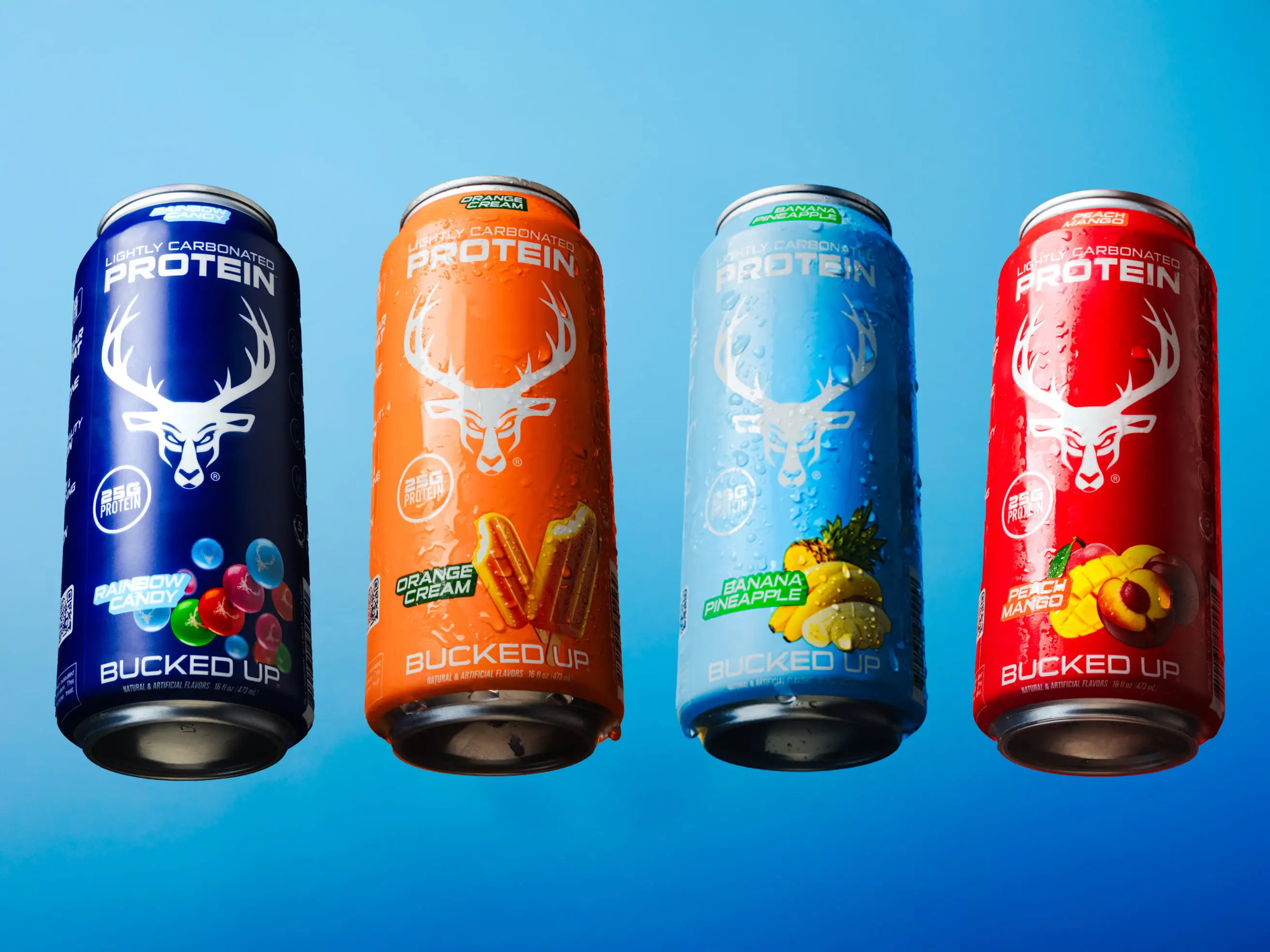
The ingredient list stays straightforward: whey protein isolate as the protein source, a carbonated water base, and natural flavors. Whey protein isolate provides more protein per gram than whey concentrate, which supports higher protein intake with fewer calories and can be easier to tolerate for many people with lactose sensitivity. The carbonated style also fits how isolate often performs. Isolate tends to create lighter, cleaner-texture drinks used in clear or juice-style proteins, unlike the thicker shakes often made from concentrate.
This format works for several lifestyles. GLP-1 users get a light, easier-to-digest option that supports muscle retention.1 Gym-goers gain a refreshing post-workout drink that does not feel heavy.1 Busy professionals and parents can grab a ready-to-drink protein source that many find more enjoyable than mixing powders.
The product grew from a simple insight: thick shakes, chalky powders, and heavy ready-to-drink options often feel inconvenient or unappealing. Bucked Up’s carbonated protein soda offers a different experience for people who still want the benefits of whey isolate.
Bucked Up Protein Soda Compared with Popular Protein Shakes
Several details help separate Bucked Up from many traditional protein shakes when appetite control and calorie awareness matter.
| Brand | Protein Type | Calories | Format | Sugar Content |
|---|---|---|---|---|
| Bucked Up | 25g Whey Isolate | 100 | Carbonated | 0g |
| Premier Protein | 30g protein from a blend of milk protein concentrate and calcium caseinate | 160 | Creamy RTD | 1g |
| Muscle Milk | 25g protein derived from milk | 158 | Creamy RTD | 0g |
| Fairlife Core Power | 26g protein from ultra-filtered milk | 170 | Milk-based RTD | 5g |
Absorption and digestibility also influence how a protein drink feels. Whey protein isolate generally provides a high protein content by weight with relatively low lactose and fat compared to many concentrates. That profile can support faster digestion and a lighter feel in the stomach.
For GLP-1 users and anyone sensitive to heavy textures, the carbonated, zero-sugar format offers a different experience than creamy shakes, while still fitting weight management and blood-sugar-conscious goals.
Best Times to Drink Protein Soda for Appetite and Results
Consistent, well-timed intake helps you get the most appetite and recovery benefits from protein soda.
- Post-workout (within 30 minutes): Supports muscle protein synthesis and recovery after training.1
- Between meals: Helps maintain fullness and reduce mid-day or late-night snacking.1
- Evening consumption: The caffeine-free formula supports overnight recovery without affecting sleep.1
- Morning boost: Starts your day with protein without the heaviness of a large breakfast.
For a 30-day plan, many people use 1–2 cans daily, depending on their total protein target. Spreading dietary protein evenly throughout the day at about 25–30 grams per meal supports muscle protein synthesis and weight loss more effectively than uneven intake. Each Bucked Up can provides 25g, which fits that per-meal target discussed earlier.
Customer Feedback on Taste, Convenience, and Daily Use
Customer feedback consistently highlights both flavor and practicality. One user shared, “The protein sodas far exceeded my expectations. They taste similar to an energy drink and don’t have any weird aftertaste like some other clear whey protein drinks do. Will definitely buy again.”
This kind of taste experience can remove a major barrier to regular protein intake. Another customer focused on how it fits daily goals: “I need to consume 130g of protein daily, and honestly, I’ve never found a product that made that goal feel this easy. Protein powders? No thanks. This drink? I could knock back multiple cans a day and actually enjoy doing it.”
Several customers also mention overcoming skepticism about a carbonated whey drink. One review noted, “I’ll be honest, I was skeptical when I saw the words ‘whey protein’ on a carbonated soda. My past experiences with protein drinks have been… less than pleasant. Chalky textures, weird aftertastes, and a struggle to get them down. But Bucked Up absolutely blew me away with this one!”
Together, these testimonials show how a lighter texture and enjoyable flavor can make consistent protein intake more realistic for everyday life.
Frequently Asked Questions
Does carbonation affect protein absorption?
Carbonation does not reduce protein absorption or effectiveness. The whey protein isolate in Bucked Up Protein Soda remains fully bioavailable in a carbonated drink.1 For some people, the light, bubbly texture can even feel easier on the stomach than thick shakes.
Can I drink protein soda daily for weight loss?
Protein soda can fit into a daily weight-loss plan when used alongside balanced meals. Each can has 100 calories and 25g of whey protein isolate, which supports protein goals without a large calorie load.1 Many people use 1–2 cans per day to help stay full and protect lean muscle while eating fewer calories overall.1
Is protein soda suitable for people on GLP-1 medications?
Protein soda can work well for many GLP-1 users who need more protein but feel full quickly. The light, carbonated format often feels easier to tolerate than heavy shakes when nausea or early satiety shows up.1 Each can provides 25g of protein, which helps move toward the commonly recommended 0.45–0.68g per lb of ideal body weight per day.1
How does protein soda compare to traditional protein shakes for appetite control?
Protein soda offers a different experience than many traditional shakes. The whey protein isolate supports fast digestion and high protein per calorie.1 The carbonated format feels lighter and more refreshing, which can make daily use easier. Many people also find it avoids the bloated feeling that sometimes comes with thick, creamy shakes.
Is Bucked Up Protein Soda keto-friendly?
Bucked Up Protein Soda fits well within ketogenic macros. It contains zero carbs, zero sugar, and 100 calories that come from protein, which supports muscle maintenance and satiety during low-carb or keto phases.1
Protein sodas provide a science-backed way to support weight loss, appetite control, and muscle preservation.1 Research on protein, especially whey isolate, shows strong effects on satiety and lean mass during calorie restriction. Experience Bucked Up Protein Soda if you want a convenient, great-tasting protein option that fits modern nutrition and weight-management goals.
1 The content provided in this article is for informational purposes only and is not medical advice. Consult with a medical professional before implementing any changes to your diet, health, or exercise routines.
Individual results will vary and are based on a combination of each individual’s diet, exercise, age, and health circumstances.
These statements have not been evaluated by the Food and Drug Administration. This product is not intended to diagnose, treat, cure or prevent any disease.
This article was written by Ryan Gardner, CEO of Bucked Up. As the maker of Bucked Up Protein Soda, we have a financial interest in this information. The views expressed are our own and should be read with that context in mind.