Last updated: April 22, 2026
Key Takeaways: How Protein Soda Fits Into Muscle Gain
- Protein sodas with 20-25g whey protein isolate can support muscle protein synthesis similar to traditional shakes when combined with resistance training.1
- Whey isolate in protein sodas offers fast absorption, high leucine content (about 2.8g per 25g), and high protein purity for effective muscle gain.1
- Light carbonation does not impair protein absorption in healthy individuals, so protein sodas remain a convenient, viable option.1
- Protein sodas can help GLP-1 users, including those on Ozempic, by providing 25g protein in 100 calories to preserve muscle during reduced appetite.1
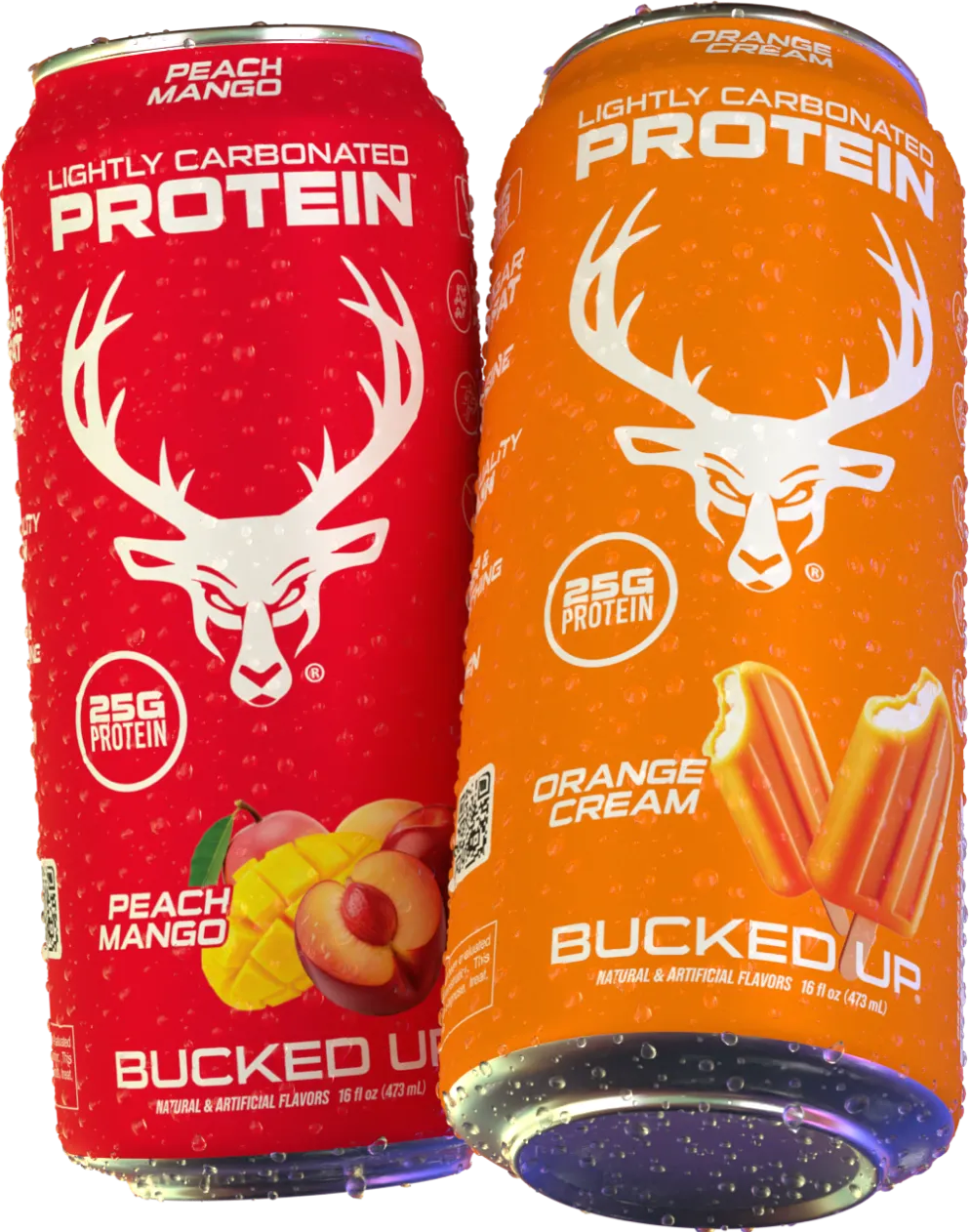
- Get Bucked Up Protein Soda for zero-sugar, ready-to-drink muscle support any time of day.1
Does Protein Soda Actually Work for Muscle Gain?
Protein sodas can deliver muscle-building benefits similar to traditional protein sources when they provide enough high-quality protein such as whey protein isolate.1 A 20-25g serving of whey isolate typically meets the leucine threshold of about 2.5-3g per serving, which supports muscle protein synthesis.1
Resistance training combined with daily protein intake of about 0.7g per pound of body weight supports muscle hypertrophy regardless of delivery format. For a 180-pound individual, this translates to roughly 130g of protein daily. A single protein soda containing 25g of whey isolate can contribute toward this goal while offering rapid amino acid availability.1 Evaluate protein sodas within the context of your total daily protein intake and training routine.
Beyond meeting daily totals, timing your protein intake can further support results. The post-workout anabolic window, while less critical than once believed, still benefits from timely protein intake. Protein sodas offer convenience for immediate post-exercise consumption without preparation time. Grab ready-to-drink post-workout protein that requires no mixing or cleanup.
Protein Soda Absorption Compared to Traditional Shakes
Whey protein isolate, used in some quality protein sodas, goes through filtration that removes fats, carbohydrates, and much of the lactose. This process creates a concentrated protein source that dissolves completely and mixes clearly.
Whey isolate contains significantly higher protein by weight than concentrate, which supports efficient amino acid delivery per calorie.1
Concerns about carbonation and protein absorption lack scientific support in healthy individuals. Light carbonation does not significantly impair nutrient absorption in healthy individuals1. While carbonated beverages can slow gastric emptying in gastroparesis patients, this condition affects a relatively small portion of the population.
| Protein Type | Absorption Speed | Protein Content | Leucine per 25g | Muscle Gain Suitability |
|---|---|---|---|---|
| Whey Isolate | Fast (soluble in acidic environments) | High | ~2.8g | High |
| Whey Concentrate | Moderate | Moderate | ~2.5g | Moderate |
| Collagen | Moderate | High | ~0.6g | Low (incomplete amino profile) |
Clear protein formulations remain soluble in acidic stomach environments. When comparing products, look at solubility, protein content per serving, and leucine levels to gauge muscle gain potential.
Protein Sodas for Muscle Preservation on GLP-1 Medications
Protein sodas work well for general muscle gain and also offer specific advantages for people facing appetite changes.1 GLP-1 receptor agonists like Ozempic, Zepbound, and Tirzepatide create unique challenges for protein intake because they can reduce appetite and increase food aversion. These medications can lead to significant muscle loss alongside fat reduction if protein intake becomes inadequate.
Protein sodas can help address this challenge by providing 25g of easily absorbed whey isolate in just 100 calories.1 The light, carbonated format often feels easier to tolerate for individuals experiencing nausea or solid food aversion common with GLP-1 medications. Many people find that a crisp, drinkable option encourages more consistent protein intake than a thick shake.
The zero-sugar, zero-carb formulation supports weight management goals while contributing to muscle preservation.1 For GLP-1 users who struggle to meet protein requirements through whole foods, protein sodas offer a practical option that does not interfere with medication effectiveness or weight loss progress.
How Bucked Up Protein Soda Compares to Other Options
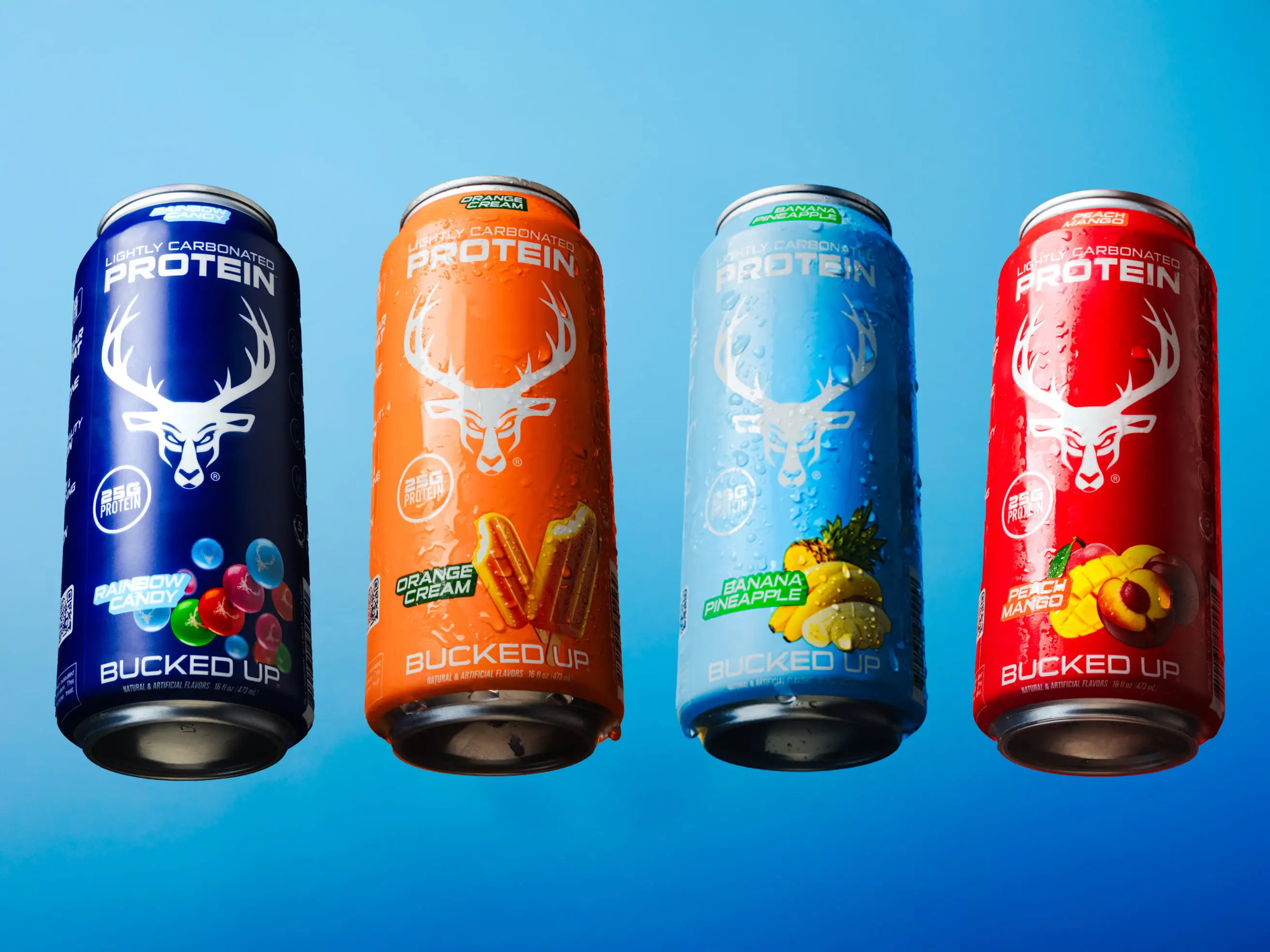
Bucked Up Protein Soda can stand out through features like 25g of whey protein isolate per can, zero sugar, and zero carbs at only 100 calories. This combination provides a meaningful protein dose without adding many extra calories. Verify nutritional details on the product page.
The energy drink-like taste profile may appeal to users who prefer a light, refreshing option instead of a creamy shake. This taste experience comes from a formulation produced in GMP-certified USA facilities, which supports consistent quality standards. For those following specific dietary approaches, the zero-carb, zero-sugar profile can suit keto and paleo diets. Find Bucked Up Protein Soda on Amazon for convenient ordering and delivery.
Trade-Offs and Drawbacks of Protein Drinks
Different protein delivery formats come with distinct trade-offs that matter for muscle gain, budget, and lifestyle. Always verify nutritional labels for specific products such as Premier Protein RTD shakes when comparing calories, ingredients, and serving sizes.
| Format | Absorption Rate | Calories per 25g Protein | Convenience | Taste/Texture |
|---|---|---|---|---|
| Protein Sodas | Fast (clear whey isolate) | 100 | Ready-to-drink | Light, refreshing |
| RTD Shakes (Premier Protein) | Moderate | 133 | Ready-to-drink | Creamy, heavy |
| Protein Powders | Variable | 100-150 | Requires mixing | Depends on preparation |
Protein sodas may offer faster absorption and lower calories per 25g protein but can cost more per serving than powders.1 Traditional RTD shakes may feel heavier for some people, while powders require mixing and cleanup. Clear protein formulations offer advantages in solubility, which can support digestion and mouthfeel.1 Consider your priorities for cost, convenience, taste, and digestibility when choosing a format.
Main limitations of protein sodas include higher per-serving cost compared to bulk powders and potentially limited flavor variety, depending on the brand.
Best Timing and Daily Use for Protein Sodas
Effective protein soda use aligns with muscle protein synthesis patterns and your daily schedule. Post-workout timing within about 2 hours supports recovery, even though the anabolic window extends longer than early research suggested.1
Daily integration strategies should fit your routine and protein distribution goals. Post-workout recovery within 30-60 minutes of training takes advantage of elevated muscle protein synthesis. Between meals, mid-morning or afternoon protein sodas help bridge long gaps and maintain steady amino acid availability.1
For evening use, the caffeine-free formulation allows a protein boost without affecting sleep. During travel or busy days, ready-to-drink cans can stand in for a meal when whole food preparation is not realistic.
Multiple daily servings can contribute significantly to total protein goals without causing heavy digestive stress for many users. The caffeine-free profile supports flexible timing without sleep disruption concerns. Build your protein routine with Bucked Up Protein Soda and fit protein into the times that work best for you.
Frequently Asked Questions
Does carbonation hinder protein absorption?
Light carbonation does not significantly impair protein absorption in healthy individuals. The carbonation level in protein sodas stays lower than in many traditional soft drinks and does not interfere with amino acid uptake. The whey isolate remains fully bioavailable regardless of the carbonated delivery format.1
Can I drink protein soda daily?
Daily consumption of protein sodas can safely support protein requirements for most healthy adults. A 25g serving provides substantial amino acids without excessive calories or many added ingredients. Multiple daily servings can support muscle gain goals when combined with resistance training and adequate total daily protein intake.1
How do protein sodas compare to shakes for GLP-1 users?
Protein sodas provide a light, low-calorie option with whey isolate that some GLP-1 users may tolerate more easily than heavier shakes. Each 100-calorie can delivers 25g of protein, which can help offset reduced food intake. Personal tolerance, calorie needs, and nausea levels should guide the choice between sodas and shakes.
What makes whey isolate different from other protein types?
Whey isolate goes through additional processing that removes fats, carbohydrates, and much of the lactose, which raises the protein percentage compared to concentrate. This process supports faster absorption, higher leucine content per gram, and often better digestibility for people sensitive to lactose.1 For muscle gain, isolate can provide more efficient amino acid delivery than concentrate, collagen, or many plant proteins with incomplete amino acid profiles.1
Are protein sodas suitable for all fitness levels?
Protein sodas with 25g servings can benefit individuals across fitness levels when used to help meet protein needs alongside appropriate training.1 The convenient, ready-to-drink format may appeal to beginners, busy professionals, and advanced lifters who want an alternative to traditional shakes or whole-food snacks. Protein sodas can support protein intake in many scenarios. Find your fitness-level protein solution with Bucked Up.
1 The content provided in this article is for informational purposes only and is not medical advice. Consult with a medical professional before implementing any changes to your diet, health, or exercise routines.
Individual results will vary and are based on a combination of each individual’s diet, exercise, age, and health circumstances.
These statements have not been evaluated by the Food and Drug Administration. This product is not intended to diagnose, treat, cure or prevent any disease.
This article was written by Ryan Gardner, CEO of Bucked Up. As the maker of Bucked Up Protein Soda, we have a financial interest in this information. The views expressed are our own and should be read with that context in mind.