Last updated: April 22, 2026
Key Takeaways
- Randomized trials show ready-to-drink whey protein can increase skeletal muscle mass and improve grip strength over 10 weeks vs placebo.11
- Whey protein isolate absorbs faster, offers higher purity, and digests more easily than concentrates, which can reduce bloating.1
- Protein sodas provide convenient post-workout nutrition during the early recovery window, supporting muscle protein synthesis without prep or cleanup.1
- A high protein-to-calorie ratio supports muscle preservation during weight loss, which can help GLP-1 users and people on calorie-restricted diets.1
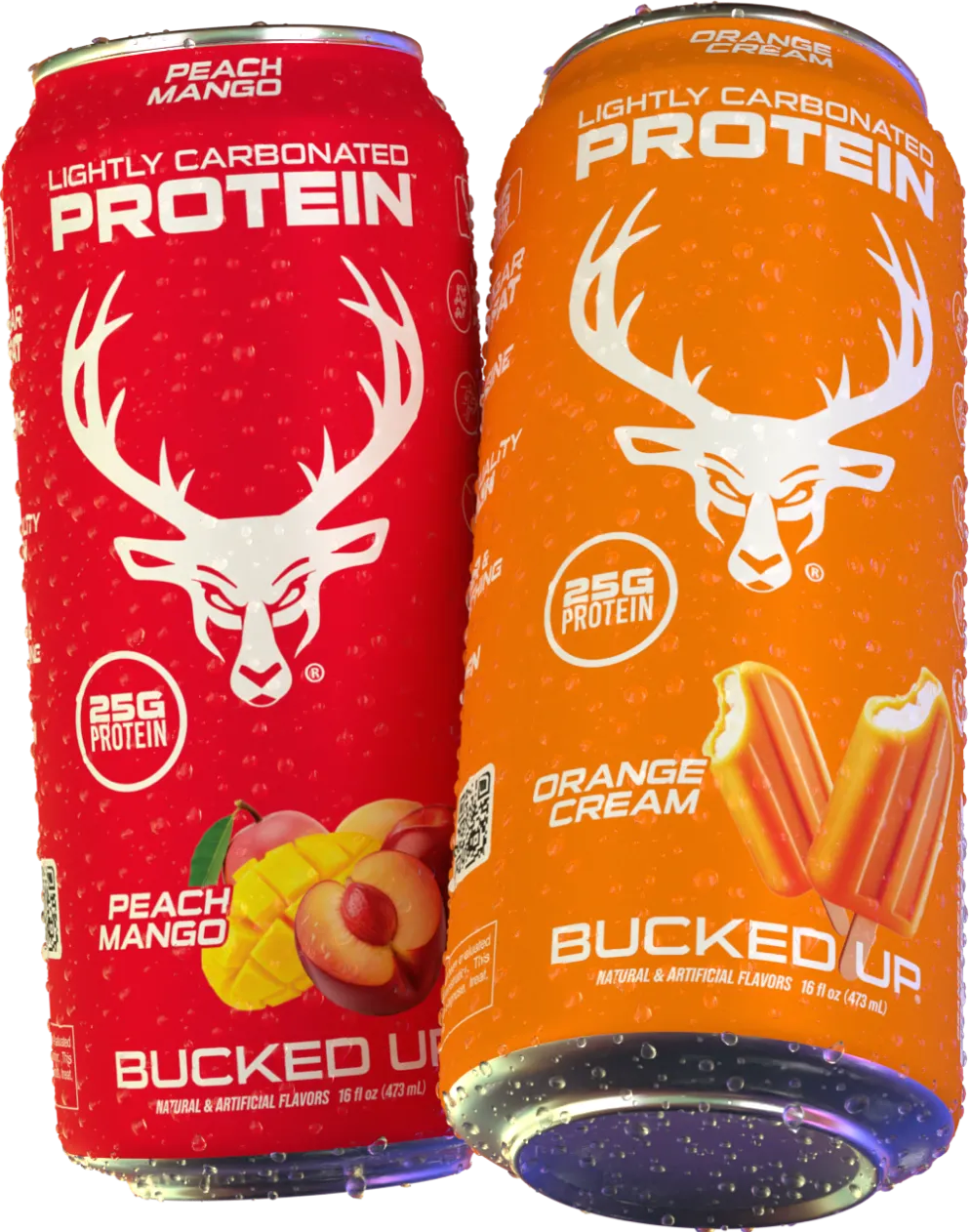
- Pair Bucked Up Protein Soda with resistance training to support muscle growth, and explore the 25g whey isolate formula in a zero-sugar, carbonated format.1
Clinical Research Behind Ready-to-Drink Protein for Muscle Growth
Recent trials validate the muscle-building potential of ready-to-drink protein beverages.1 A 10-week randomized, double-blind, placebo-controlled trial involving 45 Korean adults aged 65+ found that 38g daily whey protein supplementation produced significantly greater skeletal muscle mass index increases than placebo (intervention +0.5 vs control -1.0, between-group difference 1.5, P = .004).1 The same study demonstrated substantial functional improvements, with participants experiencing meaningful gains in physical performance metrics.1
Key muscle growth indicators from this research include:
- Hand grip strength improvements in the protein group over 10 weeks1
- Electronic Short Physical Performance Battery scores improving by 1.4 points (P = .017)
- Skeletal muscle mass preservation even in older adults at risk for sarcopenia1
Ready-to-drink protein beverages surpassed powder formats in sports-nutrition retail value share in 2025. This shift reflects the practical advantages of protein sodas: no mixing, consistent dosing, and flavor profiles that support long-term adherence to protein intake goals.
Why Whey Isolate Works Well in Clear Protein Sodas
Whey protein isolate offers absorption and solubility advantages compared to concentrate formulations.1 Beverage formulators often choose whey isolates with 80–88% solubility at pH 3.5 for clear, shelf-stable protein drinks, which enables the transparent appearance that separates protein sodas from traditional milky shakes. This solubility can support reliable amino acid availability for muscle protein synthesis.1
Animal-derived proteins, including whey, held 66.96% market share in 2025 and remain common in sports recovery products because of leucine content and high digestibility. Leucine acts as a trigger for muscle protein synthesis, so the leucine content in whey isolate plays a useful role in post-workout recovery and muscle growth support.1 The following comparison illustrates how Bucked Up’s isolate formulation differs from traditional concentrate shakes across key performance metrics:
| Metric | Bucked Up Isolate Soda | Traditional Concentrate Shake | Source |
|---|---|---|---|
| Absorption Speed | Faster | Standard | Mordor |
| Protein Purity | Isolate | 70–80% | Product labels |
| Calories | 100 | Often higher | Product labels |
| Digestibility | High, lactose-free | May cause bloating | Mordor |
Bucked Up’s clear whey isolate formulation removes the lactose and much of the fat content found in some concentrate products. This reduction can ease digestive discomfort while still supporting efficient protein delivery.1 The result is a product suitable for many lactose-intolerant individuals and for people who want straightforward post-workout nutrition.
Post-Workout Timing and How Protein Sodas Fit In
Consuming 20–40g of high-quality protein within about 30 minutes after exercise can support muscle protein synthesis.1 Protein hydrolysates provide rapid amino acid absorption linked to muscle protein synthesis. Carbonation does not appear to impair protein absorption or muscle protein synthesis when consumed in moderate amounts. The light carbonation in protein sodas may support gastric motility, which can help nutrient delivery during this post-workout window.1 The table below compares how protein sodas and traditional shakes perform across several recovery-related metrics:
| Metric | Protein Soda Effect | Shake Effect | Source |
|---|---|---|---|
| Muscle Synthesis | Rapid AA peak | Slower | Studies |
| Grip Strength Gain | Improvement over 10 weeks | Comparable | JMF 2024 |
| Recovery Time | Potentially accelerated | Standard | Mordor |
The convenience of protein sodas removes preparation barriers that often delay post-workout nutrition. Powder-based shakes require mixing and cleanup, while ready-to-drink protein sodas allow immediate consumption when muscle protein synthesis rates are high. Grab a Bucked Up Protein Soda to support your post-workout recovery window.
Protein Sodas vs Traditional Shakes for Recovery
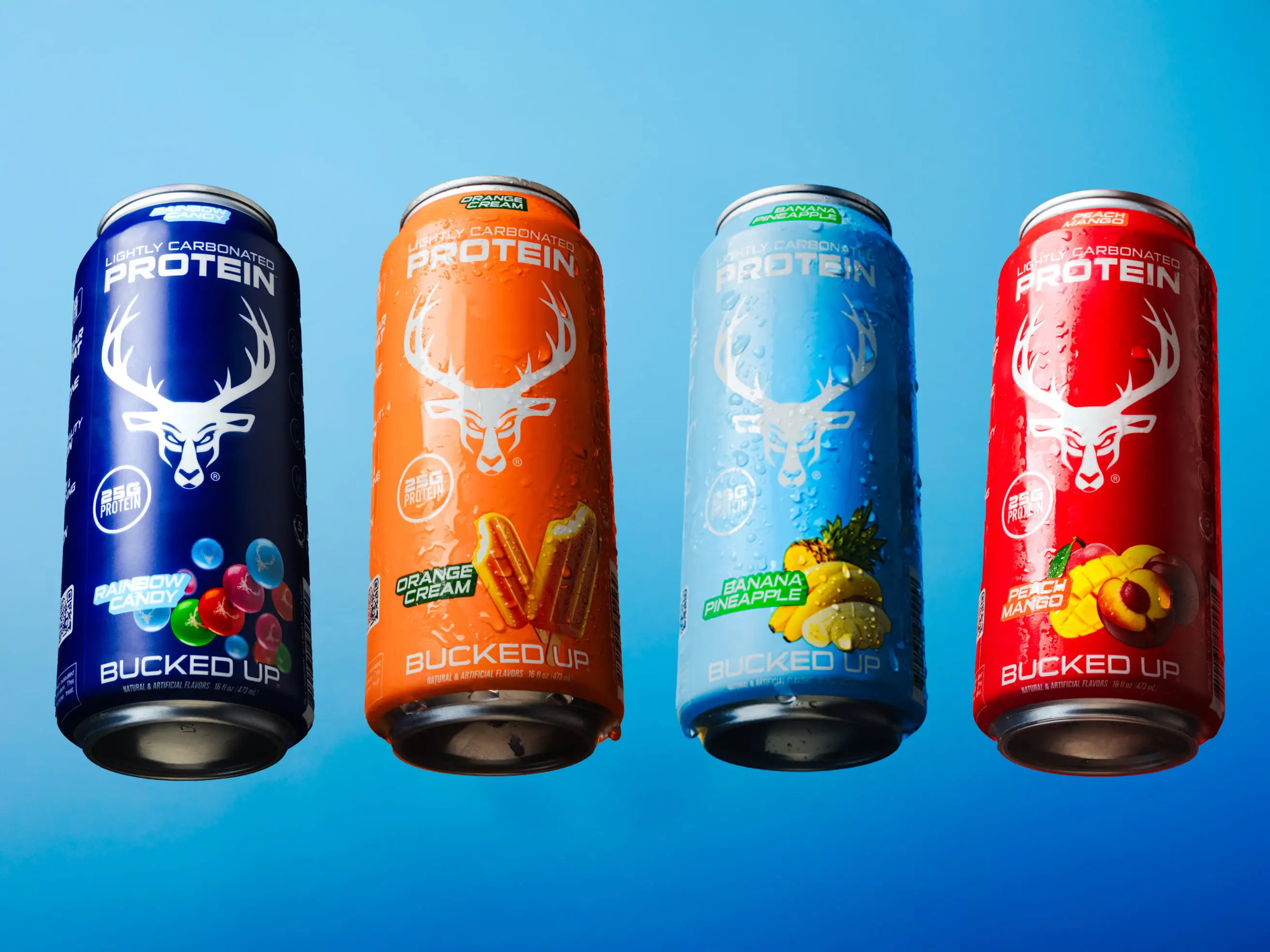
Beyond timing advantages, the format itself, soda versus shake, creates meaningful differences in how your body tolerates and enjoys protein. Protein sodas offer advantages over traditional shakes in convenience, digestibility, and day-to-day compliance. The lighter, non-dairy style can reduce bloating and heaviness associated with some milk-based protein drinks while still delivering leucine and essential amino acids for muscle recovery. Microencapsulated whey-protein systems can also address sedimentation issues in acidic ready-to-drink beverages.
Bucked Up’s 100% whey isolate formulation can stand out compared to products that use whey concentrate or collagen protein blends. Collagen can support joint, nail, and hair health, yet it may not provide a complete amino acid profile for muscle protein synthesis. Whey isolate helps fill that gap for muscle-focused goals.
Muscle Preservation for Weight Management and GLP-1 Users
High protein-to-calorie ratios support muscle preservation during caloric restriction and structured weight management plans.1 Recent research shows that adequate protein intake during weight loss helps maintain lean body mass and metabolic rate. Bucked Up Protein Soda’s 25g protein per 100 calories provides a 1:4 protein-to-calorie ratio that supports satiety and muscle maintenance without adding many extra calories.1
GLP-1 agonist users often struggle with solid food intake because of delayed gastric emptying and reduced appetite. The liquid, carbonated format of protein sodas can help maintain protein intake when solid foods feel difficult to tolerate. The zero-carb, zero-sugar formulation also aligns with ketogenic and paleo dietary approaches that many people pair with GLP-1 medications for weight management.
How Protein Sodas and Protein Powders Support Training
Protein sodas do not build muscle without resistance training and adequate overall nutrition. Muscle protein synthesis requires the stimulus of progressive overload through exercise plus sufficient protein intake. Ready-to-drink protein sodas like Bucked Up deliver leucine and a complete amino acid profile similar to many protein powders, so they can support muscle growth when combined with appropriate training plans.1
The convenience of protein sodas can also support better training outcomes by helping you stay consistent with protein intake. When protein consumption feels easy and tastes refreshing, adherence to daily protein targets often improves, which supports long-term muscle-building goals.
Limitations and Best Practices for Protein Soda Use
Protein sodas should complement, not replace, a balanced diet that includes whole food protein sources. This whole-food foundation supplies vitamins, minerals, and other nutrients that isolated protein alone cannot provide. Within this balanced approach, protein sodas are generally safe for daily consumption, but individuals with specific medical conditions should consult healthcare providers before significantly increasing protein intake, since some kidney or liver conditions may require protein restriction. Bucked Up Protein Soda’s caffeine-free, zero-sugar formulation supports these safety considerations by minimizing potential side effects and allowing flexible use at any time of day.1
For practical results, drink protein sodas during the post-workout window discussed earlier and as part of a daily protein strategy targeting about 0.8–1.2g per pound of body weight for active individuals. This range can support both recovery and muscle gain when paired with resistance training.1
FAQ
How do protein sodas compare to traditional shakes for recovery?
Protein sodas can provide similar muscle-building support with added convenience and digestibility.1 The lighter, carbonated format removes much of the heaviness and prep time of traditional shakes while still delivering high-quality whey protein isolate. The clear, refreshing taste can encourage consistent daily use, which matters for long-term muscle-building progress.1
What’s the best time to drink protein soda?
The optimal timing is the 30-minute post-workout window when muscle protein synthesis rates are highest. Protein sodas also work well between meals or in the evening to help you reach daily protein targets. The caffeine-free formulation keeps them suitable for nighttime use without disrupting sleep.
Is daily protein soda consumption safe?
Daily use is generally considered safe for healthy individuals. Bucked Up Protein Soda contains zero sugar, zero carbs, and no artificial stimulants, which makes it a straightforward protein source for regular intake. This protein content fits well within common daily protein guidelines for active people when balanced with whole food sources.
Are protein sodas compatible with keto and paleo diets?
Protein sodas can fit into both keto and paleo styles of eating. The zero-carb, zero-sugar formulation aligns with ketogenic macronutrient targets, and the clean whey isolate supports paleo preferences for minimally processed, high-quality protein sources. This versatility makes them useful across many body-composition and performance plans.
How does whey isolate compare to other protein types in sodas?
Whey isolate offers fast absorption and a complete amino acid profile compared to whey concentrate or collagen proteins used in some beverages.1 The 90%+ purity removes lactose and can reduce digestive issues while supporting muscle protein synthesis.1 Whey isolate can be a strong option for people focused on fitness and muscle-building goals.
Conclusion
Scientific evidence supports protein sodas as a practical tool for muscle growth and fitness, thanks to whey isolate absorption, convenience, and consistent dosing compared to many traditional protein delivery methods.1 Research highlights muscle-building outcomes alongside an easier user experience, which can benefit gym-goers, busy professionals, and people managing weight with GLP-1 protocols. Bucked Up Protein Soda’s high-dose whey isolate, zero-sugar profile, and refreshing carbonated format can support convenient, effective protein supplementation.1 Try Bucked Up Protein Soda to experience this modern approach to protein delivery.
1 The content provided in this article is for informational purposes only and is not medical advice. Consult with a medical professional before implementing any changes to your diet, health, or exercise routines.
Individual results will vary and are based on a combination of each individual’s diet, exercise, age, and health circumstances.
These statements have not been evaluated by the Food and Drug Administration. This product is not intended to diagnose, treat, cure or prevent any disease.
This article was written by Ryan Gardner, CEO of Bucked Up. As the maker of Bucked Up Protein Soda, we have a financial interest in this information. The views expressed are our own and should be read with that context in mind.