Last updated: April 22, 2026
Key Takeaways
- Follow Dietary Guidelines recommending 1.2–1.6g protein per kg body weight daily (about 100–130g for most adults) to support muscle maintenance and satiety.
- GLP-1 users, including those on Zepbound, can lose 25–40% of total weight lost as lean mass, so high-quality, easy-to-consume protein sources matter.
- Top no-cook options include Bucked Up Protein Soda (25g), Greek yogurt (20–25g), cottage cheese (~25g), and canned tuna (20g).
- Aim for about 30g protein per meal and post-workout using the 30-30-3 rule to support muscle protein synthesis.
- Grab Bucked Up Protein Soda for a simple 25g ready-to-drink protein boost with no prep.
Quick Protein Wins Without Cooking
Busy professionals, parents, and gym-goers often need protein options that require zero preparation time. The updated Dietary Guidelines recommend 1.2–1.6 grams per kilogram of body weight daily, which works out to roughly 100–130g for most adults. Traditional cooking methods can consume time that many people simply do not have. Ready-to-consume options remove that prep barrier while still delivering the protein needed for muscle preservation, especially for GLP-1 users who can lose about 25%–40% of total weight loss as lean mass.
12 Convenient Ways to Supplement Your Daily Protein Intake
The following options move from the most portable, zero-prep choices into slightly more hands-on ideas that still avoid cooking, so you can match your protein strategy to your schedule and appetite.
1. Bucked Up Protein Soda
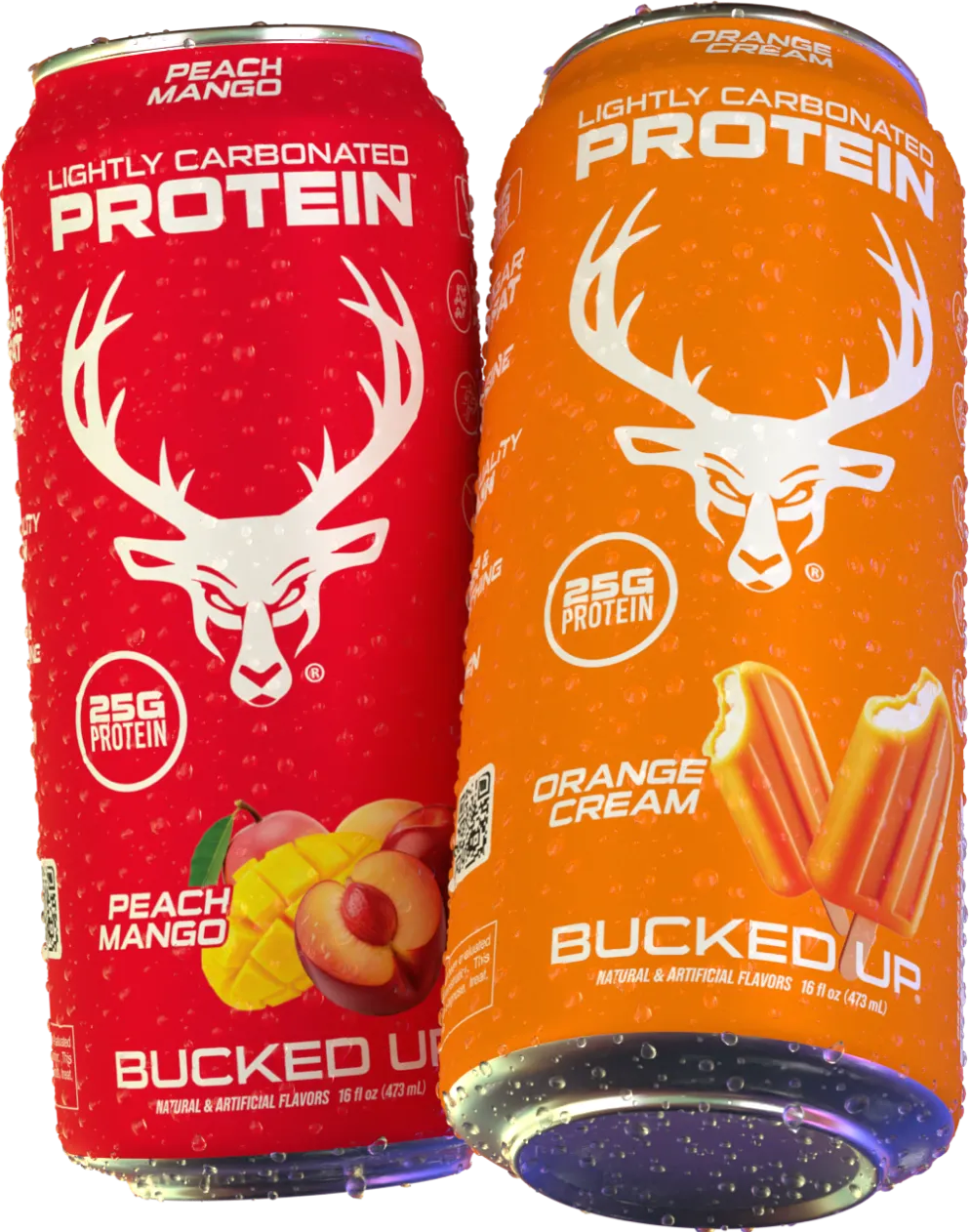
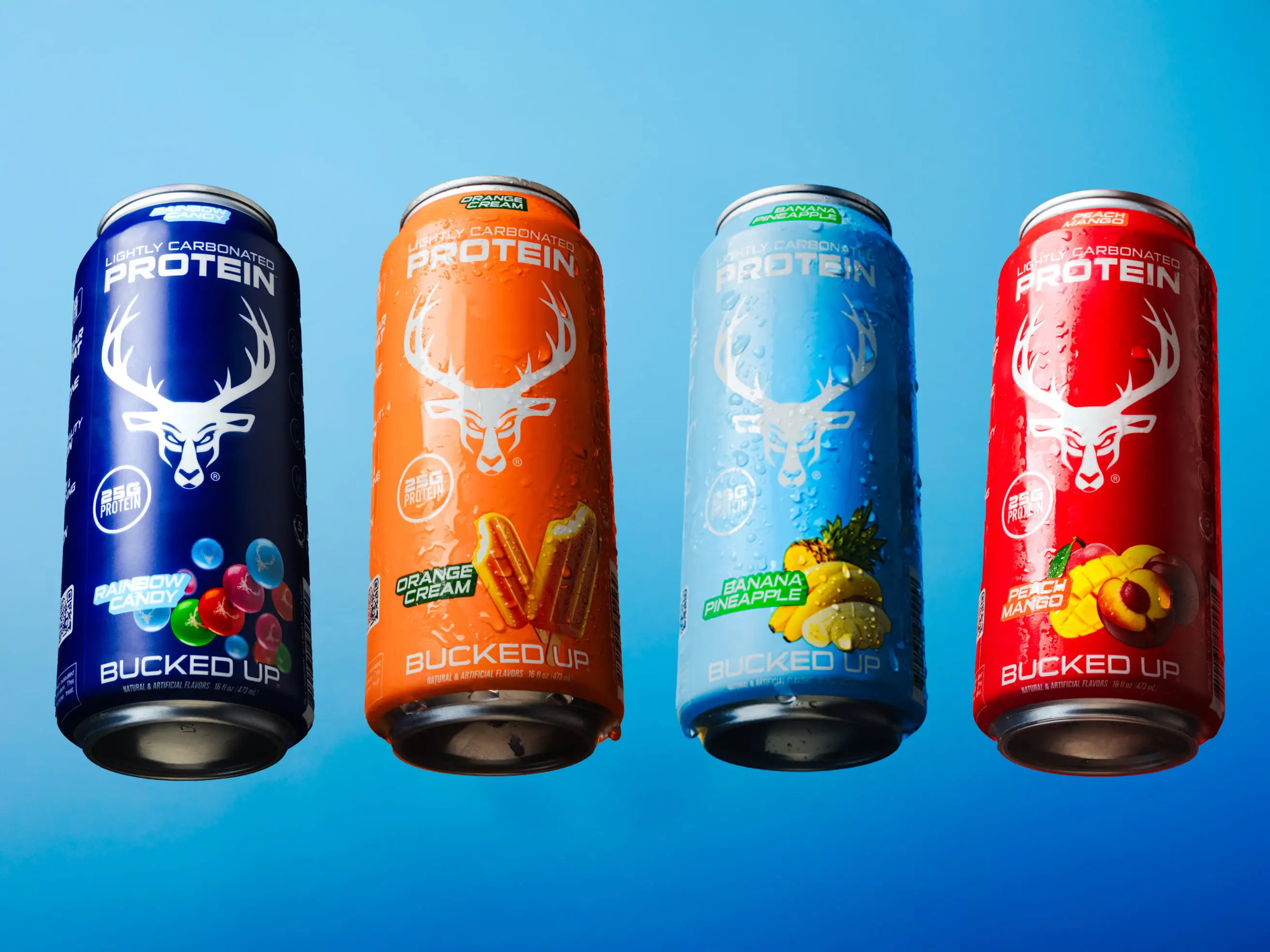
Bucked Up Protein Soda offers a ready-to-drink protein option that delivers 25g of whey protein isolate in a lightly carbonated, refreshing format. This caffeine-free drink uses whey isolate with low lactose and fat content for efficient absorption while keeping calories at 100 with zero sugar.1 The clear, non-milky formula works well for people who find traditional shakes too heavy or chalky.
For GLP-1 users managing reduced appetite, this liquid format can feel easier when solid foods seem overwhelming. UC Davis research highlights the role of high-quality protein in limiting muscle wasting during GLP-1 therapy, so a complete amino acid profile in an easy-to-drink can becomes especially useful. Manufactured in USA GMP-certified facilities, each can supports muscle recovery and maintenance with a convenient grab-and-go option.1 Shop now on Amazon.
2. Greek Yogurt
Greek yogurt typically delivers 20–25g protein per cup with around 100 calories. Research confirms its high protein density and probiotic benefits. The thick texture helps you feel full, so it fits well as a breakfast base or post-workout snack. Choose plain varieties and add your own fruit or nuts to keep sugars in check.
3. Cottage Cheese
Cottage cheese usually provides around 25g of protein per cup with relatively few calories and supplies casein protein for slower, sustained amino acid release. This makes it a solid choice for longer-lasting fullness, such as an evening snack. The mild flavor pairs with both sweet toppings like fruit and savory options like tomatoes or cucumbers. Low-fat versions keep protein high while trimming calories for weight management goals.
4. Canned Tuna or Salmon
A 5 oz can of chunk light tuna in water delivers about 20g of protein when drained and travels easily. Tuna offers lean protein with minimal calories, while salmon adds omega-3 fatty acids that support heart health. Single-serving pouches remove the need for a can opener and work well for desk lunches, road trips, or flights.
5. Hard-Boiled Eggs
Pre-cooked hard-boiled eggs supply about 6g protein each with complete amino acids. Batch-cooking a dozen at the start of the week creates quick grab-and-go snacks. Two large eggs provide 12.6g of protein, which helps, but nutrition experts recommend about 0.4 g/kg body weight of protein per meal (for example, 30g for a 75kg adult) to support muscle protein synthesis. Pair eggs with Greek yogurt, cottage cheese, or a protein drink to reach that per-meal target.
6. Protein Jerky and Nuts
Most beef jerky contains 9–12g of protein per 1-ounce serving and stores well for long periods. Almonds offer about 6g protein per ounce along with healthy fats. Together, jerky and nuts create a shelf-stable backup plan when refrigeration is not available, such as travel days or long commutes.
7. Edamame and Chickpeas
Frozen edamame delivers about 18.5g protein per 1 cup (155g) serving and steams in just a few minutes. Canned chickpeas provide similar protein plus fiber for digestion and fullness. Both options support plant-forward eating patterns and can be tossed into salads, grain bowls, or eaten straight from the container.
8. Collagen in Coffee
Collagen powder stirs into hot coffee quickly and adds extra protein without changing flavor much. It does not provide a complete amino acid profile like whey isolate, yet it can still contribute to daily protein totals. Many people also use collagen to support joint and skin health, which can make it a useful add-on to a morning routine.1
9. Ready-to-Drink Protein Waters
Clear protein waters typically offer 15–20g protein in a lighter drink than a traditional shake. The growing clear protein market reflects demand for refreshing, easy-to-digest options. These beverages avoid the creamy texture that some people dislike and can feel more like flavored water than a supplement.
10. Cheese Sticks
String cheese usually provides 7–10g protein per stick in a wrapper you can toss into a bag or lunchbox. The mix of protein and fat helps keep energy steady between meals. Cheese sticks travel well and work for kids and adults who want something simple and familiar.
11. Pumpkin Seeds
Roasted pumpkin seeds deliver about 5.3g protein per ounce plus minerals like zinc and magnesium. The crunchy texture satisfies snack cravings while still contributing to daily protein goals. Pre-portioned bags or containers help manage serving sizes.
12. High-Protein Grain Swaps
Quinoa provides about 8g protein per cooked cup, which is roughly double the protein in the same amount of white rice. Pre-cooked quinoa packets heat quickly and raise the protein content of bowls and salads. These swaps work especially well for people who want to increase plant-based protein without changing their entire meal structure.
Top No-Cook Protein Sources at a Glance
This comparison highlights four high-protein, relatively low-calorie options that require no cooking, so you can see which choices deliver the most protein per serving with the least effort.
| Option | Protein Grams | Calories | Best For |
|---|---|---|---|
| Bucked Up Protein Soda | 25g | 100 | GLP-1 support and muscle maintenance on the go1 |
| Greek Yogurt | 20–25g | ~100 | Breakfast or snack |
| Cottage Cheese | ~25g | ~85 | Low-calorie, versatile meals |
| Canned Tuna | 20g | ~100 | Portable lunches |
Protein Strategies for GLP-1 Users Like Zepbound and Ozempic
GLP-1 medication users face unique protein challenges because reduced appetite can make it harder to eat enough, while weight loss often includes lean mass loss. As mentioned earlier, clinical studies show meaningful lean mass reductions during treatment, and higher protein intake can help limit that loss. Liquid protein sources become especially helpful when solid foods feel difficult to tolerate. The UC Davis findings referenced earlier recommend pairing high-quality protein with resistance training to support muscle preservation during GLP-1 therapy.
Bucked Up Protein Soda’s light, carbonated format provides 25g whey isolate without the heaviness that might trigger nausea for some users. The clear, non-milky formula tends to digest easily while still delivering a complete amino acid profile that supports muscle maintenance.1 Medical experts recommend 2–3 weekly resistance sessions plus adequate protein to help reduce muscle loss in GLP-1 users, so combining strength training with convenient protein drinks can create a practical routine.
Why 2 Eggs Alone Rarely Cover a Full Protein Meal
Two large eggs provide 12.6g of protein, which falls short of the ~0.4 g/kg body weight of protein per meal that experts recommend for optimal muscle protein synthesis and satiety for many adults. Eggs still offer complete amino acids and valuable nutrients, yet most people will need additional protein sources throughout the day to reach their total target.
How to Choose the Right Protein Boost for Your Day
Your ideal protein source depends on absorption speed, taste preferences, calorie targets, and how busy your schedule feels. Whey protein isolate absorbs faster than concentrate, which makes it a strong option for post-workout recovery windows. For adults over 40 and those taking weight-loss medications, intakes above 0.8 g per kilogram of body weight help prevent muscle loss, so convenient options can make consistency easier.
Different daily routines call for different choices. Rushing between meetings often favors portable options like Bucked Up Protein Soda, while people working from home might reach for Greek yogurt with berries or cottage cheese with fruit. The carbonated protein format removes prep time while delivering 25g complete protein in a refreshing, keto and paleo-friendly formula. Shop now for convenient daily protein wins.
FAQ
How does carbonated protein compare to traditional protein shakes?
Carbonated protein provides a crisp, light drinking experience similar to soda and avoids the milky heaviness and chalky texture of many traditional shakes. Bucked Up Protein Soda delivers 25g whey protein isolate in a clear, refreshing format that tastes closer to an energy drink but without caffeine. The carbonation and lighter mouthfeel can make it easier to drink when appetite is low or after intense workouts when thick shakes feel unappealing.
Is carbonated protein safe for daily use with GLP-1 medications?
Carbonated protein drinks can generally be used daily and may be helpful for some GLP-1 users. The 25g whey protein isolate in Bucked Up Protein Soda supports muscle preservation during weight loss, which addresses the lean mass loss risk associated with these medications.1 The liquid format also works well for people who struggle with solid foods. Anyone on GLP-1 medications should still check with their healthcare provider before making significant dietary changes.
Are protein sodas keto and paleo friendly?
Bucked Up Protein Soda fits both keto and paleo lifestyles with zero carbohydrates and zero sugar. The whey protein isolate supplies protein without added fillers or sugars that might interfere with ketosis. The straightforward ingredient profile also aligns with many paleo principles that emphasize high-quality protein sources and fewer processed additives.
What makes protein soda a convenient protein for muscle gain on the go?
Protein soda combines portability, quick intake, and a complete amino acid profile in a single can. Whey protein isolate supports post-workout recovery, and the ready-to-drink format removes mixing and cleanup.1 The 25g protein content lines up with common recommendations for per-serving muscle protein synthesis. The light, refreshing taste can also encourage consistent daily use, which supports long-term muscle-building efforts when paired with resistance training.
How much protein do I actually need daily for muscle maintenance?
Current dietary guidelines recommend 1.2–1.6 grams of protein per kilogram of body weight daily, which equals roughly 100–130g for most adults. This increase from earlier guidance reflects higher needs for muscle preservation, especially for people over 40, those losing weight, or anyone taking medications that affect muscle mass. Spreading this protein evenly across meals, with about 25–30g per meal, supports muscle protein synthesis and steady fullness throughout the day.
Skip the cooking and meal prep stress and start with protein solutions that match your busy lifestyle. Bucked Up Protein Soda delivers 25g protein in a refreshing, portable format that you can keep at your desk, in your car, or in your gym bag. Grab yours on Amazon today.
1 The content provided in this article is for informational purposes only and is not medical advice. Consult with a medical professional before implementing any changes to your diet, health, or exercise routines.
Individual results will vary and are based on a combination of each individual’s diet, exercise, age, and health circumstances.
These statements have not been evaluated by the Food and Drug Administration. This product is not intended to diagnose, treat, cure or prevent any disease.
This article was written by Ryan Gardner, CEO of Bucked Up. As the maker of Bucked Up Protein Soda, we have a financial interest in this information. The views expressed are our own and should be read with that context in mind.