Last updated: April 22, 2026
Key Takeaways
- Caffeine-free protein drinks provide 20+g of quality protein without jitters, helping you hit daily intake goals more comfortably.1
- GLP-1 users face meaningful lean mass loss risk, so fast-digesting whey isolate can better support muscle preservation.1
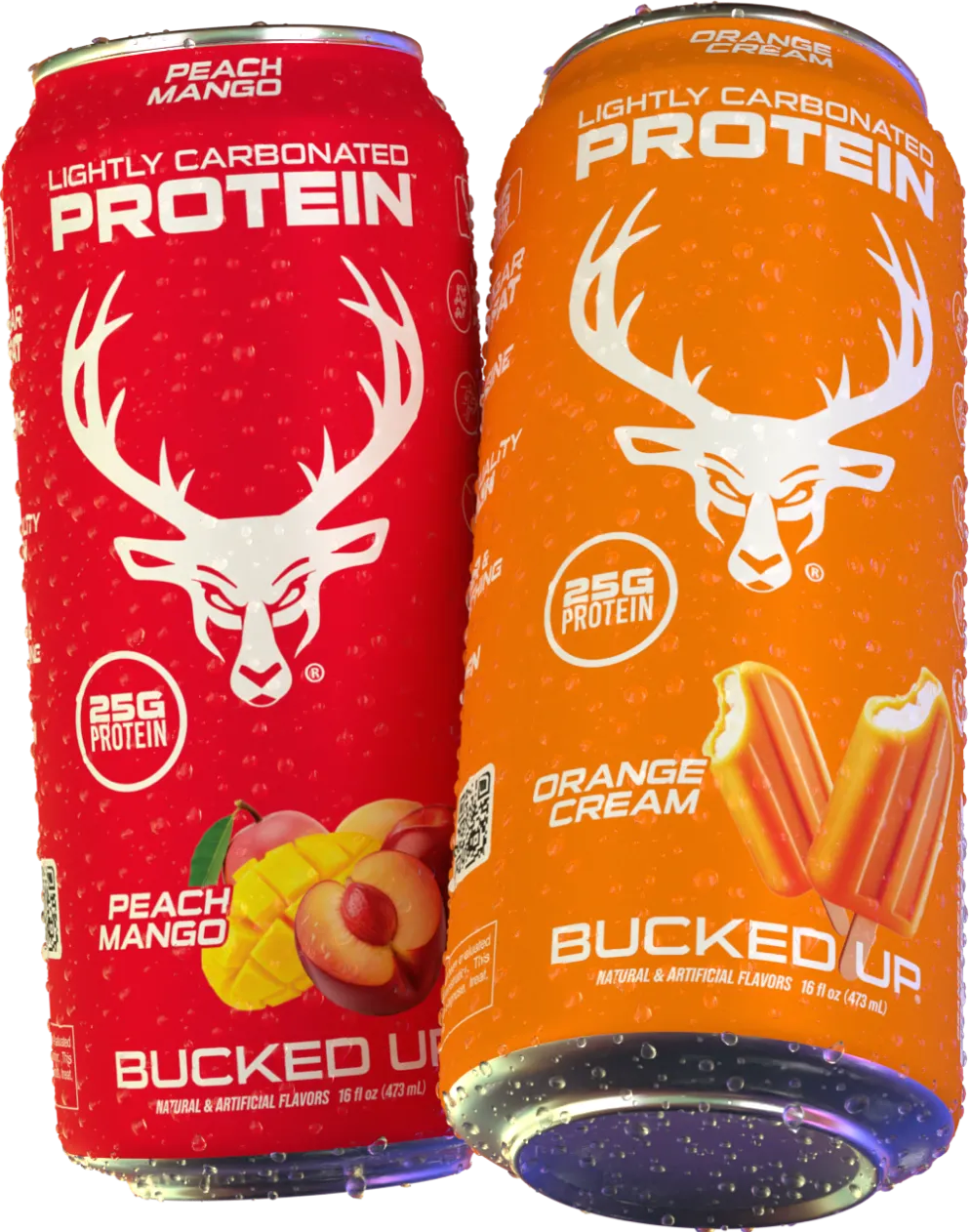
- Bucked Up Protein Soda offers 25g whey isolate, 100 calories, and zero sugar or carbs in a light, carbonated format.
- For daily use, look for under 150 calories per serving and choose whey isolate over concentrate for easier digestion.1
- Ready to support muscle maintenance? Use Bucked Up Protein Soda as a convenient daily protein source.1
Top 9 Caffeine Free Protein Drinks for Daily Use
1. Bucked Up Protein Soda – Caffeine Free Protein Drink
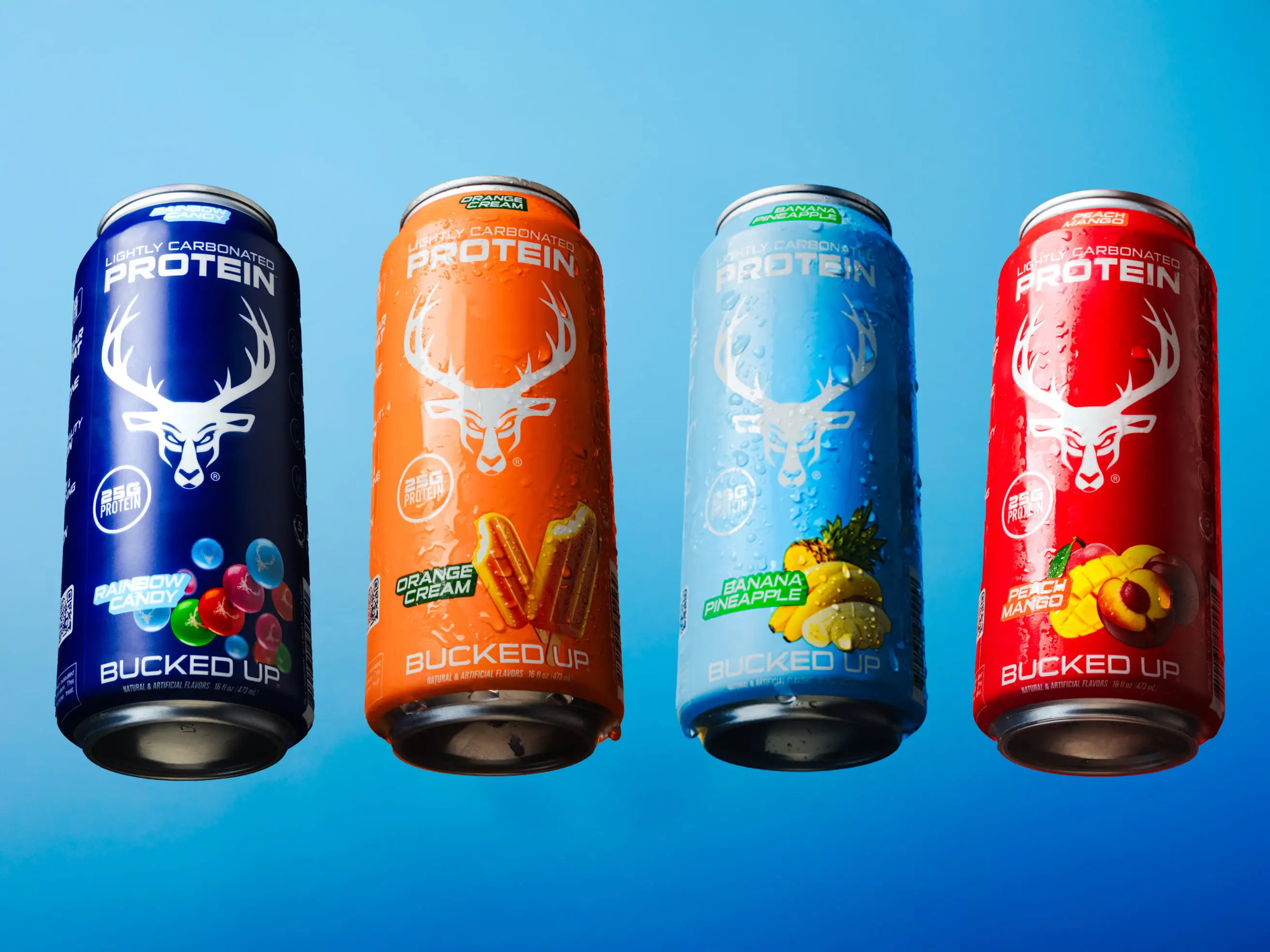
Bucked Up Protein Soda delivers 25g of whey protein isolate in a carbonated drink with just 100 calories, zero sugar, and zero carbs. Whey protein isolate absorbs slightly faster than whey protein concentrate because it has fewer non-protein components requiring digestion, which can be especially useful after training.1 The clear, refreshing soda format removes the thick, chalky texture that turns many people away from traditional shakes. The product is manufactured in GMP-certified USA facilities and comes in flavors like Banana Pineapple while keeping keto-friendly macros.
Pros: High protein per calorie, carbonated refreshment, zero sugar or carbs, fast-absorbing isolate
Cons: Premium pricing, limited flavor variety
Best for: GLP-1 users who want light digestion, gym-goers who want a post-workout drink that feels like a soda1
2. Muscle Milk Zero Sugar Chocolate – High Protein, Zero Sugar
Muscle Milk Zero Sugar Chocolate Protein Shake contains 20g protein and zero sugar per serving. This ready-to-drink shake offers solid protein support without added sugars, which fits many daily routines. The chocolate flavor feels familiar for people used to classic protein shakes.
Pros: Good protein content, zero sugar, easy to find in stores
Cons: Milky texture, higher calories than lighter carbonated options
Best for: Budget-conscious users, chocolate lovers who prefer a traditional shake
3. Fairlife Core Power Vanilla – High Protein Dairy Option
Fairlife Core Power Vanilla contains 26g protein and 5g sugar per serving. This ultra-filtered milk-based drink delivers higher protein with moderate sugar. The vanilla flavor works well for people who like classic, creamy shakes.
Pros: Very high protein content, ultra-filtered dairy, smooth texture
Cons: Contains sugar, more calories per bottle, rich milky consistency
Best for: Athletes with high protein needs, users who tolerate dairy and want a thicker shake
4. Chobani Complete Strawberry Cream – Greek Yogurt Based
Chobani Complete Strawberry Cream provides 20g protein and 11g total sugars per serving. This Greek yogurt-based drink combines protein with probiotics that can support digestive health.1 The strawberry cream flavor creates a dessert-like experience while avoiding added sugars.
Pros: No added sugar, probiotic support, recognizable brand
Cons: Less protein than many isolate drinks, thicker yogurt-style texture
Best for: People focused on gut health, users who enjoy fruit and yogurt flavors
5. Iconic Vanilla Bean – Plant-Forward Option
Iconic Vanilla Bean Protein Drink contains 20g protein, 0g sugar, and 4g net carbs per serving and is caffeine-free. This shake balances meaningful protein with no sugar and relatively low net carbs.
Pros: Zero sugar, moderate carbs, simple ingredient list
Cons: Less protein than many whey isolate products, higher price point
Best for: Users who prioritize clean labels, people who like vanilla and want a lighter shake
6. Koia Coconut Almond – Plant-Based Alternative
Koia Coconut Almond Protein Beverage provides 18g plant-based protein per serving and is caffeine-free. This plant-based drink supports users who avoid dairy but still want a meaningful protein bump.1
Pros: Plant-based, dairy-free, distinct coconut-almond flavor
Cons: Lower protein per bottle, plant proteins can digest differently than whey
Best for: Vegan users, people with dairy sensitivities, coconut flavor fans
7. Boost Chocolate Advanced – Medical-Grade Nutrition
Boost Chocolate Advanced Protein Shake provides 35g protein, 200 calories, 1g total sugars, and contains prebiotics and probiotics. This medical-focused drink delivers very high protein along with ingredients that support digestion.1
Pros: Among the highest protein contents here, prebiotic and probiotic blend, medical-style formulation
Cons: Higher calories, taste profile that feels more clinical
Best for: Medical nutrition use under guidance, users with very high protein targets
8. Equate High Performance Chocolate – Budget Option
Equate High Performance Chocolate Shake delivers 30g protein per serving and is low in sugar. This Walmart brand offers strong protein content at a lower price.
Pros: High protein, wallet-friendly, easy to find
Cons: Generic branding, limited flavors
Best for: Budget-focused shoppers, users who want more protein per bottle
9. Aloha Chocolate Sea Salt – Premium Plant-Based
Aloha Chocolate Sea Salt Protein Shake provides 18g protein per serving and contains zero artificial ingredients, made with coconut milk. This plant-based shake highlights ingredient quality and a more gourmet flavor profile.
Pros: No artificial ingredients, distinctive chocolate sea salt taste, coconut milk base
Cons: Higher price, plant protein has different absorption characteristics than whey1
Best for: Users who value clean ingredient lists, people who enjoy richer, dessert-style flavors
Best Caffeine Free Protein Drinks for GLP-1 Users
GLP-1 receptor agonist users need 1.0–1.5 grams of protein per kilogram of ideal body weight daily. Research shows that a significant share of weight lost on GLP-1 receptor agonists can come from lean mass when protein intake stays low. This lean mass risk, mentioned earlier, highlights why protein quality and timing matter so much for this group. Bucked Up’s light, carbonated format provides the same 25g isolate dose, which can help users who feel full quickly or struggle with heavier foods.1 For GLP-1 users, aim for 30–40g protein per meal across three meals daily, with at least 30g at breakfast to front-load intake.
Try this light, carbonated protein option if you are managing GLP-1 treatment.
Daily Protein Drink Safety and Ingredient Criteria
Harvard Health Publishing notes an RDA of 46 grams of protein per day for women and 56 grams for men, which many people can meet through food. Consumer Reports’ October 2025 tests found that dairy-based protein powders and ready-to-drink shakes generally had the lowest lead levels on average. For healthy individuals, excess protein beyond immediate needs is usually handled by the body, which can convert surplus amino acids to fat when carbohydrate intake is adequate. When you plan to drink protein daily, understanding how whey isolate and concentrate differ helps you match your choice to digestion and absorption needs.
| Factor | Whey Isolate | Whey Concentrate |
|---|---|---|
| Protein Content | At least 90% protein on a dry matter basis (typical 90.0-92.0%) | 34%-82% |
| Absorption Speed | Rapid absorption | Slower absorption |
| Lactose Content | Almost zero | Higher lactose |
How to Choose Between Bucked Up and Traditional Shakes
When you compare caffeine-free protein drinks for everyday use, focus on ready-to-drink convenience, zero caffeine, low sugar, and about 110 calories or less per serving. Studies suggest that when total protein intake is matched, whey isolate and concentrate both support muscle protein synthesis effectively, since both are complete proteins.1 These findings show that protein type alone does not decide results, yet isolate’s faster absorption and lower lactose content can feel better for many people who drink protein every day.1 Here is how Bucked Up’s carbonated isolate drink compares with more traditional shake formats for protein quality and calories.
| Product | Protein Type | Format/Calories |
|---|---|---|
| Bucked Up Protein Soda | Whey Isolate | Carbonated/100 |
| Premier Protein | Whey Concentrate | Milky/160 |
| OWYN | Plant Blend | Milky/180 |
Conclusion
Bucked Up Protein Soda can stand out among caffeine-free protein drinks for daily use by pairing that 25g of fast-absorbing protein with carbonation and zero sugar.1 Its soda-like feel helps remove common barriers such as chalky texture and heaviness, while still supporting muscle maintenance for many users, including those on GLP-1 medications.1 Experience the carbonated protein difference in your daily routine.
FAQ
Are There Protein Shakes Without Caffeine?
Many protein shakes contain no caffeine, including Bucked Up Protein Soda, which delivers 25g of whey protein isolate in a caffeine-free, carbonated drink. Most standard protein shakes are naturally caffeine-free unless marketed as pre-workout or energy products. When you want to avoid caffeine, scan labels for ingredients like green tea extract or guarana, which can add natural caffeine.
Which Protein Shake Works Well for Daily Use?
Bucked Up Protein Soda offers several traits that fit daily use, including its high-protein, 100-calorie profile, zero sugar and carbs, and a light carbonated feel instead of a heavy shake. For everyday drinking, choose products with quality protein sources, low added sugar, and a texture your stomach tolerates well so you can stay consistent.
Should I Drink Protein Shakes on Zepbound?
Protein support often matters for Zepbound (tirzepatide) users because it can help limit muscle loss during weight management.1 GLP-1 receptor agonist users are commonly advised to target 1.0–1.5 grams of protein per kilogram of ideal body weight daily, with about 25–30 grams per meal to support muscle preservation.1 Bucked Up Protein Soda’s light, carbonated format can help users who feel full quickly or struggle with dense foods while on GLP-1 medications.1
Can I Drink Protein Shakes Every Day?
Most healthy individuals can drink protein shakes daily as part of a balanced eating pattern. Choose options with limited added sugars, high-quality protein such as whey isolate, and calorie levels that fit your goals. Ready-to-drink shakes with 20–30g protein per serving can help active people, older adults, and others with higher protein needs reach their targets more easily.1
What Makes Carbonated Protein Drinks Different?
Carbonated protein drinks like Bucked Up Protein Soda offer a lighter alternative to thick, milky shakes. The bubbles create a soda-like experience that many people find more refreshing and easier to finish. This format removes much of the chalky texture and heavy mouthfeel that can discourage consistent use, while still delivering the benefits of concentrated, high-quality protein.1
1 The content provided in this article is for informational purposes only and is not medical advice. Consult with a medical professional before implementing any changes to your diet, health, or exercise routines.
Individual results will vary and are based on a combination of each individual’s diet, exercise, age, and health circumstances.
These statements have not been evaluated by the Food and Drug Administration. This product is not intended to diagnose, treat, cure or prevent any disease.
This article was written by Ryan Gardner, CEO of Bucked Up. As the maker of Bucked Up Protein Soda, we have a financial interest in this information. The views expressed are our own and should be read with that context in mind.