Last updated: April 22, 2026
Key Takeaways
- After strength training, aim for 20-40g whey isolate within 30-60 minutes to support muscle repair and hypertrophy.1
- After cardio, pair 20-30g protein with carbs at about a 3:1 ratio within 60 minutes to restore glycogen and support recovery.1
- The strict 30-minute anabolic window is a myth. A flexible 4-24 hour window works when daily protein reaches 0.7-1.0g per lb of body weight.
- Hybrid routines benefit from light, versatile protein sources like whey isolate that support both muscle recovery and energy restoration.1
- Bucked Up Protein Soda offers a convenient 25g whey isolate option in a refreshing, zero-carb format for post-workout protein.
Post-Strength Training: How to Time Your Protein
Strength training places heavy demand on muscle tissue, so your post-workout focus centers on muscle repair. Leucine-rich whey isolate works well here because it supports muscle protein synthesis.1 Schoenfeld’s 2013 meta-analysis found that consuming protein within 1 hour after resistance exercise had a small but significant effect on muscle hypertrophy compared to delaying intake by at least 2 hours. That effect disappeared once total daily protein intake was controlled, which shows daily totals matter more than exact timing.
Burd’s 2011 study showed that muscle sensitivity to protein-induced myofibrillar protein synthesis can persist for up to 24 hours after resistance exercise. This supports a flexible 4-24 hour window when you are in a fed state. Within that window, higher-leucine, faster-digesting options such as whey isolate can help you hit your targets without feeling overly full.
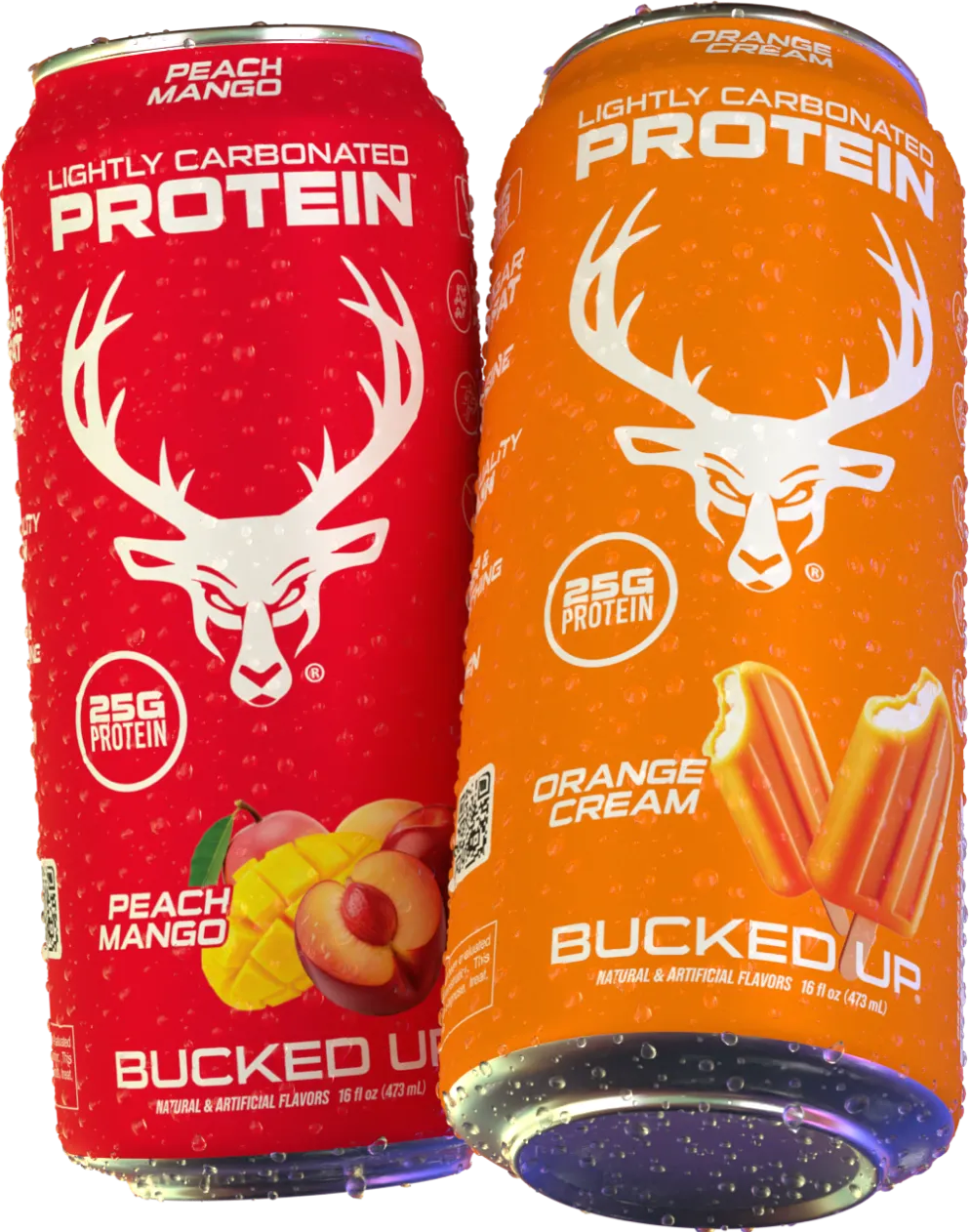
After a heavy leg day, you can keep things simple with a ready-to-drink option. A can of Bucked Up Protein Soda delivers 25g of whey isolate in a light, carbonated format. This isolate form goes through more rigorous filtration than whey concentrate, which yields a purer protein with less fat and lactose for a leaner, easier-to-digest choice.1
Post-Cardio Protein and Carbs for Faster Recovery
Cardio sessions draw heavily on glycogen, so your post-workout plan should focus on both protein and carbohydrates. Levenhagen’s 2001 study found that the timing of postexercise nutrient intake was critical to restoring leg glucose and protein homeostasis after cardio-respiratory training. This supports eating soon after cardio, especially when the session is long or intense.
The International Society of Sports Nutrition recommends pairing protein with carbohydrates post-workout to restore glycogen stores and raise insulin levels, which slows muscle protein breakdown. Pairing protein with carbohydrates post-workout replenishes muscle glycogen depleted during intense exercise and enhances amino acid uptake into muscle cells for better recovery1. A practical target is about a 3:1 carbohydrate-to-protein ratio within 30-60 minutes after cardio.
Some people have extra considerations. A 2026 study in The Lancet Diabetes & Endocrinology found that GLP-1 receptor agonist users exhibited improved muscle quality, but many of these users struggle with solid foods. In that case, a light liquid protein source can feel easier. After a HIIT session, combining a can of Bucked Up Protein Soda with a banana gives you protein plus carbs without a heavy shake or large meal.
Protein Timing for Cardio vs Strength: Key Differences
Research shows that exact protein timing plays a smaller role than once believed for most people. Wirth’s 2020 meta-analysis of 65 randomized controlled trials reported that timing of protein intake had no beneficial effect on body composition or muscle function. Lak’s 2024 randomized controlled trial found similar skeletal muscle mass and strength gains whether participants consumed protein immediately or delayed by 3 hours. These findings support a focus on total daily protein first.
Given that flexible 4-24 hour window, the main difference in your post-workout approach comes from your workout type. Strength training benefits from a focus on pure protein to drive muscle repair.1 Cardio benefits from pairing protein with carbohydrates to restore glycogen and support endurance recovery.1
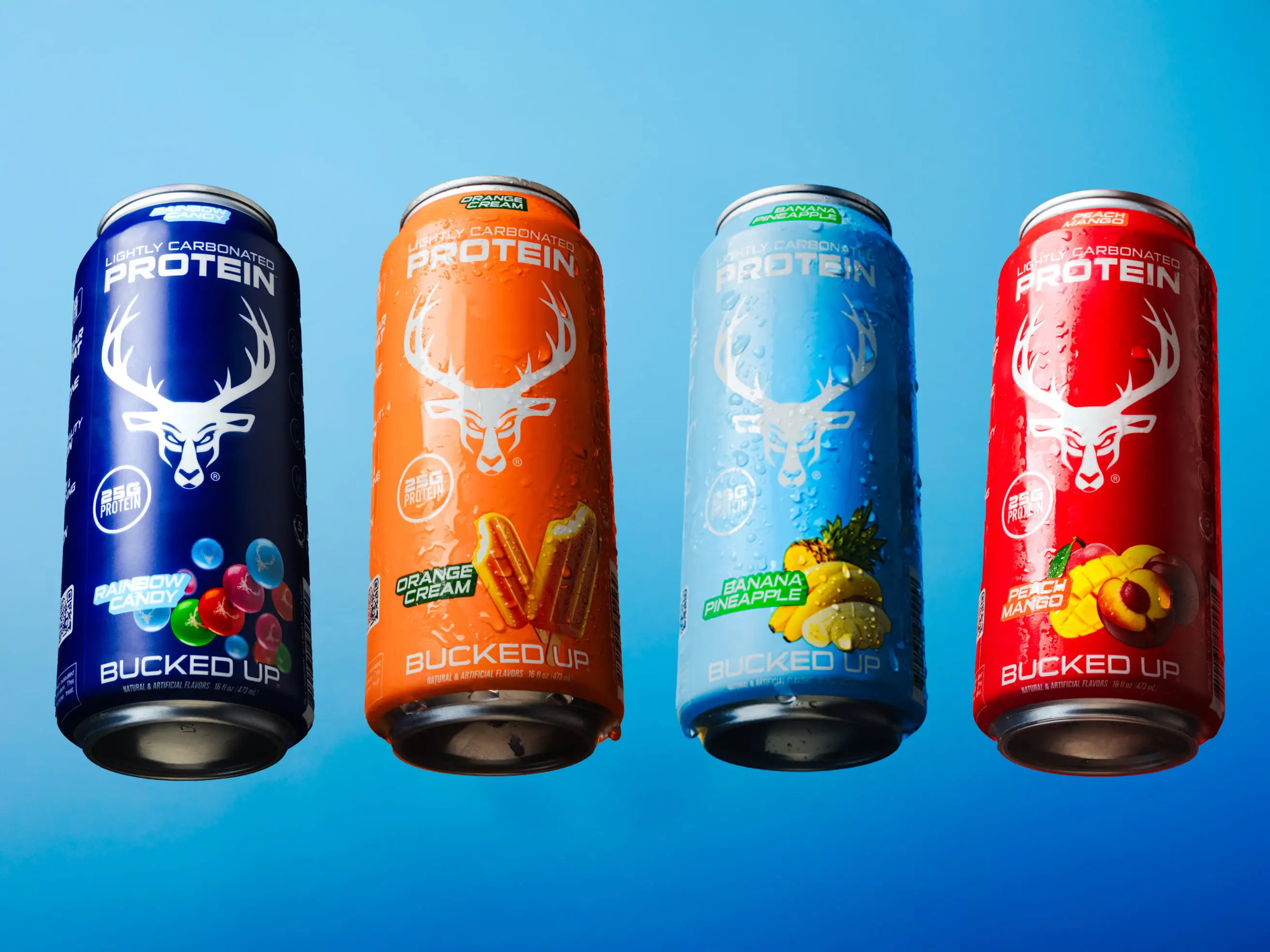
Bucked Up Protein Soda fits easily into both approaches as a 100-calorie whey isolate drink in a zero-carb, zero-sugar, caffeine-free format. This carbonated option offers a lighter feel than many traditional shakes, which can make it easier to drink soon after training.
If you want a ready-to-go option for your post-workout routine, you can explore Bucked Up Protein Soda here as one way to cover your protein needs.
Does the Anabolic Window Really Matter?
The strict 30-minute anabolic window does not match what current research shows for most lifters. Schoenfeld and Aragon’s 2018 research review concluded that protein intake before and after exercise, when consumed within about 4-6 hours of each other, can induce maximal muscle hypertrophy. Stanford’s Marily Oppezzo notes that the anabolic window is closer to 24 hours, so normal meals spaced through the day can cover your needs without a rush to drink a shake.
These findings point to a flexible 4-24 hour window, with daily intake of about 0.7-1.0g of protein per lb of body weight taking priority over precise timing. Some situations still call for quicker intake, such as fasted training sessions or GLP-1 users who may benefit from immediate, easy-to-digest protein. A convenient drink like Bucked Up Protein Soda can help you reach your daily total when appetite or schedule makes full meals harder.
Your Optional 30-60 Minute Post-Workout Plan
Daily protein totals drive most of your results, yet the 30-60 minute post-workout window can offer extra benefits if you already hit your targets. This window may matter more if you train fasted or have a limited eating schedule. For strength training, aim for 20-30g of fast-absorbing whey isolate during this period to support muscle repair.1
After cardio, use the same protein amount and add carbohydrates at roughly a 3:1 carb-to-protein ratio to refill glycogen. For hybrid routines that mix lifting and cardio, a light whey isolate drink can serve as a middle ground that supports both muscle recovery and energy needs.1 The 25g serving in Bucked Up Protein Soda fits this role and comes in a refreshing carbonated format that many people find easier to sip soon after training.
You can update your post-workout routine with a simple, ready-to-drink option. If that sounds helpful, take a look at Bucked Up Protein Soda as one way to cover this 30-60 minute window.
Frequently Asked Questions
Is whey isolate better than concentrate for post-workout timing?
Whey isolate goes through more filtration than concentrate, which results in a higher protein percentage with fewer fats and carbohydrates. This process can support faster digestion and more rapid amino acid delivery to muscles after a workout.1 Bucked Up Protein Soda uses whey isolate and provides 25g of protein per can.
Does carbonation affect protein absorption?
Light carbonation does not reduce protein absorption. The bubbles mainly change the drinking experience, not the way your body uses the protein. Many people find the soda-like taste and feel more refreshing, which can make it easier to stay consistent with post-workout protein compared to heavier, milk-based shakes.
Is Bucked Up Protein Soda suitable for keto, paleo, and GLP-1 users?
Bucked Up Protein Soda has a zero-carb, zero-sugar formulation that can fit keto and paleo styles of eating. For GLP-1 users, the light liquid format can help when appetite is low or solid foods feel uncomfortable. Each can provides 25g of whey isolate to support muscle preservation during weight loss phases.1
Does it taste like a traditional protein shake?
Bucked Up Protein Soda has a crisp, light, refreshing carbonated profile that feels closer to an energy drink than a thick shake. It avoids the milky mouthfeel many people associate with traditional protein powders mixed with water or milk.
Can I drink this every day as part of my protein goals?
You can use Bucked Up Protein Soda daily as a convenient way to help meet your protein needs. Each can contains 25g of whey isolate and about 100 calories, which allows it to fit into many nutrition plans. The caffeine-free formulation means you can drink it at any time of day, whether after a workout, as a midday protein boost, or as part of your regular meal planning to reach your daily protein target.
1 The content provided in this article is for informational purposes only and is not medical advice. Consult with a medical professional before implementing any changes to your diet, health, or exercise routines.
Individual results will vary and are based on a combination of each individual’s diet, exercise, age, and health circumstances.
These statements have not been evaluated by the Food and Drug Administration. This product is not intended to diagnose, treat, cure or prevent any disease.
This article was written by Ryan Gardner, CEO of Bucked Up. As the maker of Bucked Up Protein Soda, we have a financial interest in this information. The views expressed are our own and should be read with that context in mind.