Last updated: April 22, 2026
Key Takeaways for GLP-1 Protein Support
- GLP-1 meds like Ozempic can cause 25-39% of weight loss to come from muscle. Aim for roughly 0.55-0.9 grams of protein per pound of body weight each day to help preserve lean mass.1
- Whey protein isolate usually works better than concentrate for GLP-1 users because it contains significantly less lactose, which can reduce nausea and bloating.1
- Helpful ready-to-drink options include Bucked Up Protein Soda, Premier Protein, Fairlife Core Power, Orgain, and Core Power Elite.
- No-blend ideas like Greek yogurt water or protein powder in sparkling water can deliver 20 grams or more of protein with very little prep on low-appetite days.
- Bucked Up Protein Soda offers a light, carbonated whey isolate drink that many find easier to sip when feeling nauseous or full.1
Why Protein Intake Matters on Ozempic and Other GLP-1 Meds
GLP-1 medications slow gastric emptying and reduce appetite, which often leads to lower overall food and protein intake. Research indicates that 22% of physicians frequently observe muscle loss in GLP-1 patients, with 41% seeing it occasionally. A higher protein intake of 1.2-2 grams per kilogram of body weight can help preserve lean mass while you lose fat.1
Whey protein isolate often works better than concentrate for GLP-1 users who struggle with digestion. Whey isolate contains less lactose than concentrate, which can reduce bloating and gastrointestinal discomfort.1 For most GLP-1 users, a helpful drink profile includes at least 20 grams of protein, fewer than 120 calories, and very little sugar to avoid triggering nausea.
The following ready-to-drink options match these general guidelines and offer different textures and flavors so you can find what feels easiest on your stomach.
Top 5 Quick RTD Protein Drinks for GLP-1 Users
1. Bucked Up Protein Soda: Light, Fizzy Whey Isolate
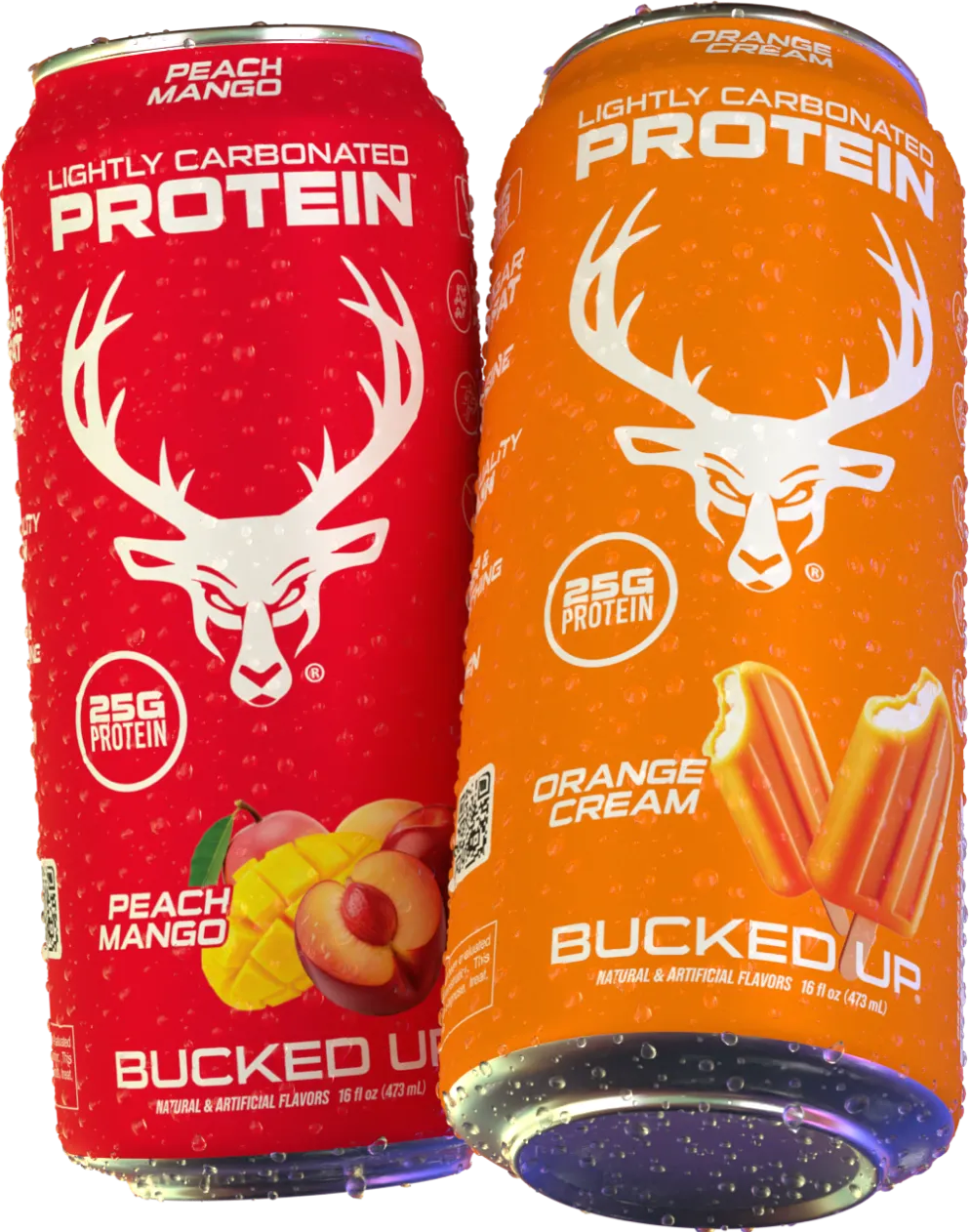
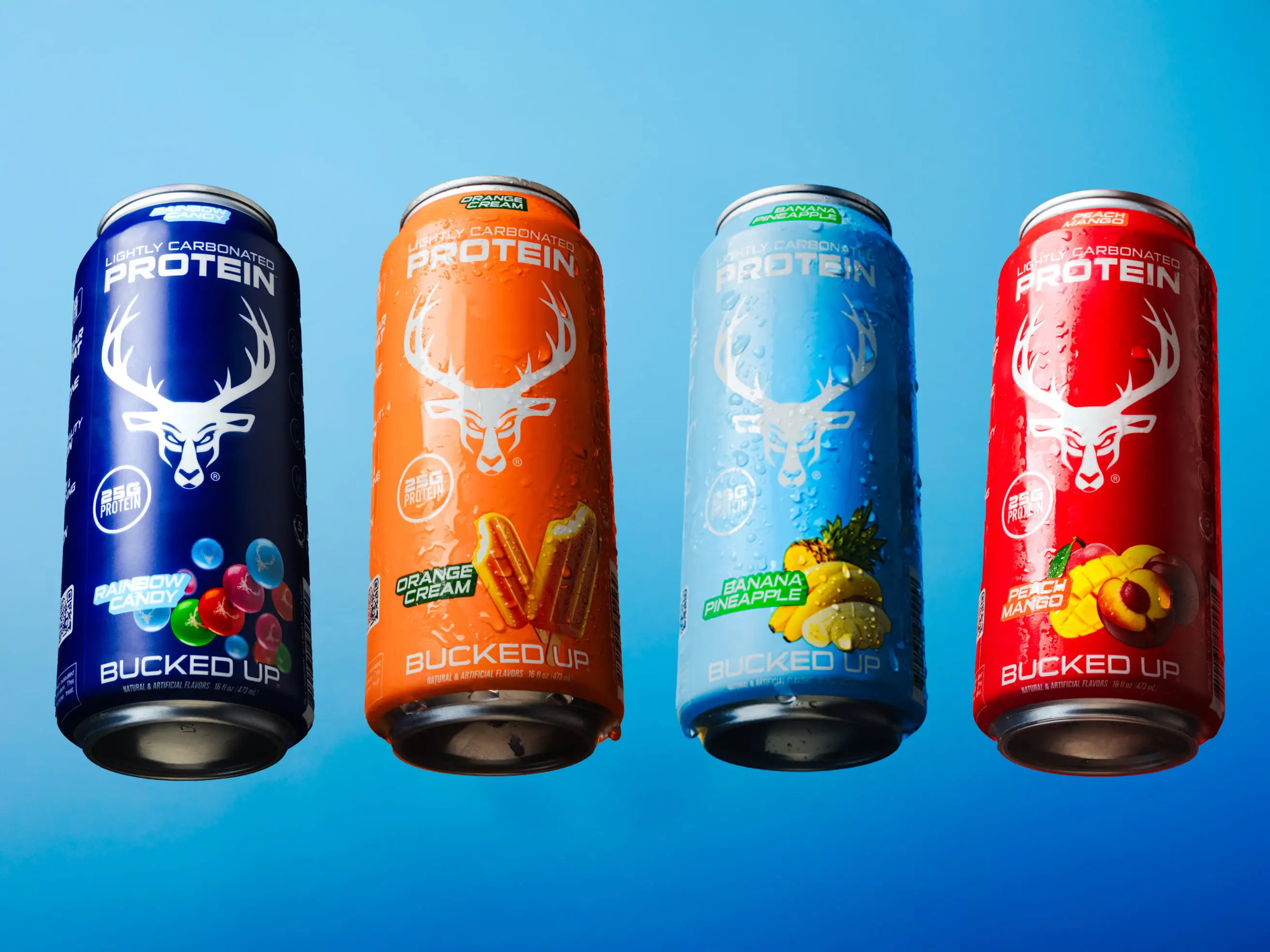
Bucked Up Protein Soda can stand out for GLP-1 users because it delivers 25 grams of clear whey protein isolate in just 100 calories with zero sugar and zero carbs. The lightly carbonated format feels more like a soda or sparkling water than a shake, which many people find easier to drink when they feel nauseous or overly full.
The clear whey isolate formulation supports rapid absorption and avoids much of the lactose-related digestive discomfort that some traditional protein drinks can cause.1 Because the formula contains no caffeine, you can drink it at any time of day without worrying about sleep or medication timing. The product is manufactured in a USA GMP-certified facility, which helps ensure consistent quality standards from batch to batch.
Explore Bucked Up Protein Soda to see how a carbonated whey isolate drink can simplify your daily protein intake on GLP-1 meds.
2. Premier Protein: Widely Available Shake Option
Premier Protein offers 30 grams of protein in 160 calories with 1 gram of sugar. Its wide availability in grocery stores, warehouse clubs, and convenience stores makes it a practical choice for GLP-1 users who tolerate thicker, traditional shake textures.
3. Fairlife Core Power: Lactose-Free Milk Protein
Core Power provides 26 grams of lactose-free milk protein in 170 calories with 5 grams of sugar. The lactose-free formulation can reduce digestive discomfort for people who are sensitive to dairy.1 The creamy texture may still feel heavy for some GLP-1 users who experience nausea or strong fullness.
4. Orgain Clean Protein: Plant-Based Alternative
Orgain Clean Protein delivers 20 grams of protein in 130 calories with 3 grams of total sugars per serving. The organic pea protein base offers a dairy-free option for those avoiding milk-based products. Plant proteins can support protein intake, although their amino acid profile differs from whey isolate and may not be as efficient for muscle support gram for gram.1
5. Core Power Elite: High-Protein, Higher-Calorie Shake
Core Power Elite offers 42 grams of protein in 230 calories with 8 grams of sugar. This option suits users who need a large protein dose in one serving. The higher calorie content and thicker consistency can feel overwhelming for GLP-1 users with reduced appetite or frequent nausea.
3 No-Blend Protein Ideas for Low-Appetite Ozempic Days
Some days you may not have access to ready-to-drink options, or you may want to stretch your budget with simple ingredients at home. These quick recipes require minimal prep, no blender, and can feel easier to sip when your appetite is low.
1. Greek Yogurt Protein Water
Mix 1/2 cup plain Greek yogurt with 1/2 cup water and whisk until smooth. This simple dilution provides approximately 20 grams of protein in about 100 calories while creating a thinner consistency that is easier to drink than thick yogurt alone, especially when GLP-1 medications make heavy textures hard to tolerate.
2. Cottage Cheese Smoothie
Blend 1/2 cup low-fat cottage cheese with 1/2 cup unsweetened almond milk. This combination delivers about 14 grams of protein in roughly 90 calories and creates a light, drinkable texture that many people find easier than eating cottage cheese by the spoonful.
3. Protein Powder Sparkling Water
Stir 1 scoop unflavored whey protein isolate into 12 ounces of sparkling water. This mix creates a light, fizzy drink with roughly 20 to 25 grams of protein, depending on the powder you use. For smoother texture, add the protein powder slowly while stirring to reduce clumping and foaming.
While these recipes work well in a pinch, ready-to-drink options like Bucked Up Protein Soda offer zero-prep convenience when you need protein quickly and do not feel up to mixing or blending.
Whey Isolate vs Concentrate for GLP-1 Digestion
Choosing the right protein type can make a noticeable difference for GLP-1 users who already deal with slowed digestion and nausea.
Whey Protein Isolate: Contains at least 90% protein on a dry matter basis with less than 1% lactose, which supports faster absorption and can reduce bloating. The very low lactose content often works better for people with mild lactose sensitivity.
Whey Protein Concentrate: Contains 25% to 89.9% protein with 4-8% lactose, which may cause gas, bloating, and digestive discomfort in sensitive individuals.
For many GLP-1 users, whey isolate can feel gentler on the stomach and easier to tolerate than concentrate. Bucked Up Protein Soda uses 100% whey protein isolate, which supports digestibility for people who need reliable protein without a heavy, creamy shake.1
Frequently Asked Questions
What is a good protein shake while on Ozempic?
Bucked Up Protein Soda can offer a helpful combination for many Ozempic users by providing 25 grams of whey protein isolate in a light, carbonated format that tends to feel less heavy than traditional shakes. The zero sugar and zero carb formulation supplies protein without extra sugars that might bother sensitive stomachs.
Can you drink protein shakes on GLP-1 medications?
Yes, protein shakes are generally safe and often recommended for GLP-1 users who want to protect muscle while losing weight.1 Focus on whey protein isolate-based drinks that stay under about 120 calories per serving and contain very little sugar. Carbonated options like Bucked Up Protein Soda can feel easier to tolerate than thick, creamy shakes when your appetite is suppressed.
How much protein do I need while taking Ozempic?
Many GLP-1 users benefit from a daily protein target in the range of 1.2-2 grams of protein per kilogram of body weight to help prevent muscle loss.1 For a 150-pound person, this equals roughly 80-120 grams of protein per day. Spreading this across several smaller servings, including convenient options like Bucked Up Protein Soda, can make that total easier to reach even when you feel full quickly.
Why do I feel nauseous after drinking protein shakes on GLP-1 meds?
Nausea often comes from higher lactose content, thick textures, or high sugar levels in many traditional protein shakes. Switching to whey protein isolate-based drinks with very little lactose, such as Bucked Up Protein Soda, often reduces these issues.1 The carbonated, clear format can also feel gentler on the stomach than dense, milky alternatives.
What is the difference between protein soda and regular protein drinks?
Protein sodas use clear whey protein isolate in a carbonated base, which creates a light, refreshing drink that tastes closer to an energy drink or flavored sparkling water than a shake. This format can be especially helpful for GLP-1 users because the carbonation may help settle nausea, and the clear formulation avoids the heavy, creamy texture that many people struggle to finish when appetite is low.1
Managing protein intake while on GLP-1 medications can feel much easier with the right products and habits. By focusing on easily digestible whey protein isolate in convenient formats, you can support muscle maintenance while still progressing toward your weight loss goals.1 Bucked Up Protein Soda offers 25 grams of fizzy, refreshing protein that many users find goes down smoothly even on challenging days, and starting with a variety pack can help you find the flavors that work best for you.
1 The content provided in this article is for informational purposes only and is not medical advice. Consult with a medical professional before implementing any changes to your diet, health, or exercise routines.
Individual results will vary and are based on a combination of each individual’s diet, exercise, age, and health circumstances.
These statements have not been evaluated by the Food and Drug Administration. This product is not intended to diagnose, treat, cure or prevent any disease.
This article was written by Ryan Gardner, CEO of Bucked Up. As the maker of Bucked Up Protein Soda, we have a financial interest in this information. The views expressed are our own and should be read with that context in mind.