Key Takeaways
- Excessive protein intake can cause persistent bloating, unexplained thirst, chronic fatigue, bad breath, and constipation from digestive overload and nitrogen waste.
- High-protein diets without enough fiber often lead to irregular bowel movements, weight loss plateaus, kidney strain (foamy urine, back pain), and elevated BUN levels.
- Most people should stay between 0.8 and 2.0 g of protein per kilogram of body weight, depending on activity level, to avoid kidney stress and gut disruption.
- Track protein from shakes, bars, and foods against these guidelines to prevent overload, especially if you are an athlete, busy professional, or GLP-1 user.
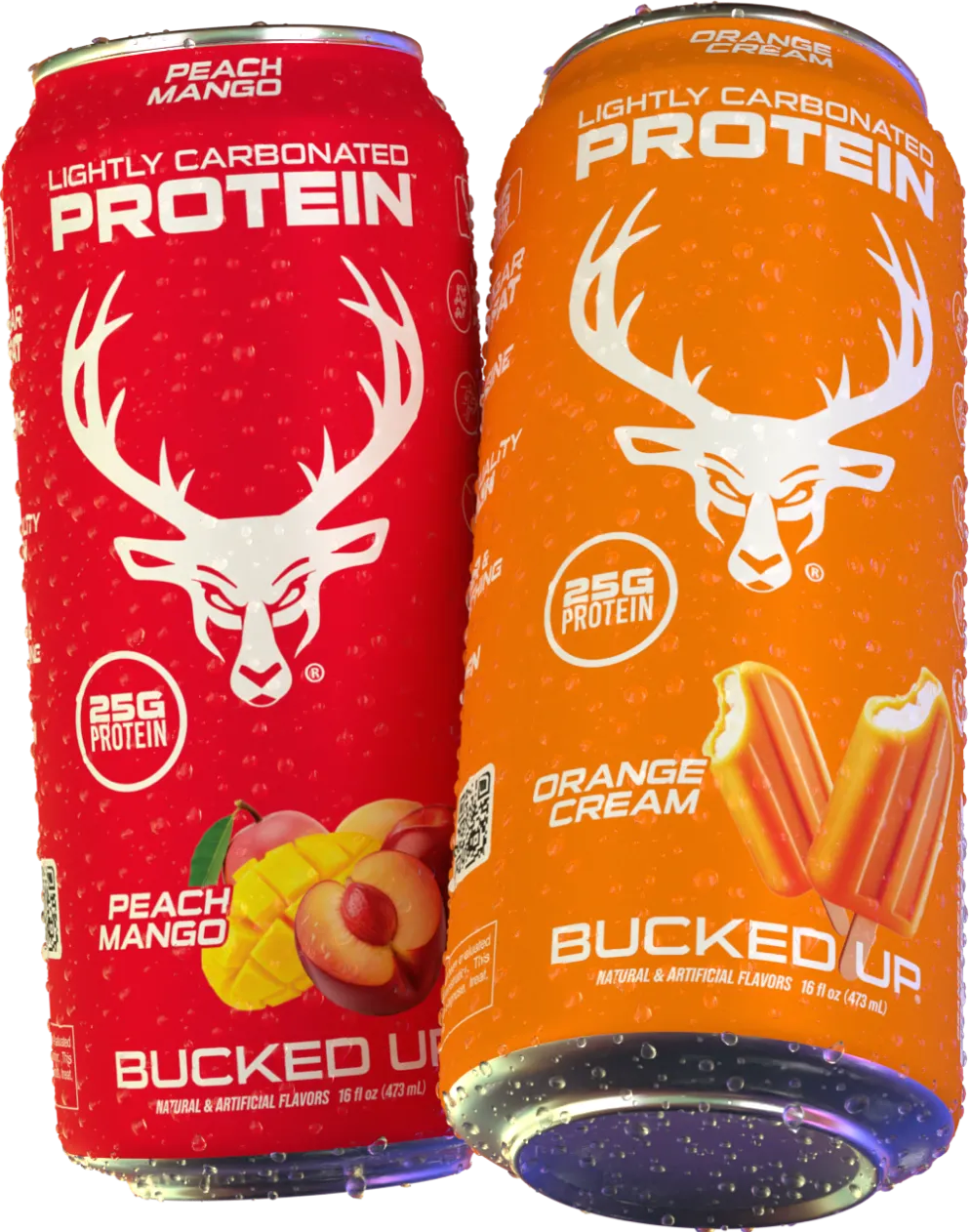
- Switch to Bucked Up Protein Soda for 25 g of easily digestible whey isolate in a light, carbonated 100-calorie drink that reduces bloat and supports balanced nutrition.
6 Warning Signs You Are Eating Too Much Protein
Too much protein often shows up as clear body signals long before lab results change. Watch for these common signs of protein overload.
1. Persistent Bloating and Digestive Discomfort
Excess protein can overwhelm your digestive system, especially when you rely on concentrated whey or casein supplements. Excess protein without adequate fiber causes constipation and digestive issues. Your gut struggles to break down large protein loads, which often leads to gas, pressure, and bloating that can linger for hours after a shake or heavy meal.
2. Unexplained Thirst and Dehydration
High protein metabolism creates nitrogen waste that your kidneys must filter out. That process requires extra water and can drain your body’s fluid reserves. You may feel unusually thirsty even when you drink regularly, and mild dehydration can feel more intense when your protein intake stays high.
3. Chronic Fatigue Even With Enough Sleep
Very high protein intake forces your body to spend more energy digesting, metabolizing, and clearing the excess. That extra workload can leave you feeling tired and sluggish, even if you sleep well. Fatigue often feels worse when you load up on protein but skimp on carbs, healthy fats, or proper timing around workouts.
4. Persistent Bad Breath
Protein breakdown produces ammonia and other nitrogen compounds that can create a strong, lingering odor on your breath. This often appears alongside ketosis from high-protein, low-carb eating patterns. That combination signals your body is working overtime to process extra amino acids for energy.
5. Constipation and Irregular Bowel Movements
Low-fiber, high-protein diets pose gut health risks. Protein-heavy meals often crowd out fruits, vegetables, and whole grains that keep digestion moving. The result is slower bowel movements, harder stools, and uncomfortable constipation that can show up within days of ramping up protein.
6. Weight Gain Plateau or Unexpected Weight Gain
When your body cannot use all the amino acids for repair or muscle growth, it converts the excess to glucose and then stores it as fat, as noted in the 2025-2030 Dietary Guidelines for Americans. This becomes a problem when your protein intake stays higher than your training demands. You may notice stalled fat loss or slow weight gain even while “eating clean.”
7. Kidney Strain Warning Signs
Too much protein can stress your kidneys over time. Common red flags include foamy urine, dull lower back pain, and changes in how often you urinate. Protein intake above 2.0 grams per kilogram of body weight overwhelms kidney filtration capacity for many people.
8. Elevated Blood Urea Nitrogen (BUN)
Blood work can reveal early signs of protein overload before you feel major symptoms. Elevated BUN levels suggest your kidneys are working harder to clear protein waste. This marker often rises before more obvious kidney-related issues appear.
Checking If Your Protein Intake Is Too High
You can spot protein overload by comparing what you eat with what your body actually needs. Track your daily protein intake based on your body weight and activity level. Gym-goers who drink multiple shakes, busy professionals who lean on protein bars, and GLP-1 users focused on muscle preservation should pay close attention to clusters of the symptoms above. Log every protein source, including powders, bars, and hidden protein in packaged foods, then compare your total to recommended ranges.
Daily High Protein Effects on Your Body
Eating a lot of protein every day for months or years can place steady stress on your kidneys and filtration system. High-protein diets without adequate fiber create gut dysbiosis, which disrupts beneficial bacteria that support immunity and nutrient absorption. For GLP-1 users, very high protein without attention to timing, fiber, and quality can increase the risk of muscle loss if digestive issues prevent proper absorption.
Daily Protein Limits by Lifestyle
Protein needs change with your age, training style, and overall health. Most healthy people can safely consume up to 2 grams of protein per kilogram of body weight daily. Many adults do well with 0.8 to 1.7 grams per kilogram, with athletes often using the higher end for intense resistance training.
|
Group |
150 lbs Example |
Recommended (g/day) |
Upper Limit (g/day) |
|
Sedentary Adult |
55-82g |
0.8-1.2g/kg |
1.4g/kg (95g) |
|
Active/Athlete |
95-115g |
1.4-1.7g/kg |
2.0g/kg (136g) |
|
GLP-1 User |
68-95g |
1.0-1.4g/kg |
1.6g/kg (109g) |
Relieving Protein Overload with Bucked Up Protein Soda
Bucked Up Protein Soda makes it easier to hit your protein goals without feeling weighed down. Each can delivers 25 g of whey protein isolate in a lightly carbonated drink that tastes like an energy drink, not a thick shake. Unlike heavy Premier Protein shakes or Muscle Milk concentrates that often sit in your stomach, this clear, refreshing formula supports digestion and comfort. With zero sugar, zero carbs, and only 100 calories, it fits the needs of busy professionals, athletes, and GLP-1 users who want convenient protein without extra stress on the gut.
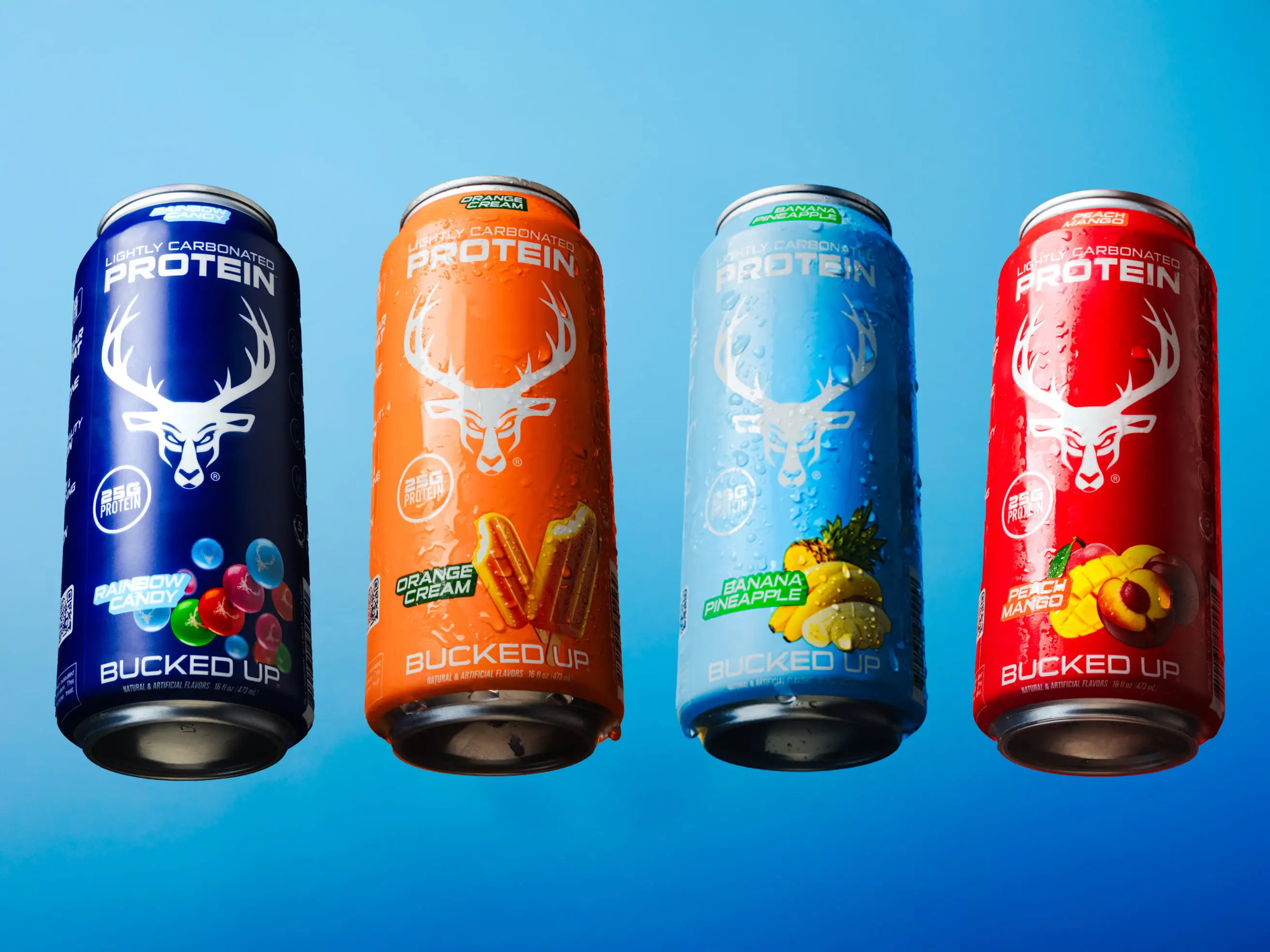
The whey protein isolate goes through advanced filtration that removes most lactose and improves absorption, which addresses a major cause of bloating and discomfort. Whey protein isolates are anticipated to grow at 8.1% CAGR through 2033, favored by athletes for high purity and rapid muscle recovery. Customers often describe a noticeable difference: “I need 130 g of protein daily, and this makes that goal feel easy. I’ve replaced all my sodas and actually enjoy hitting my protein targets.”
Bucked Up helps ease each major overload symptom. Bloating improves because the isolate formula avoids heavy, hard-to-digest protein concentrates. Hydration becomes easier because the light, carbonated drink encourages you to sip more fluid instead of pulling water from your system. Fatigue often decreases as your body uses the clean protein more efficiently, with less metabolic strain.
Shop now to feel the difference in your daily routine.
Simple Ways to Flush Excess Protein
You can support your body’s cleanup process by increasing water intake to help kidney filtration and nitrogen removal. Add fiber-rich foods and follow Mediterranean-style eating with fruits, vegetables, olive oil, and lean protein for better gut health. Bucked Up’s light, hydrating format fits into this approach and helps you maintain your protein targets without slipping back into overload.
Frequently Asked Questions
Is Bucked Up Protein Soda safe for daily use by GLP-1 users?
Yes, Bucked Up Protein Soda works well for many people on GLP-1 medications who need reliable protein. The light, easily digestible whey protein isolate helps preserve muscle mass during weight loss, and the low-calorie, caffeine-free formula supports those with reduced appetite or trouble finishing solid meals. Always check with your healthcare provider about your specific plan. The carbonated format can feel especially helpful if you struggle with food volume or texture.
How does Bucked Up differ from other protein drinks?
Bucked Up uses whey protein isolate as its main protein source. Many other liquid protein drinks rely on whey concentrate or add collagen to raise the protein content. Collagen supports joints, nails, and hair, but does not provide a complete amino acid profile. Bucked Up’s lightly carbonated, clear drink avoids the heavy, milky texture that often causes digestive discomfort with traditional shakes.
Can I drink multiple cans per day without protein overload?
Each can contains 25 g of protein, which makes it easy to plan your total intake. You can spread cans throughout the day to match your target range. Most healthy individuals can enjoy multiple cans daily while staying within the recommended protein limits for their weight and activity level. Talk with your healthcare provider if you have kidney issues or other medical concerns. The main benefit is precise control and less digestive stress compared with many thick shakes or large protein-heavy meals.
Is 100 g of protein per day too much for sedentary people?
For a 150-pound sedentary adult, 100 g of protein equals about 1.45 g per kilogram. That amount usually falls within safe limits but may sit above the ideal range for daily needs. The recommended range for sedentary adults is 0.8 to 1.2 g per kilogram, or about 55 to 82 g for this weight. Watch for overload symptoms and adjust your intake if you notice any of the warning signs.
Does carbonation change how well I absorb protein?
No, carbonation does not reduce protein absorption. Your body still digests and absorbs the whey protein isolate quickly and efficiently. The light bubbles simply create a refreshing experience compared with thick shakes that can feel heavy or uncomfortable in your stomach.
Stay Out of Protein Overload with Bucked Up
Spotting signs that you are eating too much protein helps you dial in your intake for better health and performance. Symptoms like bloating, constant thirst, and low energy signal that your current approach needs a reset. Bucked Up Protein Soda offers a simple fix with precise 25 g servings of pure whey isolate in a refreshing, easy-to-digest drink that supports your goals without overload.
Use the protein limits table to calculate your daily target, then plug Bucked Up into your routine as a go-to protein source for steady, comfortable progress. Shop now to upgrade your protein strategy and move away from overload symptoms for good.