Last updated: April 22, 2026
Key Takeaways
- Consistently eating protein above about 1g per pound of body weight can trigger bloating, constant thirst, and dehydration from increased urea production.
- Frequent urination, kidney strain, bad breath, and fatigue signal that your body is struggling to clear protein waste.
- Most adults do well in a range of roughly 0.4–1g of protein per pound of body weight. Intakes like 200g per day for many people add strain without extra muscle gains.
- Hydration of roughly 3–4L of water daily, plus portion control, helps prevent weight gain, skin issues, and persistent muscle soreness.
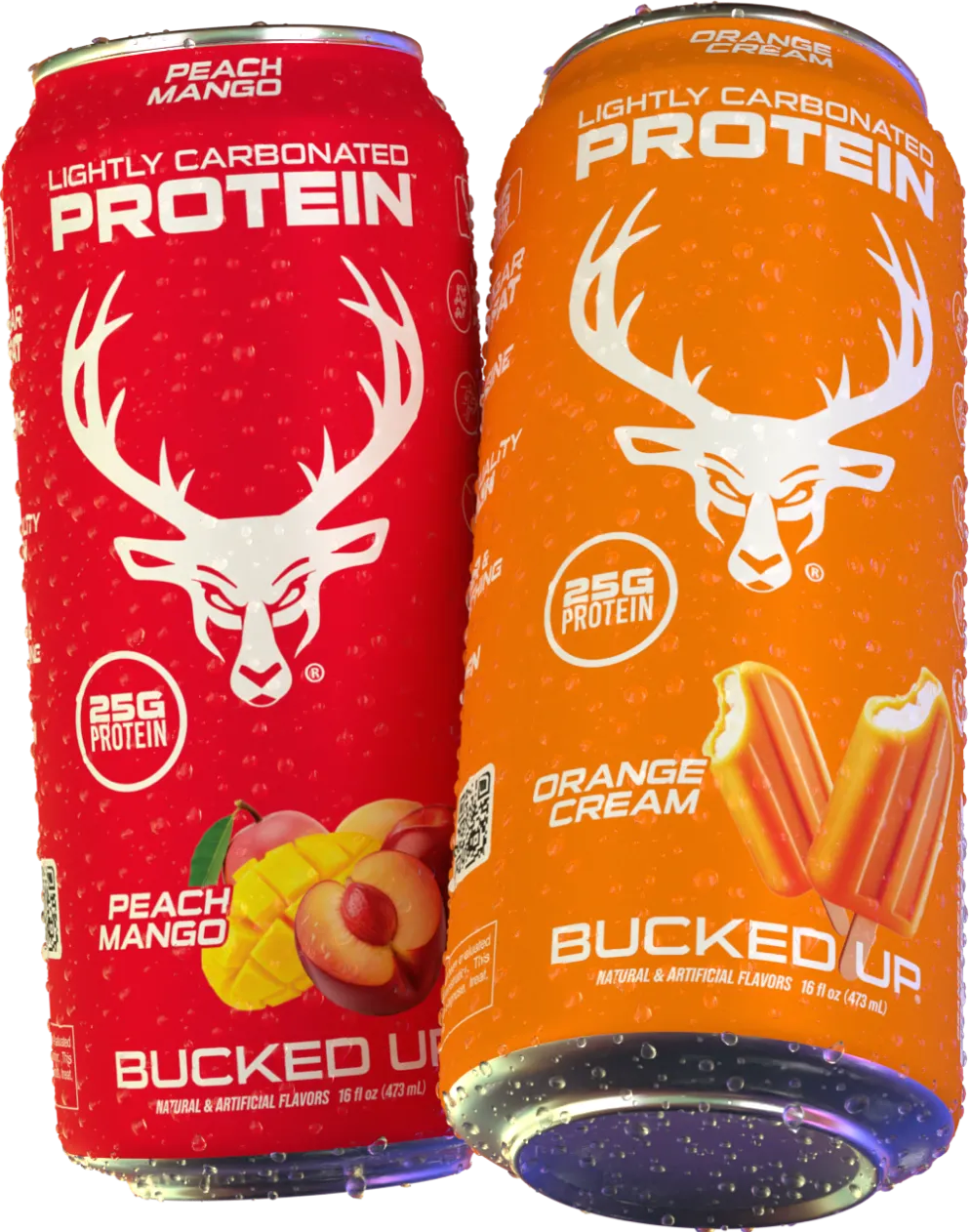
- Bucked Up Protein Soda offers convenient 25g whey isolate servings that support recovery and GLP-1 needs while helping you avoid overload.1
The Problem: 7 Clear Signs You’re Overdoing Daily Protein
1. Digestive Discomfort and Bloating
High-protein diets that are low in fiber can cause bloating, gas, constipation, diarrhea, stomach heaviness, and acid reflux. GLP-1 users already face gastrointestinal side effects, so heavy shakes can feel especially rough. Swapping dense, milky shakes for Bucked Up’s light, carbonated format can ease that digestive load.1
2. Constant Thirst and Dehydration
High-protein diets produce extra urea and metabolic heat, which forces your kidneys to filter more waste and increases water loss through urine and sweat. You may notice dry mouth, headaches, and darker, concentrated urine when intake climbs too high.
3. Frequent Urination
Higher protein intake often means more trips to the bathroom. High protein intake induces osmotic diuresis, where increased solutes in urine draw water from the bloodstream and elevate urine volume. If your day revolves around bathroom breaks, your protein load may be more than your body comfortably handles.
4. Kidney Strain and Elevated BUN
Dietary protein consistently exceeding 2.0 to 2.5 grams per kilogram of body weight daily enters “too much” territory, which can strain kidney function over time. This concern grows for people with reduced kidney function or other renal risk factors.
5. Bad Breath, Fatigue, and Mood Changes
Excessive protein intake can cause fatigue from dehydration or from ketosis when high protein combines with low carbohydrates, which also contributes to brain fog, irritability, and bad breath. If your energy, focus, and breath all feel off, your macro balance may be skewed.
6. Unexplained Weight Gain and Skin Issues
Excess protein can drive inflammation and hormonal shifts when surplus amino acids convert to glucose and then to stored fat, especially when your overall calories are already high. Breakouts or dull skin can appear alongside creeping weight gain. Reviewing your total calories and macro split often reveals the pattern.
7. Muscle Soreness Without Gains
Houston Methodist reports that protein intake strictly beyond 2.2 grams per kilogram rarely produces additional muscle growth and instead increases side effects like constipation and bloating. When soreness lingers but strength and muscle do not improve, more protein is likely not the answer.
Each of these signs shows your body working overtime to handle excess protein. Get convenient 25g servings that keep your intake in a safer range.1
The Problem Deep Dive: Daily Limits and Kidney Risk Explained
Is 200g of Protein a Day Too Much?
For most adults, 200g sits above typical needs. Sedentary adults are generally advised to consume about 0.8 grams of protein per kilogram of body weight per day, while the International Society of Sports Nutrition recommends 1.6–2 grams per kilogram for strength athletes. A 180-pound athlete falls around 131–164g per day, so 200g usually overshoots that range.
High Protein Diet Kidney Risks
Ko et al. (2020) found that healthy adults can tolerate higher protein intakes without clear renal damage, as kidneys adapt by increasing filtration rate. At the same time, excess protein forces the kidneys to clear more nitrogen and other waste products from protein breakdown, which can worsen issues in people with existing kidney disease. GLP-1 users and anyone with kidney concerns should work closely with a clinician on safe targets.
What Happens If You Eat Too Much Protein
Protein metabolism generates urea that needs extra fluid for safe kidney excretion, which increases urination and can lead to azotemia (concentrated blood urea) when hydration falls short. Symptoms often include tiredness, headaches, and a general “run down” feeling.
The key to avoiding these issues is matching your protein intake to your actual needs and supporting that intake with enough fluids.
The Solution: How Bucked Up Protein Soda Simplifies Smart Intake
Bucked Up Protein Soda helps you avoid overload by providing consistent 25g servings of 100% whey isolate in a refreshing, carbonated drink.1 Bucked Up delivers complete amino acids in a crystal-clear, non-milky beverage with zero sugar, zero carbs, and just 100 calories per can. The caffeine-free formula fits post-workout recovery, GLP-1 users managing appetite, and busy professionals who want protein without digestive heaviness.1
Real users confirm these benefits in everyday life. Customer testimonials highlight the difference: “These are seriously delicious! They taste like an energy drink, but healthier and with no caffeine. I will definitely be buying a bunch.” Another user shared, “I need to consume 130g of protein daily, and honestly, I’ve never found a product that made that goal feel this easy.” View product images to see the clear, refreshing format.
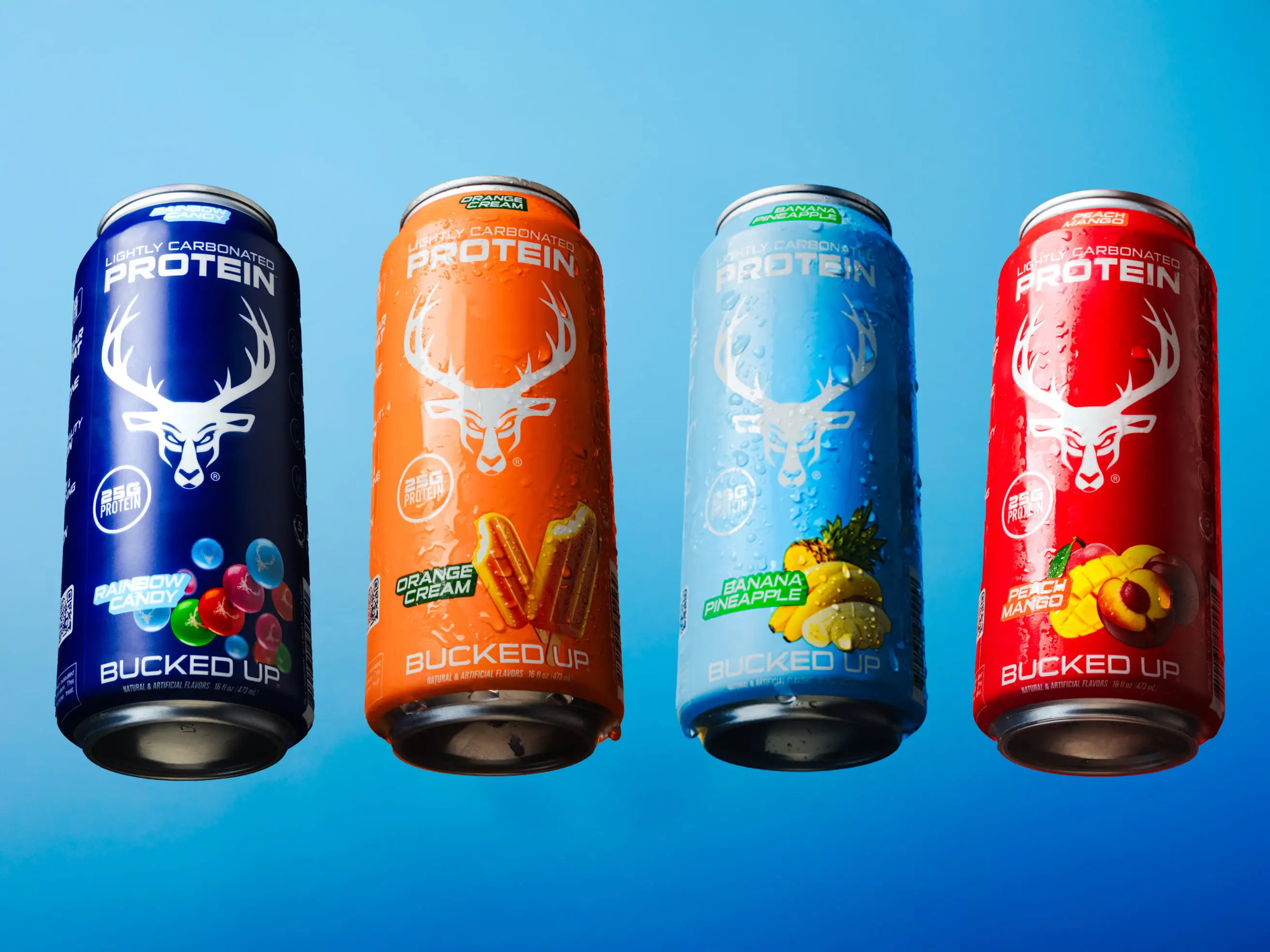
Experience convenient, consistent protein servings in a light, carbonated drink.
Benefits & Fixes: Practical Ways to Balance Protein
How to Help Your Body Clear Excess Protein
People on high-protein diets often need 30–35 mL of water per kilogram of body weight daily, plus 500–1,000 mL extra. For a 154-pound person, that equals roughly 2.95–3.45L per day. Beyond hydration, preventing overload requires balanced macros and controlled portions. Bucked Up’s 25g servings make it easier to hit your daily target without the guesswork that leads to oversized scoops.1
For GLP-1 users, protein needs often rise during weight loss, with guidance in the range of 1.0–1.6 grams per kilogram of ideal body weight per day to preserve muscle, metabolism, and blood sugar control. Bucked Up’s light, easily digestible format supports these higher needs while working with a reduced appetite.1
Competitive Comparison: How Bucked Up Stacks Up
Premier Protein offers a 160-calorie drink that uses whey concentrate, while Muscle Milk focuses on higher-calorie formulas. Bucked Up uses 100% whey isolate in a clear, carbonated format with 100 calories per can. When comparing options, look at calorie level, protein source (isolate vs concentrate), texture, and flavor profile to match your goals and preferences.
The carbonation supports a lighter mouthfeel, and the isolate form provides the bioavailability associated with whey isolates.1 Together, they can help you reach daily protein targets in the 100–150g range while reducing the chance of overload symptoms.1
Frequently Asked Questions
How does Bucked Up differ from other protein drinks?
Bucked Up uses 100% whey protein isolate in a lightly carbonated, crystal-clear drink that tastes similar to an energy beverage. Other protein shakes often use concentrate and have a thicker, milky texture that some people find heavy or chalky. Consider how you feel about texture, clarity, and digestion when choosing a daily protein option.
Is 200g of protein daily too much for most people?
For most adults, 200g sits above the ranges described earlier. For a 180-pound person, that amount can exceed typical athletic recommendations by roughly 50g, which may raise the risk of dehydration, kidney strain, and digestive discomfort.
Is Bucked Up Protein Soda safe for daily use with GLP-1 medications or keto diets?
Yes. The zero-carb, zero-sugar formula aligns with both GLP-1 weight management plans and ketogenic approaches. The light, easily digestible format helps GLP-1 users meet higher protein needs despite reduced appetite and supports muscle preservation during weight loss.1
Does the carbonation affect protein absorption or digestion?
The light carbonation provides a refreshing alternative to dense shakes and can feel easier on digestion for many people. The whey isolate dissolves fully in the carbonated base, maintaining the bioavailability expected from whey while offering a more enjoyable experience that encourages consistent intake.1
Does high-protein intake really affect kidney function and make you urinate more?
High protein intake increases urination frequency through osmotic diuresis, where protein waste products pull water into urine. Healthy kidneys usually adapt to higher loads, but consistently exceeding about 2.0–2.5g per kilogram of body weight can create strain over time, especially when hydration is low or kidney function is already reduced.
Conclusion: Keep Protein in the Sweet Spot with Bucked Up
Spotting signs of excessive protein intake, from digestive discomfort to kidney strain, helps you fine-tune your nutrition for better results. Instead of relying on oversized portions, you can reach your muscle-building and maintenance goals with steady, right-sized servings. Bucked Up Protein Soda delivers 25g of whey isolate in a refreshing drink that supports hydration and simplifies protein timing and dosing.1
Try Bucked Up Protein Soda to balance convenience, taste, and performance in every can.1
1 The content provided in this article is for informational purposes only and is not medical advice. Consult with a medical professional before implementing any changes to your diet, health, or exercise routines.
Individual results will vary and are based on a combination of each individual’s diet, exercise, age, and health circumstances.
These statements have not been evaluated by the Food and Drug Administration. This product is not intended to diagnose, treat, cure or prevent any disease.
This article was written by Ryan Gardner, CEO of Bucked Up. As the maker of Bucked Up Protein Soda, we have a financial interest in this information. The views expressed are our own and should be read with that context in mind.