Last updated: March 7, 2026
Key Takeaways About Low Protein
- Protein deficiency can cause fatigue, muscle weakness, cravings, slow healing, and mood swings. Check if three or more signs fit you.
- Updated guidelines recommend 1.2–2.6 g protein per kilogram of body weight daily, with higher needs for athletes and GLP-1 users.
- Hair thinning, fluid retention, poor sleep, and brain fog often signal an urgent need for better protein intake across the day.
- Whey protein isolate absorbs faster than concentrates or milk-based drinks and supports quicker recovery and symptom relief.
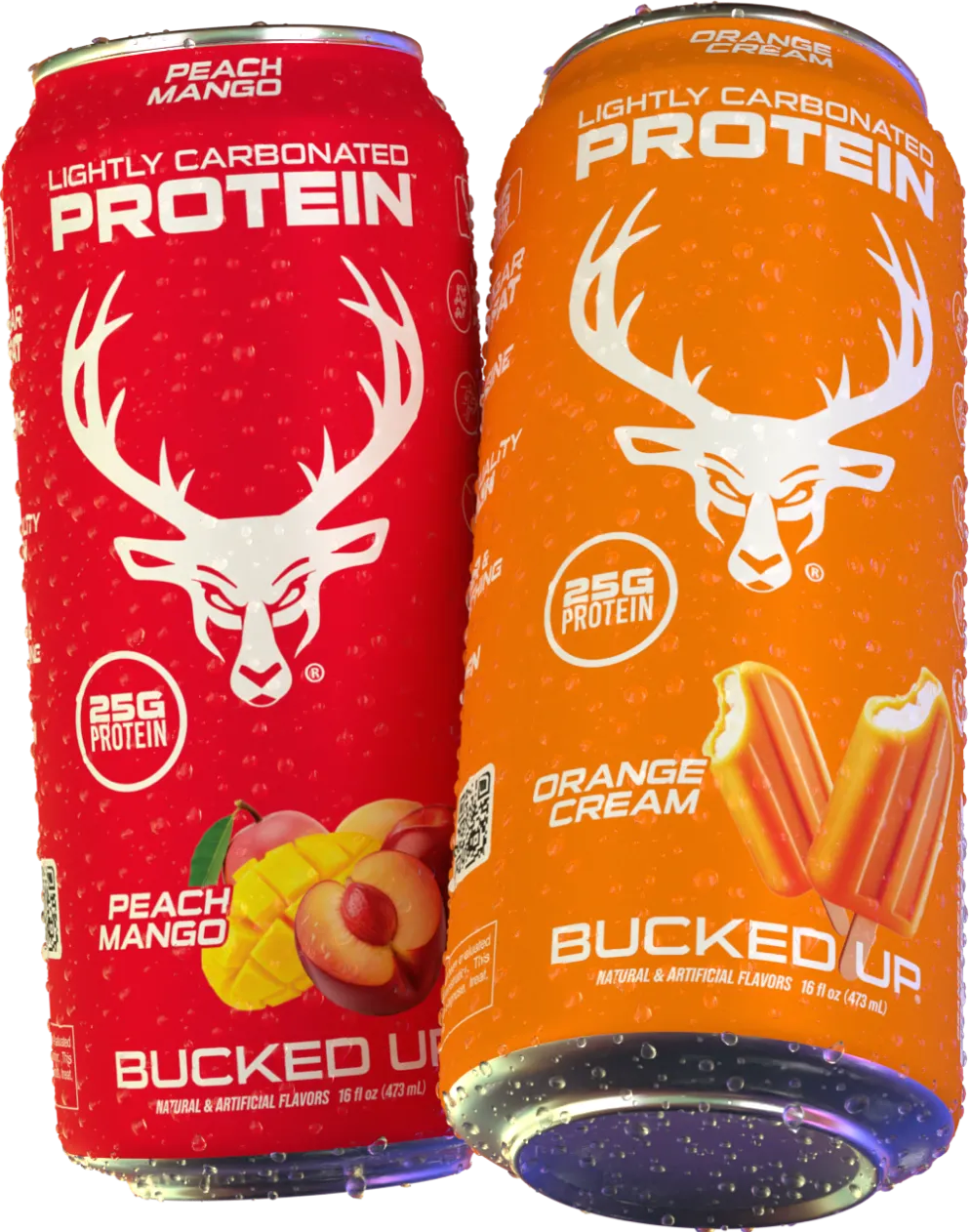
- Fix low protein quickly with Bucked Up Protein Soda, which delivers 25 g of refreshing, zero-sugar protein that fits busy schedules and GLP-1 routines.
10 Clear Signs You’re Not Getting Enough Protein Daily
Sign #1: Constant Fatigue and Low Energy
Persistent exhaustion, even when you sleep enough, often points to low protein intake. Your body uses amino acids for energy production and neurotransmitter creation. When protein is low, cellular energy slows and you feel drained all day.
Try these simple fixes for fatigue:
- Swap your afternoon coffee for Bucked Up Protein Soda. Its 25 g of whey isolate supports steady energy without a caffeine crash.
- Eat or drink protein within 30 minutes of waking to jumpstart your metabolism.
- Spread protein across breakfast, lunch, and dinner instead of loading it all at night.
Sign #2: Muscle Weakness and Prolonged Soreness
Slow recovery and ongoing muscle weakness usually mean your muscles are not getting enough protein to repair and rebuild. Chronic low-grade inflammation from poor nutrition can reduce motor function and raise metabolic disease risk.
Use these strategies to speed up recovery:
- Drink Bucked Up Protein Soda right after workouts to support muscle protein synthesis.
- Aim for 20–25 g of protein every 3–4 hours to maintain a positive nitrogen balance.
- Pick whey isolate instead of concentrate for faster absorption and less digestive stress.
Sign #3: Hair Thinning, Brittle Nails, and Skin Issues
Protein builds the structure of your hair, nails, and skin. When protein is low, your body sends available amino acids to vital organs first. Hair becomes thin and brittle, nails chip or form ridges, and skin can look dull and less elastic.
Support beauty from the inside out with these steps:
- Use Bucked Up’s complete amino acid profile to help fuel keratin production.
- Keep protein intake steady each day instead of relying on occasional high-protein meals.
- Pair protein with vitamin C-rich foods to support collagen production.
Sign #4: Constant Hunger and Sugar Cravings
Protein helps regulate hunger hormones like ghrelin and leptin. When protein is low, cravings rise, especially for high-carb foods. Blood sugar spikes and crashes follow, which keeps you feeling hungry.
Use protein to gain control over cravings:
- Start meals with a protein source such as Bucked Up Protein Soda to trigger fullness signals.
- Trade sugary snacks for protein-focused options.
- Keep protein consistent throughout the day to support stable blood sugar.
Sign #5: Fluid Retention and Swelling
Protein helps maintain oncotic pressure, which keeps fluid inside your blood vessels. Low protein, especially low albumin, can cause swelling in your hands, feet, and ankles. This often appears with other nutrition gaps.
Support better fluid balance with these actions:
- Increase high-quality protein using easy-to-digest options like Bucked Up’s whey isolate.
- Watch sodium intake while you raise protein.
- Talk with a healthcare provider if swelling continues after you improve your diet.
Sign #6: Slow Wound Healing and Frequent Illness
Protein powers immune function and tissue repair. When protein is low, white blood cell production and antibody formation drop. Cuts and scrapes heal slowly because your body lacks amino acids for collagen and new tissue.
Strengthen your immune system with more protein:
- Increase protein during illness or injury with convenient options like Bucked Up Protein Soda.
- Focus on complete proteins that contain all essential amino acids.
- Combine protein with zinc and vitamin C to further support immune health.
Sign #7: Mood Swings and Irritability
Amino acids act as building blocks for neurotransmitters such as serotonin and dopamine. Low protein intake disrupts this process and can trigger mood swings, anxiety, and low mood. Stress and dieting can make these shifts feel even stronger.
Stabilize mood with consistent protein:
- Keep a steady flow of amino acids by eating protein regularly throughout the day.
- Use Bucked Up Protein Soda as a caffeine-free option for mood support without stimulants.
- Pair protein with complex carbs to support serotonin production.
Sign #8: Loss of Muscle Mass for GLP-1 and Non-GLP-1 Users
Muscle loss, or sarcopenia, accelerates when protein intake drops. This risk increases for people using GLP-1 medications. About 22% of GLP-1 patients develop nutrition deficiencies, including protein deficiency, within 12 months.
Use these tactics to protect muscle:
- Make protein a priority even when appetite is low. Bucked Up’s light, carbonated format works well when solid food feels heavy.
- Spread protein across smaller, frequent meals or snacks.
- Pair resistance training with adequate protein to maintain lean mass during weight loss.
Sign #9: Poor Sleep Quality and Restlessness
Protein affects sleep-related neurotransmitters and blood sugar control. When protein is too low, nighttime blood sugar swings can disrupt sleep cycles. You may wake often and feel unrefreshed in the morning.
Use protein to support better sleep:
- Include protein at dinner to help stabilize blood sugar overnight.
- Choose caffeine-free options like Bucked Up Protein Soda in the evening.
- Avoid very large protein meals right before bed while still meeting your daily target.
Sign #10: Difficulty Concentrating and Brain Fog
Your brain needs a steady supply of amino acids for neurotransmitter production and glucose regulation. Low protein can impair focus, memory, and mental stamina. Brain fog often worsens as the day goes on.
Support clear thinking with targeted protein habits:
- Fuel your brain with high-quality protein like Bucked Up’s whey isolate for efficient amino acid delivery.
- Keep protein timing consistent to avoid mid-day cognitive slumps.
- Combine protein with healthy fats to support longer-lasting mental energy.
How Bucked Up Protein Soda Makes Hitting Daily Protein Easy
Bucked Up Protein Soda offers 25 g of whey protein isolate in a light, carbonated drink that absorbs quickly. Whey isolate outperforms whey concentrate and collagen found in brands like Premier Protein and Muscle Milk. Each can has just 100 calories, zero sugar, zero carbs, and no caffeine, so it fits most nutrition plans.
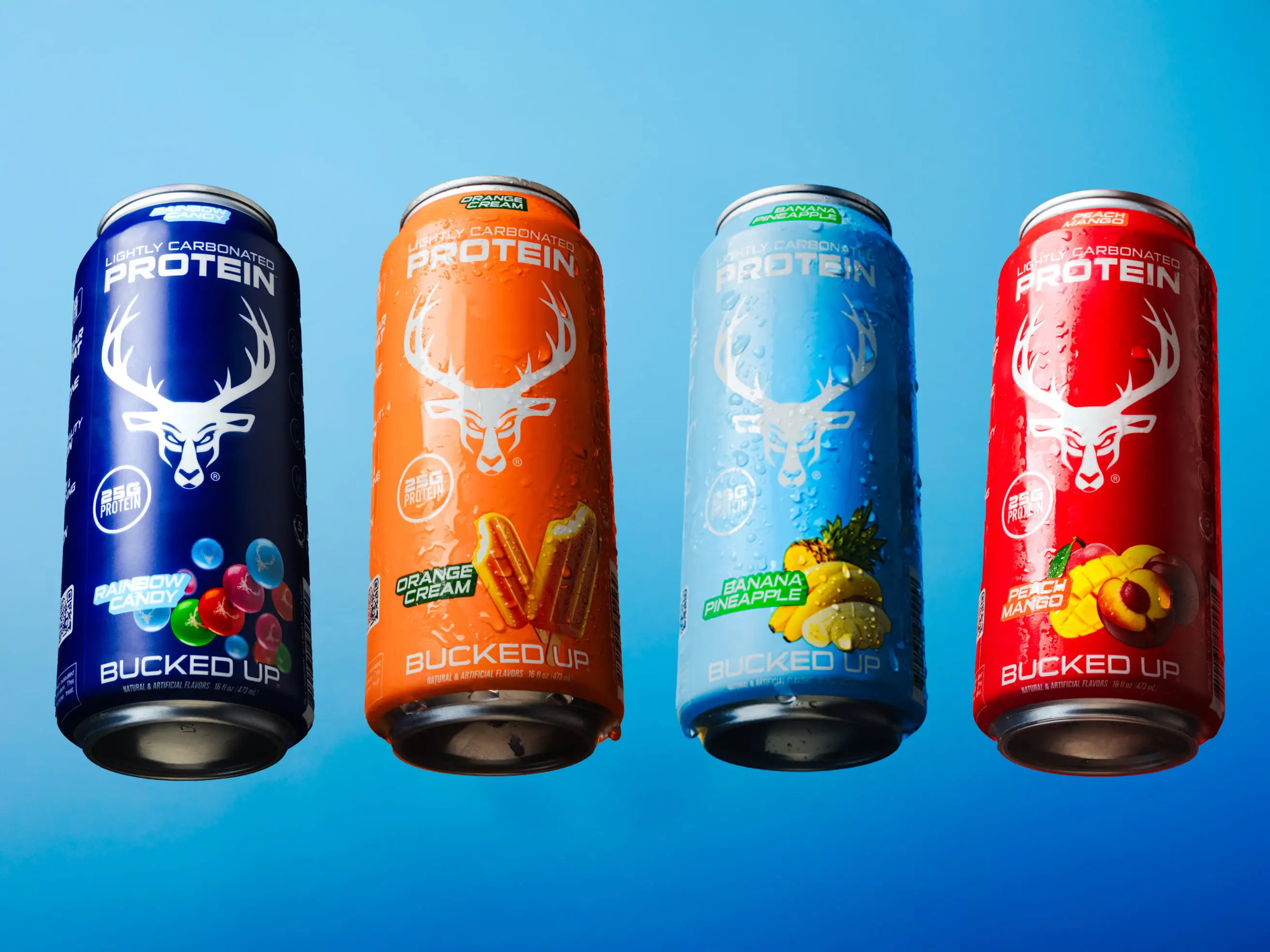
Use these simple ways to work it into your day:
- Post-workout: Drink a can within 30 minutes of training to support muscle repair.
- GLP-1 support: Sip slowly throughout the day when solid meals feel difficult.
- Workday backup: Keep chilled cans at your desk for fast protein between meetings.
- Evening option: Enjoy at night without worrying about caffeine disrupting sleep.
Traditional, milky shakes can feel heavy and cause digestive discomfort. Bucked Up’s clear, lightly carbonated formula feels refreshing while still delivering a complete amino acid profile.
Grab Bucked Up Protein Soda now and start addressing protein deficiency signs with less effort.
Why Bucked Up Beats Traditional Protein Drinks for Deficiency Symptoms
Many standard protein drinks are not ideal when you already struggle with low appetite or digestive issues. Premier Protein uses whey concentrate, which has more lactose and slower absorption. Muscle Milk packs in more calories and carbs, which can be challenging for weight or blood sugar management. Fairlife and Core Power rely on milk-based formulas that often feel heavy when your appetite is low.
Bucked Up stands out for symptom relief in several ways:
- Whey isolate absorbs faster and offers higher bioavailability than concentrate.
- Light carbonation feels crisp instead of heavy, which helps GLP-1 users and anyone with reduced appetite.
- Zero sugar supports stable blood sugar and reduces energy crashes and cravings.
- Caffeine-free formula works at any time of day without jitters or sleep disruption.
Frequently Asked Questions About Protein Intake
What are the most common signs of low protein intake?
The ten main signs include constant fatigue, muscle weakness and long-lasting soreness, hair thinning and brittle nails, ongoing hunger and sugar cravings, fluid retention and swelling, slow wound healing and frequent illness, mood swings and irritability, loss of muscle mass, poor sleep quality, and brain fog with trouble concentrating. Experiencing three or more of these signs on a regular basis often points to low protein intake. A quick self-check against this list can show whether you likely need more protein each day.
How much protein do I actually need daily?
Most adults benefit from 1.2–1.6 grams of protein per kilogram of body weight. Active people and athletes often need 1.6–2.2 grams per kilogram. Those using GLP-1 medications or managing certain health conditions may require 1.8–2.6 grams per kilogram to protect muscle. For a 160-pound person, this equals roughly 87–130 grams of protein per day. Needs vary by age, activity level, health status, and metabolism, so a healthcare provider or dietitian can give tailored advice.
What makes protein especially helpful for GLP-1 medication users?
GLP-1 medications reduce appetite and slow stomach emptying, which makes thick shakes hard to finish. Bucked Up Protein Soda has a light, carbonated texture that feels easier to drink. Its whey isolate formula absorbs quickly and supplies all essential amino acids needed to protect muscle during weight loss. With zero sugar and low calories, it supports weight goals while helping GLP-1 users meet their higher protein needs.
How can I tell if I am getting enough protein throughout the day?
Track both your intake and how you feel. Log your food or use an app to total your daily protein and compare it with your target grams per kilogram. Watch your energy, workout recovery, hunger, and overall mood. Ongoing fatigue, soreness, cravings, or several of the ten signs above suggest you are falling short. Bucked Up Protein Soda makes tracking easier because each can delivers a clear 25 g of high-quality protein.
Why is whey protein isolate better than other protein types?
Whey protein isolate goes through extra filtering to remove most lactose, fat, and carbs. This process creates a purer protein that your body absorbs quickly. It contains all essential amino acids in strong ratios for muscle building and repair. Compared with whey concentrate, many plant proteins, or collagen, isolate usually offers higher bioavailability and less digestive stress. For people with mild lactose sensitivity or anyone who wants efficient protein, isolate forms like those in Bucked Up Protein Soda work especially well.
Conclusion: Act on These Signs and Boost Protein with Bucked Up
Protein deficiency symptoms can stack up fast and shift from minor annoyances to real health problems. Fatigue, weak muscles, cravings, and mood swings all signal that your body needs more amino acids. GLP-1 users, busy professionals, and active people feel these effects even more when recovery and focus matter.
Bucked Up Protein Soda removes many common barriers to getting enough protein. You avoid chalky powders, heavy textures, and messy prep. You get a refreshing, carbonated drink that delivers 25 g of premium whey isolate whenever you need it.
Stop letting low protein drain your energy, slow your recovery, and cloud your focus.
Shop Bucked Up Protein Soda now and feel how consistent, high-quality protein can change your day.